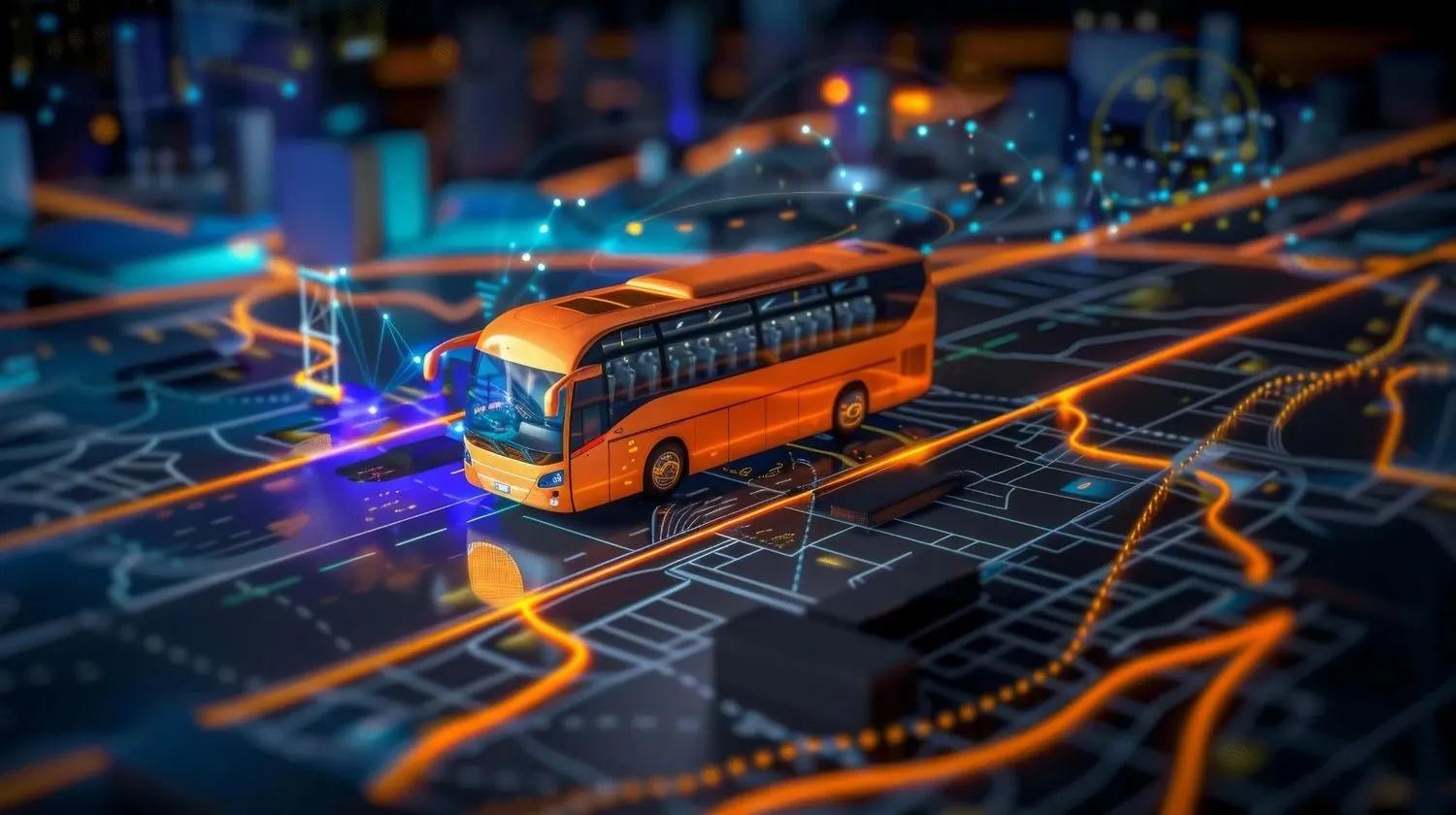


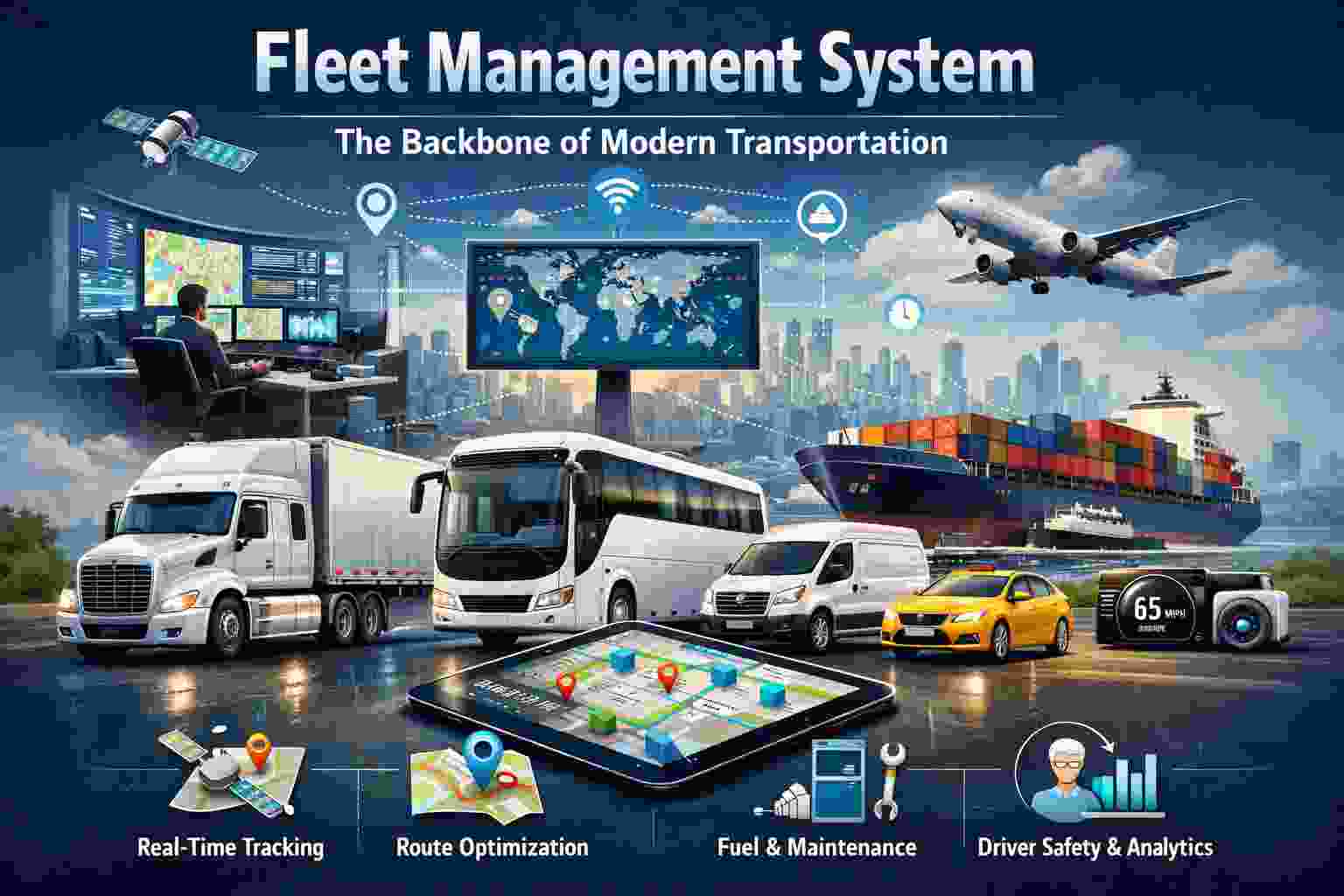
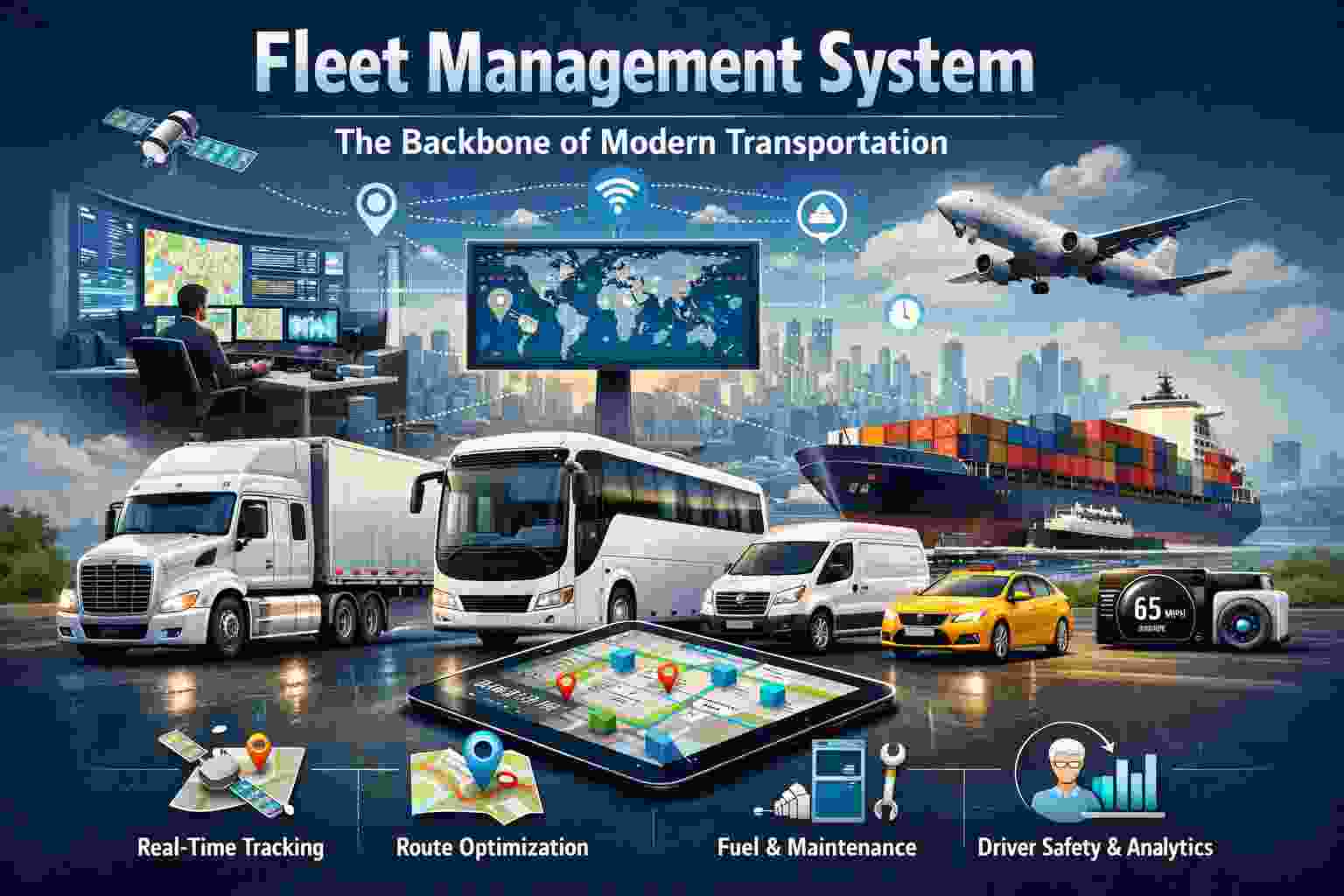
In today’s transportation and logistics landscape, businesses need complete visibility into their fleet operations to remain competitive. Whether managing delivery vehicles, service fleets, construction equipment, or transportation assets, real-time information is essential for improving efficiency, reducing costs, and enhancing security. This is why every modern fleet should invest in a reliable GPS tracker.
GPS tracking technology has evolved from simple location monitoring into a powerful fleet management tool that provides actionable insights into vehicle performance, driver behavior, route efficiency, fuel usage, and asset security. At Mobitrack, we help businesses leverage advanced GPS tracking solutions to improve operational control and maximize fleet productivity.
This guide explains why GPS trackers have become essential for modern fleet management and how they contribute to long-term business success.
What Is a GPS Tracker?
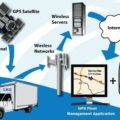
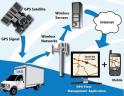
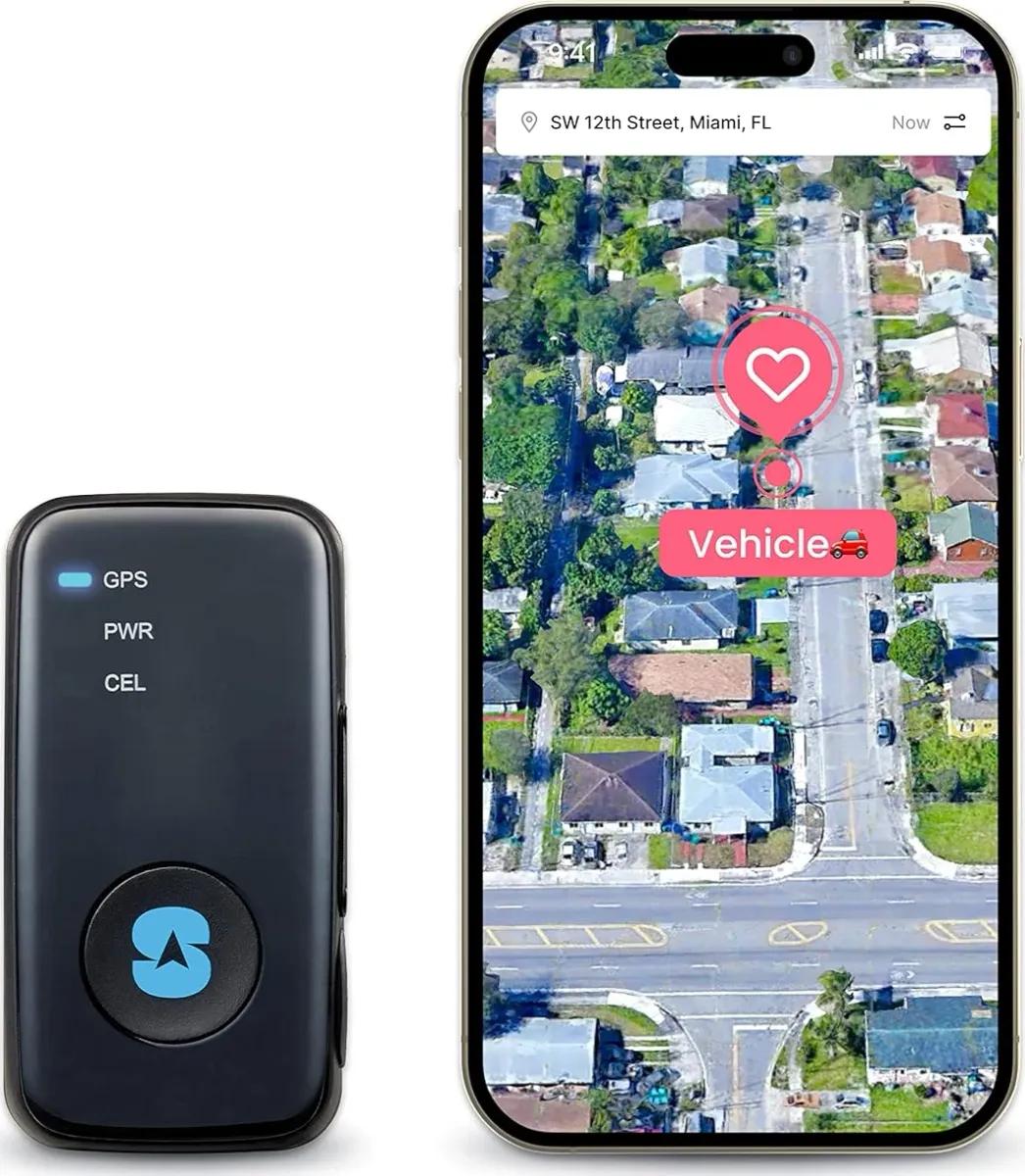
A GPS tracker is an electronic device installed inside a vehicle that uses Global Positioning System (GPS) satellites to determine and transmit the vehicle’s location.
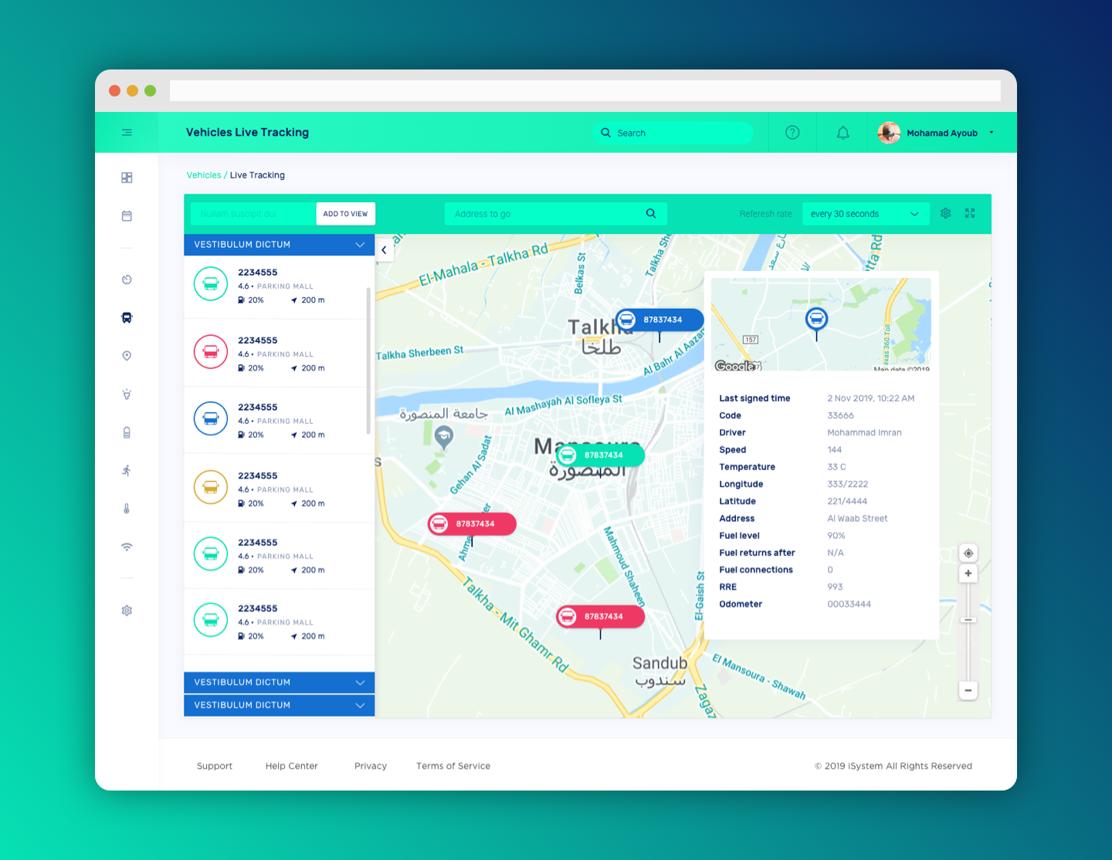
The tracker continuously sends data to a cloud-based fleet management platform where users can monitor vehicle activity in real time.
Modern GPS trackers provide information such as:
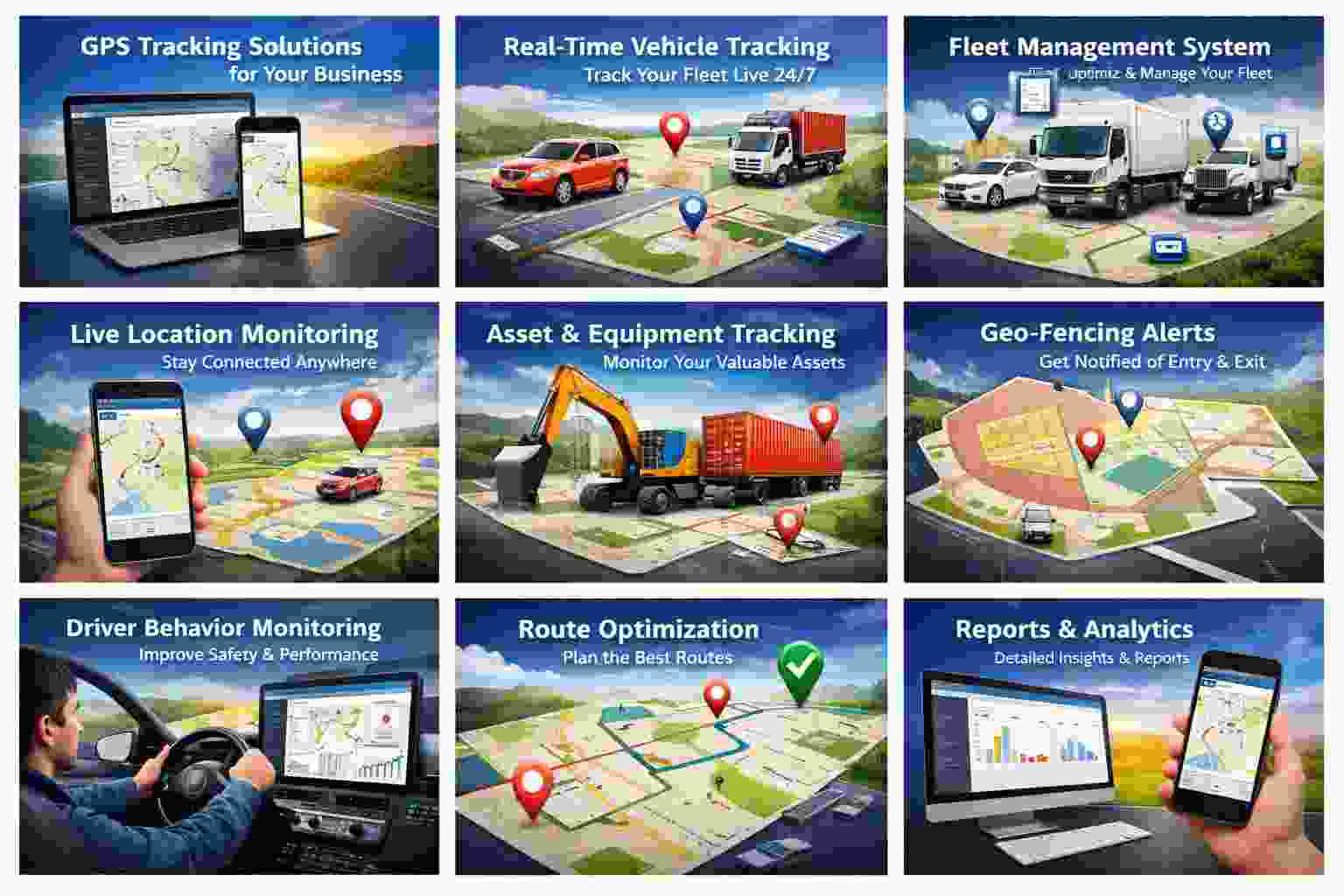
- Vehicle location
- Vehicle speed
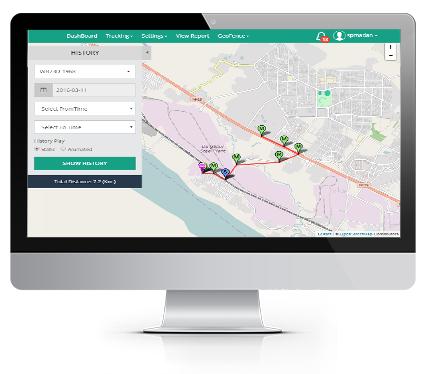
- Route history
- Driver behavior
- Fuel consumption data
- Geofencing activity
- Maintenance alerts
These capabilities make GPS trackers valuable tools for businesses of all sizes.
Why Real-Time Vehicle Monitoring Matters
Fleet managers face numerous challenges, including:
- Vehicle security concerns
- Rising fuel costs
- Driver accountability
- Delivery delays
- Maintenance management
- Customer service expectations
Without real-time visibility, managing these challenges becomes significantly more difficult.
A GPS tracker provides continuous access to vehicle data, allowing businesses to make faster and more informed decisions.
Benefit 1: Complete Fleet Visibility
One of the biggest advantages of GPS tracking is real-time fleet visibility.
Managers can instantly see:
- Current vehicle locations
- Active routes
- Delivery progress
- Vehicle status
Advantages
- Improved operational control
- Faster decision-making
- Better fleet coordination
- Increased accountability
Knowing where every vehicle is located at all times allows businesses to manage operations more effectively.
Benefit 2: Improved Vehicle Security
Vehicle theft remains a major concern for many organizations.
GPS trackers improve security through:
Real-Time Location Monitoring
Managers can track vehicles continuously.
Theft Alerts
The system can notify users when unauthorized movement occurs.
Geofencing Protection
Virtual boundaries generate alerts when vehicles enter or leave designated areas.
Faster Recovery
Accurate location data improves the chances of recovering stolen vehicles quickly.
Enhanced security protects valuable fleet assets and reduces financial losses.
Benefit 3: Better Route Optimization
Efficient routing plays a critical role in fleet productivity.
GPS trackers provide route data that helps businesses:
- Identify shorter routes
- Avoid traffic congestion
- Reduce travel times
- Improve scheduling
Benefits
- Lower fuel consumption
- Faster deliveries
- Improved customer service
- Increased productivity
Optimized routing contributes directly to operational efficiency.
Benefit 4: Reduced Fuel Costs
Fuel expenses often represent one of the largest fleet operating costs.
GPS tracking helps reduce fuel consumption by monitoring:
Excessive Idling
Idle vehicles consume fuel without generating value.
Unauthorized Trips
Tracking helps prevent non-business vehicle usage.
Inefficient Routes
Managers can identify and eliminate unnecessary mileage.
Driver Behavior
Safe driving habits improve fuel efficiency.
Even modest improvements can result in substantial long-term savings.
Benefit 5: Enhanced Driver Accountability
Driver performance significantly impacts safety, fuel costs, and maintenance expenses.
Modern GPS trackers monitor behaviors such as:
- Speeding
- Harsh braking
- Rapid acceleration
- Excessive idling
Benefits
- Improved road safety
- Lower accident risks
- Better fuel economy
- Reduced vehicle wear
Managers can use performance data to coach drivers and encourage safer habits.
Benefit 6: Improved Customer Service
Customer expectations continue to rise across all industries.
GPS tracking helps businesses improve customer experiences by providing:
Accurate Arrival Estimates
Real-time location data allows businesses to provide realistic delivery schedules.
Better Communication
Managers can quickly respond to customer inquiries regarding vehicle locations.
Reduced Delays
Route optimization helps ensure on-time arrivals.
Increased Transparency
Customers appreciate visibility into delivery and service progress.
Improved service quality often leads to stronger customer relationships.
Benefit 7: Maintenance Management Support
Unexpected vehicle breakdowns can create costly delays and operational disruptions.
GPS tracking systems support preventive maintenance through:
- Mileage monitoring
- Service reminders
- Vehicle usage analysis
- Maintenance scheduling
Benefits
- Reduced downtime
- Lower repair costs
- Longer vehicle lifespan
- Improved fleet reliability
Preventive maintenance helps businesses avoid expensive emergency repairs.
Benefit 8: Geofencing and Operational Control
Geofencing allows managers to create virtual boundaries around specific locations.
Examples include:
- Warehouses
- Construction sites
- Customer facilities
- Restricted zones
Benefits
- Improved route compliance
- Enhanced security
- Automated monitoring
- Greater accountability
Geofencing reduces the need for constant manual supervision.
Benefit 9: Better Fleet Utilization
Many businesses struggle with underutilized fleet assets.
GPS tracking helps managers:
- Monitor vehicle usage
- Identify idle assets
- Improve scheduling
- Optimize resource allocation
Results
- Higher productivity
- Better return on investment
- Reduced operating costs
Improved utilization helps businesses maximize fleet value.
Benefit 10: Data-Driven Decision Making
Modern fleet management relies on accurate operational data.
GPS tracking systems generate reports covering:
- Vehicle activity
- Driver performance
- Fuel efficiency
- Route effectiveness
- Fleet utilization
Benefits
- Better planning
- Improved budgeting
- Enhanced operational visibility
- Continuous performance improvement
Data-driven strategies often produce better business outcomes.
Industries That Benefit from GPS Tracking
GPS trackers provide value across numerous sectors.
Logistics and Transportation
Companies improve delivery management and fleet visibility.
Construction
Businesses monitor vehicles and equipment across multiple sites.
Field Service Operations
Organizations optimize technician dispatching and scheduling.
Public Transportation
Transit operators improve route management and passenger safety.
Government Fleets
Public organizations strengthen accountability and resource utilization.
Emerging Trends in GPS Tracking Technology
Technology continues to enhance fleet management capabilities.
Artificial Intelligence (AI)
AI-powered analytics identify trends and recommend improvements.
Internet of Things (IoT)
Connected sensors provide deeper visibility into vehicle performance.
Predictive Maintenance
Advanced systems forecast maintenance needs before failures occur.
Cloud-Based Platforms
Cloud technology enables secure access to fleet data from anywhere.
Fleet Automation
Automation reduces administrative workloads and improves efficiency.
Businesses adopting these innovations often gain a competitive advantage.
Why Choose Mobitrack GPS Tracking Solutions?
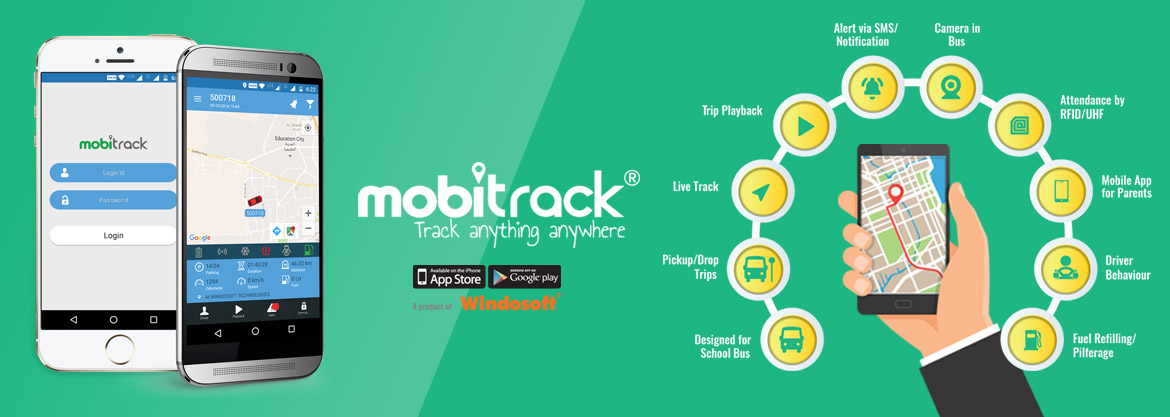
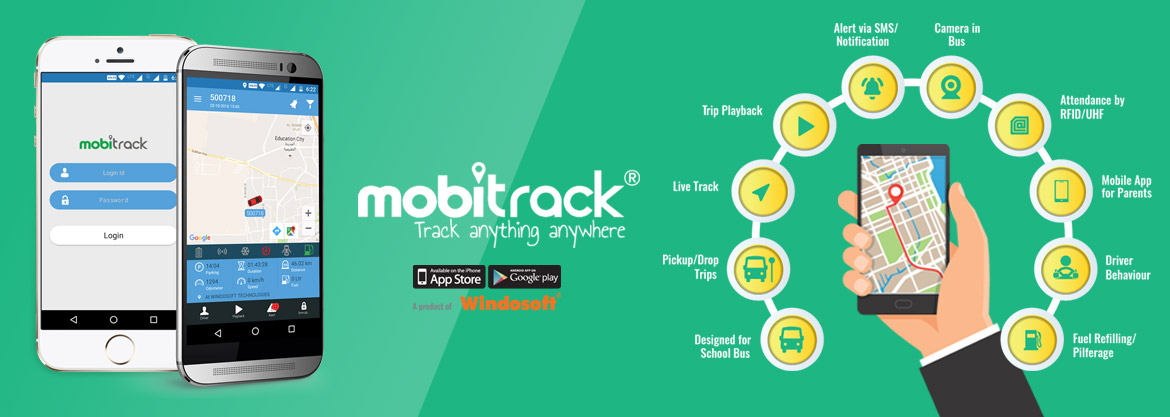
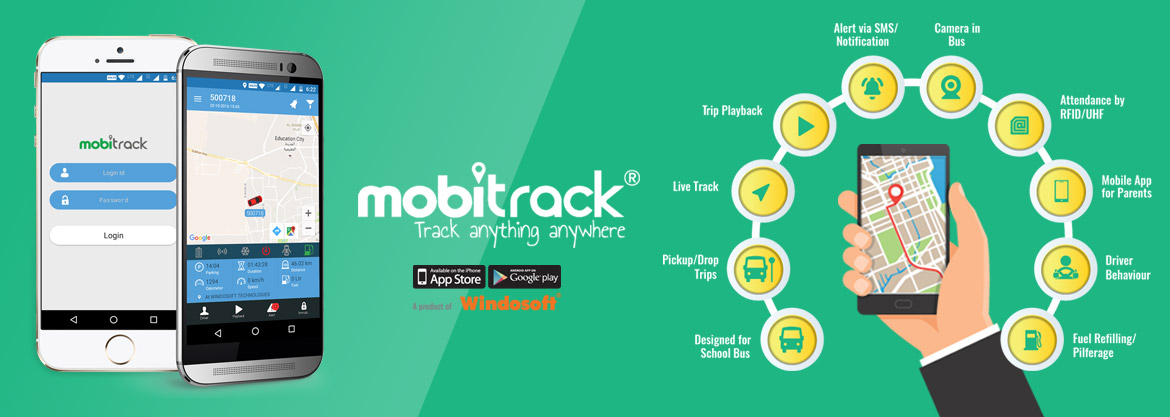
Mobitrack offers advanced GPS tracking technology designed to meet the needs of modern fleets.
Our platform provides:
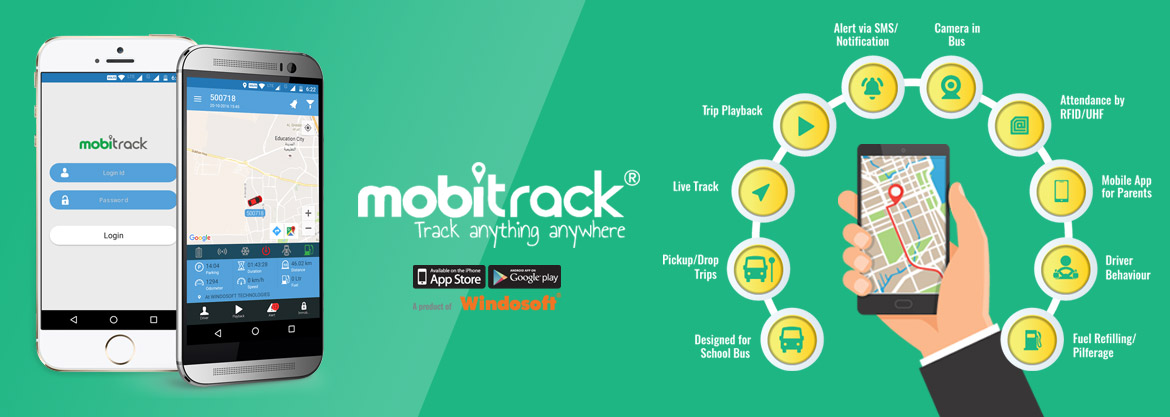
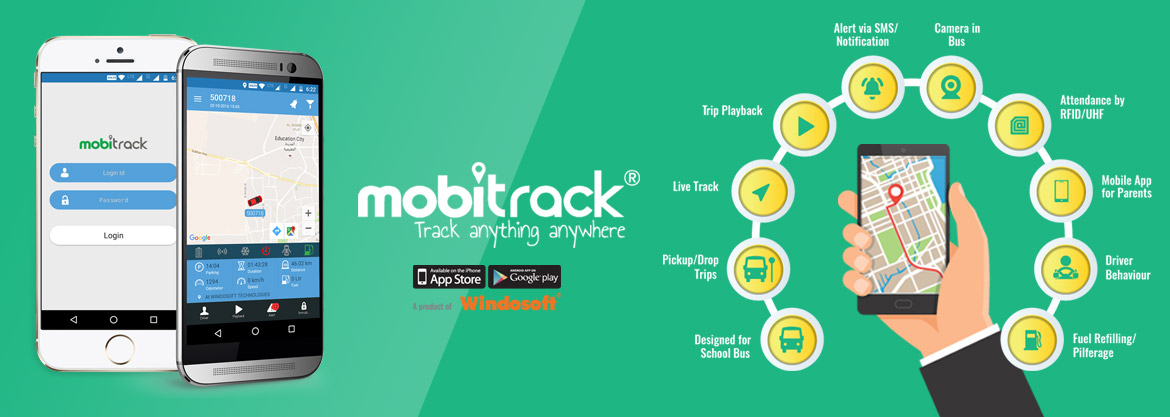
- Real-time GPS tracking
- Driver behavior monitoring
- Route optimization
- Geofencing technology
- Fuel management integration
- Maintenance scheduling
- Advanced analytics
- Mobile and web access
These capabilities help businesses improve visibility, efficiency, and operational control.
Best Practices for GPS Tracker Implementation
To maximize the benefits of GPS tracking:
Define Clear Objectives
Establish measurable goals related to productivity, safety, and cost reduction.
Train Drivers
Ensure employees understand tracking policies and expectations.
Monitor Reports Regularly
Review operational data consistently.
Utilize Automated Alerts
Respond quickly to issues affecting fleet performance.
Continuously Improve Operations
Use insights to refine processes and improve efficiency over time.
The Future of Fleet Tracking
As technology advances, GPS tracking systems will become even more powerful through:
- Greater AI integration
- Expanded IoT connectivity
- Advanced predictive analytics
- Enhanced automation
- Smarter fleet management tools
Organizations that embrace these innovations will be better positioned for long-term success.
Conclusion
A modern GPS tracker is far more than a vehicle location device. It is a comprehensive fleet management tool that improves security, enhances operational visibility, reduces costs, strengthens customer service, and supports smarter decision-making.
In an increasingly competitive business environment, real-time vehicle monitoring has become essential for organizations that depend on transportation assets. GPS tracking technology provides the control and insights necessary to optimize fleet performance and achieve sustainable growth.
With advanced GPS tracking solutions and intelligent fleet management capabilities, Mobitrack helps businesses build safer, smarter, and more efficient fleet operations for the future.






















No Comments