

Businesses in Qatar that operate commercial vehicles need reliable fleet visibility to manage transportation efficiently. Delivery companies, logistics providers, construction businesses, service companies, and transportation operators may manage vehicles across busy urban areas as well as longer routes between different locations.
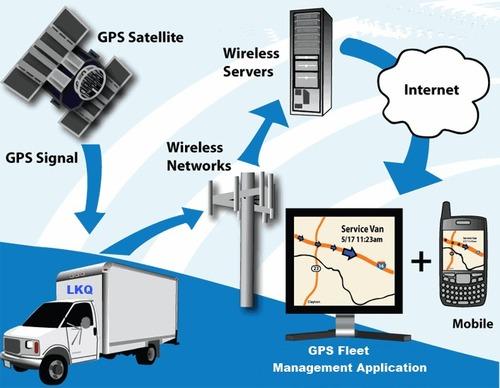
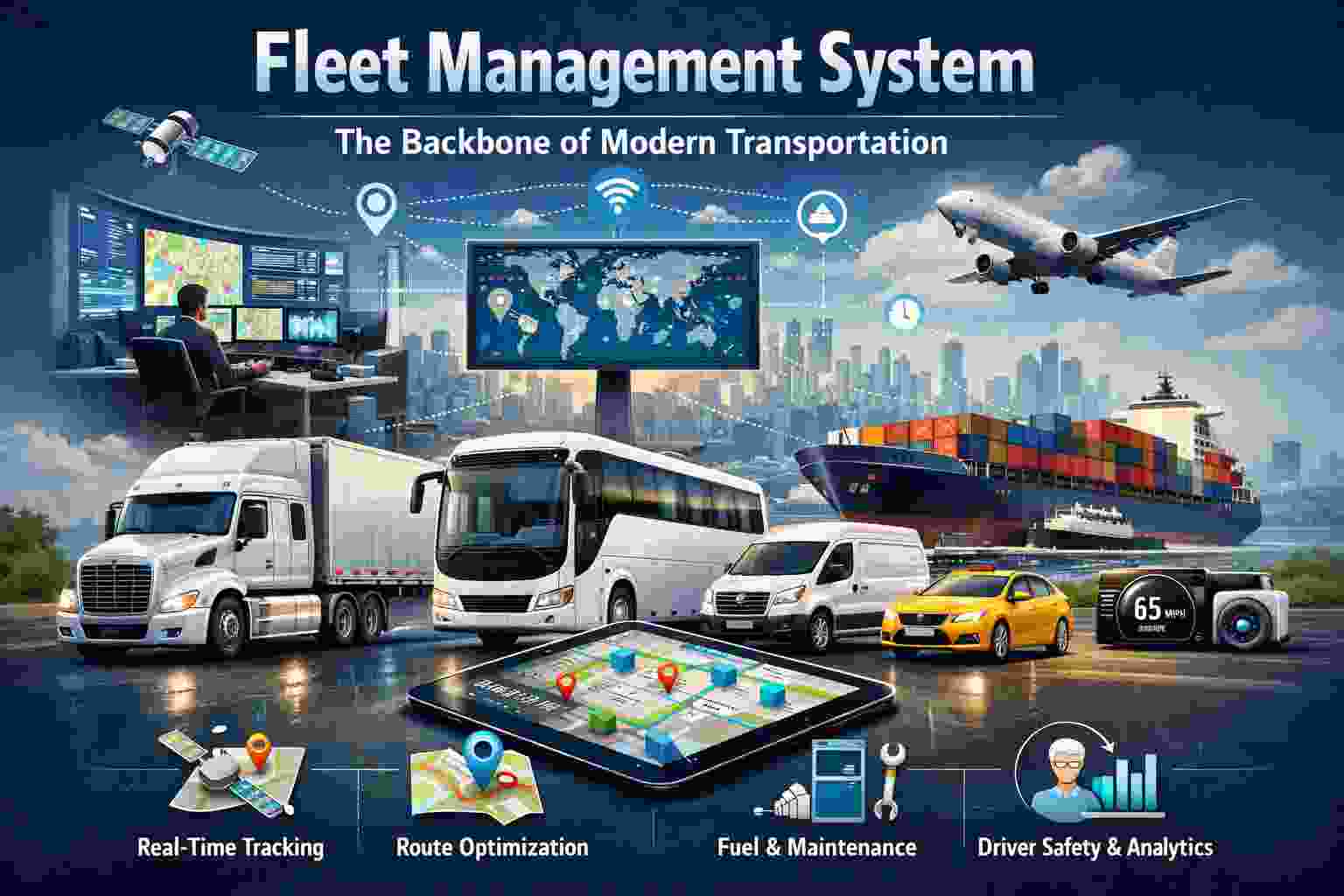
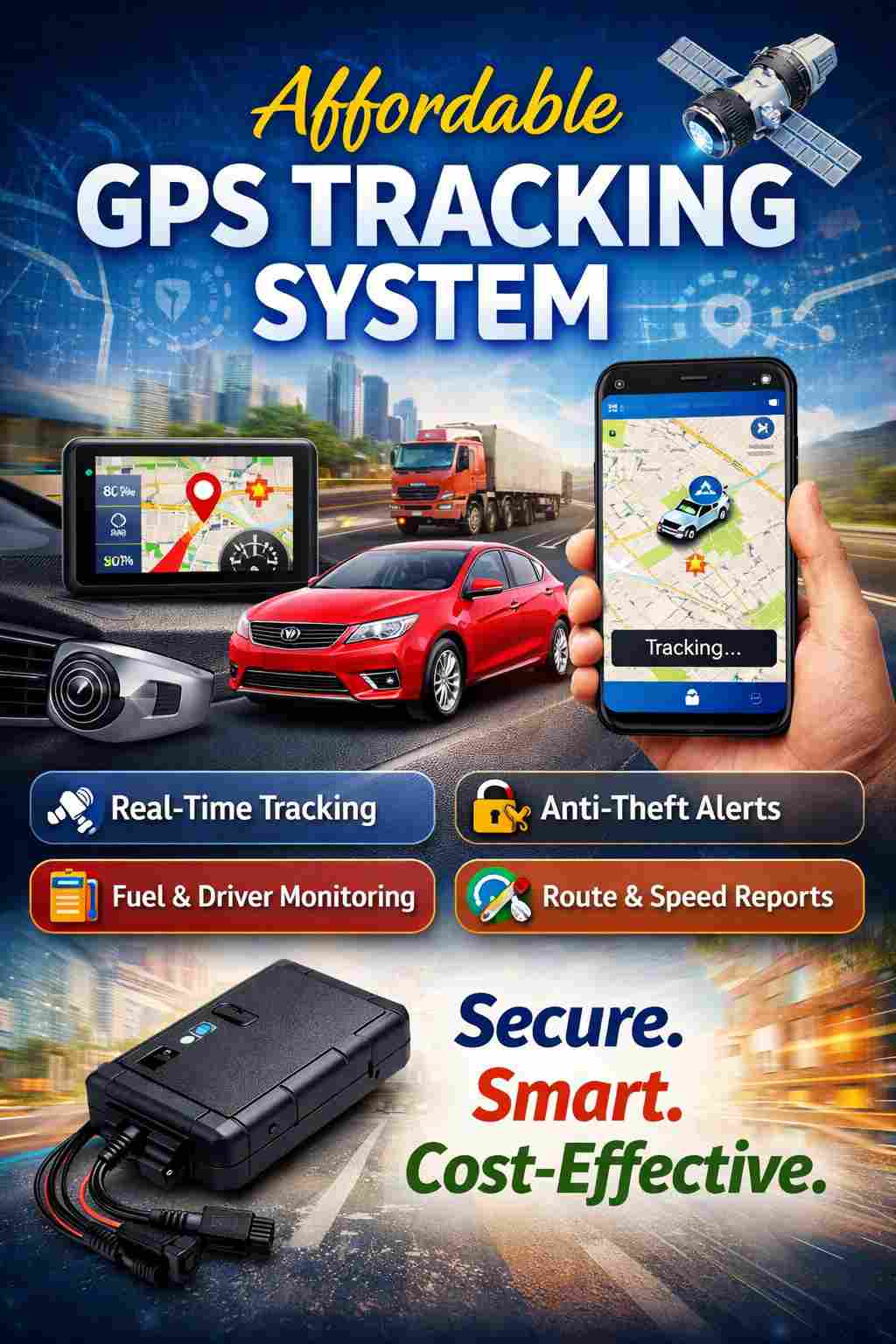
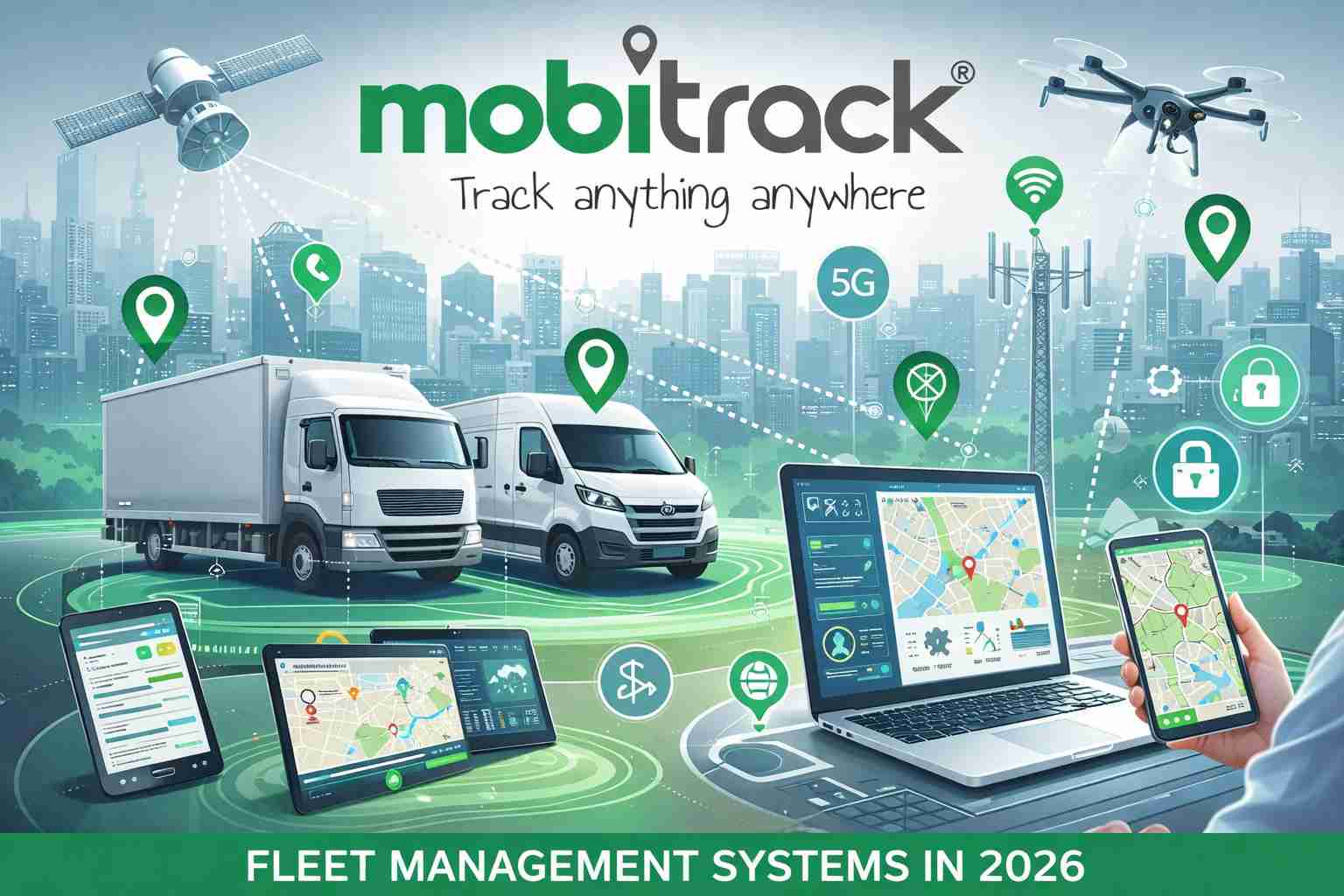
A Vehicle Tracking System in Qatar provides businesses with real-time information about vehicle locations, routes, stops, and driving activity.
By combining GPS hardware with fleet management software, companies can improve operational visibility, control vehicle usage, monitor drivers, and make better decisions about their fleets.
What Is a Vehicle Tracking System?
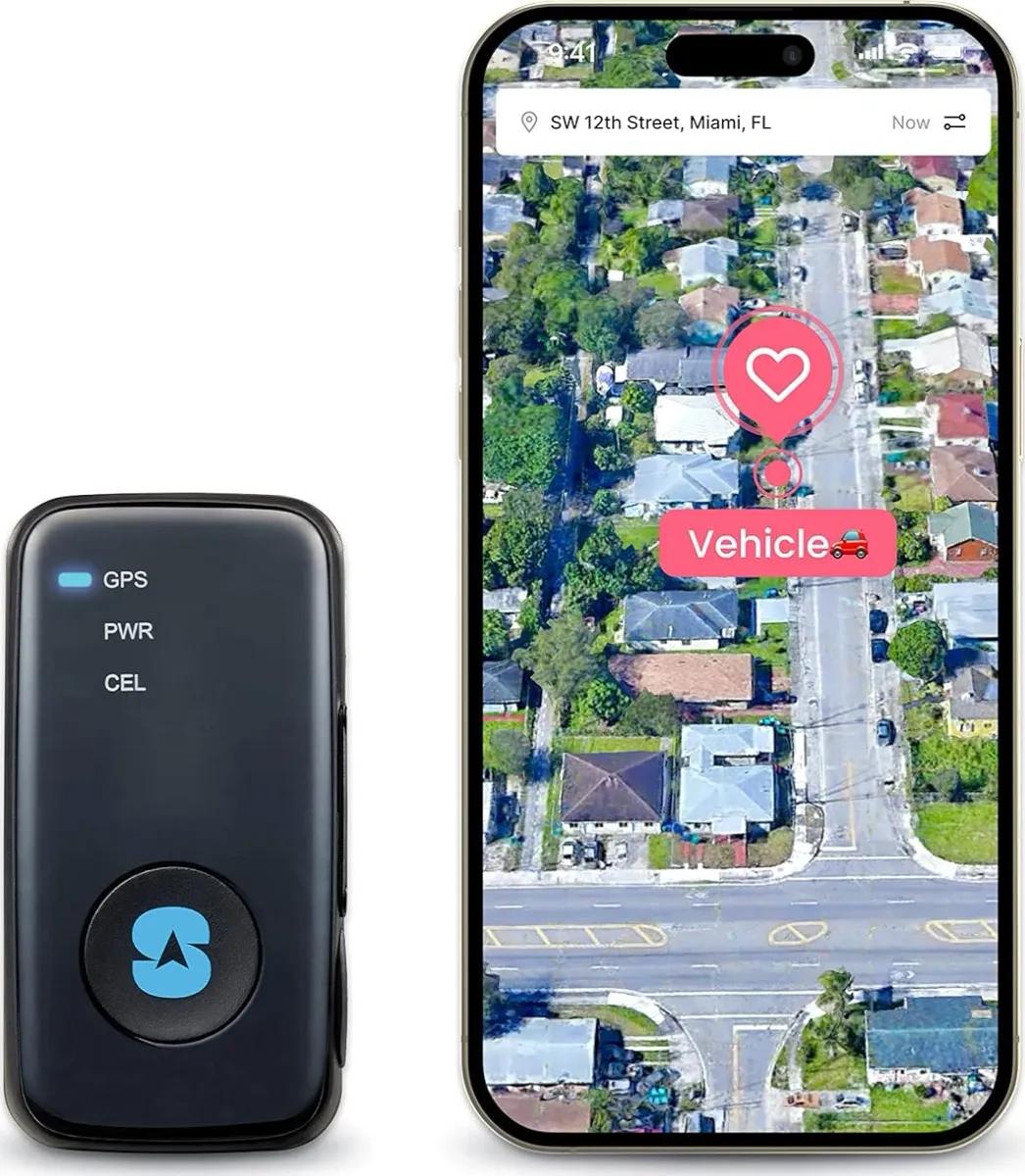
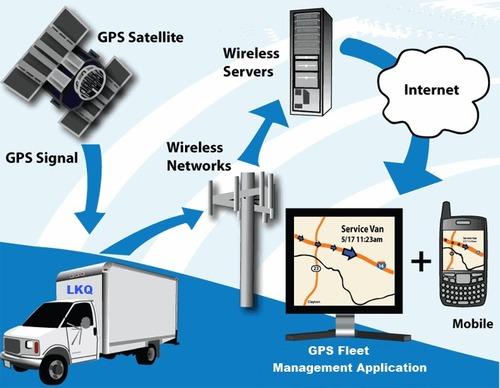
A vehicle tracking system uses a GPS-enabled device installed in a vehicle to determine its location.
The device sends location information to a software platform where authorized users can monitor vehicles.
Depending on the solution, businesses can access information such as:
- Real-time vehicle location
- Speed
- Route history
- Distance traveled
- Stops
- Geofence activity
- Driving behavior
- Vehicle utilization
- Maintenance information
Advanced solutions can also integrate fuel and temperature sensors.
Why Businesses in Qatar Need Vehicle Tracking
Fleet operators in Qatar may face several transportation challenges, including:
- Traffic congestion
- Fuel expenses
- Large operating areas
- Delivery scheduling
- Driver management
- Vehicle maintenance
- Unauthorized vehicle use
A GPS tracking system can provide the visibility required to manage these challenges more effectively.
1. Real-Time Vehicle Tracking in Qatar
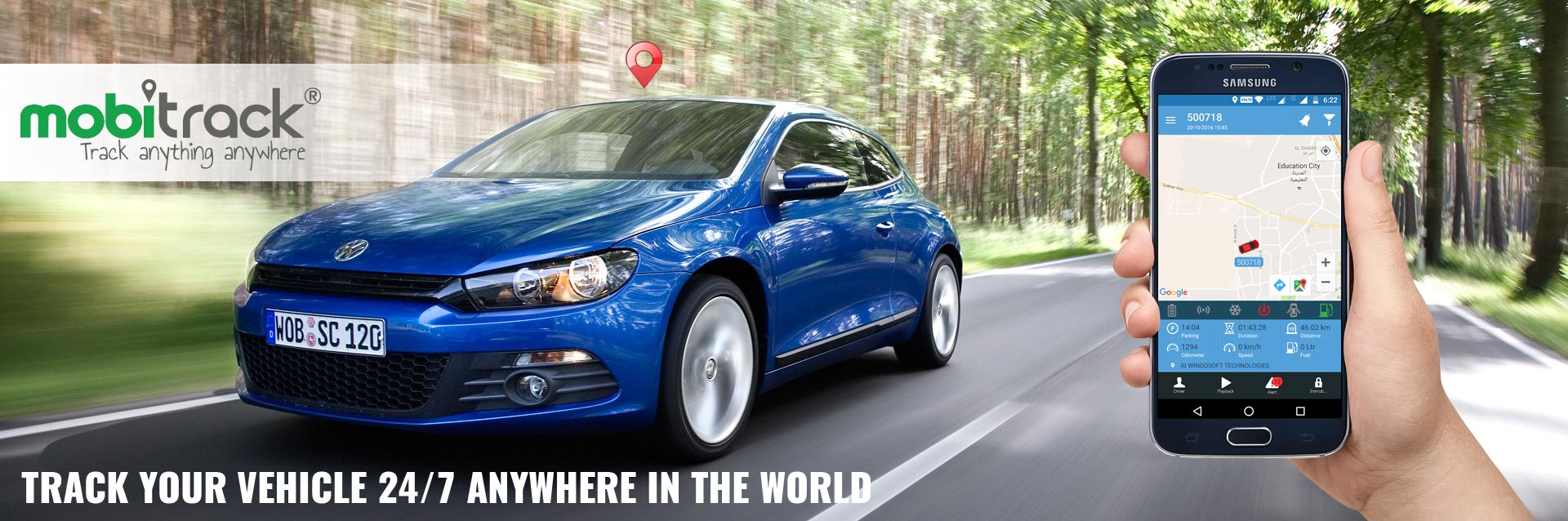
A GPS Tracker allows fleet managers to see vehicle locations remotely.
Instead of depending entirely on phone calls with drivers, managers can use a centralized dashboard to determine where vehicles are.
This can be particularly useful for:
- Delivery fleets
- Logistics companies
- Construction businesses
- Service companies
- Transportation operators
2. Improve Route Planning
Efficient routes can help businesses save time and reduce unnecessary mileage.
A Vehicle Tracking System records route information that managers can analyze.
They can identify:
- Frequently used routes
- Long travel times
- Unnecessary detours
- Extended stops
- Repeated delays
This information can support more effective route planning.
3. Reduce Fuel Consumption
Fuel is an important operating expense for many commercial fleets.
GPS tracking can help businesses identify behaviors and activities associated with unnecessary fuel use.
Examples include:
- Excessive idling
- Unnecessary trips
- Route deviations
- Aggressive driving
- Unauthorized vehicle use
A compatible Fuel Sensor can provide additional information about fuel levels and fuel activity.
4. Monitor Driver Behavior
Fleet managers can use GPS tracking data to monitor selected driving behaviors.
Depending on the system, reports may include:
- Speeding
- Harsh braking
- Rapid acceleration
- Excessive idling
- Route deviations
The data can be used to support driver training and fleet safety programs.
5. Improve Delivery Management
Delivery businesses need to know where their vehicles are throughout the working day.
GPS tracking can help dispatchers monitor:
- Vehicle availability
- Current location
- Delivery progress
- Route status
- Estimated arrival
This can improve communication between dispatchers, drivers, and customers.
6. Geofencing for Qatar Fleets
Geofencing allows businesses to create virtual boundaries around selected locations.
Businesses can establish geofences around:
- Warehouses
- Offices
- Construction sites
- Customer locations
- Depots
- Delivery areas
Alerts can be generated when vehicles enter or leave these defined areas.
7. Monitor Construction Vehicles
Construction companies may operate trucks and heavy equipment across multiple project sites.
A GPS Device can help businesses monitor the location of:
- Trucks
- Excavators
- Loaders
- Service vehicles
- Other compatible equipment
Geofencing can also help managers monitor whether equipment remains within designated areas.
8. Improve Fleet Utilization
Businesses need to know how efficiently their vehicles are being used.
A Fleet Management System can provide information about:
- Vehicle mileage
- Number of trips
- Operating hours
- Idle time
- Vehicle availability
Managers can use this information to distribute work more effectively.
9. Support Vehicle Maintenance
Regular maintenance is important for commercial fleets.
A tracking platform can help businesses monitor:
- Mileage
- Engine hours
- Service intervals
- Maintenance schedules
This can make preventive maintenance easier to organize and help reduce unexpected vehicle downtime.
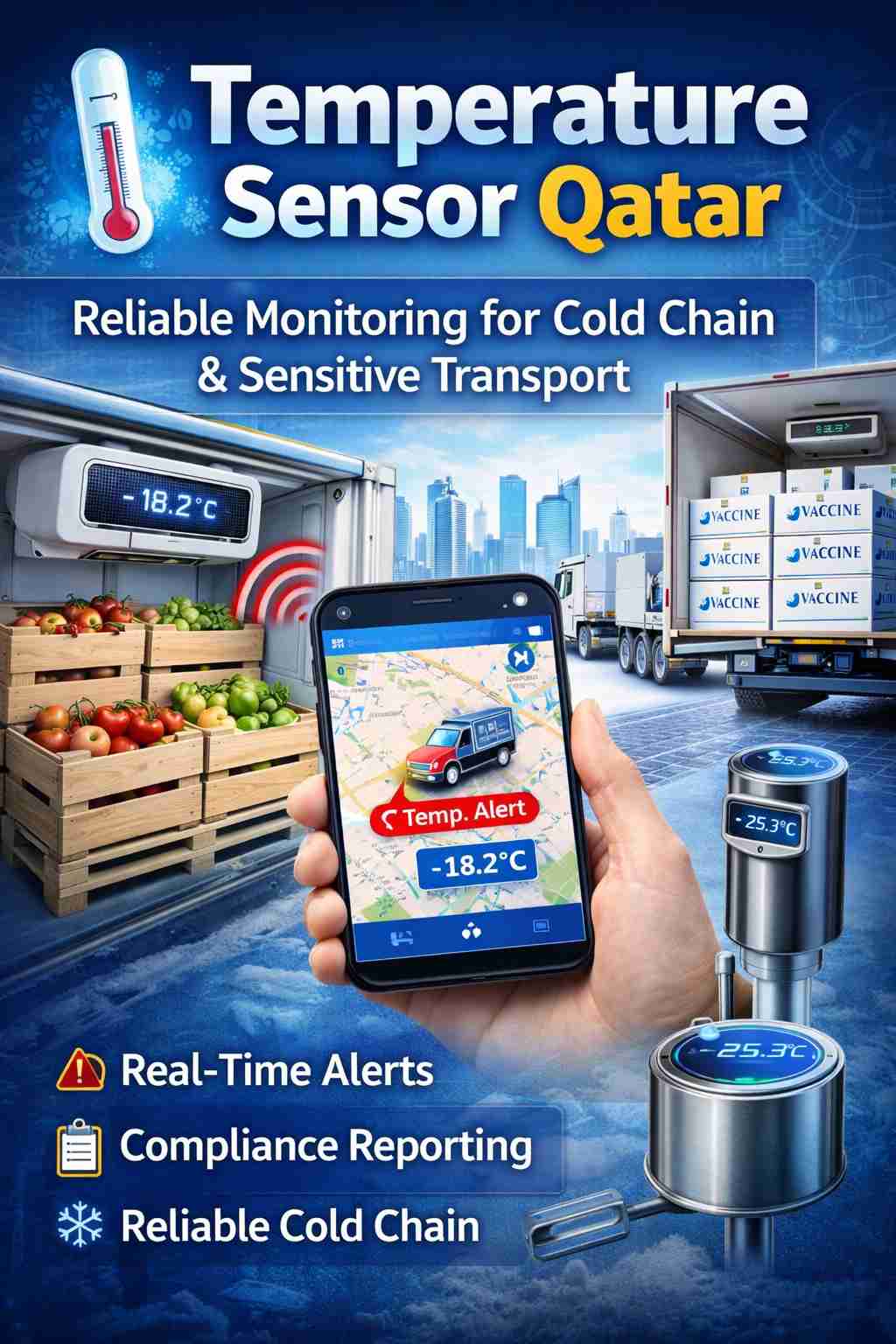
10. Monitor Temperature-Sensitive Cargo
Some businesses in Qatar transport products that require controlled temperatures.
Examples may include:
- Food
- Frozen products
- Dairy
- Pharmaceuticals
- Medical supplies
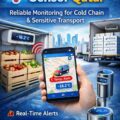
A Temperature Sensor can be integrated with a GPS tracking platform to monitor cargo conditions.
If temperatures move outside configured limits, authorized users can receive alerts.
GPS Tracking Applications in Qatar
Logistics Companies
Track trucks and improve delivery coordination.
Courier Companies
Monitor delivery vehicles and optimize routes.
Construction Companies
Track vehicles and equipment across project locations.
Transportation Businesses
Monitor commercial vehicles and improve fleet utilization.
Service Companies
Track technicians and service vehicles between customer locations.
Food Distribution
Monitor delivery vehicles and temperature-sensitive products.
Choosing a Vehicle Tracker in Qatar
Businesses should consider several factors before selecting a tracking solution.
GPS Hardware
Make sure the device is compatible with the vehicle.
Connectivity
Confirm that the tracking device supports reliable communication in the areas where vehicles operate.
Software Platform
The dashboard should provide clear vehicle information and useful reports.
Mobile Access
A mobile application can be useful for managers who need to monitor vehicles remotely.
Alerts
Look for configurable alerts for speeding, geofencing, movement, and other important events.
Sensors
Businesses transporting fuel-intensive or temperature-sensitive products may benefit from fuel and temperature sensor integration.
Wired vs Battery-Powered GPS Trackers
Wired GPS Tracker
A wired device connects to the vehicle’s electrical system.
Benefits
- Continuous power
- Suitable for permanent installation
- Appropriate for commercial fleets
Battery-Powered GPS Tracker
A battery-powered tracker operates independently of the vehicle’s electrical system.
Benefits
- Flexible installation
- Portable
- Suitable for temporary tracking applications
Battery life depends on device specifications and tracking frequency.
How GPS Tracking Helps Qatar Businesses Control Costs
Fleet costs can come from several areas.
GPS tracking can help businesses identify potential savings related to:
Fuel
Identify excessive idling and unnecessary mileage.
Maintenance
Use mileage and operating information to support preventive maintenance.
Vehicle Utilization
Identify underused vehicles.
Driver Efficiency
Review driving patterns and route adherence.
Route Management
Reduce unnecessary travel.
A tracking system does not automatically reduce costs, but it provides the information businesses need to identify and address inefficiencies.
Fleet Security and Vehicle Tracking
Vehicle tracking can also provide an additional layer of operational security.
Businesses can configure alerts for:
- Unexpected vehicle movement
- After-hours activity
- Geofence violations
- Unusual route deviations
Historical route information can also help businesses investigate unexpected vehicle activity.
GPS tracking should complement other security measures rather than replace them.
Privacy and Responsible Tracking
Businesses should establish clear policies regarding vehicle and driver monitoring.
Policies should explain:
- What information is collected
- Why tracking is used
- Who can access the data
- How information is stored
- How long information is retained
Companies should ensure that their tracking practices comply with applicable laws and employment requirements.
Common GPS Tracking Mistakes
Businesses should avoid:
- Selecting hardware without checking compatibility
- Choosing a system based only on price
- Ignoring software quality
- Failing to configure important alerts
- Not training fleet managers
- Installing devices incorrectly
- Collecting data without reviewing reports
The effectiveness of GPS tracking depends on both technology and how the business uses the information.
Frequently Asked Questions
What is a vehicle tracker in Qatar?
A vehicle tracker is a GPS-enabled device that allows businesses to monitor the location and movement of vehicles.
Can GPS tracking reduce fuel costs?
It can help identify excessive idling, unnecessary travel, and inefficient routes that may contribute to higher fuel consumption.
Can businesses track multiple vehicles?
Yes. Fleet management platforms can monitor multiple GPS-equipped vehicles through a centralized dashboard.
Can a GPS tracker monitor driver behavior?
Compatible systems can provide information about speeding, harsh braking, acceleration, idling, and other driving events.
Can GPS tracking work with temperature sensors?
Yes. Compatible platforms can integrate GPS tracking with temperature sensors for refrigerated and temperature-sensitive transportation.
Future of Vehicle Tracking in Qatar
Fleet technology continues to develop through:
- IoT sensors
- Artificial Intelligence
- Predictive maintenance
- Advanced analytics
- Automated route optimization
- Connected vehicle technology
These technologies can help businesses build more efficient and data-driven transportation operations.
Conclusion
A Vehicle Tracking System in Qatar can provide businesses with valuable visibility into their commercial fleets. Real-time GPS tracking, route history, driver monitoring, geofencing, fuel management, and maintenance information can help businesses improve operational efficiency.
For logistics, construction, delivery, transportation, and service companies, a reliable Vehicle Tracker can become an important tool for managing vehicles and controlling operating costs.
The best tracking solution is one that matches the company’s fleet size, vehicle types, operating requirements, software needs, and future growth.































No Comments