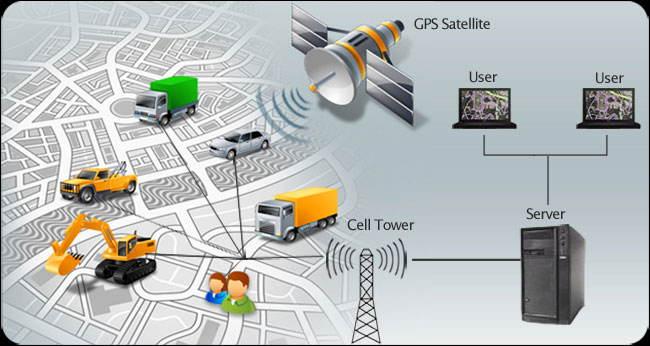


For businesses that rely on transportation, logistics, delivery services, or field operations, controlling costs is a constant challenge. Fuel expenses, maintenance costs, driver inefficiencies, and vehicle downtime can quickly impact profitability. A modern fleet management system provides the tools businesses need to monitor operations, optimize resources, and significantly reduce operational expenses.
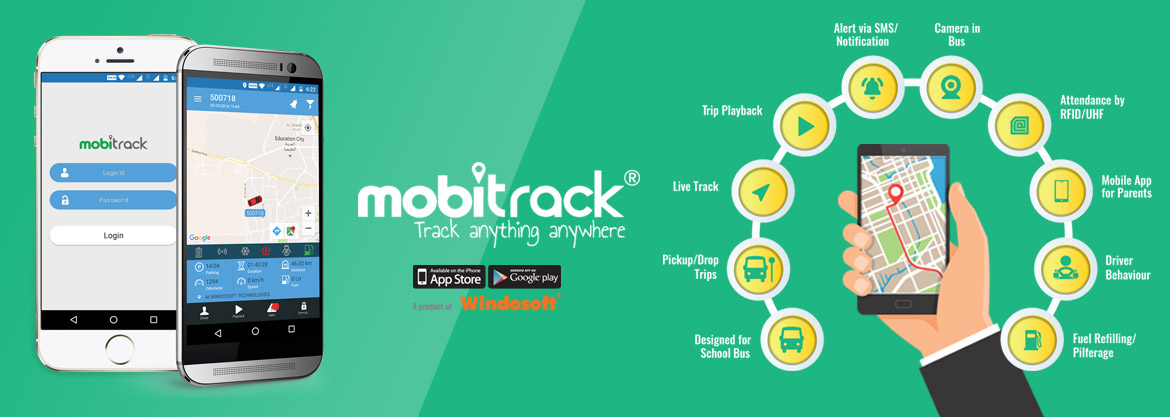
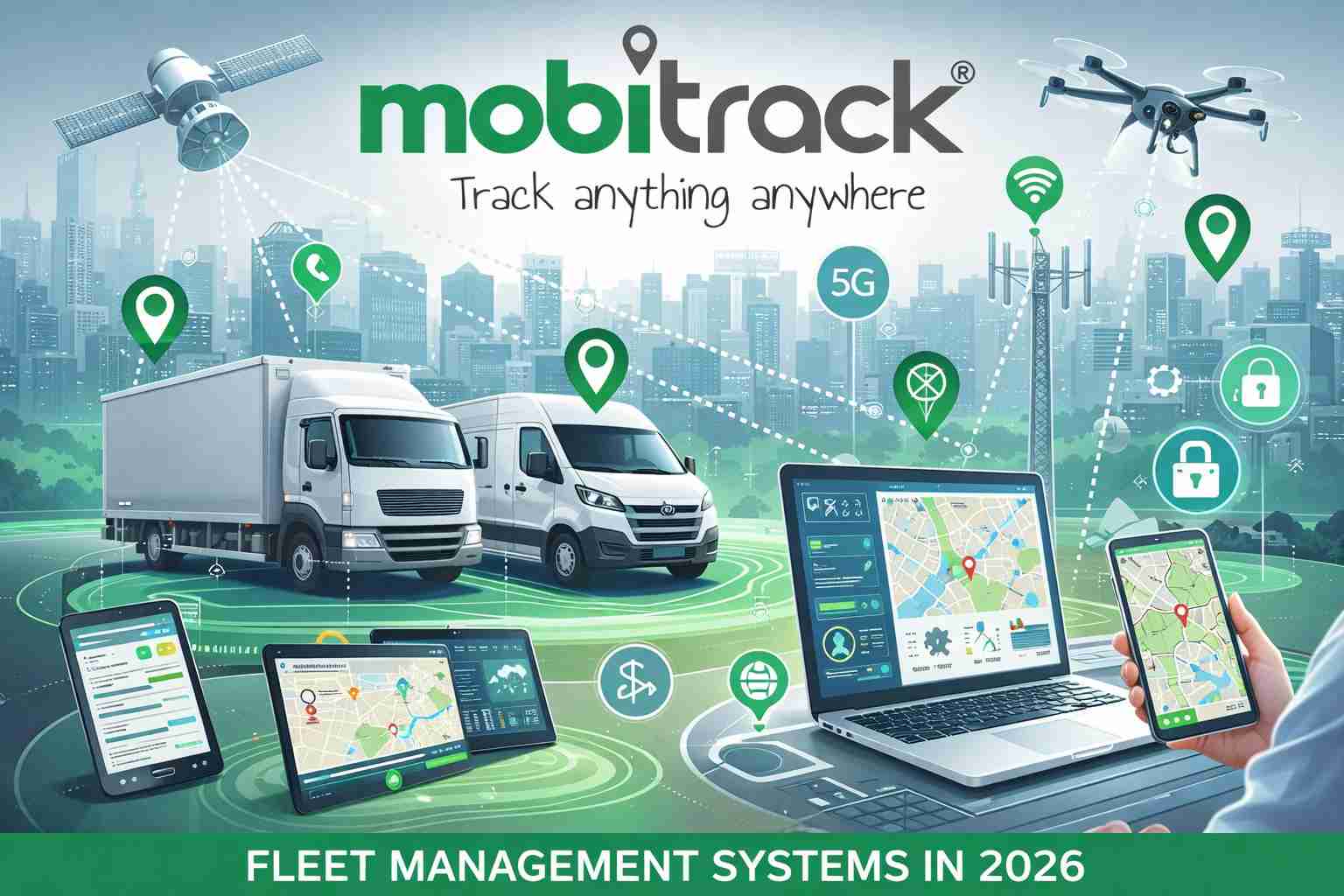
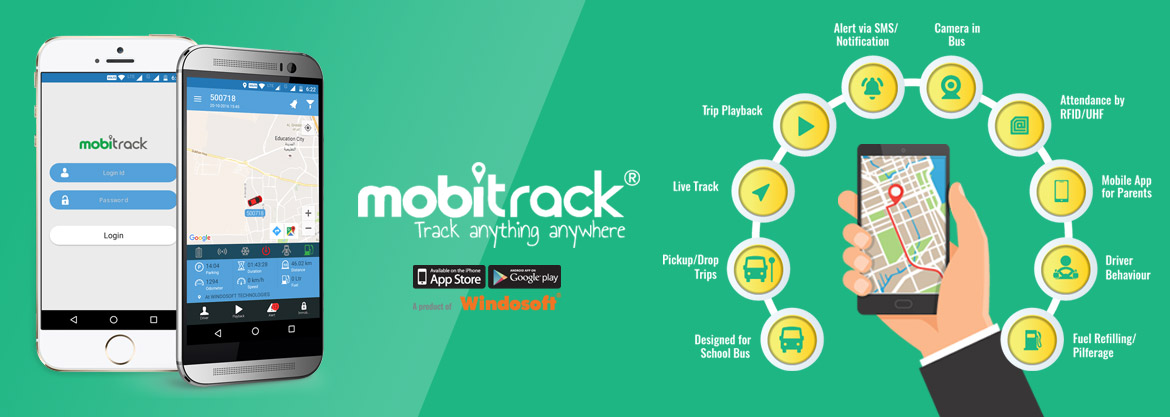
Today’s fleet management solutions go beyond basic vehicle tracking. They combine GPS technology, telematics, analytics, automation, and reporting tools to help businesses make smarter decisions. At Mobitrack, we help organizations leverage advanced fleet management technology to improve efficiency, reduce costs, and maximize fleet performance.
This guide explores the best fleet management practices that can help businesses lower operating costs while maintaining high levels of productivity and customer service.
Understanding Fleet Management Systems
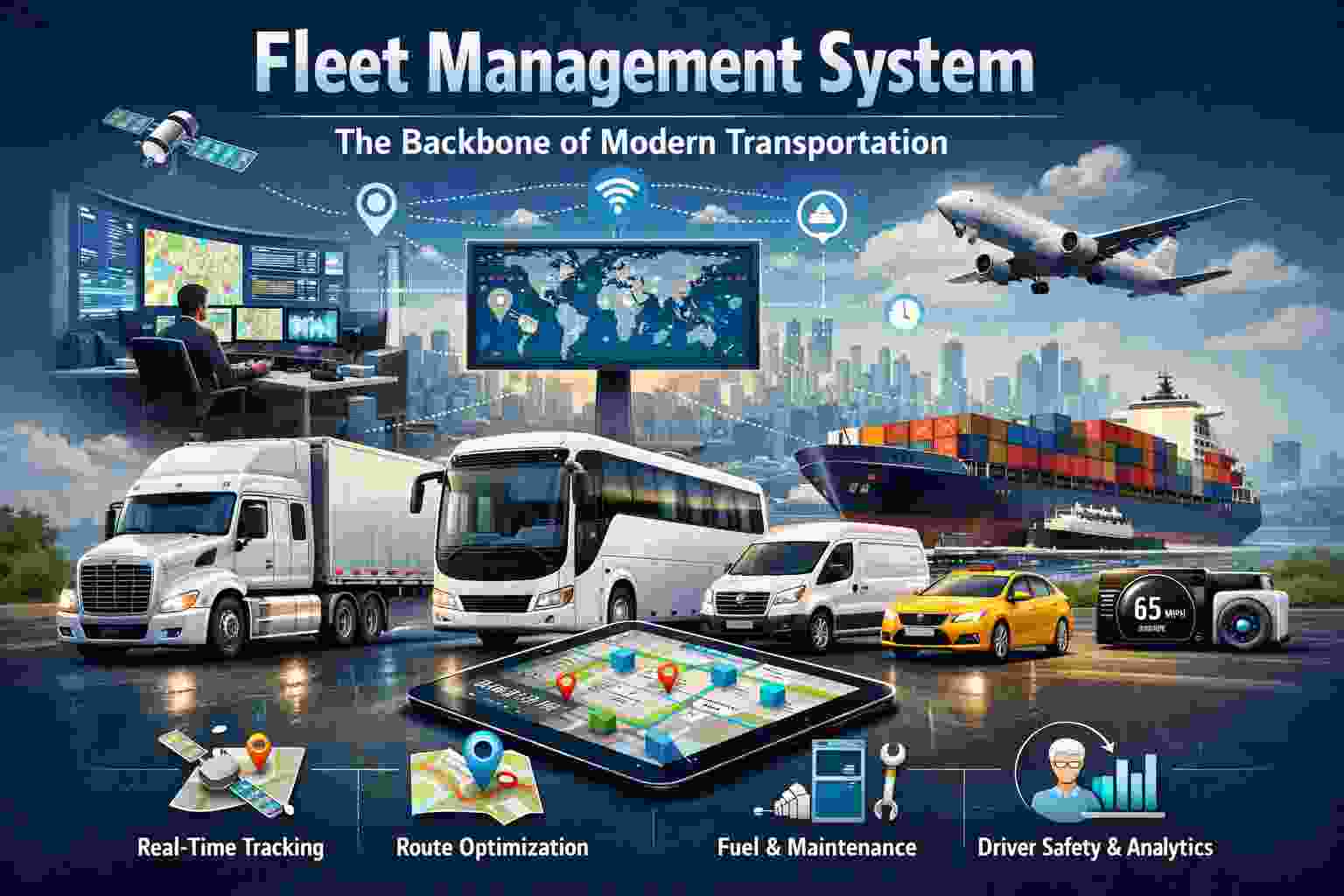
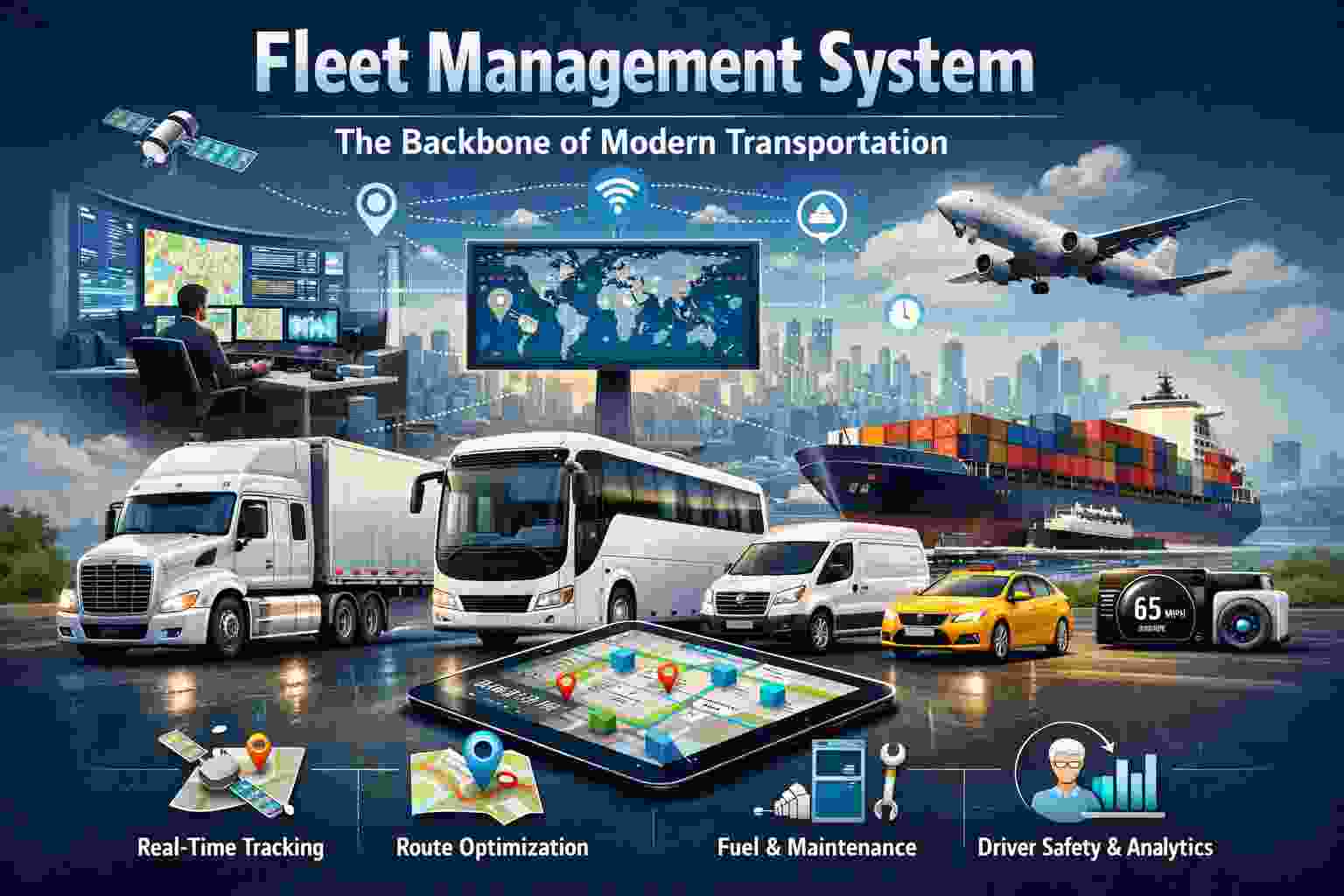
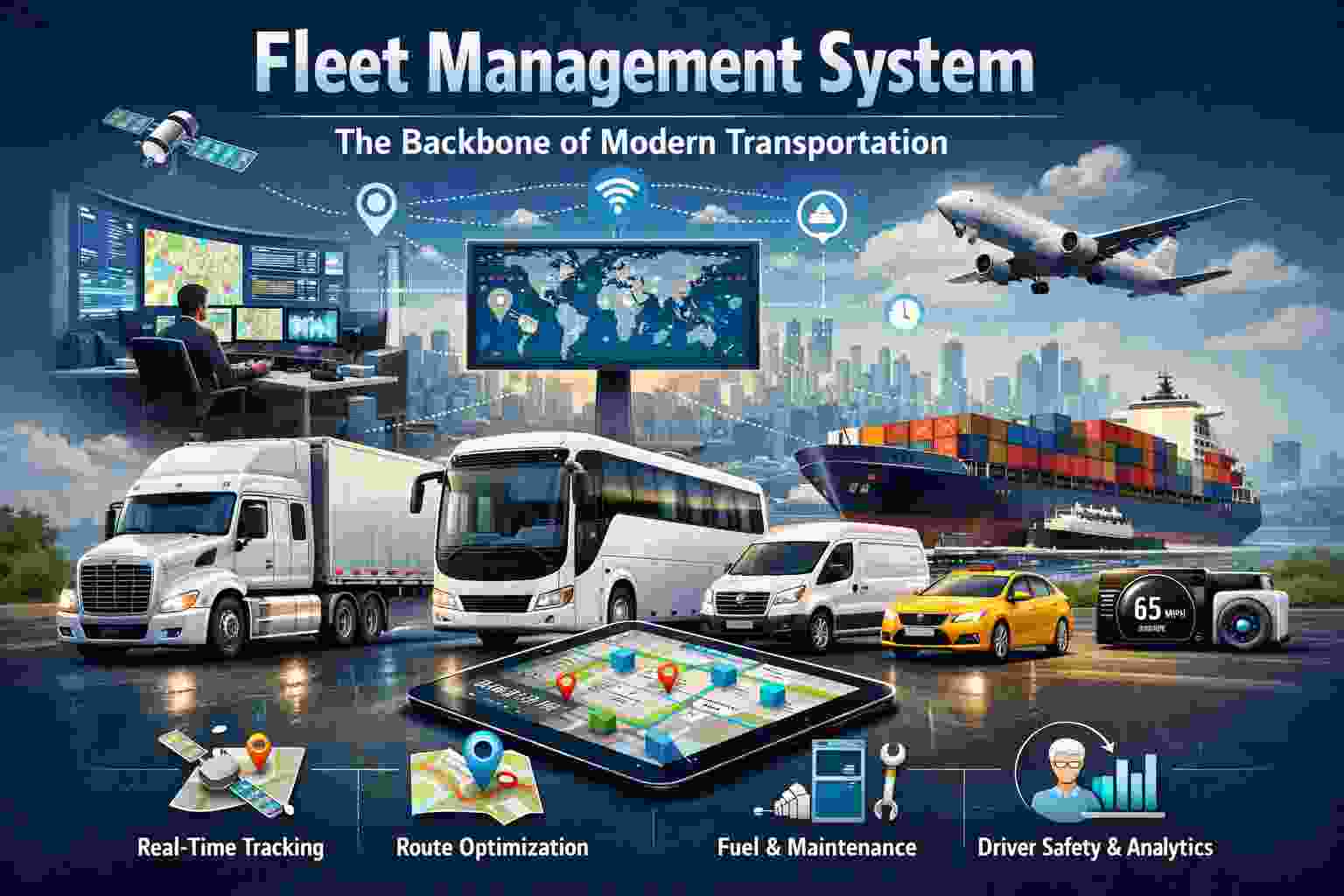
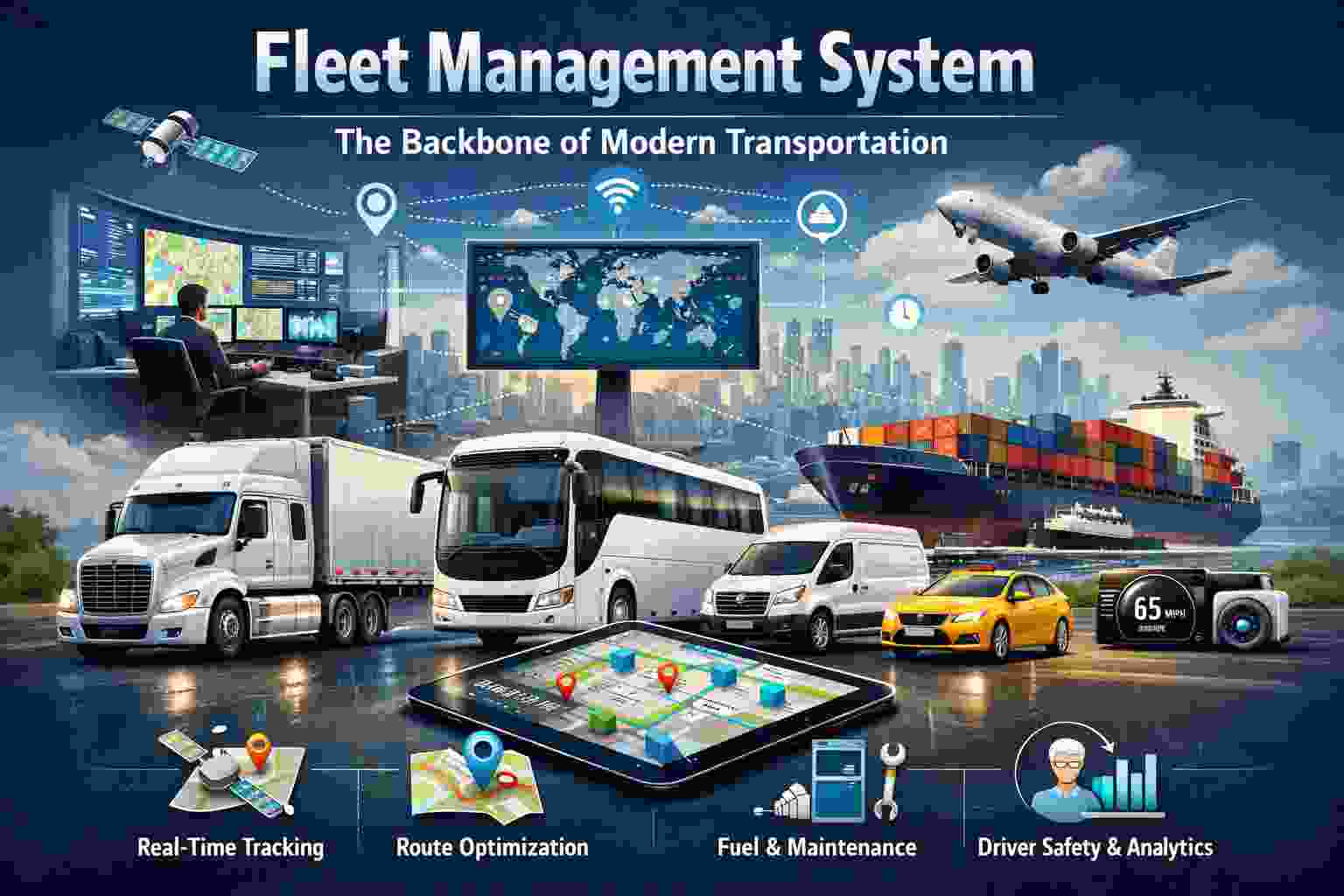
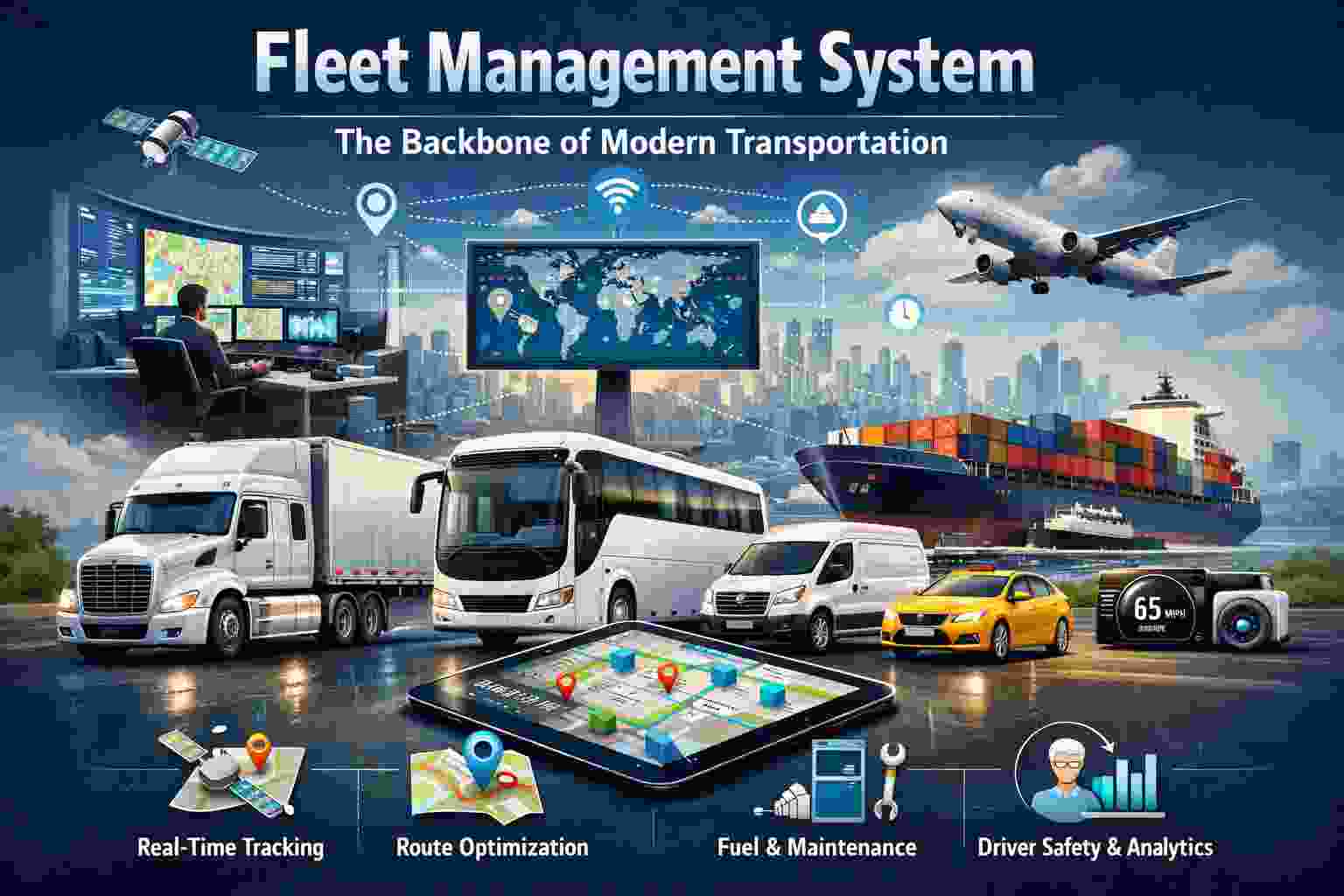
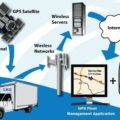
A fleet management system is a centralized platform used to monitor, manage, and optimize vehicle operations.
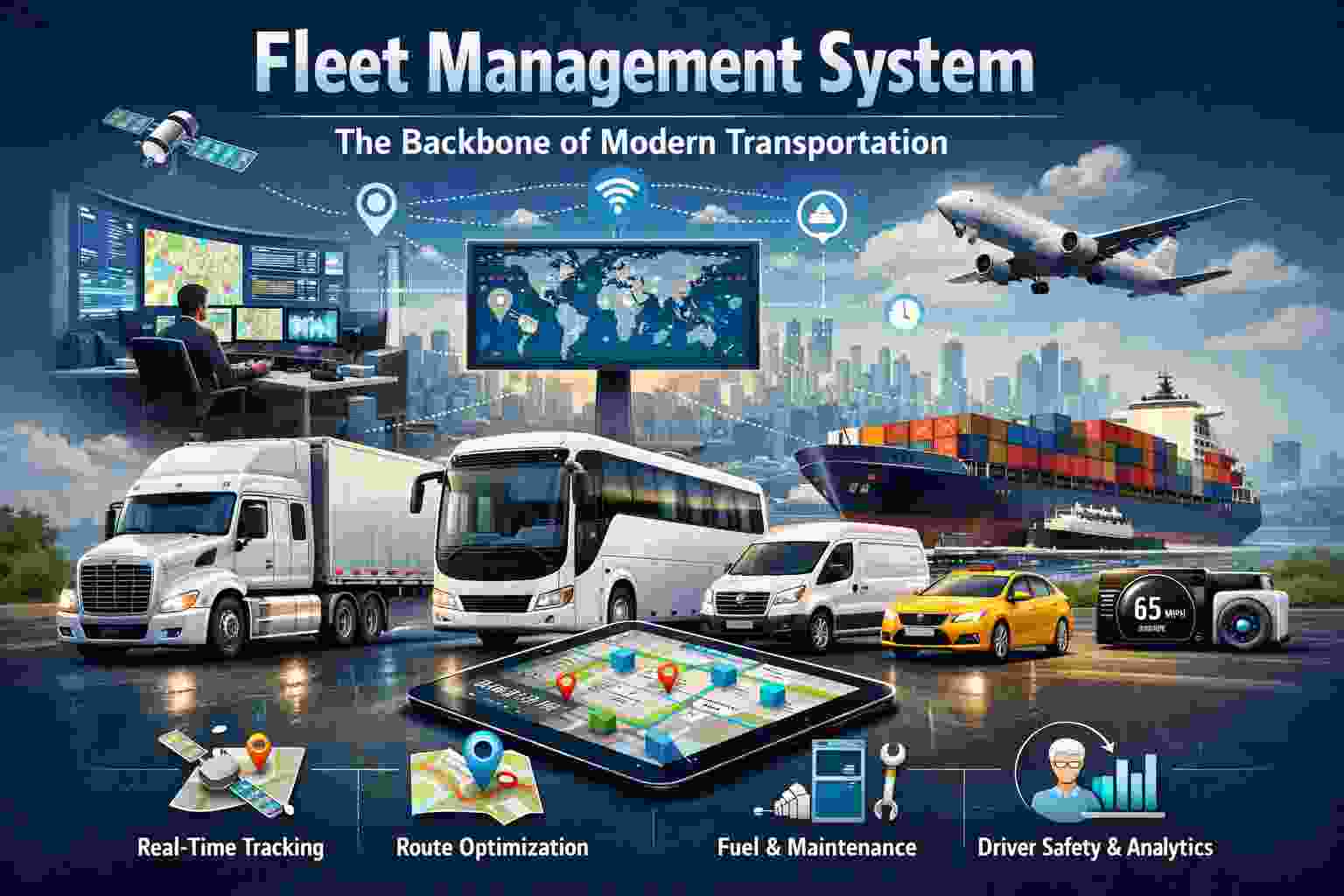
The system typically provides:
- Real-time vehicle tracking
- Driver behavior monitoring
- Fuel management
- Route optimization
- Maintenance scheduling
- Asset utilization reports
- Operational analytics
By consolidating this information into a single platform, businesses gain greater visibility and control over their fleet activities.
Why Operational Costs Continue to Rise
Fleet operators face numerous cost challenges, including:
- Increasing fuel prices
- Vehicle maintenance expenses
- Driver-related costs
- Insurance premiums
- Vehicle downtime
- Administrative overhead
Without proper monitoring and management, these expenses can significantly reduce profitability.
A fleet management system helps identify inefficiencies and provides opportunities for continuous improvement.
Practice 1: Use Real-Time Vehicle Tracking
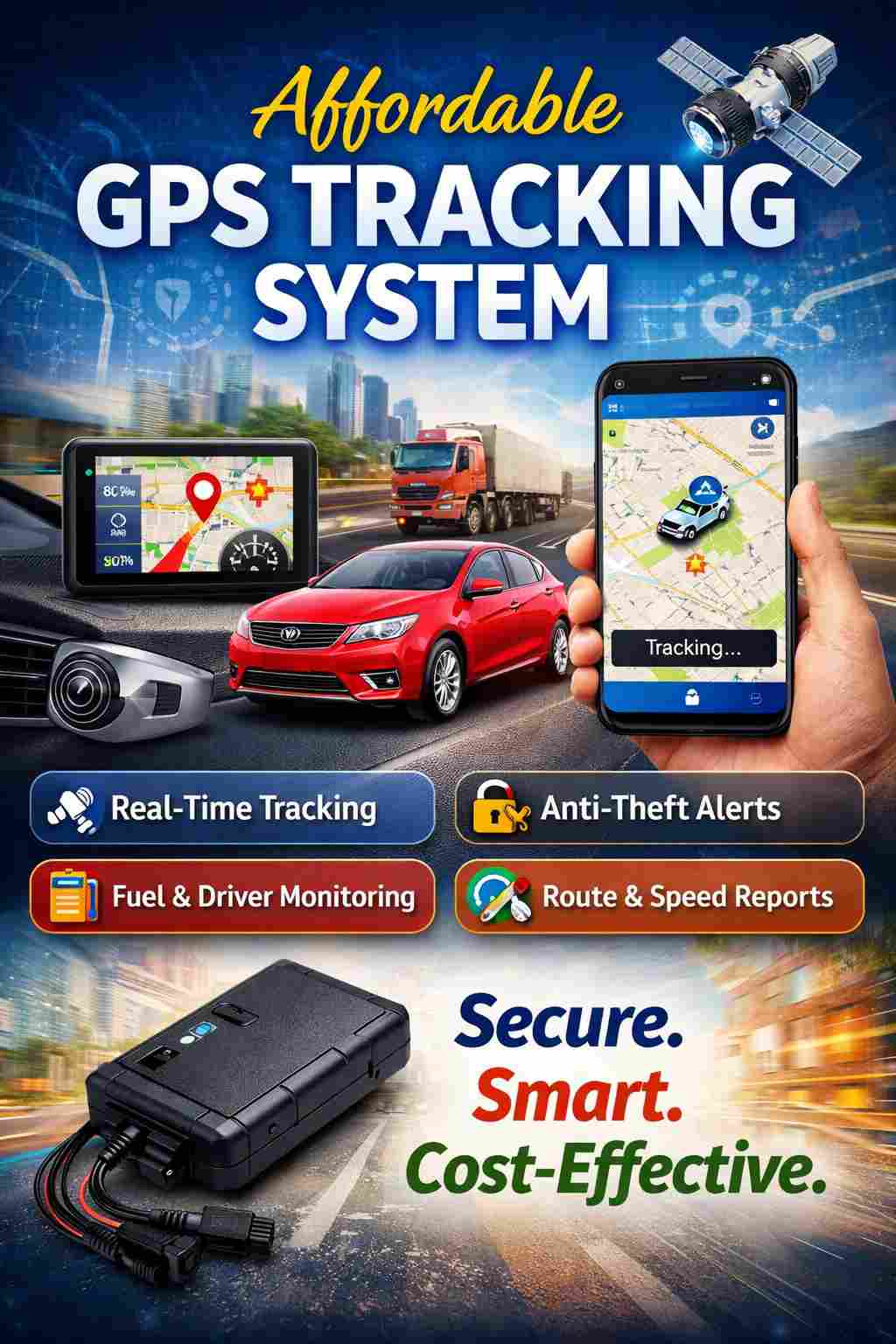
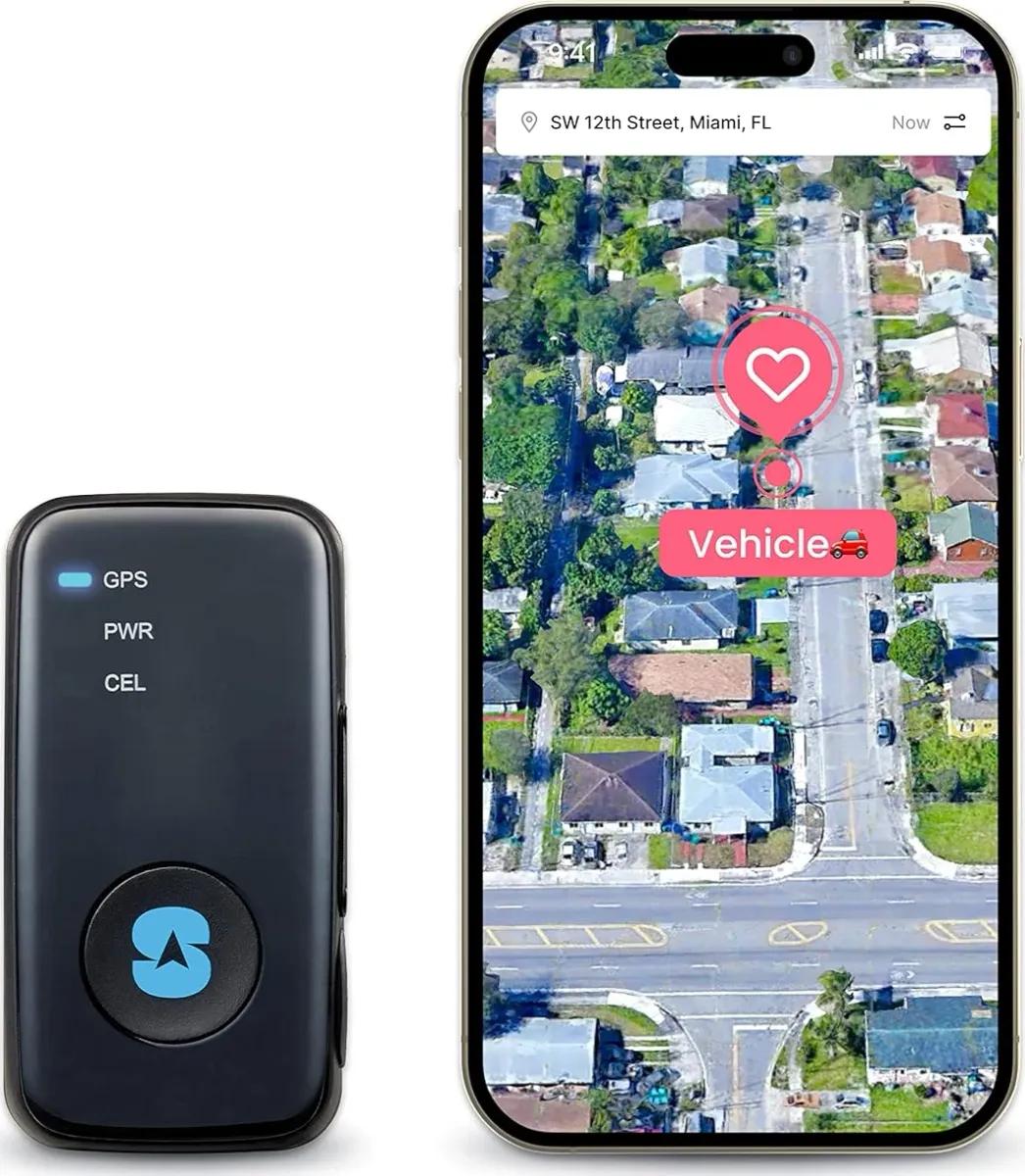
Real-time GPS tracking is one of the most effective tools for reducing operational costs.
Fleet managers can instantly monitor:
- Vehicle locations
- Active routes
- Driver activity
- Delivery progress
Cost-Saving Benefits
- Improved dispatch efficiency
- Reduced unnecessary mileage
- Better resource allocation
- Faster response times
Real-time visibility helps businesses operate more efficiently while reducing wasted time and fuel.
Practice 2: Optimize Routes Continuously
Poor route planning often results in higher fuel consumption and longer travel times.
Fleet management systems use GPS data to identify:
- Shorter routes
- Traffic congestion
- Delivery bottlenecks
- Inefficient travel patterns
Benefits
- Lower fuel expenses
- Faster deliveries
- Increased productivity
- Reduced vehicle wear
Route optimization is one of the quickest ways to improve fleet efficiency.
Practice 3: Monitor Driver Behavior
Driver habits directly impact fleet costs.
Modern fleet management systems track behaviors such as:
- Speeding
- Harsh braking
- Rapid acceleration
- Excessive idling
Cost Reduction Benefits
- Lower fuel consumption
- Reduced accident risks
- Decreased maintenance costs
- Extended vehicle lifespan
By coaching drivers and encouraging safe driving habits, businesses can achieve significant savings.
Practice 4: Reduce Fuel Consumption
Fuel is often the largest operating expense for fleet-based businesses.
Fleet management systems help reduce fuel costs by monitoring:
Idle Time
Excessive idling wastes fuel without adding productivity.
Route Efficiency
Optimized routes reduce unnecessary mileage.
Driver Performance
Efficient driving habits improve fuel economy.
Unauthorized Vehicle Usage
Tracking systems help eliminate non-business vehicle trips.
Even small improvements in fuel efficiency can generate substantial annual savings.
Practice 5: Implement Preventive Maintenance
Unexpected breakdowns can lead to expensive repairs and operational disruptions.
A fleet management system helps schedule preventive maintenance based on:
- Mileage
- Engine hours
- Service intervals
- Vehicle diagnostics
Benefits
- Reduced downtime
- Lower repair costs
- Improved reliability
- Longer vehicle lifespan
Preventive maintenance is significantly less expensive than emergency repairs.
Practice 6: Improve Vehicle Utilization
Many fleets contain underutilized vehicles that increase operating costs without generating value.
Fleet management software helps identify:
- Idle assets
- Underused vehicles
- Inefficient scheduling
- Resource imbalances
Results
- Better asset utilization
- Reduced fleet size requirements
- Higher productivity
- Improved return on investment
Understanding vehicle utilization helps businesses maximize fleet efficiency.
Practice 7: Automate Fleet Reporting
Manual reporting processes consume valuable time and resources.
Fleet management systems automatically generate reports covering:
- Fuel usage
- Driver performance
- Vehicle activity
- Maintenance schedules
- Route efficiency
Benefits
- Reduced administrative workload
- Faster decision-making
- Improved accuracy
- Better operational visibility
Automation allows managers to focus on strategic improvements rather than data collection.
Practice 8: Utilize Geofencing Technology
Geofencing creates virtual boundaries around specific locations.
Managers receive alerts when vehicles:
- Enter designated areas
- Leave approved zones
- Operate outside assigned regions
Cost-Saving Benefits
- Reduced unauthorized vehicle use
- Better route compliance
- Improved security
- Enhanced accountability
Geofencing helps businesses maintain stronger operational control.
Practice 9: Analyze Fleet Performance Data
Successful fleet management requires continuous improvement.
Analytics tools help managers evaluate:
- Fuel efficiency
- Vehicle productivity
- Driver performance
- Maintenance trends
Benefits
- Better planning
- Identification of inefficiencies
- Improved budgeting
- Increased profitability
Data-driven decisions often produce better long-term results than assumptions.
Practice 10: Enhance Fleet Security
Vehicle theft and unauthorized usage can create significant financial losses.
Fleet management systems improve security through:
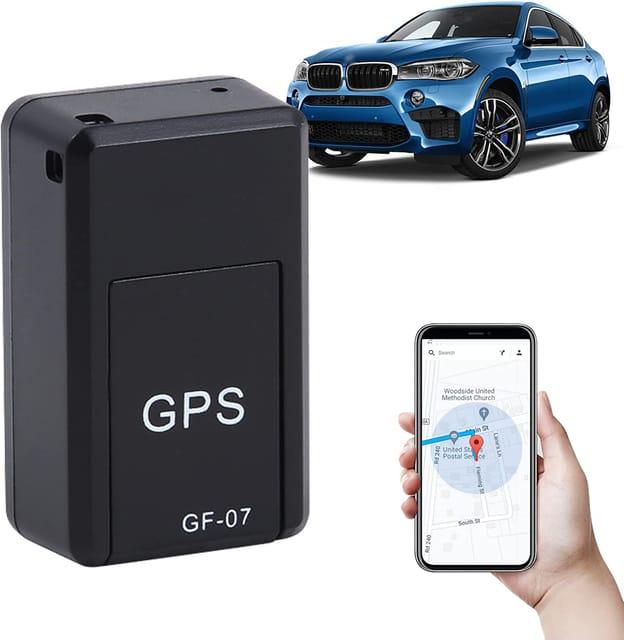
GPS Tracking
Continuous vehicle monitoring.
Theft Alerts
Immediate notifications regarding suspicious activity.
Geofencing
Automated security monitoring.
Vehicle Recovery Support
Accurate location information helps recover stolen assets.
Enhanced security reduces risks and protects business investments.
Common Cost Areas Improved by Fleet Management
Businesses often see savings across multiple operational categories.
Fuel Costs
Improved driving behavior and route optimization reduce fuel usage.
Maintenance Expenses
Preventive maintenance reduces costly breakdowns.
Labor Costs
Automation improves productivity and reduces administrative workload.
Insurance Costs
Safer driving practices may contribute to lower insurance claims.
Asset Management
Better vehicle utilization improves return on investment.
These combined savings can have a significant impact on profitability.
Industries Benefiting from Fleet Management Systems
Logistics and Transportation
Companies improve delivery efficiency and fleet visibility.
Construction
Businesses monitor vehicles and equipment across multiple sites.
Field Services
Organizations optimize technician scheduling and dispatching.
Utilities
Service providers improve resource allocation and operational control.
Government Fleets
Public organizations strengthen accountability and cost management.
Emerging Trends in Fleet Cost Management
Technology continues to create new opportunities for reducing operational expenses.
Artificial Intelligence (AI)
AI identifies inefficiencies and recommends improvements.
Predictive Maintenance
Advanced analytics forecast maintenance needs before failures occur.
Internet of Things (IoT)
Connected sensors provide deeper operational insights.
Cloud-Based Platforms
Cloud solutions improve accessibility and scalability.
Fleet Automation
Automation reduces manual processes and administrative costs.
Businesses adopting these innovations often gain a competitive advantage.
Why Choose Mobitrack Fleet Management Solutions?
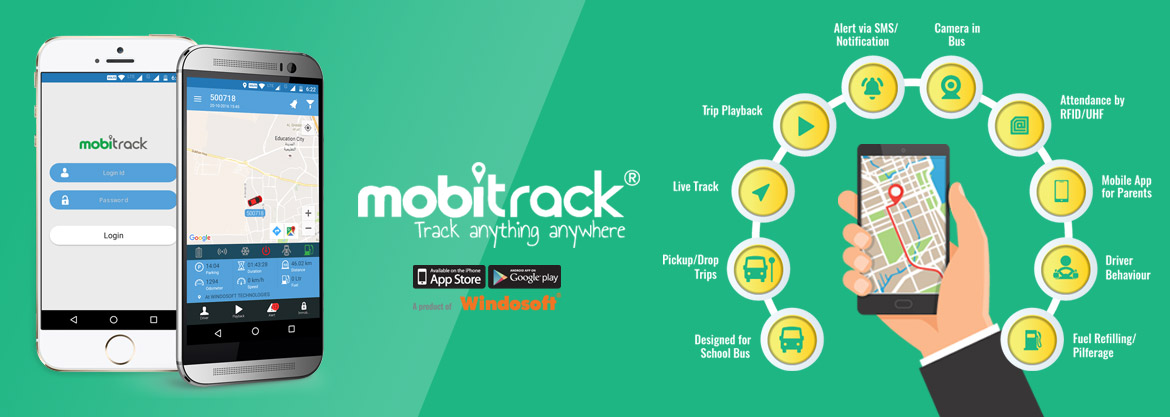
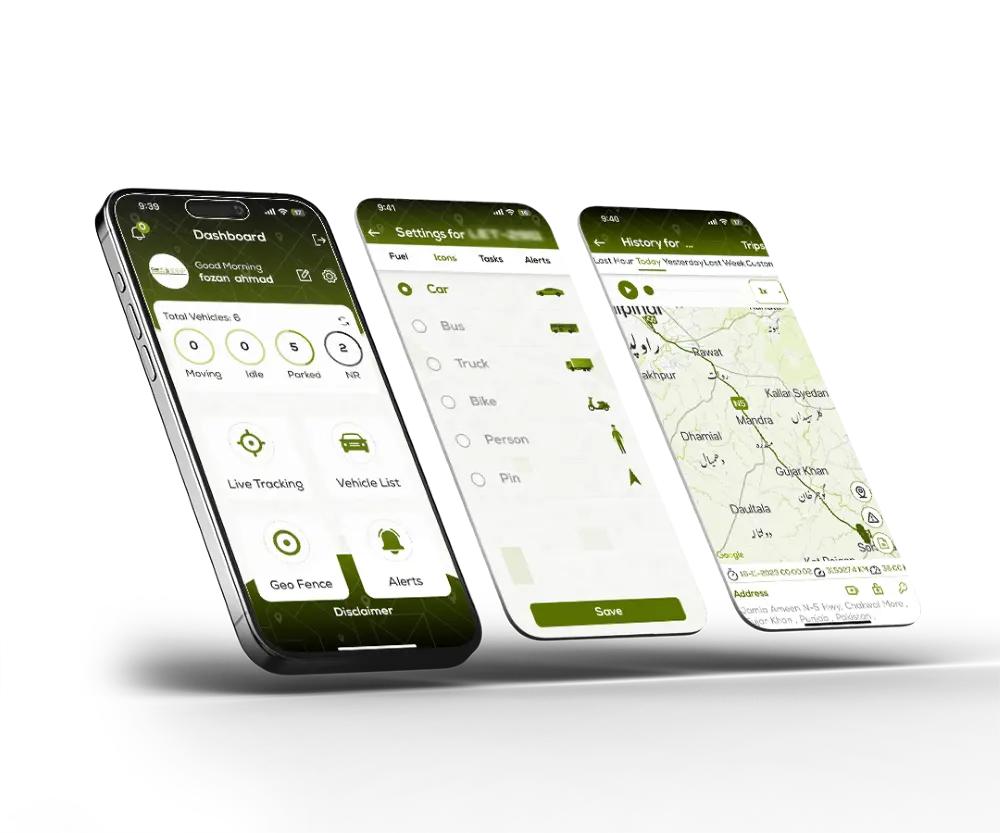
Mobitrack provides advanced fleet management technology designed to help businesses reduce costs and improve efficiency.
Our solutions include:
- Real-time GPS tracking
- Route optimization
- Driver behavior monitoring
- Fuel management tools
- Geofencing technology
- Maintenance scheduling
- Advanced reporting and analytics
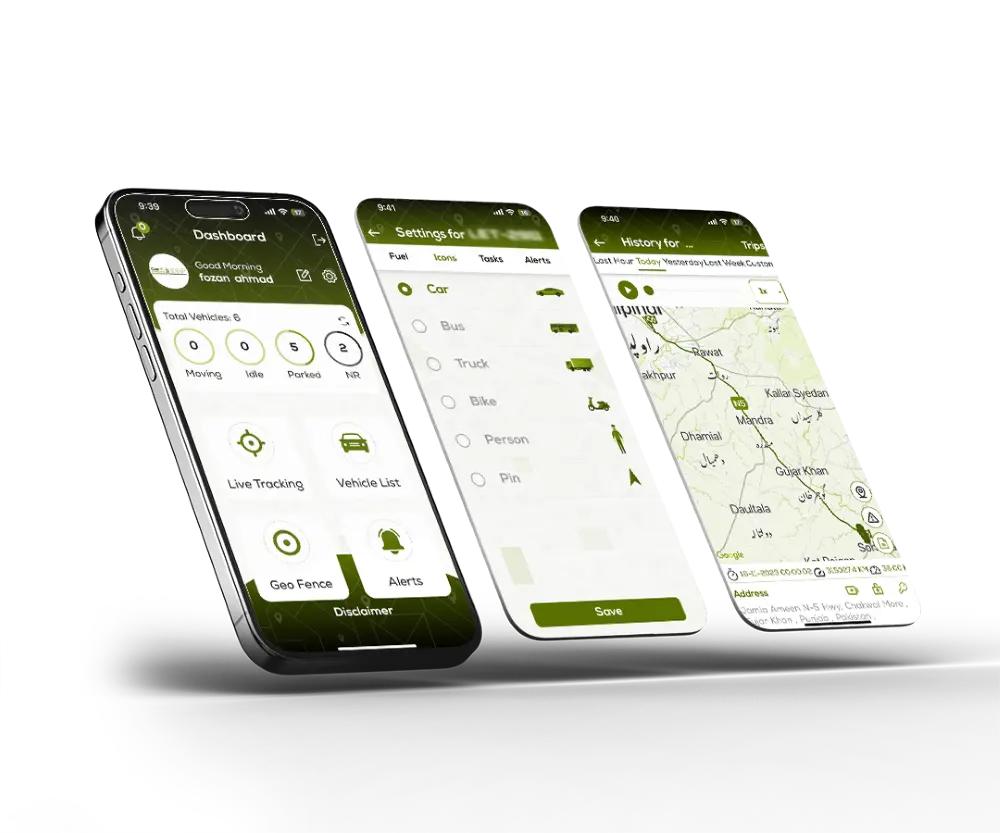
- Mobile and web-based access
These capabilities help organizations gain greater visibility and control over their fleet operations.
Best Practices for Long-Term Success
To maximize cost savings:
Establish Clear Goals
Define measurable objectives for fuel efficiency, productivity, and safety.
Monitor KPIs Regularly
Track performance indicators consistently.
Train Drivers
Promote safe and efficient driving habits.
Review Reports Frequently
Use data to identify opportunities for improvement.
Continuously Optimize Operations
Treat fleet management as an ongoing improvement process.
Conclusion
A modern fleet management system is one of the most effective tools available for reducing operational costs and improving business performance. By combining GPS tracking, route optimization, driver monitoring, maintenance management, and advanced analytics, businesses can gain complete visibility into fleet operations and identify significant cost-saving opportunities.
As competition increases and operating expenses continue to rise, organizations need smarter ways to manage transportation resources. Fleet management technology provides the visibility, automation, and intelligence required to operate more efficiently and profitably.
With comprehensive fleet management solutions and innovative tracking technology, Mobitrack helps businesses build cost-effective, productive, and future-ready fleet operations.




















No Comments