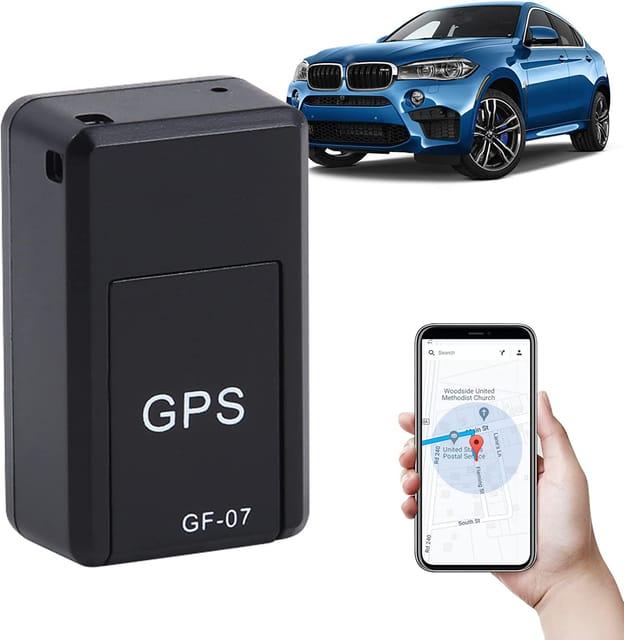


Fleet management is not only a concern for large transportation companies. Small businesses that operate even a few vehicles can face challenges involving fuel costs, vehicle maintenance, route planning, driver safety, and asset protection.
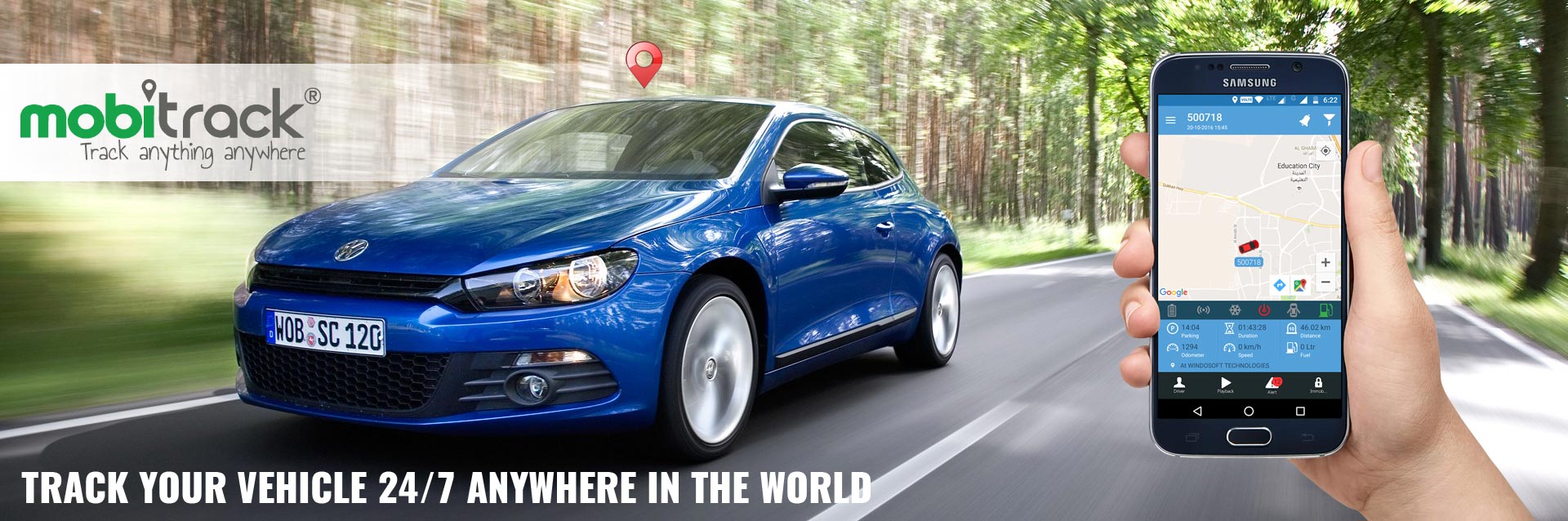
A GPS Tracker can provide small businesses with greater visibility into vehicle activity without requiring a large fleet management operation.
Whether a company operates delivery vans, service vehicles, construction trucks, or company cars, GPS tracking can provide useful information for making better operational decisions.
What Is a GPS Tracker?
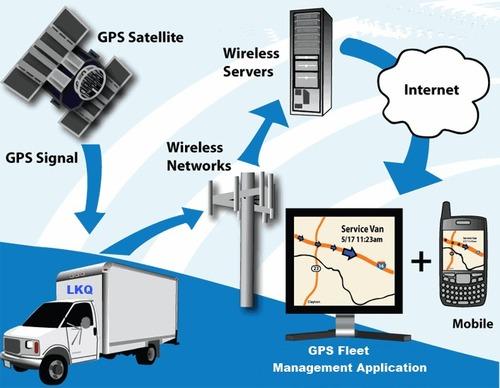
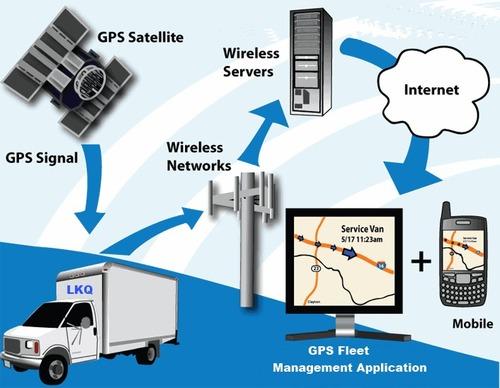
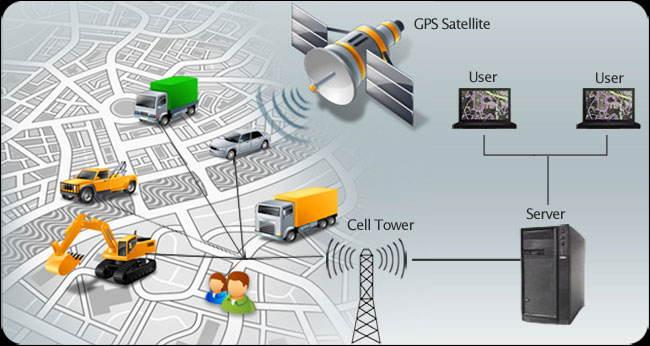
A GPS tracker is a device that uses satellite positioning technology to determine the location of a vehicle or asset.
Depending on the device and software, a business may be able to monitor:
- Current vehicle location
- Speed
- Routes
- Trip history
- Stops
- Mileage
- Geofence activity
- Driving behavior
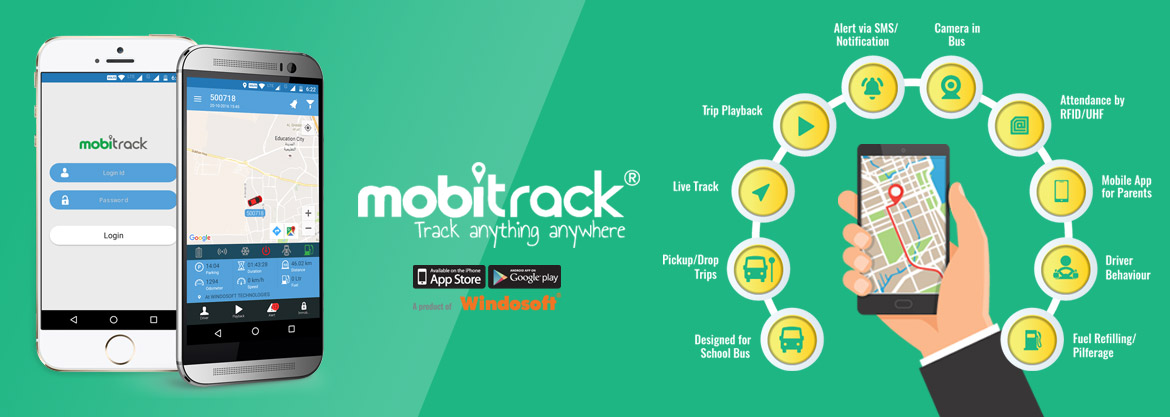
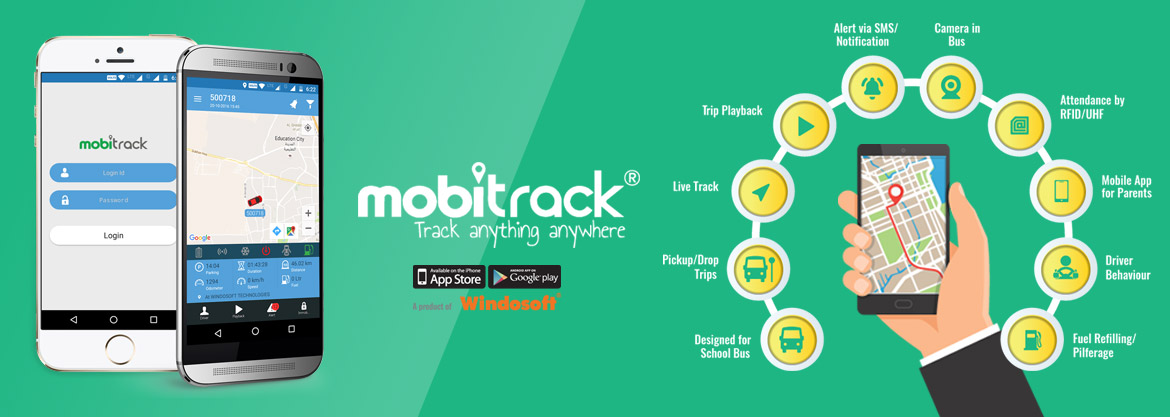
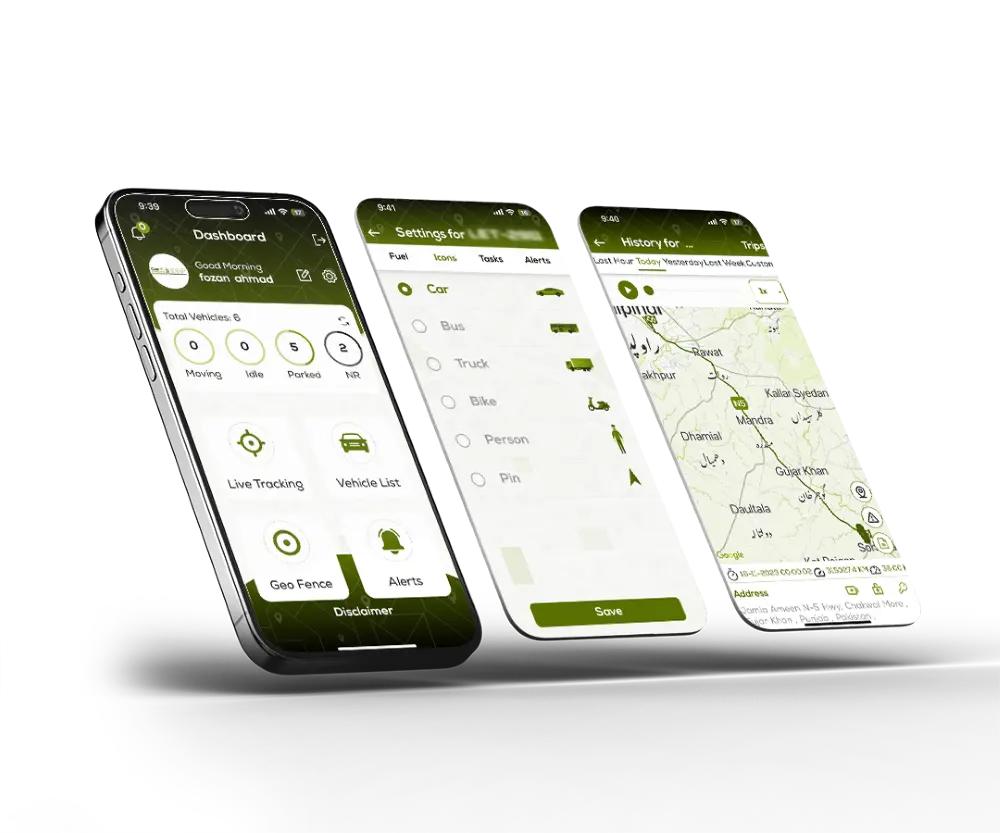
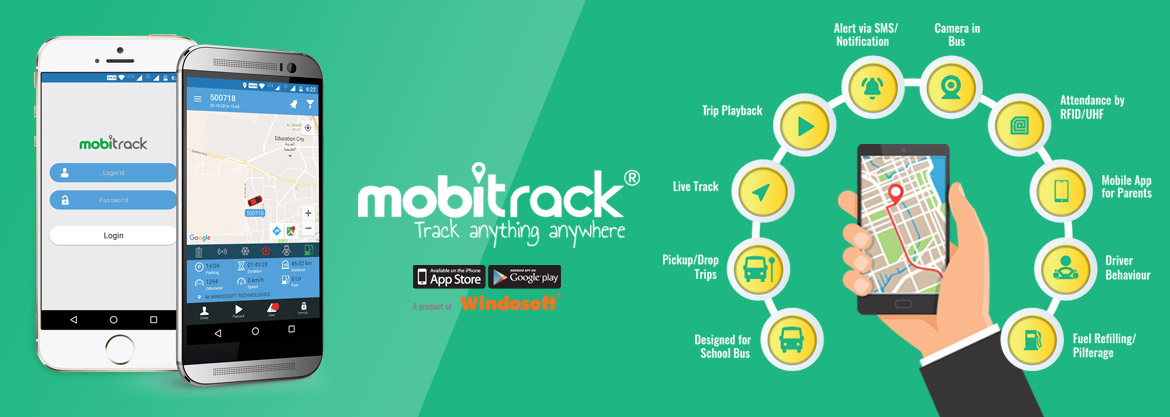
The tracking information is generally displayed through a web-based dashboard or mobile application.
Why Small Businesses Should Consider GPS Tracking
Small businesses often operate with limited resources.
Every unnecessary expense can affect profitability.
Common fleet challenges include:
- High fuel costs
- Unnecessary mileage
- Vehicle downtime
- Unauthorized vehicle use
- Poor route planning
- Limited visibility
- Driver safety concerns
A GPS tracking solution can help business owners replace assumptions with actual vehicle data.
1. Know Where Business Vehicles Are
One of the simplest benefits of a GPS tracker is location visibility.
Business owners or managers can check where vehicles are without calling drivers repeatedly.
This can be useful when managing:
- Delivery vehicles
- Service technicians
- Sales vehicles
- Construction fleets
- Mobile workers
Real-time visibility can make daily operations easier to coordinate.
2. Improve Route Planning
Small businesses often have drivers visiting multiple customers or job sites.
A Vehicle Tracking System provides route history that can help identify inefficient travel patterns.
Managers can review:
- Distance traveled
- Travel times
- Stops
- Repeated routes
- Detours
The information can help businesses plan more efficient schedules.
3. Reduce Fuel Costs
Fuel costs can quickly add up even with a small fleet.
GPS tracking can help identify:
- Excessive idling
- Unnecessary trips
- Long detours
- After-hours vehicle use
- Inefficient routes
A compatible Fuel Sensor can provide additional fuel-level information.
Together, these tools can help businesses better understand fuel consumption.
4. Improve Driver Accountability
Small business owners may not have dedicated fleet managers.
A GPS tracker provides an objective record of vehicle activity.
Businesses can review:
- Vehicle routes
- Mileage
- Stops
- Travel times
- Route deviations
This can help owners understand how company vehicles are being used.
5. Protect Valuable Vehicles
For many small businesses, a vehicle represents a significant investment.
A GPS tracking device can provide location information if a vehicle moves unexpectedly.
Businesses can also configure geofences around:
- Business premises
- Parking locations
- Job sites
- Warehouses
Unexpected movement can trigger an alert, depending on the tracking system.
6. Improve Customer Service
Customers often want accurate information about when a technician or delivery vehicle will arrive.
GPS tracking can help businesses provide more reliable arrival estimates.
For example, a service company can check the technician’s current route before providing an estimated arrival time.
This can improve communication and reduce unnecessary waiting.
7. Manage Service Vehicles
Small businesses such as plumbing, electrical, HVAC, maintenance, and repair companies may operate several service vehicles.
GPS tracking can help managers understand:
- Which technician is closest to a job
- Which vehicles are currently available
- How long vehicles spend traveling
- Which routes are most efficient
This can support better job scheduling.
8. Monitor Vehicle Utilization
Not every vehicle in a small fleet is necessarily used equally.
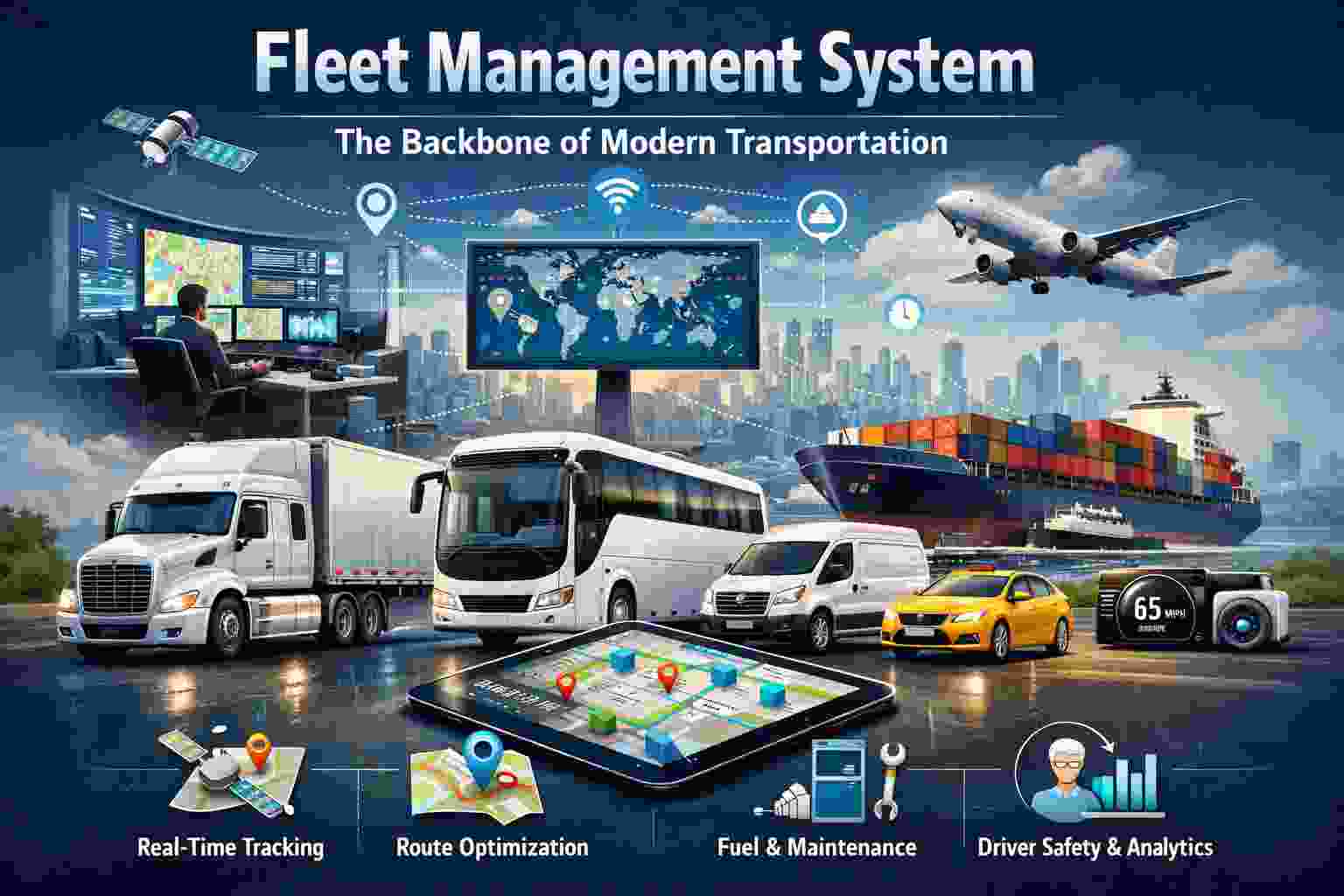
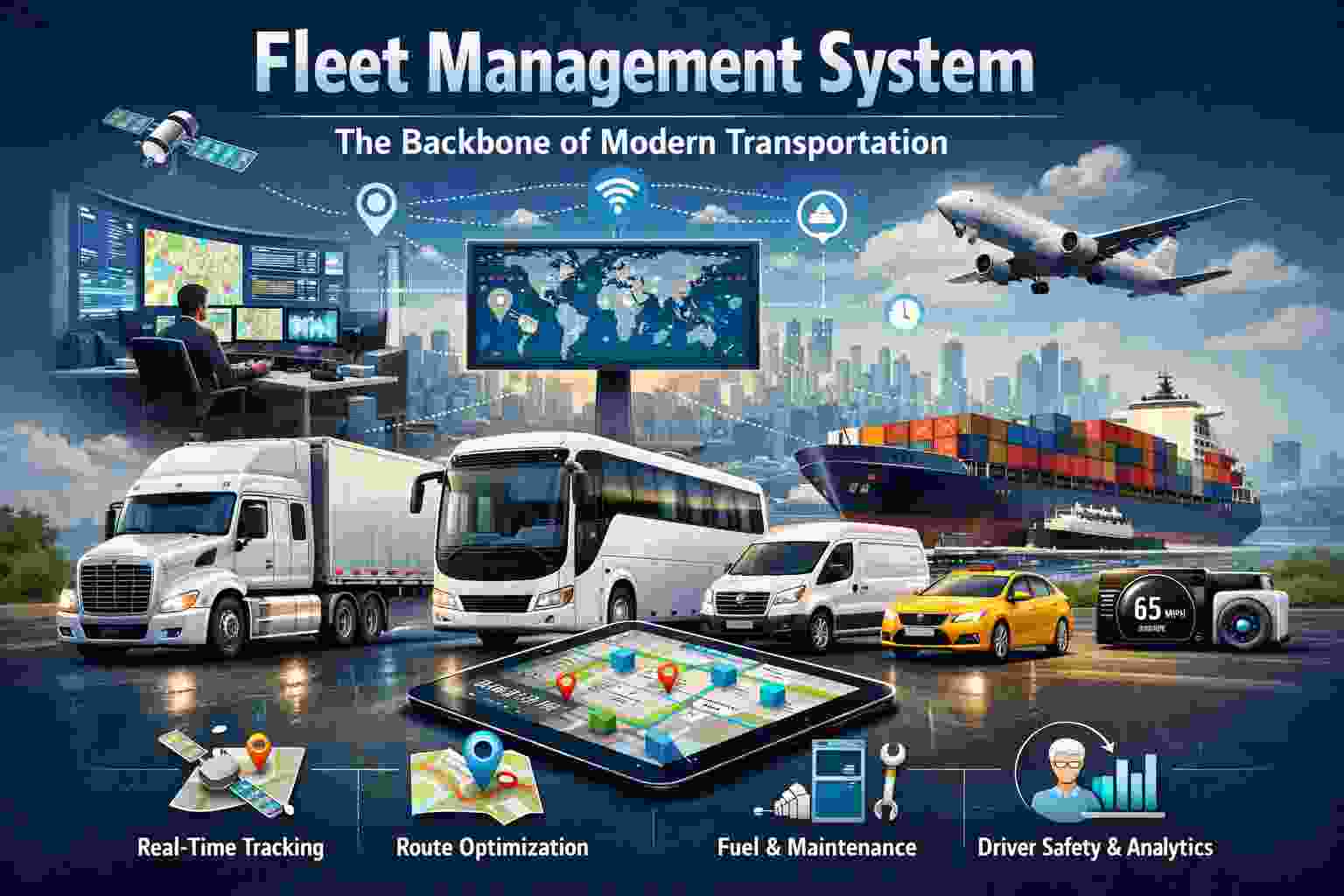
A Fleet Management System can show:
- Mileage
- Trips
- Operating hours
- Idle periods
- Vehicle activity
Managers can use this information when deciding whether vehicles should be reassigned, replaced, or added.
9. Support Preventive Maintenance
Vehicle maintenance is especially important for small businesses because unexpected breakdowns can disrupt operations.
A fleet platform can help monitor:
- Mileage
- Engine hours
- Service intervals
- Maintenance schedules
Regular maintenance can help businesses reduce avoidable downtime.
10. Improve Driver Safety
Small fleets also benefit from driver behavior monitoring.
Depending on the tracking solution, businesses can identify:
- Speeding
- Harsh braking
- Rapid acceleration
- Excessive idling
This information can support driver coaching and safer fleet operations.
GPS Tracker Options for Small Fleets
Wired GPS Device
A wired tracker connects directly to the vehicle’s electrical system.
Suitable for:
- Permanent fleet installations
- Commercial vehicles
- Long-term tracking
OBD GPS Tracker
An OBD device connects to a compatible vehicle diagnostic port.
Suitable for:
- Quick installation
- Small fleets
- Businesses that want easy deployment
Battery-Powered GPS Tracker
A battery-powered tracker does not need to remain connected to the vehicle’s electrical system.
Suitable for:
- Temporary tracking
- Portable assets
- Flexible deployments
Battery life depends on usage and device configuration.
How Much Does GPS Tracking Cost?
The total cost of GPS tracking can depend on:
- Hardware
- Installation
- Number of vehicles
- Tracking frequency
- Software subscription
- Additional sensors
- Reporting requirements
Small businesses should compare the total cost of ownership rather than focusing only on the device price.
Features Small Businesses Should Prioritize
A small business does not necessarily need every advanced fleet feature.
Important features may include:
Real-Time Tracking
See current vehicle locations.
Trip History
Review previous journeys.
Geofencing
Receive alerts when vehicles enter or leave selected locations.
Driver Monitoring
Review driving behavior where supported.
Mobile Application
Monitor vehicles from a smartphone.
Reports
Understand mileage, routes, and vehicle activity.
Maintenance Alerts
Track upcoming servicing requirements.
How to Implement GPS Tracking
A simple implementation process can include:
Step 1: Identify Your Business Needs
Determine why you want GPS tracking.
Step 2: Select Compatible Hardware
Choose devices suitable for your vehicles.
Step 3: Install the Devices
Follow manufacturer installation requirements.
Step 4: Configure the Platform
Set up users, vehicles, alerts, and geofences.
Step 5: Train Staff
Make sure relevant employees understand the system.
Step 6: Review Data
Use reports to identify operational improvements.
Common Mistakes Small Businesses Make
Businesses should avoid:
- Choosing the cheapest tracker without evaluating quality
- Ignoring software functionality
- Buying incompatible hardware
- Setting too many unnecessary alerts
- Failing to train users
- Collecting tracking data without reviewing it
- Ignoring employee communication and privacy requirements
The objective should be to use tracking information to solve real operational problems.
Frequently Asked Questions
Is GPS tracking useful for a small fleet?
Yes. Even businesses with a few vehicles can use GPS tracking to improve visibility, fuel management, safety, and vehicle utilization.
Can a small business track one vehicle?
Yes. GPS tracking systems can be configured for a single vehicle as well as larger fleets.
Can GPS tracking reduce fuel expenses?
It can help identify excessive idling, unnecessary mileage, inefficient routes, and other factors that may contribute to fuel waste.
Can GPS trackers prevent vehicle theft?
A GPS tracker does not physically prevent theft, but location information and alerts can support vehicle recovery efforts.
Can small businesses access tracking information from a phone?
Many GPS tracking platforms offer mobile applications or mobile-friendly dashboards.
GPS Tracking as a Business Investment
Small businesses should consider GPS tracking based on the operational value it provides.
Potential benefits include:
- Better vehicle visibility
- Improved route efficiency
- Lower fuel waste
- Better customer communication
- Improved driver accountability
- Stronger asset protection
- More organized maintenance
The right system can become a practical business management tool rather than simply a vehicle-location device.
The Future of Small Fleet Management
Fleet technology is becoming more accessible to smaller businesses.
Modern solutions increasingly include:
- Cloud-based dashboards
- Mobile applications
- IoT sensors
- Automated reports
- Artificial Intelligence
- Predictive maintenance
- Smart alerts
As these technologies become easier to deploy, small businesses can gain access to capabilities that were previously associated mainly with large fleets.
Conclusion
A GPS Tracker can provide small businesses with valuable visibility into vehicle location, routes, driver activity, and fleet utilization.
The technology can help businesses reduce unnecessary travel, improve customer service, protect vehicles, support driver safety, and make better operational decisions.
For a small business, the best GPS tracking solution is not necessarily the one with the most features. It is the one that fits the company’s vehicles, budget, operational needs, and long-term growth plans.































No Comments