


Fuel is one of the most significant operating expenses for many businesses that manage commercial vehicles. Trucks, buses, delivery vans, construction vehicles, and service fleets can consume large quantities of fuel every day.
Simply knowing how much fuel was purchased does not always provide a complete picture of fuel usage. Businesses also need to understand how fuel levels change while vehicles are operating.
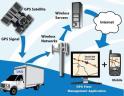
A Fuel Sensor can provide more detailed information about fuel levels and consumption. When integrated with a GPS Tracking System, fuel data can be connected with vehicle location, routes, driving activity, and trip history.
This combination gives fleet managers greater visibility into fuel usage and helps identify opportunities to reduce unnecessary expenses.
What Is a Fuel Sensor?
A fuel sensor is a device designed to measure the amount or level of fuel in a vehicle’s tank.
Depending on the technology used, a fuel monitoring solution may provide information about:
- Current fuel level
- Fuel consumption
- Refueling events
- Fuel level changes
- Potential fuel loss
- Fuel usage trends
The information can be transmitted to a fleet management platform for monitoring and analysis.
Why Fuel Monitoring Matters
Fuel expenses can increase because of several factors, including:
- Excessive idling
- Inefficient routes
- Aggressive driving
- Unauthorized vehicle use
- Fuel leakage
- Unusual fuel-level changes
- Poor vehicle maintenance
Without accurate fuel information, identifying the exact cause of increased fuel consumption can be difficult.
A fuel sensor provides an additional source of data for fleet managers.
1. Monitor Fuel Levels
A fuel sensor allows managers to see fuel-level information through their fleet platform.
Instead of relying entirely on fuel receipts or manual records, managers can review vehicle fuel data electronically.
This can help businesses understand:
- Which vehicles consume the most fuel
- How fuel levels change during trips
- When vehicles are refueled
- Whether fuel consumption is consistent
2. Detect Unusual Fuel Loss
Unexpected changes in fuel levels can indicate a potential problem.
For example, if the fuel level drops significantly while a vehicle is stationary, managers may want to investigate the event.
Possible explanations can include:
- Fuel leakage
- Measurement errors
- Maintenance activity
- Unauthorized fuel removal
A fuel sensor does not automatically determine the cause, but it can help highlight unusual events for investigation.
3. Combine Fuel Data With GPS Tracking
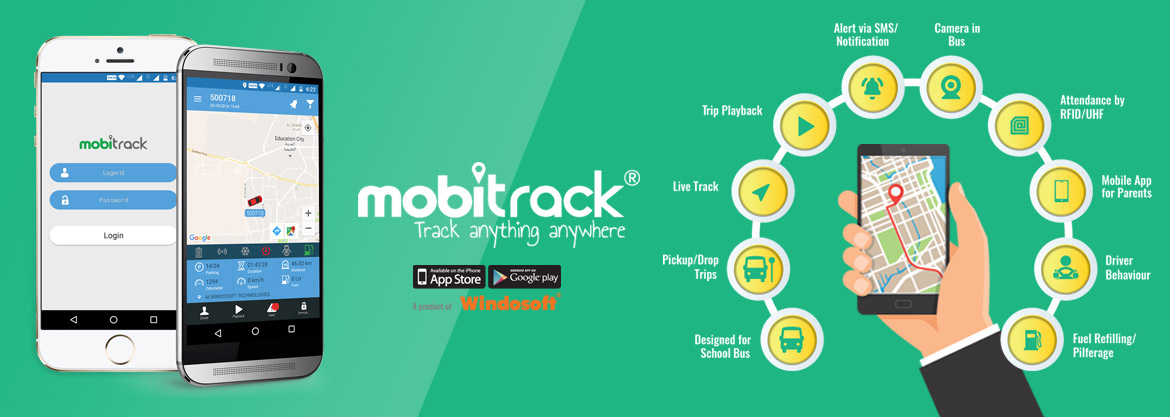
Fuel monitoring becomes more useful when combined with GPS tracking.
A GPS Tracker can provide information about:
- Vehicle location
- Route
- Speed
- Stops
- Trip history
The fuel sensor can provide information about:
- Fuel level
- Fuel changes
- Consumption patterns
Together, these data sources provide a more complete view of vehicle activity.
4. Identify Excessive Idling
Idling consumes fuel without moving the vehicle.
A GPS-based Vehicle Tracking System can identify periods when vehicles remain stationary with the engine operating.
Fleet managers can compare idle time with fuel consumption to identify opportunities for improvement.
Reducing unnecessary idling can contribute to lower fuel expenses.
5. Improve Fuel Efficiency
Fuel efficiency varies between vehicles and drivers.
A fleet management platform can help compare:
- Fuel consumption
- Distance traveled
- Vehicle type
- Driver behavior
- Route characteristics
This allows businesses to identify vehicles or operating patterns that may require attention.
6. Monitor Refueling Events
Fuel sensors can help businesses identify when fuel levels increase.
These events can be compared with:
- Fuel receipts
- Fuel station records
- Vehicle location
- Driver information
Comparing multiple sources can improve fuel accountability.
7. Improve Fleet Accountability
Fuel management is easier when businesses have reliable records.
A fuel monitoring system can help managers review fuel activity across individual vehicles.
This may help identify:
- Unusual fuel consumption
- Unexpected fuel-level changes
- Frequent refueling
- Differences between vehicles
Data-driven monitoring can make fleet operations more transparent.
8. Reduce Fuel Waste
Fuel waste may result from several operational issues.
A fleet management system can help identify:
- Excessive idling
- Poor route planning
- Aggressive driving
- Unnecessary trips
- Underperforming vehicles
Managers can then take targeted action instead of relying on assumptions.
9. Support Fleet Budgeting
Historical fuel data can help businesses forecast future operating expenses.
Managers can analyze fuel consumption by:
- Vehicle
- Driver
- Route
- Department
- Period
This can support more accurate fleet budgeting and planning.
10. Monitor Heavy-Duty Vehicles
Fuel monitoring is particularly valuable for vehicles with large fuel tanks.
Examples include:
- Trucks
- Buses
- Construction vehicles
- Agricultural machinery
- Industrial vehicles
These assets can consume significant amounts of fuel, making accurate monitoring especially useful.
Types of Fuel Sensors
Different fuel monitoring technologies are available.
Fuel Level Sensors
These measure the fuel level inside a tank.
They can provide continuous or periodic information depending on the device.
Digital Fuel Sensors
Digital sensors can provide more detailed electronic measurements and may integrate with GPS tracking platforms.
Ultrasonic Fuel Sensors
Some fuel monitoring solutions use ultrasonic technology to measure fuel levels without requiring a traditional mechanical float.
The suitability of this technology depends on the vehicle and tank design.
Fuel Sensor Integration With GPS
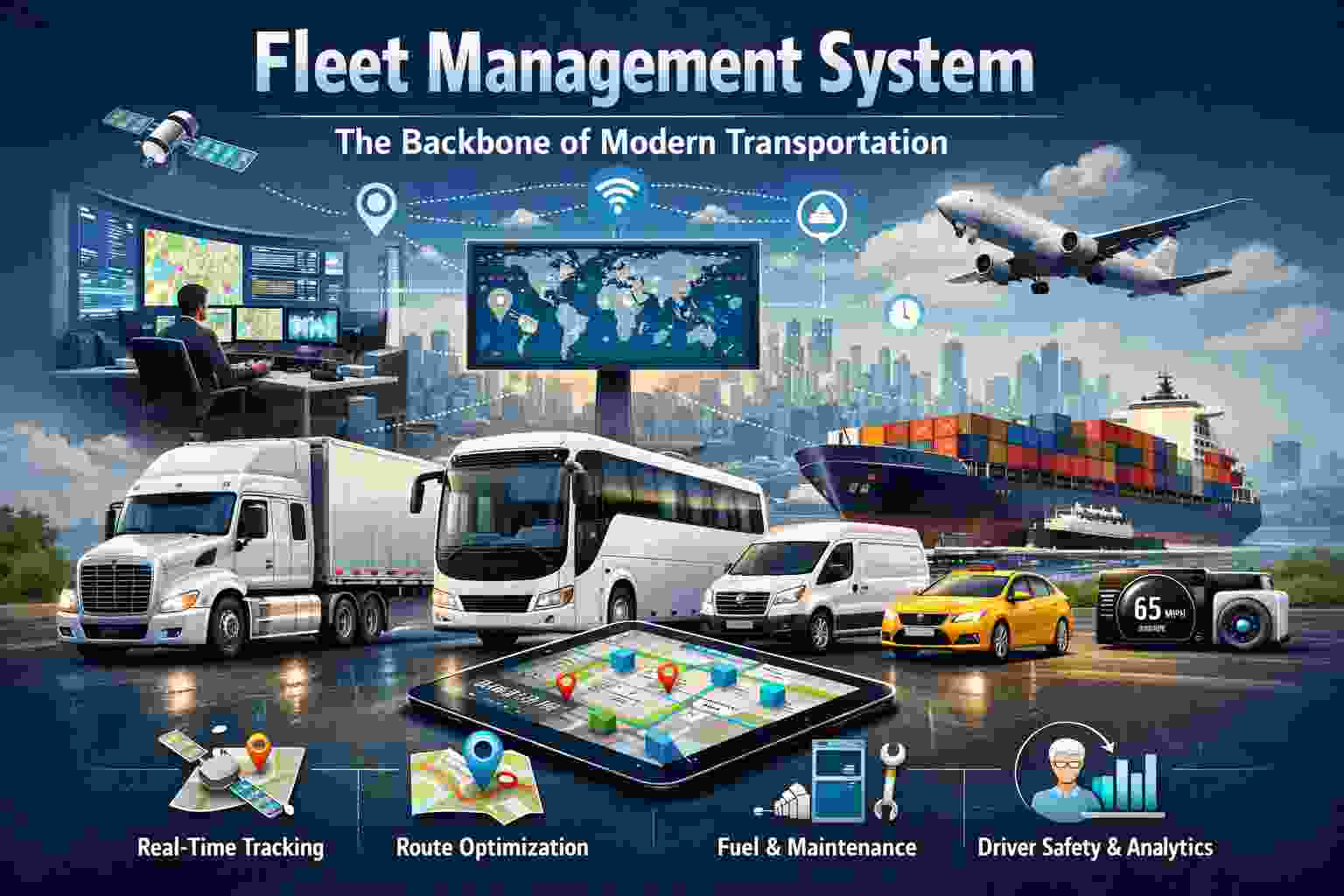
A modern Fleet Management System can combine fuel information with GPS data.
For example:
GPS Tracker → Vehicle Location
Fuel Sensor → Fuel Level
Fleet Platform → Combined Reporting
This makes it easier to analyze fuel events in relation to vehicle activity.
Fuel Monitoring for Different Industries
Logistics
Monitor fuel consumption across trucks and delivery vehicles.
Transportation
Track fuel usage across buses and passenger transportation fleets.
Construction
Monitor fuel consumption for trucks and heavy equipment.
Field Services
Identify fuel usage across service vehicles.
Distribution
Compare fuel consumption between different delivery routes.
Agriculture
Monitor fuel levels in compatible agricultural machinery.
Fuel Sensor and Driver Behavior
Driver behavior can have a significant effect on fuel consumption.
A fleet management system can compare fuel usage with driving patterns such as:
- Rapid acceleration
- Harsh braking
- High-speed driving
- Excessive idling
This can help businesses identify opportunities for driver training.
Fuel Sensor and Maintenance
Vehicle condition can also affect fuel efficiency.
Poor maintenance may contribute to increased fuel consumption.
Fleet managers can combine fuel data with maintenance information to identify vehicles that require inspection.
For example, a vehicle showing unusually high fuel consumption may need:
- Engine inspection
- Tire-pressure checks
- Fuel-system inspection
- Routine servicing
Fuel data can therefore support broader vehicle maintenance programs.
How to Choose a Fuel Sensor
Before selecting a fuel monitoring solution, consider:
Tank Type
Make sure the sensor is compatible with the vehicle’s fuel tank.
Accuracy
Consider how precise the fuel measurements need to be.
Installation
Check whether professional installation is required.
Compatibility
Make sure the sensor can communicate with your GPS tracking hardware or fleet platform.
Reporting
Look for software that provides useful fuel reports and alerts.
Fleet Scalability
Choose a solution that can support additional vehicles as your fleet grows.
Support
Consider installation, calibration, and technical support.
Common Fuel Monitoring Mistakes
Businesses should avoid:
- Selecting a sensor without checking tank compatibility
- Ignoring sensor calibration
- Using fuel data without GPS context
- Failing to investigate unusual readings
- Not maintaining the sensor
- Relying entirely on manual fuel records
Accurate fuel monitoring requires both appropriate hardware and effective data management.
Frequently Asked Questions
What does a fuel sensor measure?
A fuel sensor primarily measures the fuel level or changes in fuel level inside a vehicle’s tank. Some systems also calculate consumption.
Can a fuel sensor detect fuel theft?
It can identify unusual fuel-level changes that may indicate possible fuel loss. The event should then be investigated to determine its cause.
Can a fuel sensor connect to a GPS tracker?
Many fuel sensors are designed to integrate with compatible GPS tracking hardware or fleet management platforms.
Can fuel sensors reduce fuel costs?
They can help businesses identify fuel waste and unusual consumption, allowing managers to take corrective action.
Are fuel sensors useful for trucks?
Yes. Fuel monitoring can be particularly valuable for trucks and other vehicles with high fuel consumption.
Best Practices for Fuel Management
Businesses can get more value from fuel sensors by:
- Monitoring fuel levels regularly.
- Comparing fuel consumption across vehicles.
- Reviewing excessive idle time.
- Investigating unusual fuel-level changes.
- Combining fuel and GPS information.
- Training drivers on fuel-efficient driving.
- Maintaining vehicles regularly.
- Reviewing fuel reports as part of fleet management meetings.
The Future of Fuel Monitoring
Fuel management is becoming more connected through:
- IoT sensors
- Artificial Intelligence
- Predictive analytics
- Automated alerts
- Connected vehicle systems
- Advanced fleet dashboards
These technologies can help businesses identify unusual fuel activity faster and improve overall fleet efficiency.
Conclusion
A Fuel Sensor provides businesses with valuable information about vehicle fuel levels and usage. When combined with a GPS Tracking System, fuel data can be connected to vehicle location, routes, idle time, and driving behavior.
This gives fleet managers a clearer understanding of where fuel is being consumed and where potential waste may occur.
For businesses managing trucks, buses, delivery vehicles, or heavy equipment, fuel monitoring can become an important part of controlling operating costs and improving fleet performance.
















































No Comments