

Maintaining the correct temperature during transportation is critical for many industries. Food distributors, pharmaceutical companies, healthcare suppliers, grocery businesses, and cold-chain logistics providers may transport products that can be damaged if temperatures move outside an acceptable range.
A Temperature Sensor installed in a vehicle or cargo compartment can continuously monitor temperature conditions. When connected to a GPS Tracking System, businesses can combine temperature information with vehicle location and trip data.
This provides fleet managers with better visibility into both the vehicle and the condition of the cargo.
What Is a Temperature Sensor?
A temperature sensor is a device that measures the temperature of a specific environment.
In transportation, sensors can be installed inside:
- Refrigerated trucks
- Delivery vans
- Cold storage compartments
- Containers
- Food transport vehicles
- Pharmaceutical transport vehicles
The sensor records temperature data and can transmit it to a monitoring platform.
Why Temperature Monitoring Matters
Temperature-sensitive products can be affected by exposure to unsuitable conditions.
Potential consequences include:
- Product spoilage
- Reduced product quality
- Financial losses
- Shipment rejection
- Customer complaints
- Compliance concerns
Continuous monitoring helps businesses identify temperature changes before they become larger problems.
1. Real-Time Temperature Monitoring
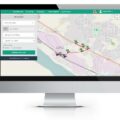
A connected temperature sensor can provide current temperature information through a centralized dashboard.
Managers can monitor:
- Current temperature
- Temperature trends
- Minimum and maximum readings
- Temperature changes during trips
This provides greater visibility than relying only on manual temperature checks.
2. Temperature Alerts
One of the most useful features of a connected temperature sensor is automated alerting.
Businesses can configure alerts when the temperature:
- Rises above a defined threshold
- Falls below a defined threshold
- Changes unexpectedly
- Remains outside the desired range
Notifications can help responsible personnel investigate the issue quickly.
3. Combine Temperature With GPS Tracking
Temperature data becomes more useful when connected to vehicle location.
A GPS Tracker can show:
- Where the vehicle is
- Which route it is following
- When it stopped
- When a temperature event occurred
The temperature sensor can show:
- Current temperature
- Temperature history
- Duration of temperature excursions
Combining these datasets provides a more complete view of transportation conditions.
4. Monitor Refrigerated Vehicles
Refrigerated vehicles require continuous monitoring because cooling systems can experience operational problems.
A temperature monitoring solution can help identify unusual temperature changes that may require investigation.
Possible causes include:
- Refrigeration system problems
- Door openings
- Power issues
- Poor insulation
- Incorrect temperature settings
- Extended loading or unloading
The sensor identifies the change, while the fleet team investigates the underlying cause.
5. Protect Food During Transportation
Food products can require controlled transportation conditions.
Examples include:
- Fresh produce
- Dairy products
- Meat
- Seafood
- Frozen foods
- Prepared meals
A Temperature Sensor can help businesses monitor conditions throughout transportation and identify potential temperature excursions.
6. Support Pharmaceutical Transportation
Some pharmaceutical and healthcare products require carefully controlled transportation conditions.
Temperature monitoring can provide a record of environmental conditions throughout a journey.
Businesses can use the information to:
- Monitor shipments
- Identify temperature excursions
- Review transportation history
- Improve cold-chain processes
Specific temperature requirements depend on the product and applicable regulations.
7. Improve Cold Chain Visibility
Cold chain logistics involves maintaining appropriate conditions from origin to destination.
Temperature sensors provide visibility at important stages of transportation.
When integrated with a Fleet Management System, businesses can monitor:
- Vehicle location
- Temperature
- Route
- Stops
- Delivery progress
- Temperature events
This helps create a more connected cold-chain operation.
8. Monitor Multiple Temperature Zones
Some refrigerated vehicles contain multiple compartments.
For example, one vehicle may transport products requiring different temperature conditions.
Depending on the system, multiple sensors can be installed to monitor different areas.
This allows fleet managers to identify temperature differences between compartments.
9. Maintain Historical Temperature Records
Historical temperature information can be useful for reviewing completed deliveries.
Businesses may analyze:
- Temperature over time
- Temperature excursions
- Duration outside the desired range
- Location during an event
- Route conditions
Historical records can also help businesses identify recurring transportation problems.
10. Improve Customer Confidence
Customers transporting sensitive goods want confidence that products were handled appropriately.
Temperature monitoring can provide evidence of transportation conditions when appropriate.
Businesses can use temperature records to improve:
- Internal quality control
- Customer communication
- Shipment documentation
- Operational reporting
Temperature Sensor Applications
Food Distribution
Monitor refrigerated and frozen food deliveries.
Pharmaceutical Logistics
Track temperature-sensitive healthcare products.
Grocery Delivery
Monitor temperature-controlled delivery vehicles.
Catering
Protect prepared food during transportation.
Healthcare
Monitor certain temperature-sensitive medical products.
Cold Chain Logistics
Track environmental conditions across refrigerated transportation operations.
Temperature Sensor and GPS Tracker Integration
A connected system can combine:
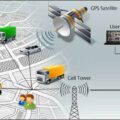
GPS Device → Vehicle Location
Temperature Sensor → Cargo Temperature
Fleet Platform → Centralized Monitoring
This allows managers to see where a temperature event occurred and how long it lasted.
For example, if a temperature rises above the configured threshold, the fleet manager can check the vehicle’s location and activity at that time.
Important Temperature Sensor Features
When choosing a temperature monitoring system, consider:
Measurement Accuracy
The sensor should provide measurements appropriate for the intended application.
Alert Configuration
Users should be able to define suitable temperature thresholds.
Historical Data
The system should store temperature information for later analysis.
Real-Time Monitoring
Important for operations where immediate awareness is required.
GPS Integration
Useful for connecting temperature events with vehicle location.
Multiple Sensors
Important for vehicles with multiple compartments.
Mobile Access
Allows authorized users to receive notifications remotely.
Reporting
Useful for reviewing completed trips and temperature history.
How to Choose a Temperature Sensor
Before selecting a sensor, consider:
Temperature Range
Make sure the sensor supports the temperatures required for the cargo.
Vehicle Environment
The sensor should be appropriate for the installation location and conditions.
Connectivity
Confirm that the sensor can communicate with the chosen tracking platform.
Installation
Determine whether professional installation is required.
Data Storage
Check how historical temperature information is recorded and accessed.
Alerts
Make sure the system can generate appropriate notifications.
Scalability
Businesses with multiple refrigerated vehicles should choose a system that can support fleet expansion.
Common Temperature Monitoring Mistakes
Businesses should avoid:
- Installing sensors without proper calibration
- Using a sensor outside its intended temperature range
- Ignoring alert notifications
- Monitoring temperature without reviewing historical data
- Failing to inspect refrigeration equipment
- Installing too few sensors for multi-zone vehicles
Temperature monitoring should be part of a broader cold-chain management process.
Temperature Sensor vs Manual Temperature Checks
Manual checks can provide temperature information at specific points in time.
However, continuous monitoring can provide a much more detailed picture of what happens throughout a journey.
Manual Checks
- Limited measurement points
- Dependent on employee availability
- May miss short temperature excursions
Connected Temperature Monitoring
- Continuous or frequent measurements
- Automated records
- Configurable alerts
- Remote visibility
- Integration with GPS tracking
The right approach depends on the operation, product requirements, and applicable procedures.
Frequently Asked Questions
What does a vehicle temperature sensor measure?
It measures the temperature inside a vehicle, container, or cargo compartment.
Can a temperature sensor connect to GPS tracking?
Yes. Compatible sensors can integrate with GPS tracking platforms to combine temperature and location data.
Can temperature sensors monitor refrigerated trucks?
Yes. They are commonly used for monitoring temperature-controlled transportation.
Can I receive temperature alerts?
Many connected systems allow users to configure alerts when temperatures move outside predefined limits.
Can one vehicle use multiple temperature sensors?
Yes. Multiple sensors may be used when a vehicle has multiple compartments or when monitoring different areas is necessary.
Future of Temperature Monitoring
Temperature monitoring is becoming increasingly connected through:
- IoT technology
- Cloud platforms
- Artificial Intelligence
- Predictive analytics
- Automated alerts
- Connected refrigeration systems
These technologies can help businesses identify potential problems earlier and improve cold-chain reliability.
Conclusion
A Temperature Sensor provides essential visibility for businesses transporting temperature-sensitive products. By continuously monitoring conditions and generating alerts, sensors can help reduce the risk of unnoticed temperature excursions.
When integrated with a GPS Tracking System, temperature data can be connected with vehicle location, routes, stops, and trip history. This gives businesses a comprehensive view of transportation conditions.
For food, pharmaceutical, healthcare, grocery, and cold-chain businesses, temperature monitoring can be an important part of protecting products, improving operational control, and delivering greater confidence to customers.







































No Comments