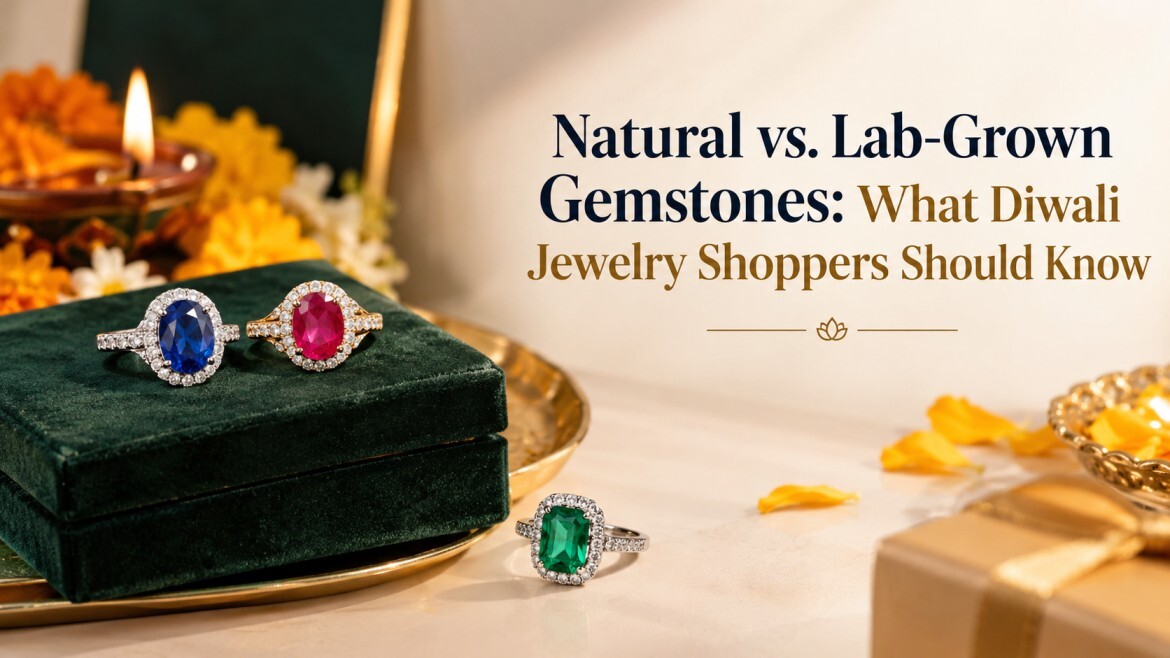


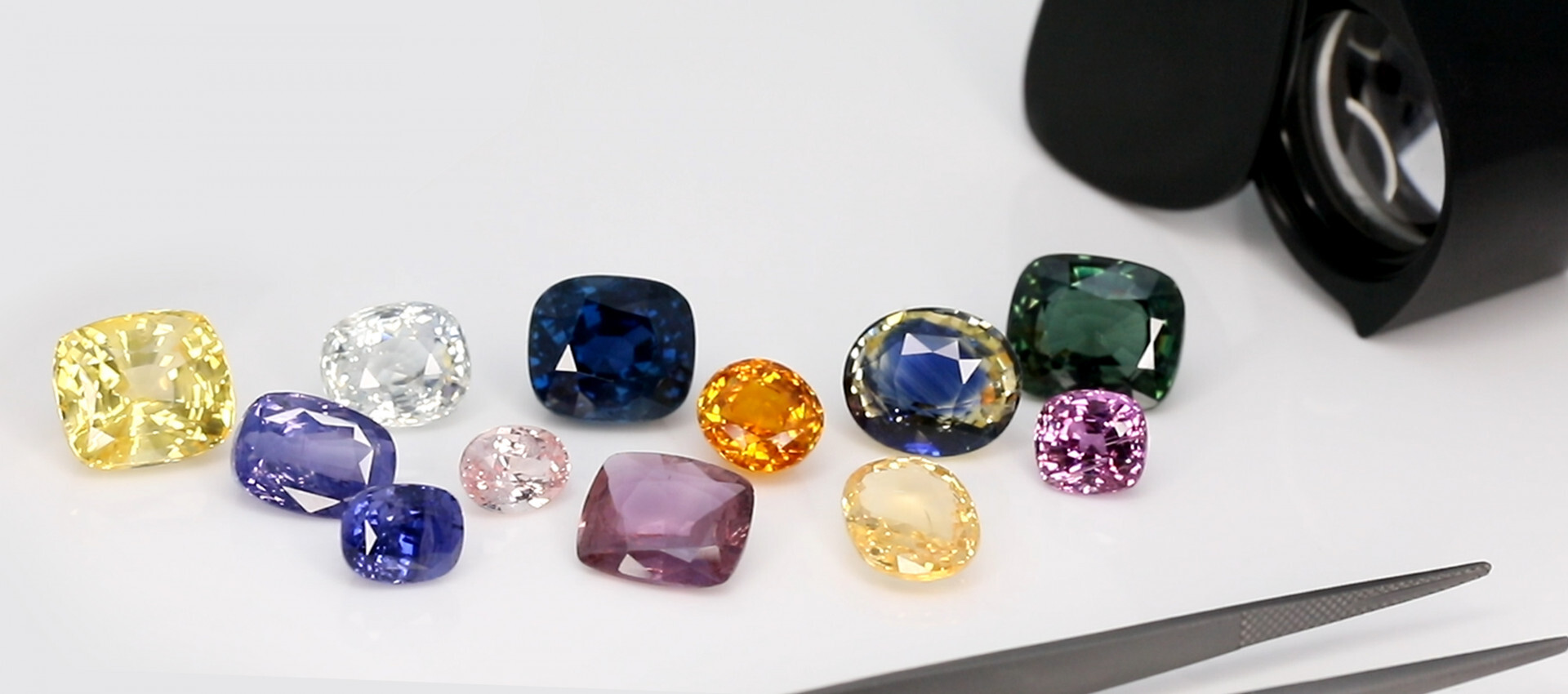
Diwali is the perfect time to revamp your jewellery collection with colourful gemstones that look good with traditional outfits. But before you buy a Ruby ring, Blue sapphire earring, Yellow sapphire pendant or Emerald ring, it is important to know the difference between natural and lab-grown gemstones. Both are beautiful and have variety, but the origin, price, and resale value can vary a lot.
Natural Gemstones: What Are They?
Natural gemstones are formed by geological processes in the earth over millions of years. Their colours, inclusions and characteristics develop naturally, giving each stone a unique personality.
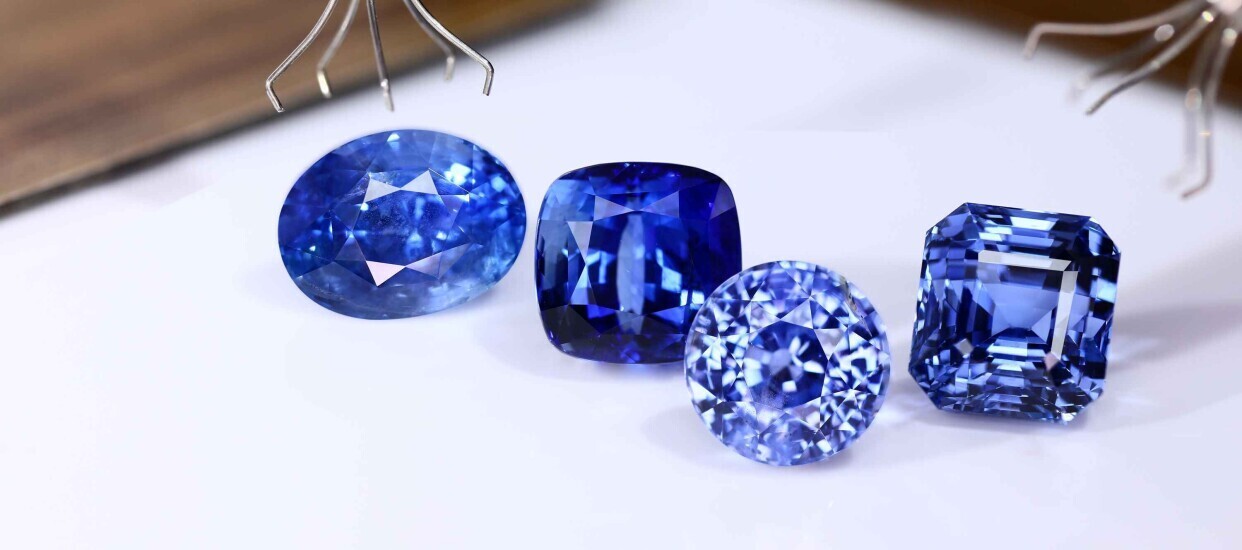
Popular choices are rubies, blue sapphires, yellow sapphire and emeralds. Buyers who value geological rarity, traditional significance, and the individuality of each stone often prefer natural gemstones.
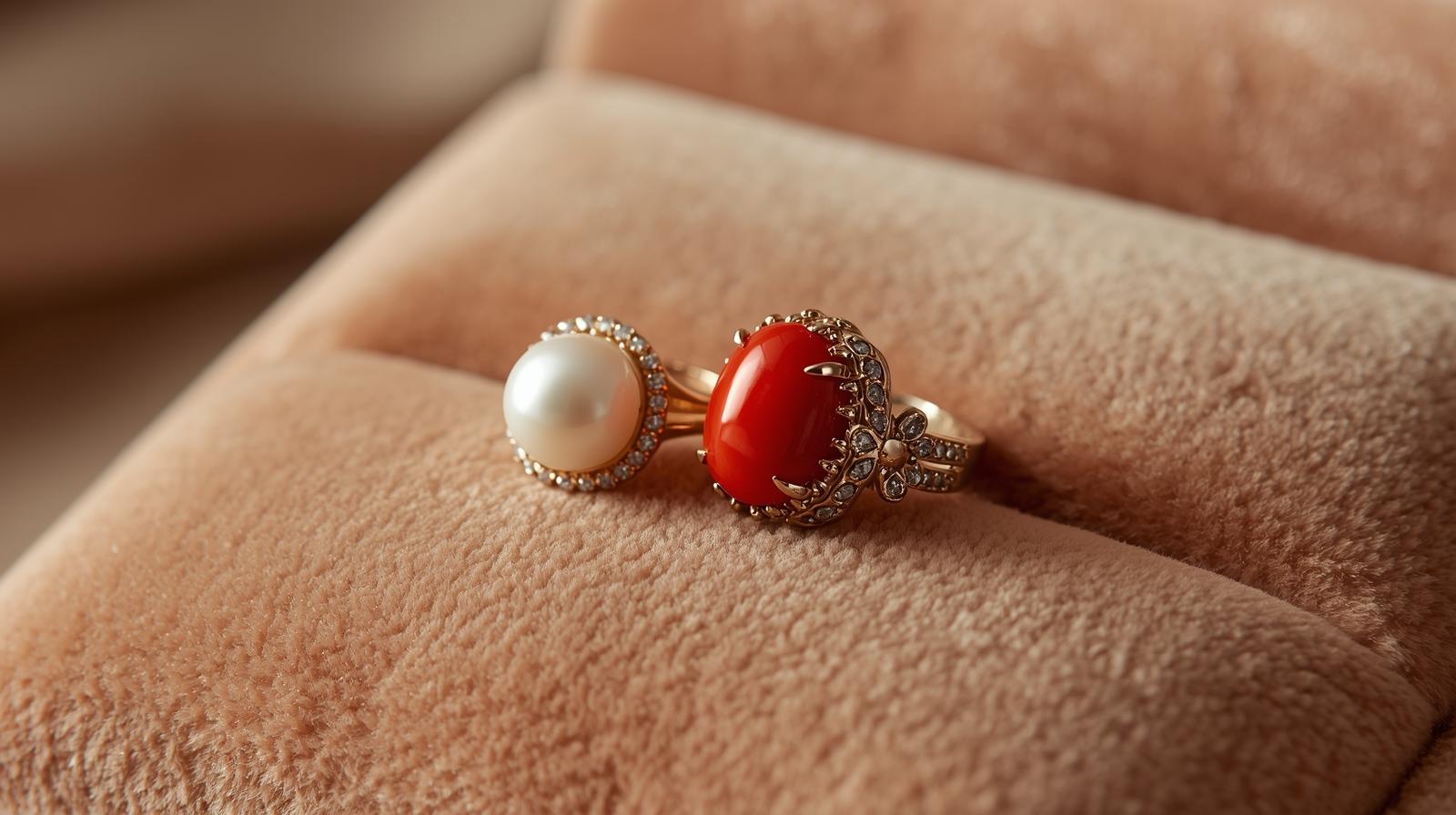
Natural gemstones are a timeless addition to ethnic wear, festive sarees, lehengas, and classy evening wear for Diwali.
What are lab-created gemstones?
Lab-grown gemstones are created in controlled laboratory environments using advanced processes that simulate the natural gemstone formation process. They can have the same chemical composition, crystal structure and many of the same optical properties as the natural ones.
For example, a synthetic ruby is a ruby, not an alternative stone. However, it is different to a ruby which has been created naturally within the Earth because it was created in a laboratory.
Lab-grown gemstones are usually less costly and provide shoppers with appealing colours and designs to fit any budget. The seller should make it clear if a gemstone is natural or lab-grown.
Natural vs Lab Grown Gemstones: What Are The Differences?
Special Edition Natural Stones Synthetic Gemstones
Origin Naturally occurring in the earth Lab Grown
Appearance Varies with natural characteristics Can closely resemble natural stones
Cost Higher for the same quality generally Generally less expensive
Rarity Some varieties and grades are rare More controllable production
Value of resale Depending on the quality, origin and demand Often More Restrictive
Certification Helps verify identity and treatment confirms laboratory origin
Neither option is necessarily better for all buyers. Your choice will depend on your budget, personal preferences and expectations.
How to Pick Diwali Gemstone Jewellery
Ruby ring: If you care about geological rarity go for a natural ruby; or go for a lab-grown ruby for a vibrant festive look on a budget.
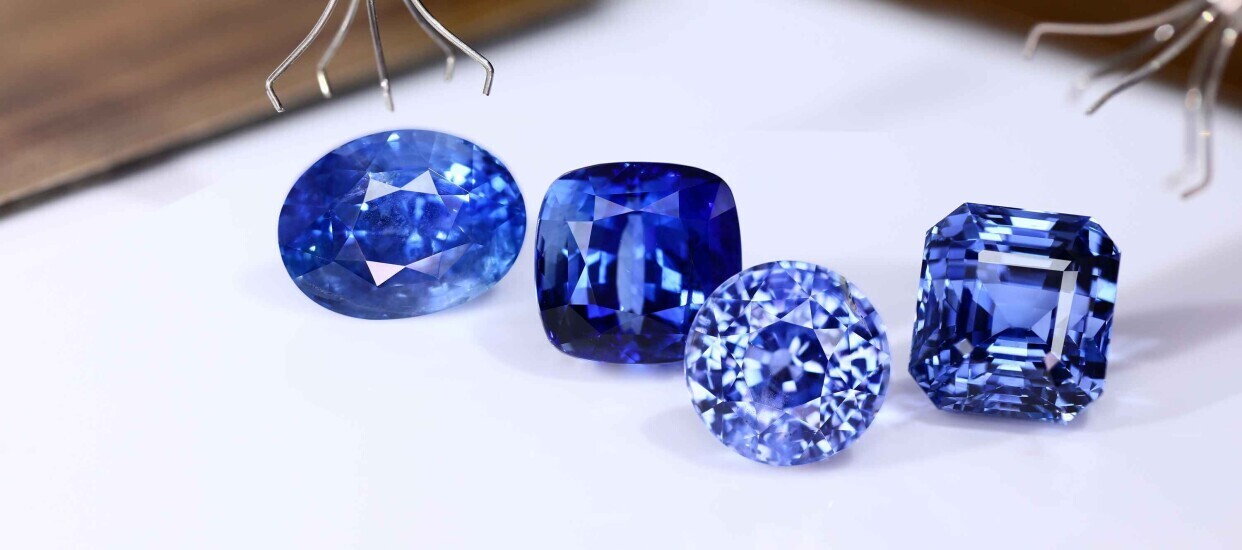
Blue sapphire earring: Before you go for a pair that complements your ethnic outfits, make sure you check its colour, cut, clarity and gemstone disclosure.
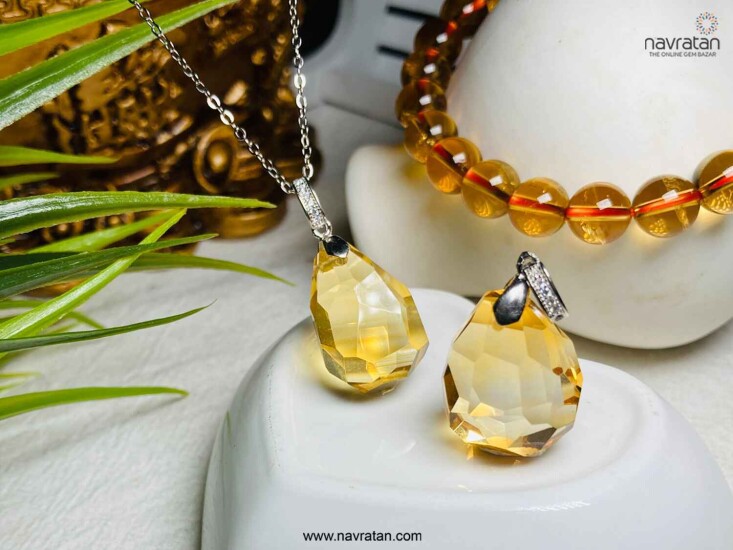
Yellow sapphire pendant: Go for a well-cut stone in a secure setting that goes well with your festive wardrobe.
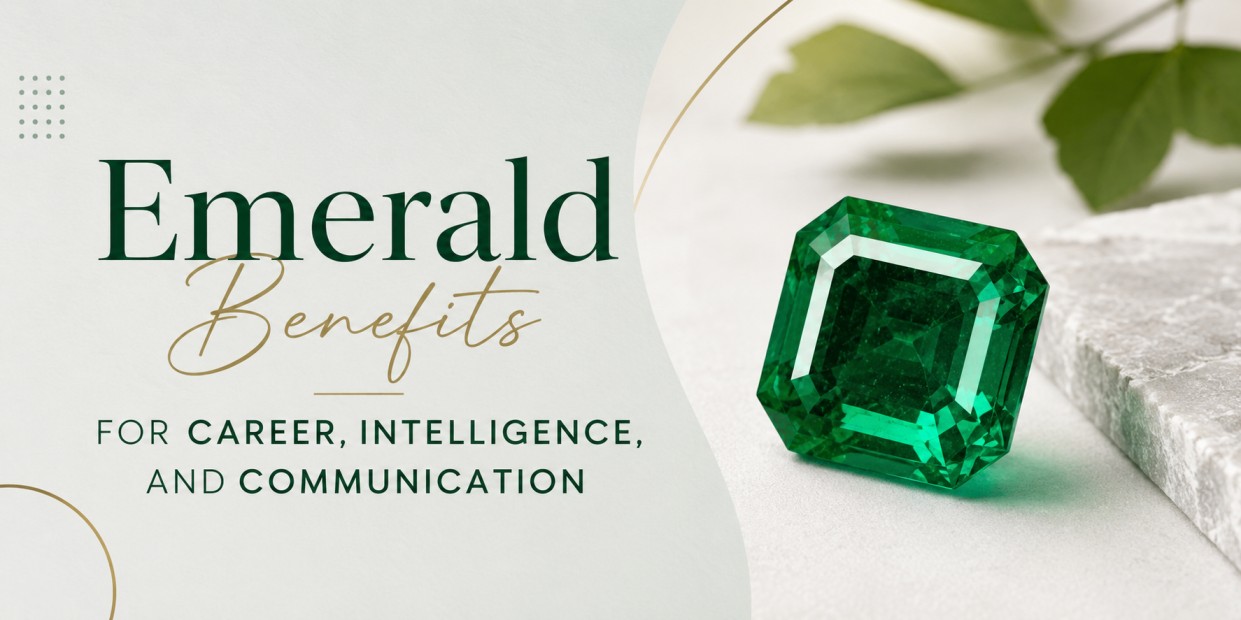
Emerald ring: Look for any clarity features and treatments that should be disclosed, as emeralds often have natural inclusions and may be treated.
Always ask for a reliable gemological report if authenticity or value is important. Gemological Institute of America (GIA) Educational information about gems and lab-created materials.
FAQs
- Are Lab Created Gemstones Actual Gemstones?
Yup. Lab-grown rubies, sapphires and emeralds may have similar chemical and physical properties to the natural equivalent, but they have a different origin.
- Are natural gemstones more costly?
Yes, in general. However, prices vary based on the type of gemstone, colour, clarity, carat weight, treatments, origin, and market demand.
- Best gemstone for Diwali jewellery?
Popular choices are rubies, blue sapphire, yellow sapphires and emeralds. Choose a gemstone that suits your outfit, your budget, and your jewellery taste.
- Can you distinguish natural and lab-grown gemstones by sight?
Not necessarily. The source of a gemstone may require professional gemological testing for reliable determination.
- Are lab created gems a good gift choice?
Yes. These can be a good choice for shoppers looking for pretty gem stones jewellery but at a more affordable price.
Conclusion
Choosing between natural and lab-grown gems depends on your priorities: natural rarity and traditional appeal or affordability and design flexibility. Before you purchase Diwali jewellery, check the quality, ask about treatments and verify the origin of the gemstones. For more gemstone jewellery inspiration and options, head to Navratan and discover colourful gemstone styles for festive occasions.





































No Comments