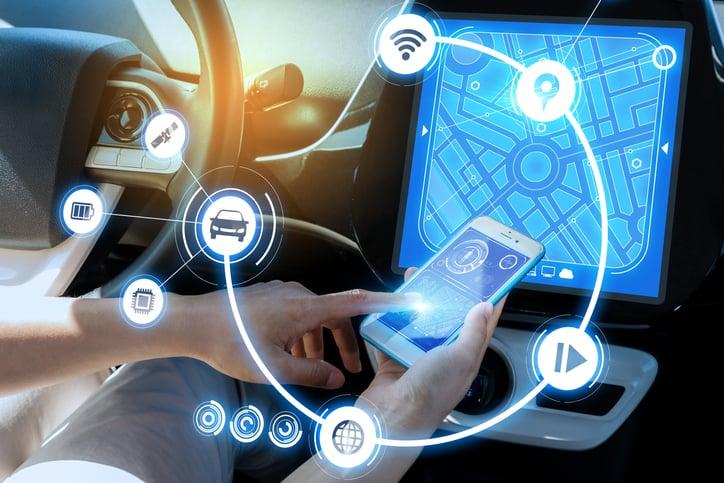


In the digital yug of 2026, student safety has become one of the biggest priorities for schools and parents. Modern technology is transforming school transportation systems by making them smarter, safer, and more transparent. One of the most important technologies helping schools today is the school bus tracking system.
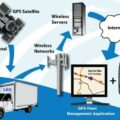
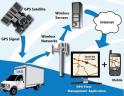
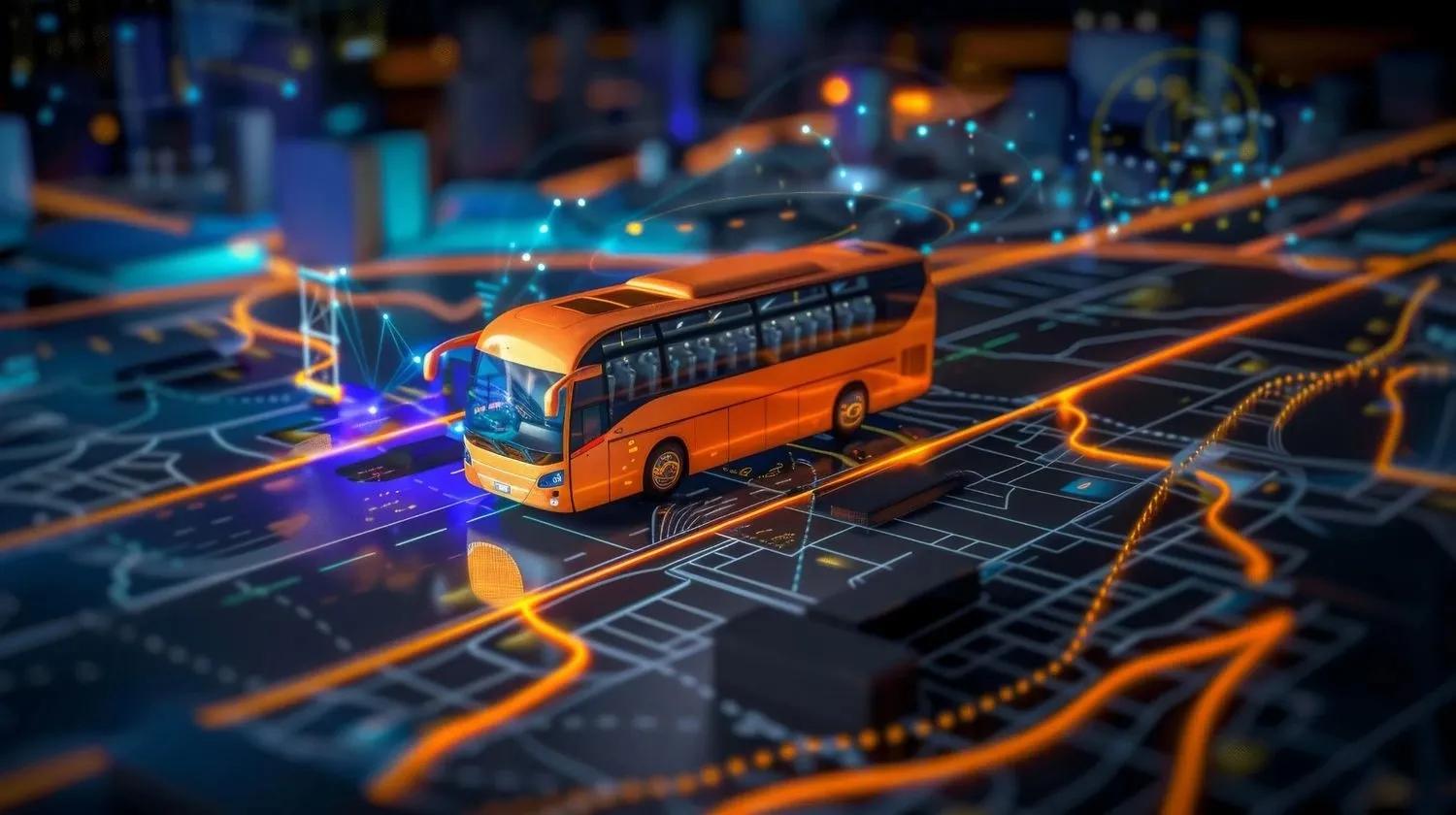
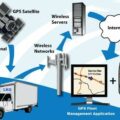
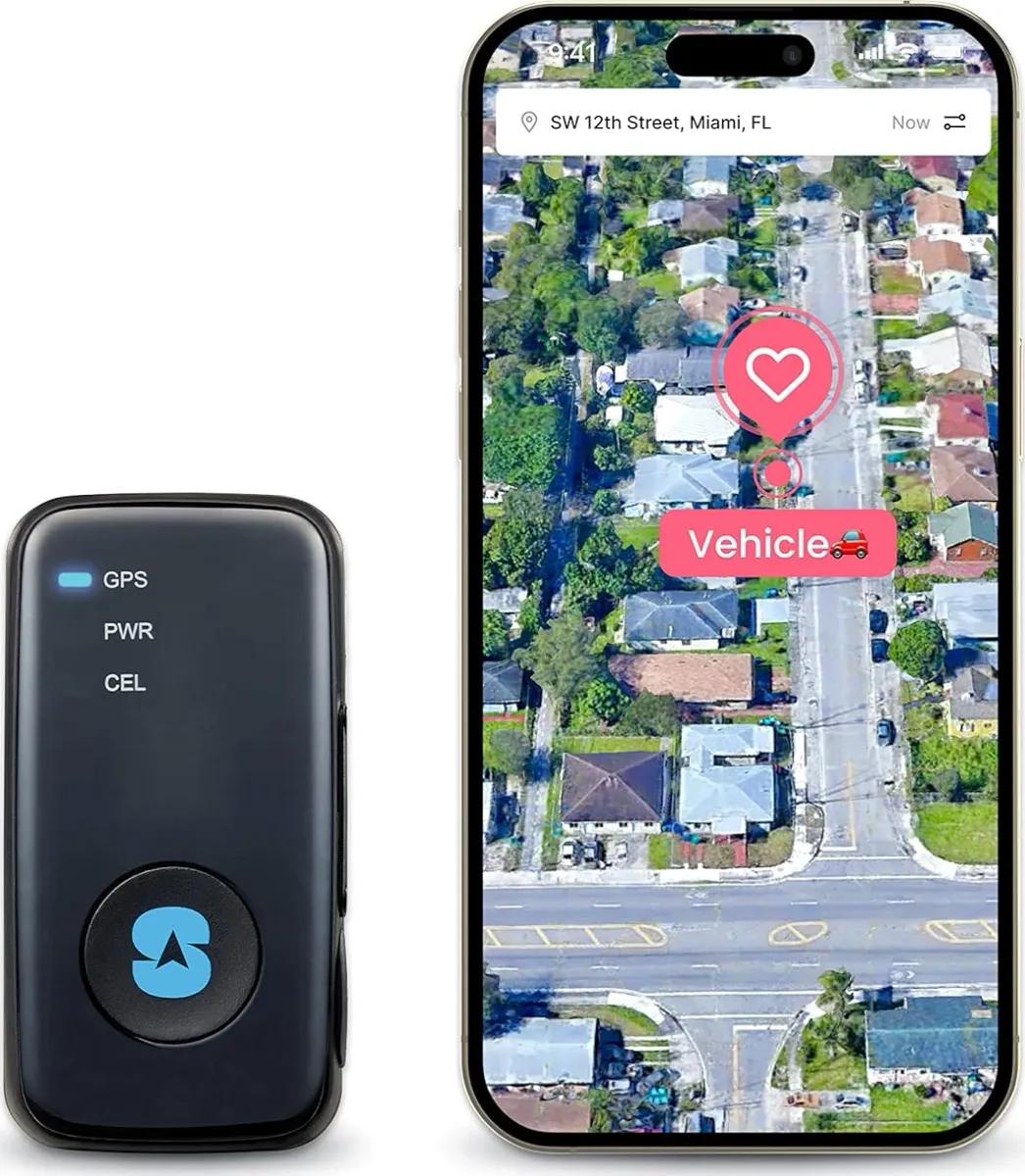
School bus tracking systems use GPS technology, real-time monitoring, cloud computing, and mobile applications to track school buses and improve transportation safety. Parents and school administrators can monitor bus locations, arrival times, routes, and student transportation activities in real time.
As schools continue adopting digital solutions, school bus tracking systems are becoming essential for improving student safety and transportation management.
What Is a School Bus Tracking System?
A school bus GPS tracking system is a GPS-enabled technology used to monitor the live location and movement of school buses.
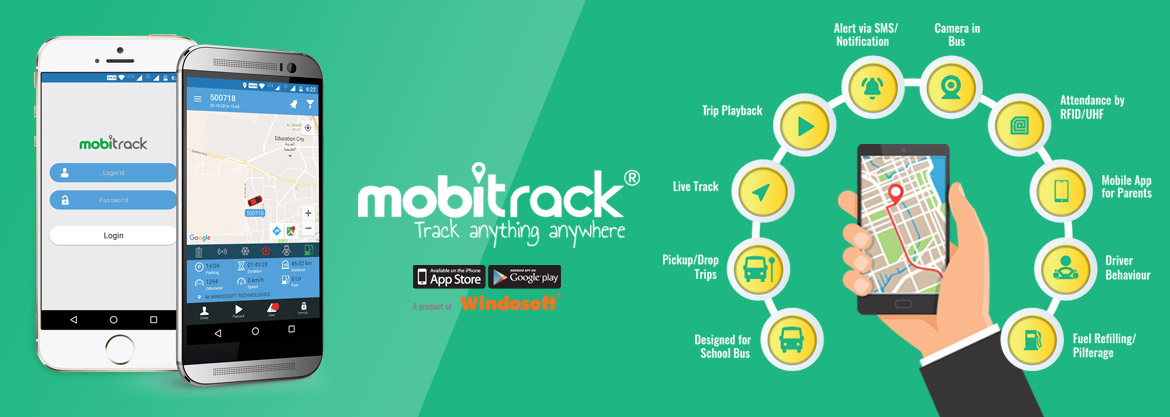
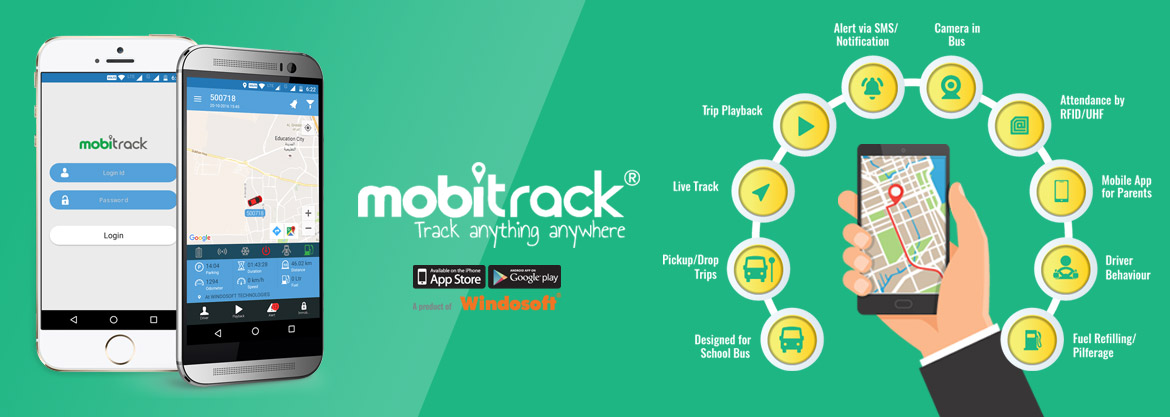
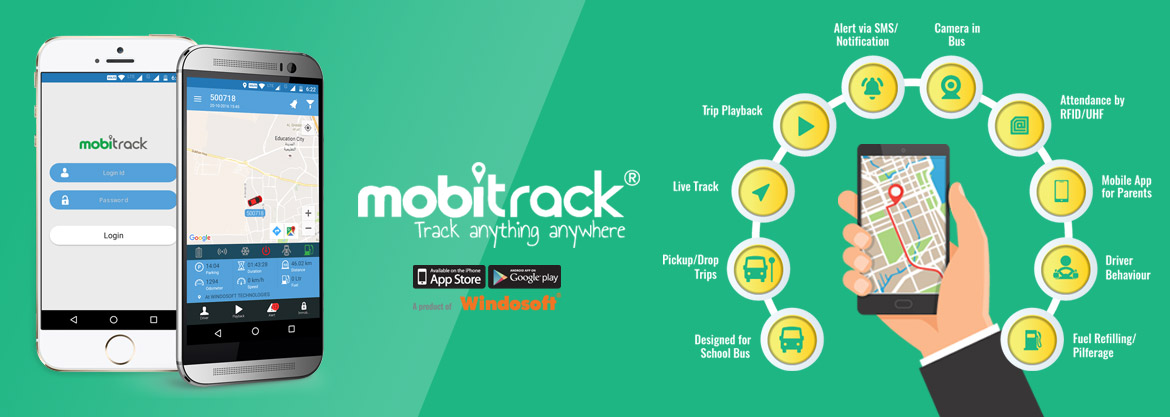
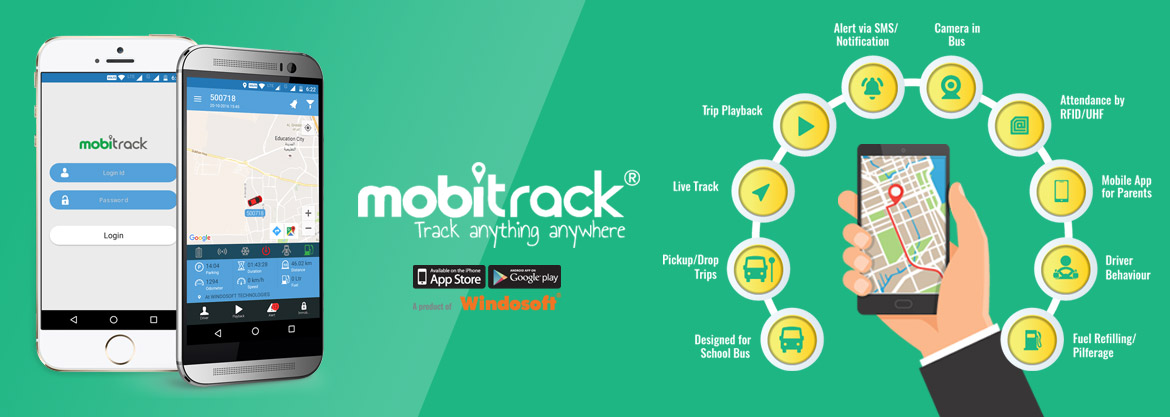
Modern school bus tracking systems provide:
- Real-time bus tracking
- Route monitoring
- Arrival and departure alerts
- Driver behavior monitoring
- Student pickup notifications
- Geofencing alerts
- Cloud-based reporting
These features improve safety, communication, and transportation efficiency.
Importance of School Bus Tracking in 2026
Traditional school transportation systems often create concerns for parents and school authorities.
Common challenges include:
- Bus delays
- Lack of communication
- Student safety concerns
- Route confusion
- Unauthorized vehicle use
- Driver monitoring issues
School bus tracking systems help solve these problems through live monitoring and smart transportation management.
Real-Time Bus Tracking for Parents
One of the biggest advantages of school bus tracking systems is live bus visibility.
Parents can monitor:
- Bus location
- Estimated arrival time
- Route progress
- Pickup and drop timing
This provides peace of mind and improves communication between schools and parents.
Improved Student Safety
Student safety is the primary reason schools use GPS tracking systems.
Tracking systems help improve safety through:
- Real-time vehicle monitoring
- Emergency alerts
- Geofencing notifications
- Route tracking
- Driver activity monitoring
Schools can quickly respond to emergencies and transportation issues.
Better Driver Monitoring
Driver behavior directly affects student safety.
School bus tracking systems monitor:
- Overspeeding
- Harsh braking
- Sudden acceleration
- Route deviations
- Long idle periods
School administrators can improve driver discipline and reduce accident risks.
Accurate Arrival and Delay Notifications
Parents often worry about unexpected school bus delays.
GPS-enabled tracking systems provide:
- Live arrival updates
- Delay notifications
- Route progress information
- Pickup timing alerts
This improves communication and transportation transparency.
Route Optimization and Fuel Efficiency
School transportation systems must operate efficiently.
GPS tracking helps optimize:
- Bus routes
- Travel distances
- Traffic management
- Fuel usage
Efficient route planning reduces transportation costs and improves operational performance.
Enhanced Vehicle Security
School buses require strong security systems.
GPS tracking improves vehicle security through:
- Live location tracking
- Unauthorized movement alerts
- Geofencing notifications
- Theft prevention support
School authorities can monitor buses more effectively.
AI and Smart Transportation Technology
Artificial Intelligence is making school transportation systems smarter.
AI-powered school bus systems can:
- Predict traffic delays
- Suggest optimized routes
- Analyze driver behavior
- Improve transportation scheduling
- Generate automated operational reports
Automation improves transportation efficiency and safety.
Cloud-Based School Transportation Management
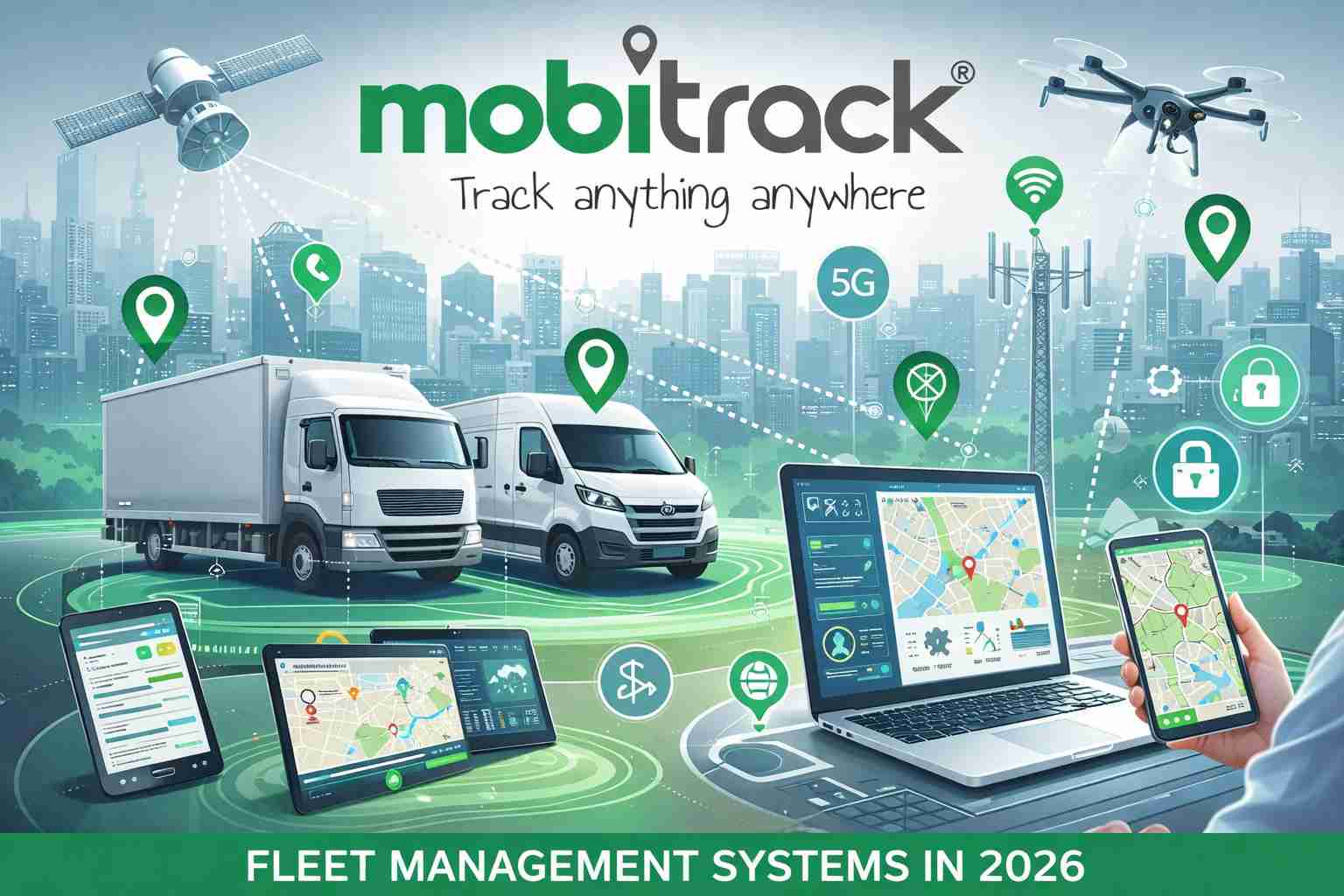
Cloud technology allows schools to manage transportation operations remotely.
Administrators can access information using:
- Smartphones
- Tablets
- Web dashboards
- Laptops
Cloud-based systems improve accessibility and operational flexibility.
Better Communication Between Schools and Parents
Modern school bus tracking systems improve communication through:
- Mobile app notifications
- SMS alerts
- Live tracking updates
- Emergency notifications
Parents stay informed about student transportation activities at all times.
Importance for Smart Schools in 2026
Smart schools are adopting advanced digital technologies for better operational management.
School bus tracking systems support:
- Student safety programs
- Digital transportation management
- Smart campus operations
- Better parent communication
Technology-driven schools are improving overall educational experiences.
Environmental Sustainability Benefits
GPS-enabled school transportation systems support eco-friendly operations through:
- Optimized routes
- Reduced idle time
- Lower fuel consumption
- Reduced carbon emissions
Sustainable transportation practices are becoming increasingly important worldwide.
Future of School Bus Tracking Technology
The future of school transportation technology looks highly advanced.
Upcoming innovations include:
- AI-powered transportation automation
- Smart student attendance systems
- Facial recognition integration
- Autonomous school buses
- Advanced IoT connectivity
- Voice-enabled transportation management
These technologies will further improve student transportation safety and efficiency.
Competitive Advantages for Schools
Schools using advanced transportation systems gain several benefits such as:
- Improved student safety
- Better parent satisfaction
- Efficient transportation management
- Reduced operational costs
- Stronger school reputation
Modern transportation systems help schools build trust with parents.
Conclusion
School bus tracking systems are becoming essential in the digital yug of 2026. They improve student safety, transportation efficiency, communication, and operational transparency.
As schools continue embracing digital transformation, GPS-enabled school transportation systems will play a major role in creating safer and smarter educational environments.























No Comments