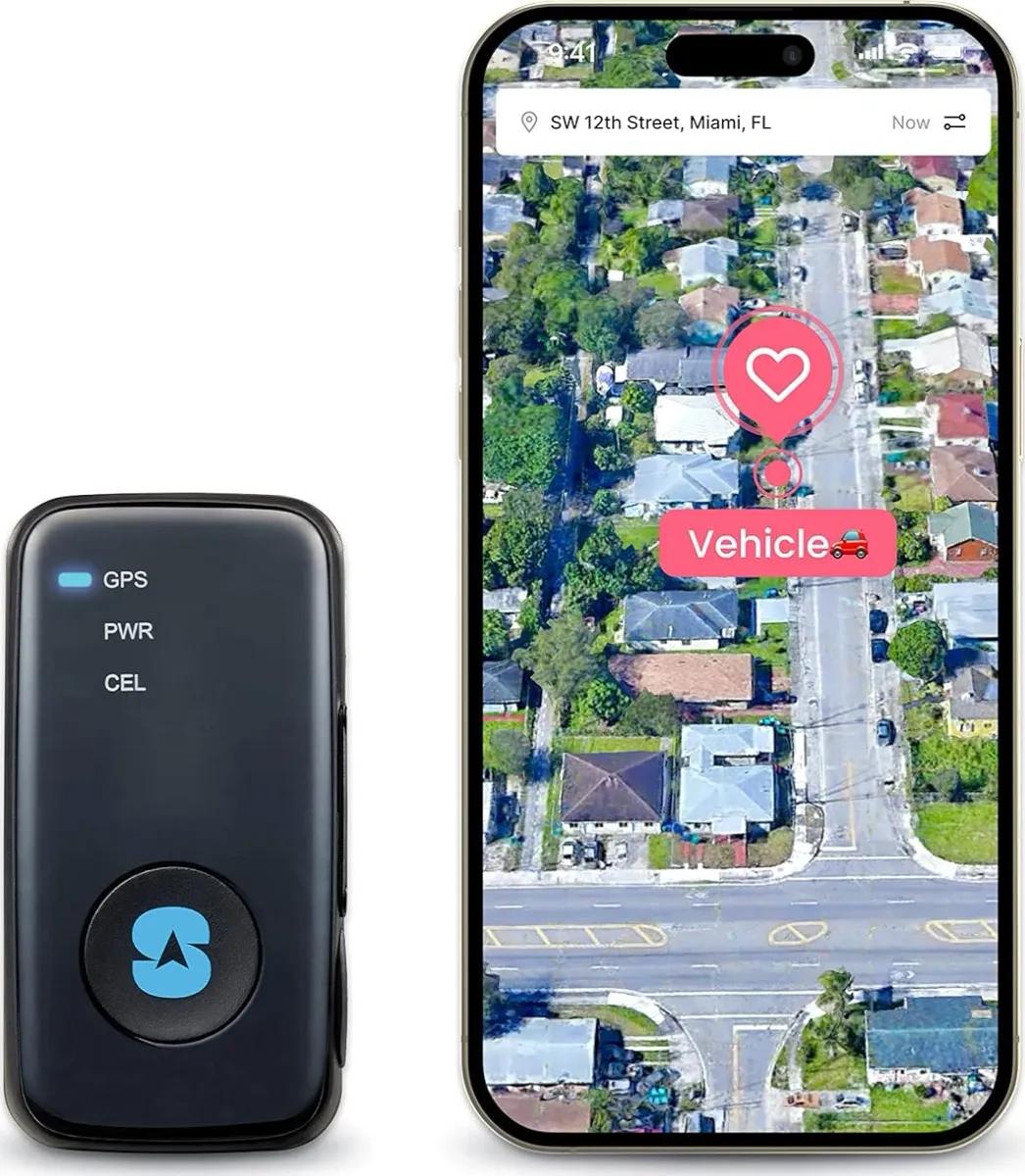


A vehicle is an important investment for individuals and businesses. Whether it is a personal car, company vehicle, delivery vehicle, or service car, knowing where it is and how it is being used can provide valuable peace of mind.
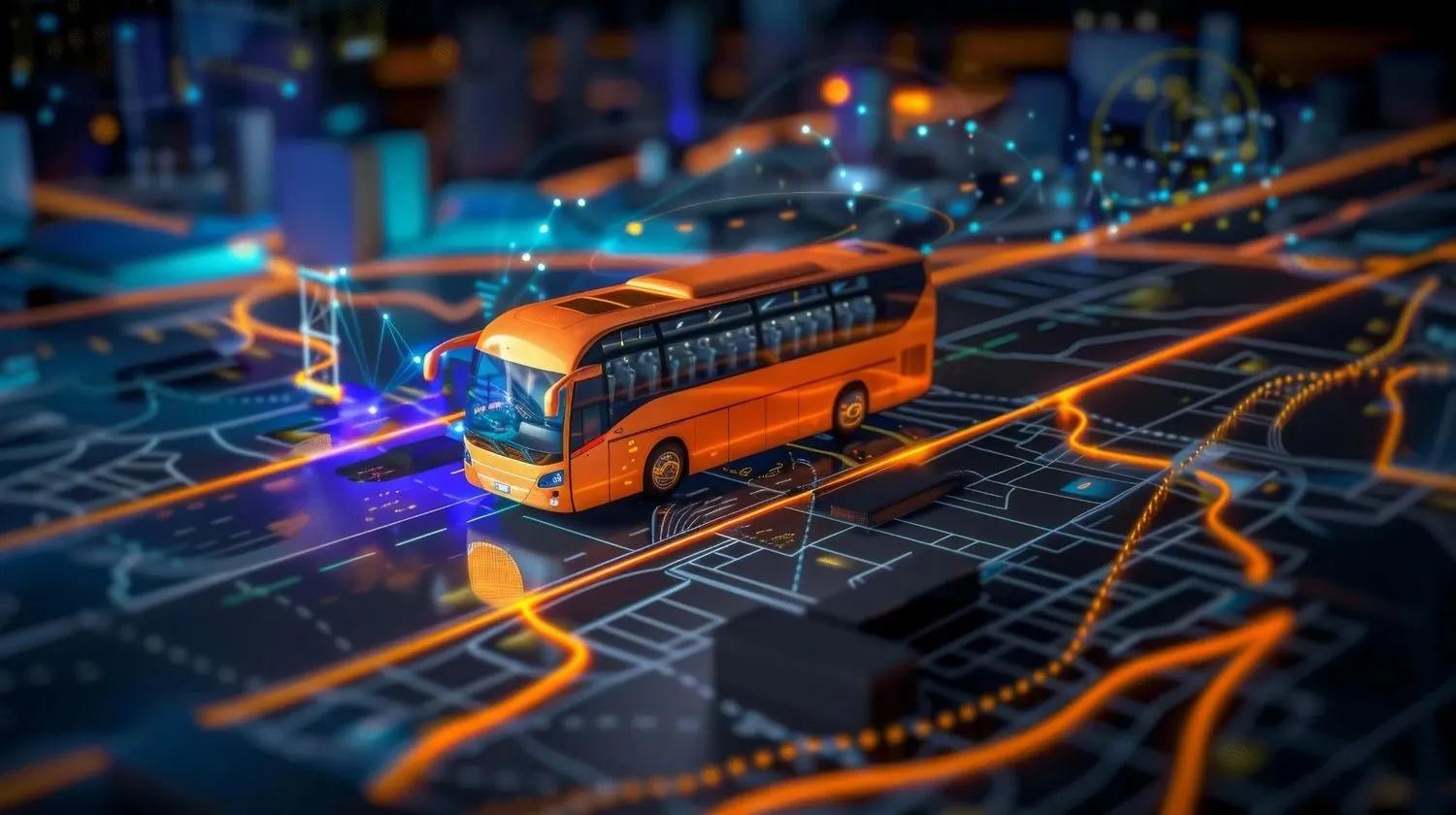
A Car Tracker uses GPS technology to provide information about a vehicle’s location and movement. Depending on the tracking system, users can also access journey history, speed information, geofencing alerts, and other vehicle-related data.
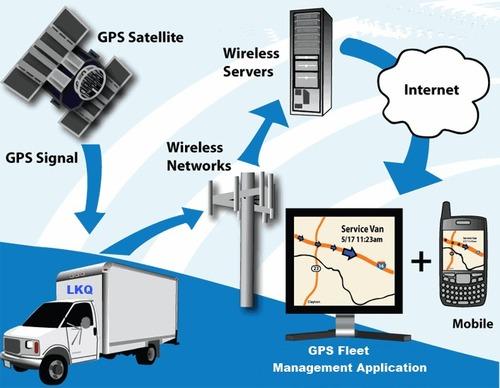
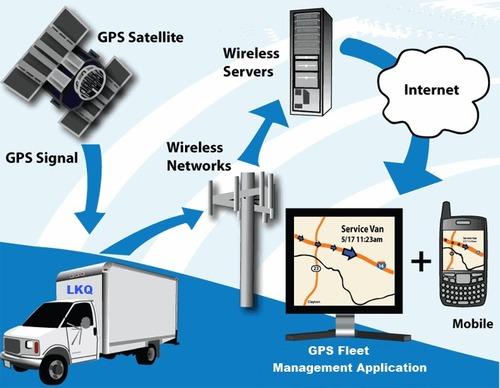
For businesses, a car tracker can become part of a broader GPS Tracking System that helps manage multiple vehicles. For individual vehicle owners, it can provide an additional layer of visibility and security.
What Is a Car Tracker?
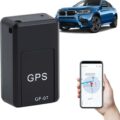
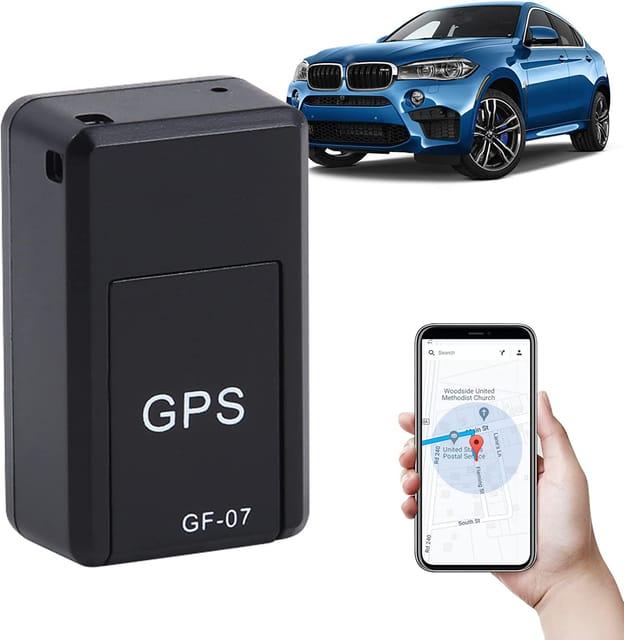
A car tracker is a GPS-enabled device designed to monitor a vehicle’s location.
The device communicates with a tracking platform, allowing authorized users to access vehicle information through a website or mobile application.
Depending on the device, available features may include:
- Real-time location
- Trip history
- Speed monitoring
- Geofencing
- Movement alerts
- Mileage information
- Driving behavior
- Vehicle activity
Some advanced systems can also integrate with additional sensors and vehicle data.
Why Use a Car Tracker?
There are several reasons vehicle owners and businesses choose GPS tracking.
Common objectives include:
- Improving vehicle security
- Monitoring vehicle location
- Managing business vehicles
- Reviewing journeys
- Improving driver accountability
- Reducing unnecessary travel
- Supporting vehicle recovery
- Monitoring vehicle usage
The most appropriate features depend on the vehicle and the owner’s specific requirements.
1. Know Your Vehicle’s Location
The primary function of a car tracker is location monitoring.
A GPS Tracker can show where a vehicle is currently located or where it was previously located.
This can be useful when:
- A family member is using the vehicle
- An employee is driving a company car
- A delivery is in progress
- A service vehicle is traveling between customers
Location visibility can make vehicle management easier.
2. Improve Vehicle Security
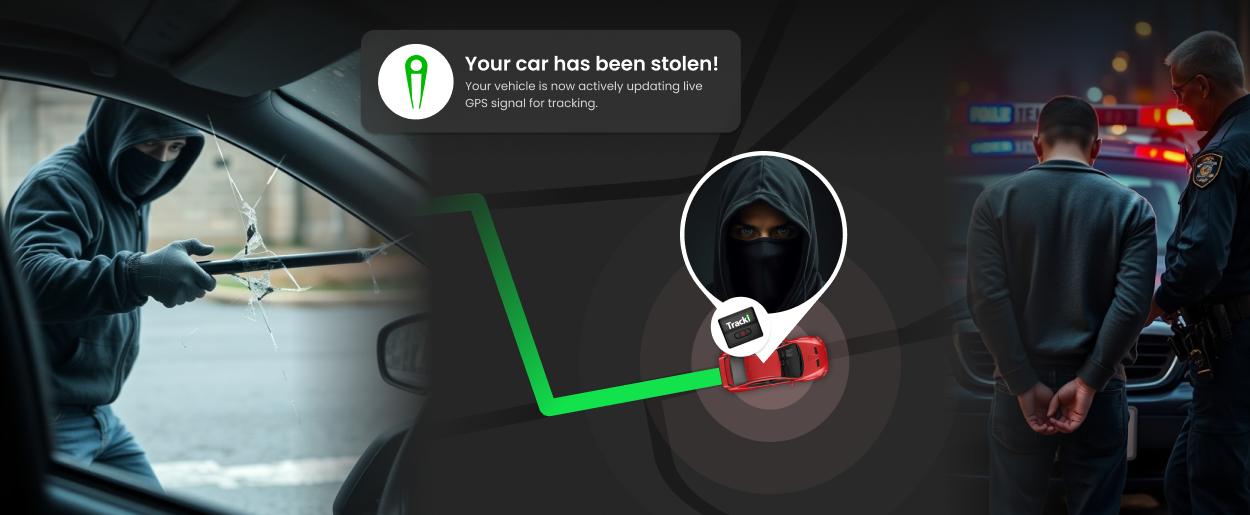
A car tracker can provide an additional security layer for valuable vehicles.
If unexpected vehicle movement occurs, the tracking platform may be able to send an alert.
For example, an owner could configure notifications for:
- Unexpected movement
- After-hours activity
- Leaving a designated area
- Entering a restricted zone
GPS tracking does not physically prevent theft, but location information can support investigation and recovery efforts.
3. Use Geofencing
Geofencing allows users to create virtual boundaries around specific locations.
For example, a vehicle owner could establish a geofence around:
- Home
- Office
- Parking area
- Business premises
- Regular service locations
The system can provide an alert when the vehicle enters or leaves the selected area.
4. Review Journey History
A Vehicle Tracking System can store historical journey information.
Users can review:
- Starting location
- Destination
- Route
- Travel time
- Stops
- Distance traveled
This can be useful for businesses that need to understand vehicle utilization.
5. Monitor Driving Behavior
Some advanced car tracking systems provide driver behavior information.
Depending on the available hardware, users may be able to identify:
- Speeding
- Harsh braking
- Rapid acceleration
- Sharp cornering
- Excessive idling
Businesses can use this information as part of driver safety and training programs.
6. Improve Business Vehicle Management
Small and medium-sized businesses may operate several cars for employees, sales teams, technicians, or delivery staff.
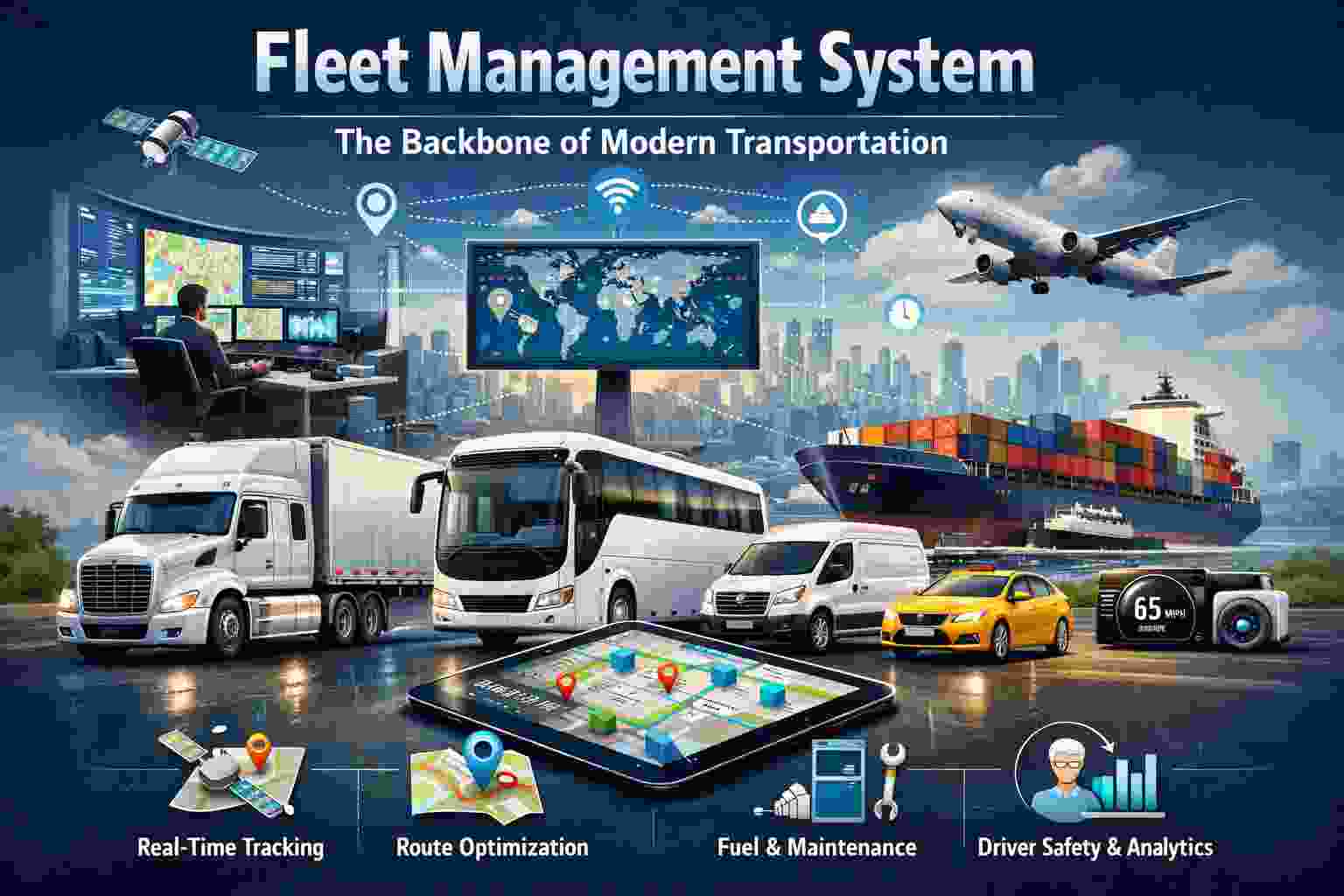
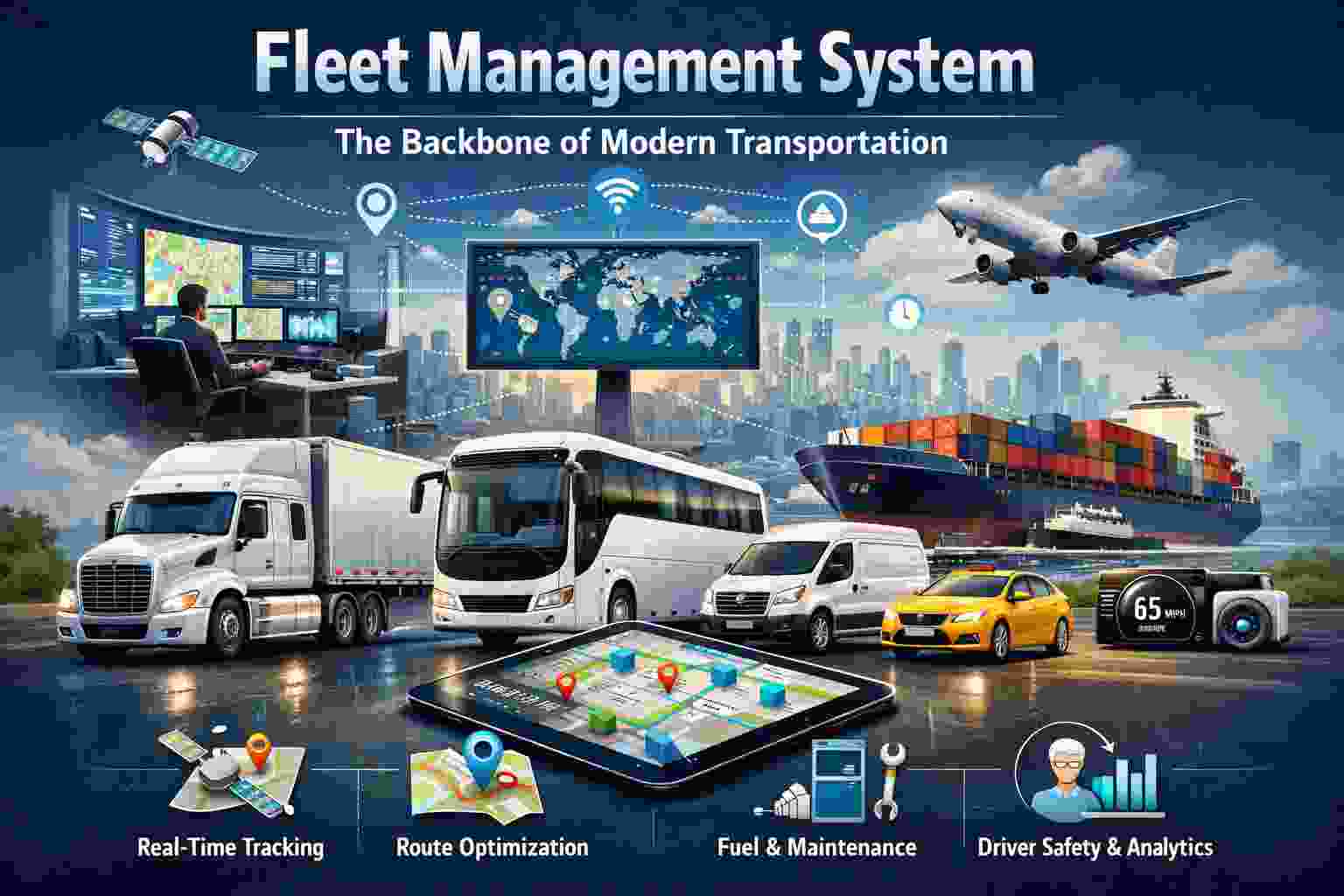
A Fleet Management System can bring multiple vehicles together on one platform.
Managers can monitor:
- Vehicle locations
- Mileage
- Routes
- Driver activity
- Vehicle utilization
This makes it easier to coordinate vehicles and allocate work.
7. Support Better Route Planning
Historical GPS information can help identify inefficient routes.
Businesses can analyze:
- Distance traveled
- Travel time
- Repeated routes
- Unnecessary detours
- Long stops
This information can support better route planning and scheduling.
8. Reduce Unnecessary Fuel Usage
A car tracker can help businesses identify activities that contribute to unnecessary fuel consumption.
These may include:
- Excessive idling
- Unnecessary trips
- Long detours
- Aggressive driving
- Unauthorized vehicle use
For more detailed fuel monitoring, a compatible Fuel Sensor can be integrated with the tracking platform.
9. Improve Vehicle Maintenance
Vehicle maintenance is important for both personal and business vehicles.
Some tracking platforms can help monitor:
- Mileage
- Engine hours
- Service intervals
- Maintenance schedules
Maintenance reminders can help owners avoid overlooking routine servicing.
10. Improve Customer Service
Businesses that provide mobile services can use vehicle tracking to improve customer communication.
For example, a company can identify which service vehicle is closest to a customer location.
This can help with:
- Job scheduling
- Technician allocation
- Delivery coordination
- Arrival estimates
Types of Car Trackers
Different tracking devices are available for different requirements.
Wired Car Tracker
A wired tracker is connected to the vehicle’s electrical system.
Benefits
- Continuous power
- Permanent installation
- Suitable for long-term use
This type can be useful for business vehicles that remain in service for extended periods.
OBD Car Tracker
An OBD tracker connects to a compatible vehicle diagnostic port.
Benefits
- Easy installation
- Quick deployment
- Convenient for many compatible vehicles
It can be suitable for businesses that want to deploy tracking devices quickly.
Battery-Powered Car Tracker
A battery-powered GPS device operates independently of the vehicle’s electrical system.
Benefits
- Portable
- Flexible installation
- Useful for temporary applications
Battery life varies according to the device and tracking configuration.
Car Tracker Features to Look For
Before purchasing a GPS device, consider the following features.
Real-Time Tracking
Provides current vehicle location information.
Historical Tracking
Allows users to review previous journeys.
Geofencing
Creates virtual boundaries and location alerts.
Movement Alerts
Notifies users about unexpected vehicle activity.
Speed Monitoring
Provides information about vehicle speed.
Mobile Application
Allows authorized users to monitor vehicles remotely.
Reporting
Provides useful information about routes, mileage, and vehicle activity.
How to Choose the Right Car Tracker
Choosing the right tracker depends on how the vehicle will be used.
For Personal Vehicles
Prioritize:
- Location tracking
- Security alerts
- Geofencing
- Mobile access
- Easy installation
For Business Vehicles
Consider:
- Multi-vehicle management
- Driver monitoring
- Route history
- Reporting
- Maintenance
- Fuel monitoring
- Fleet management integration
For Delivery Vehicles
Look for:
- Real-time tracking
- Route management
- Geofencing
- Driver monitoring
- Customer-facing tracking options
Car Tracker Installation
Installation requirements vary by device.
Plug-In Devices
These are generally simple to install on compatible vehicles.
Wired Devices
These may require professional installation to connect to the vehicle’s electrical system correctly.
Battery Devices
These can provide flexible installation but require periodic battery management.
Always follow the manufacturer’s installation instructions.
Car Tracker and Privacy
Vehicle tracking should be implemented responsibly.
Businesses should clearly communicate tracking policies to employees and explain:
- What is being tracked
- Why tracking is required
- Who can access the information
- How tracking data is stored
- How long information is retained
Tracking practices should comply with applicable privacy, employment, and data-protection requirements.
Common Car Tracker Mistakes
Vehicle owners and businesses should avoid:
- Choosing a device based only on price
- Ignoring connectivity requirements
- Buying hardware that is incompatible with the vehicle
- Failing to configure important alerts
- Not checking software functionality
- Ignoring battery requirements
- Installing devices incorrectly
The device and tracking platform should be evaluated together.
Car Tracker for Different Vehicles
GPS tracking is not limited to standard passenger cars.
Compatible tracking devices can also be used for:
- Delivery vans
- Company cars
- Service vehicles
- Rental vehicles
- Commercial vehicles
- Light trucks
- Some specialized equipment
The appropriate device depends on the vehicle and tracking requirements.
Frequently Asked Questions
What does a car tracker do?
A car tracker uses GPS technology to provide information about a vehicle’s location and movement.
Can a car tracker help recover a stolen vehicle?
It can provide location information that may support recovery efforts. However, it should not be considered a guarantee of recovery.
Can I track my car from my phone?
Many GPS tracking platforms provide mobile applications that allow authorized users to view vehicle information remotely.
Can a car tracker monitor speed?
Many tracking systems can record vehicle speed or speed-related events, depending on the hardware and vehicle data available.
Can a car tracker reduce fuel costs?
For business vehicles, tracking can help identify unnecessary trips, excessive idling, and inefficient routes that may contribute to higher fuel consumption.
Does every car tracker require professional installation?
No. Some devices are designed for plug-in or portable installation, while others may require professional wiring.
The Future of Car Tracking Technology
Vehicle tracking technology continues to develop as connected vehicles become more common.
Future systems are likely to increasingly combine GPS with:
- Artificial Intelligence
- IoT sensors
- Predictive maintenance
- Advanced vehicle diagnostics
- Automated alerts
- Connected vehicle platforms
These technologies can provide more detailed information about how vehicles are used and maintained.
Conclusion
A Car Tracker provides useful visibility into vehicle location, movement, and usage. For personal vehicles, it can provide an additional layer of security and convenience. For businesses, it can become part of a larger Vehicle Tracking System and Fleet Management System.
By combining real-time tracking, geofencing, journey history, driver monitoring, maintenance information, and optional sensor integrations, businesses can make better decisions about their vehicles.
The right GPS tracker should match the vehicle, operating environment, budget, and tracking objectives. With the right system in place, GPS technology can make vehicle management more organized, transparent, and efficient.


























No Comments