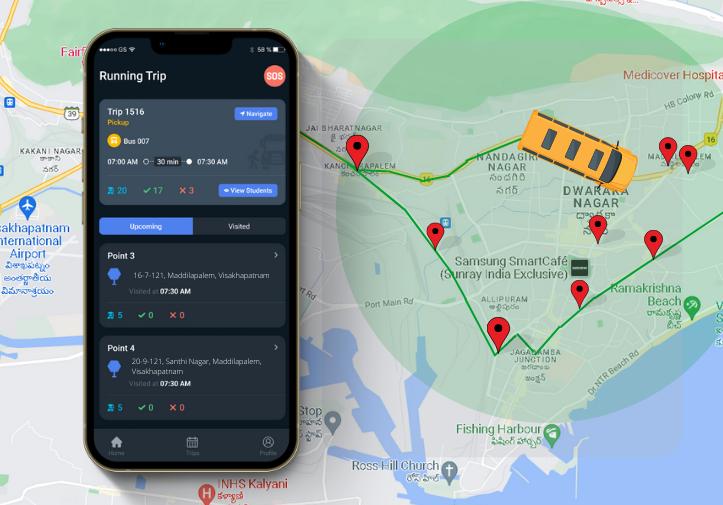


Student safety is one of the highest priorities for schools and transportation providers. Every day, thousands of students depend on school buses to travel safely between home and school. Parents, school administrators, and transportation managers all need confidence that buses are operating safely, efficiently, and on schedule. A modern GPS tracking system provides the visibility and control necessary to achieve these goals.
GPS tracking technology has transformed school transportation by enabling real-time monitoring, improved communication, enhanced safety measures, and better route management. Schools can now track buses live, notify parents about arrivals, monitor driver behavior, and respond quickly to emergencies.
At Mobitrack, we provide advanced GPS tracking solutions that help educational institutions create safer and more efficient transportation systems. This guide explores how GPS tracking systems improve school bus safety and transportation efficiency.
Understanding GPS Tracking Systems for School Buses
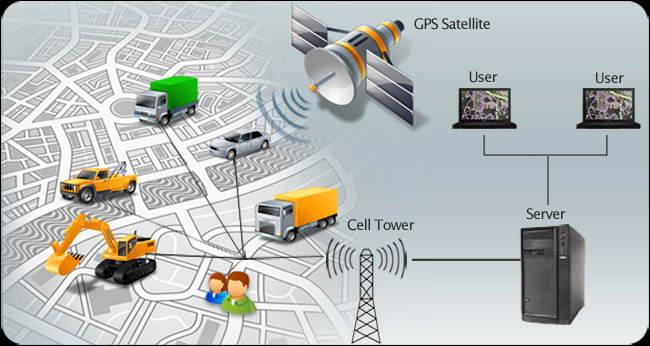
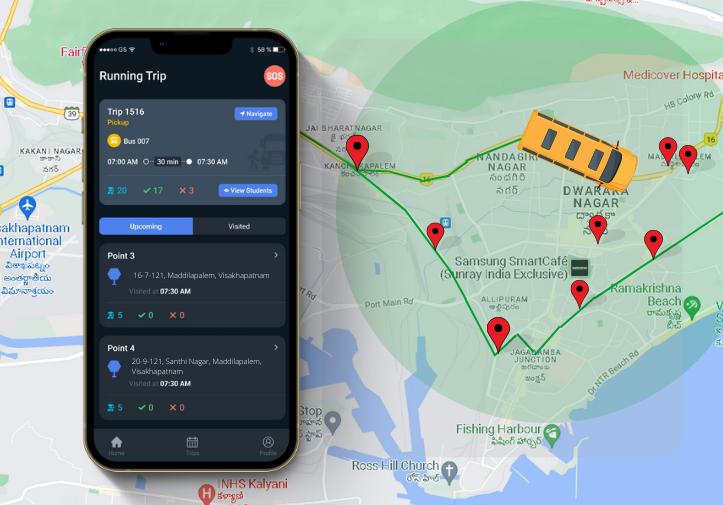
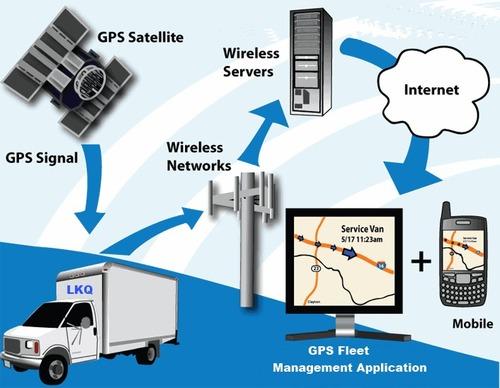
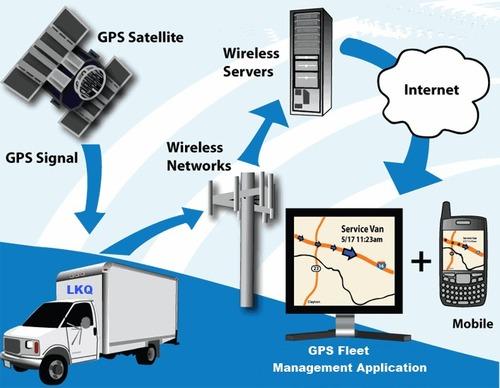
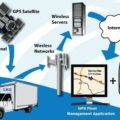
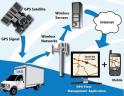
A GPS tracking system uses satellite technology and onboard tracking devices to monitor vehicle locations in real time.
The system continuously collects information such as:
- Vehicle location
- Speed
- Route progress
- Driver activity
- Stop durations
- Arrival and departure times
This data is transmitted to a cloud-based platform accessible through mobile apps and web dashboards.
Transportation managers, school administrators, and authorized parents can access relevant information based on their permissions.
Why School Transportation Needs GPS Tracking
Traditional school transportation management often relies on:
- Manual communication
- Driver updates
- Fixed schedules
- Limited visibility
These methods can create uncertainty and make it difficult to respond quickly when issues arise.
GPS tracking systems provide:
- Real-time visibility
- Improved communication
- Enhanced accountability
- Better operational control
These advantages help schools improve both safety and service quality.
Improving Student Safety with GPS Tracking
Student safety is the primary reason many schools adopt GPS tracking technology.
Real-Time Bus Monitoring
Transportation managers can monitor bus locations at all times.
Benefits include:
- Continuous visibility
- Faster response to incidents
- Improved route oversight
- Enhanced operational awareness
Knowing the exact location of every bus helps schools maintain better control over transportation operations.
Faster Emergency Response
Emergencies can occur unexpectedly due to:
- Traffic accidents
- Mechanical failures
- Severe weather
- Medical situations
GPS tracking allows administrators to:
- Identify vehicle locations instantly
- Contact drivers quickly
- Coordinate emergency services
- Provide accurate information to parents
Rapid response capabilities improve student safety and reduce uncertainty.
Driver Behavior Monitoring
Driver performance plays a major role in transportation safety.
GPS tracking systems monitor:
- Speeding
- Harsh braking
- Rapid acceleration
- Excessive idling
Benefits
- Improved driver accountability
- Reduced accident risks
- Safer transportation environments
- Better driver training opportunities
Monitoring driving habits encourages safer behavior behind the wheel.
Enhancing Parent Confidence
Parents want reassurance that their children are traveling safely.
GPS tracking systems provide transparency through:
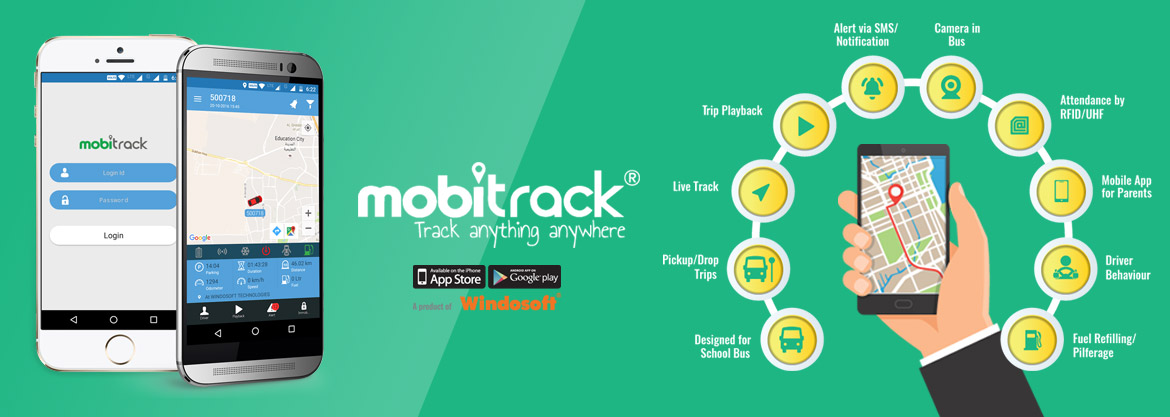
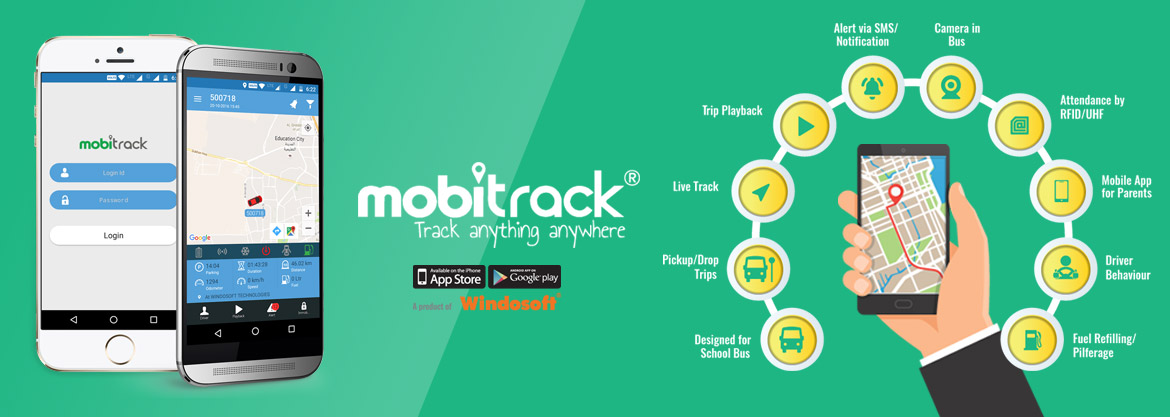
Live Bus Tracking
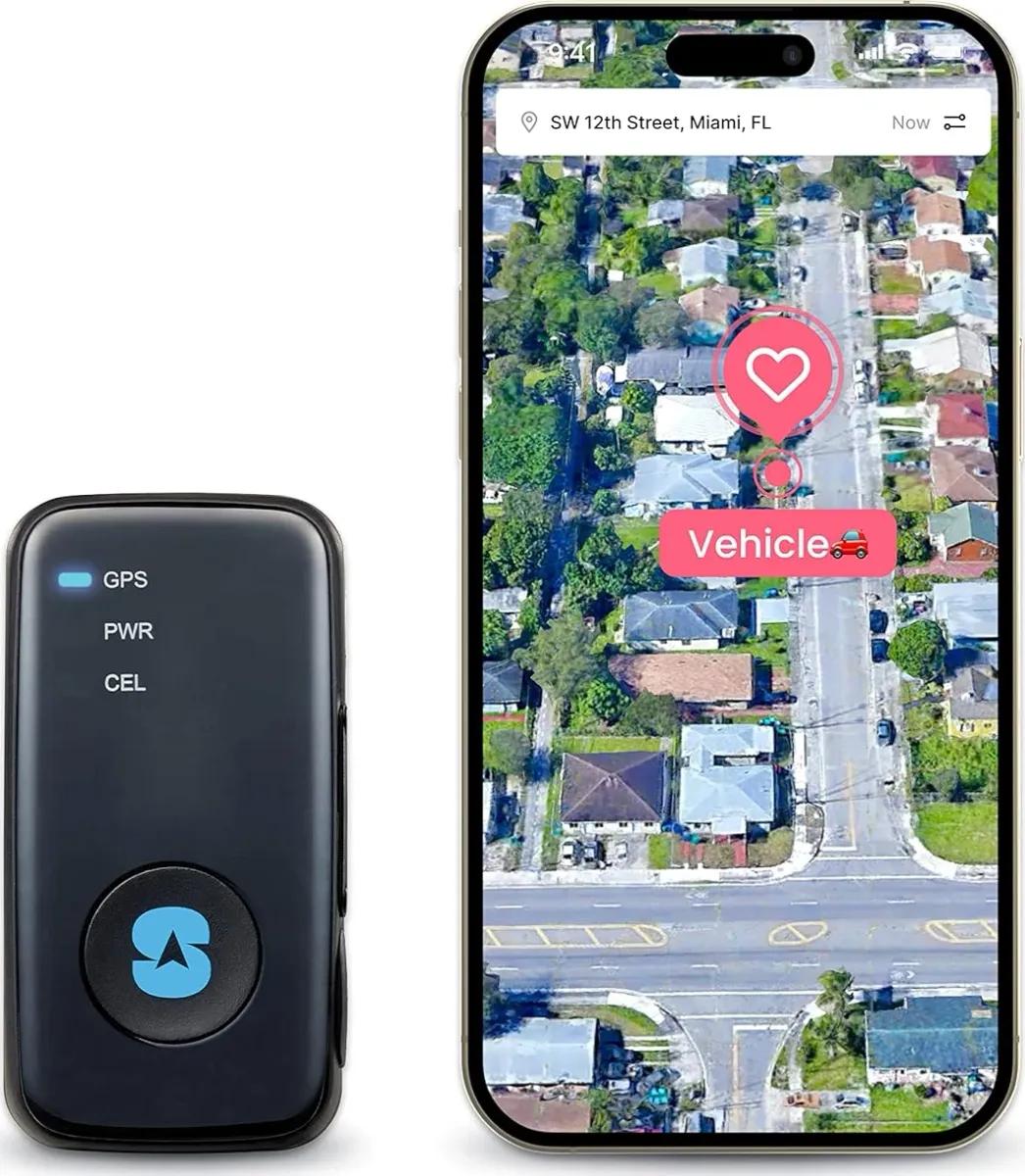
Parents can view bus locations in real time using mobile applications.
Arrival Notifications
Automatic alerts can notify parents when:
- The bus is approaching
- The bus arrives at a stop
- The bus departs from school
Delay Notifications
Parents receive updates regarding:
- Traffic delays
- Route changes
- Weather disruptions
These communication tools reduce uncertainty and improve convenience.
Improving Transportation Efficiency
Safety is critical, but transportation efficiency is also important for schools.
GPS tracking helps optimize operations in several ways.
Route Optimization
Efficient routes reduce travel time and transportation costs.
The system helps managers:
- Identify inefficient routes
- Avoid traffic congestion
- Reduce unnecessary mileage
- Improve scheduling
Benefits
- Faster student transportation
- Lower fuel consumption
- Reduced operating costs
- Improved reliability
Optimized routes enhance both efficiency and service quality.
Better Fleet Utilization
GPS tracking helps schools understand how buses are being used.
Managers can identify:
- Underutilized vehicles
- Scheduling gaps
- Route overlaps
- Capacity issues
Improved utilization helps schools maximize transportation resources.
Geofencing for Additional Safety
Geofencing allows schools to create virtual boundaries around important locations.
Examples include:
- School campuses
- Bus depots
- Approved routes
- Designated stops
Benefits
- Route compliance monitoring
- Unauthorized movement alerts
- Improved accountability
- Enhanced security
Geofencing provides another layer of oversight for transportation operations.
Attendance and Student Tracking Integration
Some advanced school transportation systems integrate GPS tracking with student attendance technologies.
Features may include:
- Student check-in tracking
- RFID card integration
- Boarding verification
- Attendance reporting
Benefits
- Greater student accountability
- Improved communication
- Enhanced safety monitoring
These systems provide schools with greater visibility into student transportation activities.
Fuel Cost Reduction
School transportation fleets often operate under tight budgets.
GPS tracking helps reduce fuel costs through:
Route Optimization
Shorter routes require less fuel.
Reduced Idling
Managers can identify and address excessive idling.
Improved Driving Habits
Safer driving behaviors improve fuel efficiency.
Better Fleet Planning
Accurate data supports more efficient resource allocation.
Lower fuel expenses help schools allocate resources more effectively.
Maintenance Management Benefits
Reliable buses are essential for student safety and transportation consistency.
GPS tracking systems support preventive maintenance through:
- Mileage tracking
- Service reminders
- Vehicle usage monitoring
- Maintenance scheduling
Benefits
- Reduced breakdown risks
- Lower repair costs
- Improved reliability
- Longer vehicle lifespan
Preventive maintenance helps ensure buses remain safe and dependable.
Data and Reporting Capabilities
Modern GPS tracking systems generate detailed reports covering:
- Vehicle activity
- Driver performance
- Route efficiency
- Fuel consumption
- Maintenance history
Benefits
- Better planning
- Data-driven decisions
- Regulatory compliance support
- Continuous operational improvement
Reporting tools help transportation managers identify opportunities for optimization.
Regulatory Compliance and Accountability
Educational institutions often face strict transportation requirements.
GPS tracking supports compliance through:
Accurate Recordkeeping
The system automatically stores transportation data.
Route Documentation
Schools can verify route adherence and service performance.
Safety Monitoring
Driver behavior reports support safety initiatives.
Audit Preparation
Historical records simplify inspections and reporting requirements.
Automated documentation improves transparency and accountability.
Emerging Trends in School Transportation Technology
Technology continues to improve transportation management capabilities.
Artificial Intelligence (AI)
AI-powered systems help optimize routes and identify safety risks.
Internet of Things (IoT)
Connected sensors provide additional insights into vehicle health and performance.
Cloud-Based Transportation Platforms
Cloud systems allow secure access from any location.
Predictive Maintenance
Advanced analytics help prevent vehicle failures before they occur.
Smart Transportation Automation
Automation reduces administrative workloads while improving efficiency.
These innovations are shaping the future of student transportation.
Why Choose Mobitrack GPS Tracking Solutions?
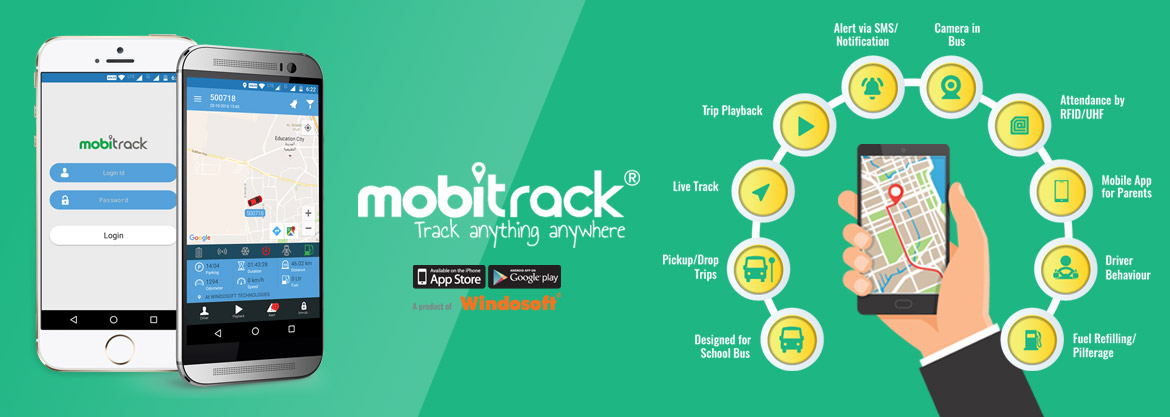
Mobitrack offers advanced GPS tracking systems designed specifically for transportation management.
Our solutions include:
- Real-time GPS tracking
- Parent notification systems
- Geofencing technology
- Driver behavior monitoring
- Route optimization
- Maintenance scheduling
- Advanced reporting
- Mobile and web access
These capabilities help schools improve student safety and transportation efficiency.
Best Practices for Successful Implementation
To maximize the benefits of GPS tracking:
Train Drivers and Staff
Ensure all users understand system features and safety procedures.
Establish Clear Transportation Policies
Define expectations regarding routes, communication, and safety standards.
Monitor Performance Regularly
Review reports and analytics consistently.
Encourage Parent Participation
Provide parents with access to tracking applications and notifications.
Continuously Optimize Routes
Use operational data to improve efficiency over time.
Conclusion
A modern GPS tracking system has become an essential tool for improving school bus safety and transportation efficiency. By providing real-time visibility, enhanced communication, driver monitoring, route optimization, and maintenance support, GPS technology helps schools deliver safer and more reliable transportation services.
As educational institutions continue to prioritize student safety and operational excellence, GPS tracking solutions will play an increasingly important role in transportation management. Schools that embrace these technologies gain greater control, improve parent confidence, and create better transportation experiences for students.
With advanced tracking technology and intelligent fleet management capabilities, Mobitrack helps schools build safer, smarter, and more efficient transportation systems for the future.




















No Comments