


Driver safety is one of the most important responsibilities for businesses operating commercial vehicles. A single unsafe driving event can potentially result in accidents, vehicle damage, delivery delays, increased operating costs, and serious consequences for drivers and other road users.
A Vehicle Tracking System can provide businesses with useful information about vehicle movement and driving patterns. When combined with appropriate fleet management practices, this information can help managers identify risky behaviors, coach drivers, and create safer transportation operations.
GPS tracking is not a replacement for driver training, road safety procedures, or responsible management. Instead, it provides additional data that can support those efforts.
What Is a Vehicle Tracking System?
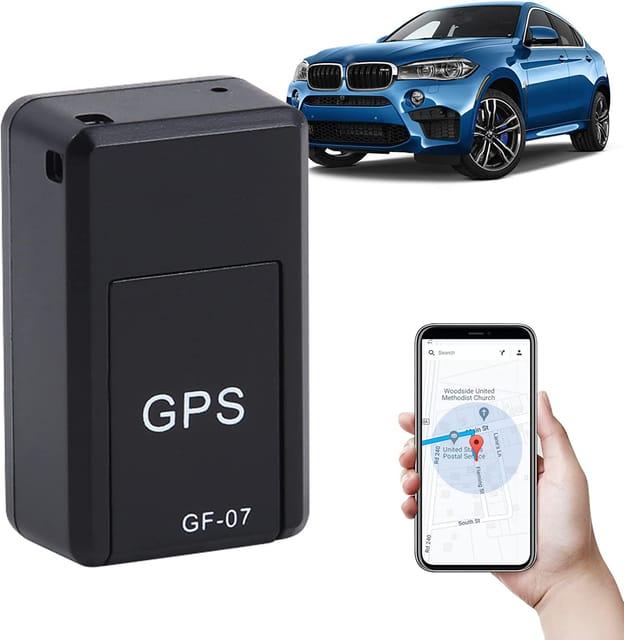
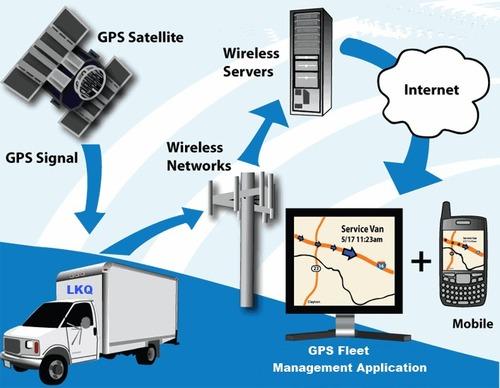
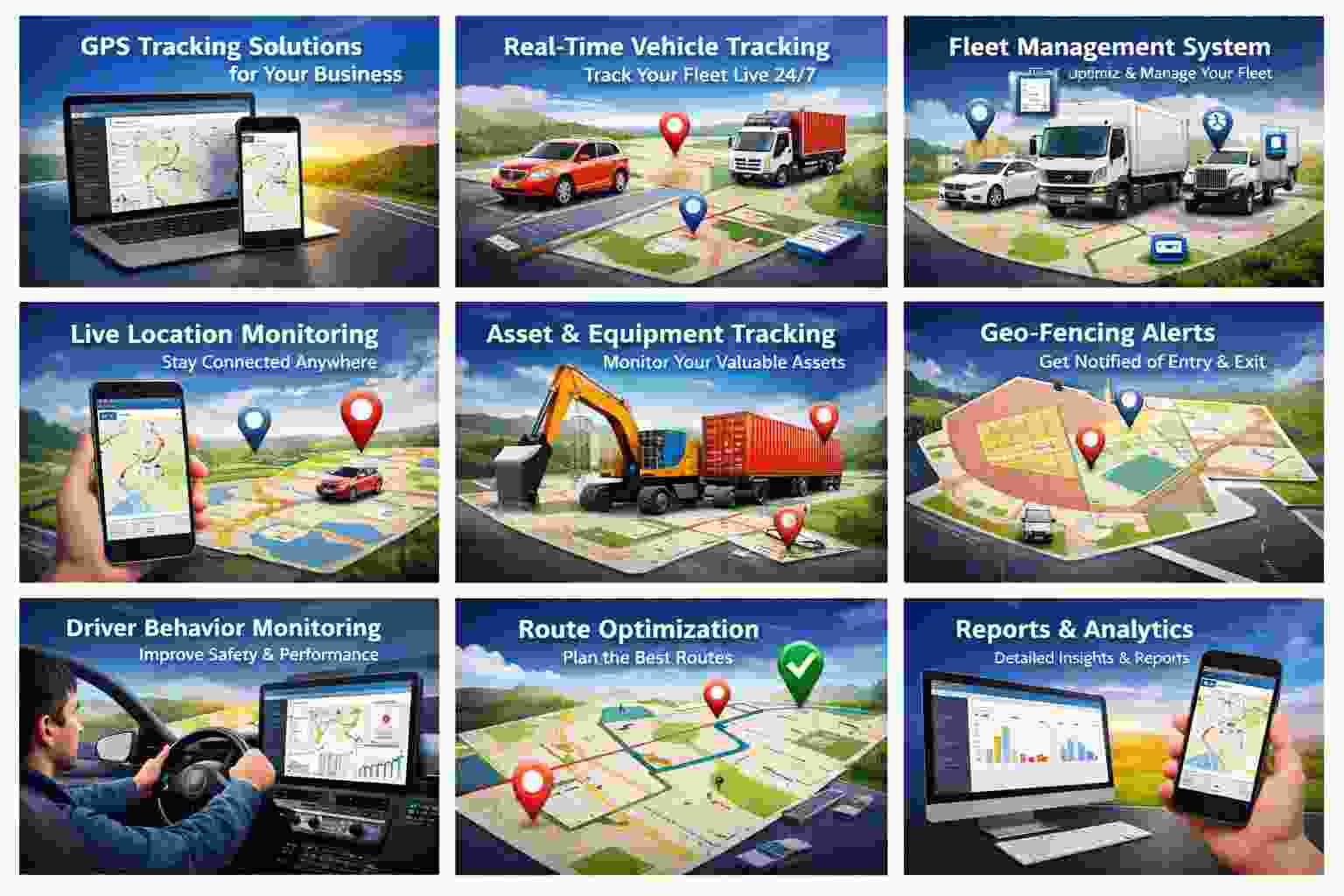
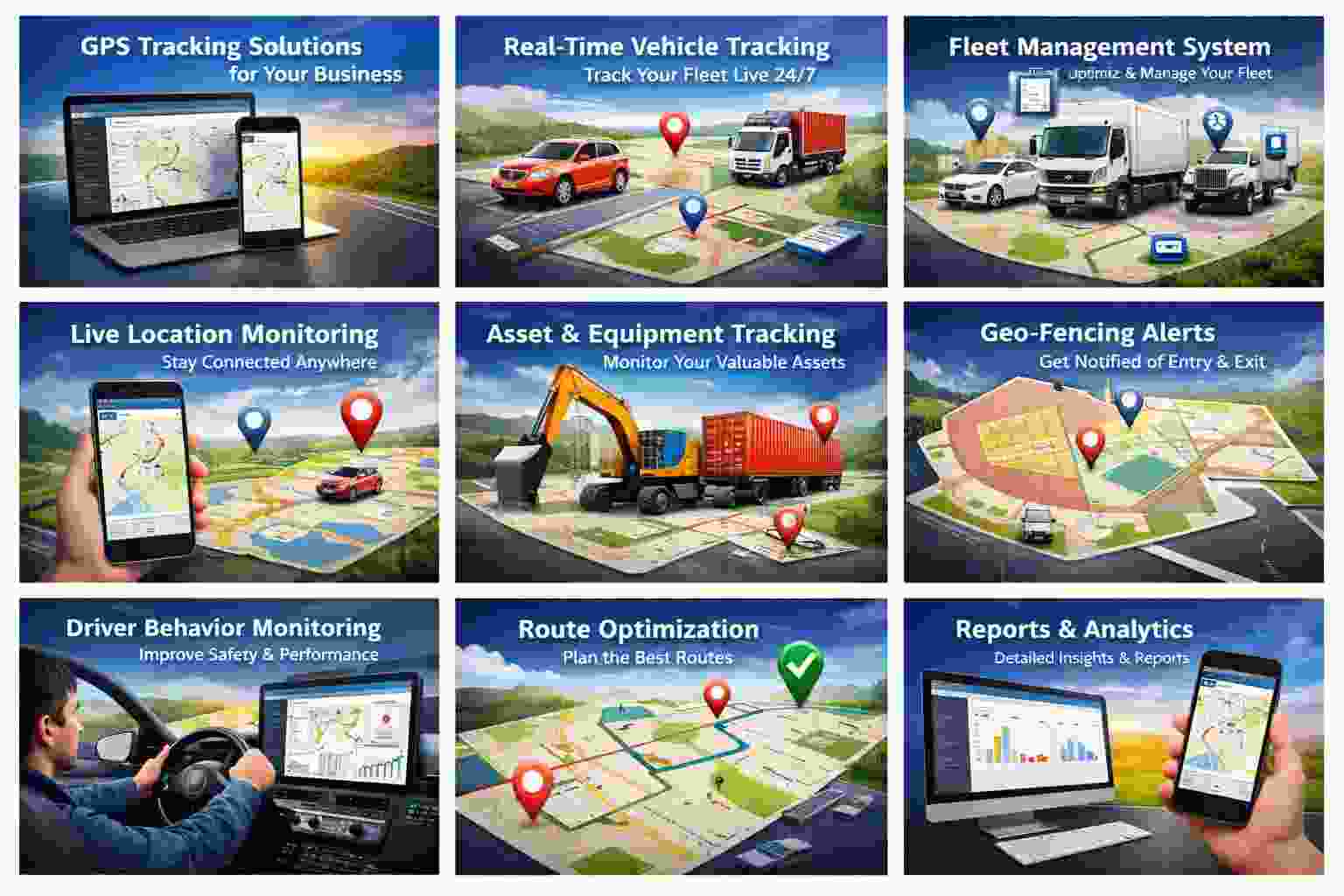
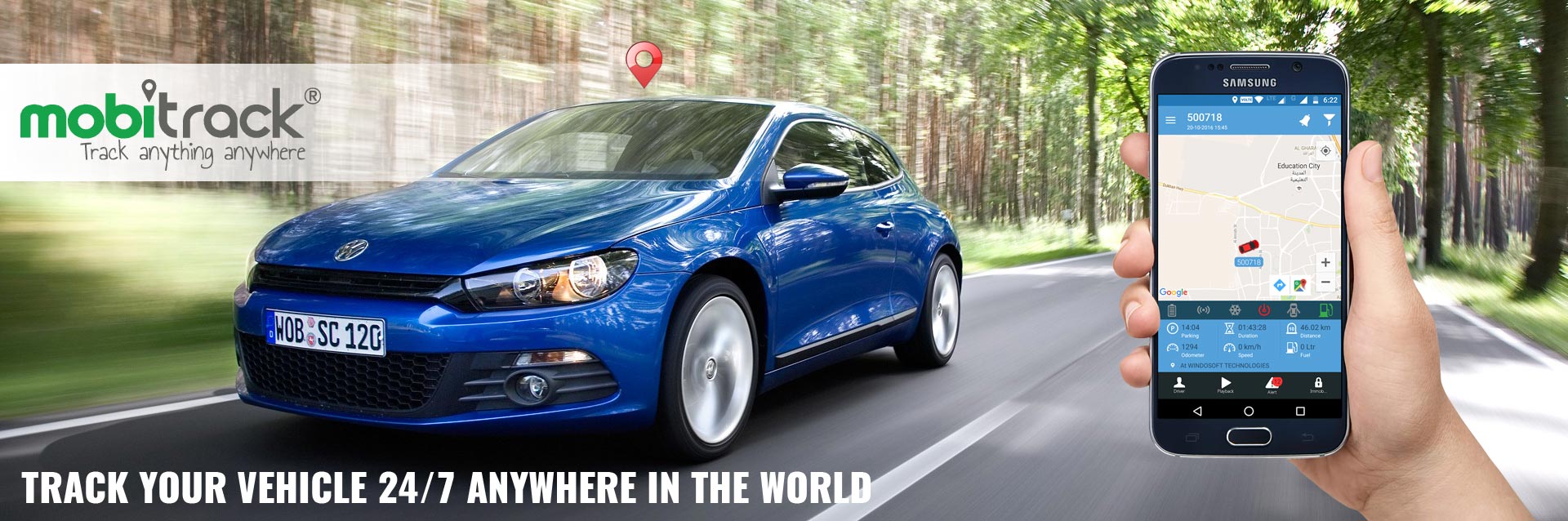
A vehicle tracking system combines GPS-enabled hardware with software used to monitor vehicles.
The system can provide information such as:
- Vehicle location
- Speed
- Route
- Trip history
- Stops
- Geofence activity
- Driving behavior
- Vehicle utilization
Advanced platforms can also integrate fuel sensors, temperature sensors, and vehicle diagnostic information.
Why Driver Safety Matters for Fleet Businesses
Unsafe driving can affect more than road safety.
It can also contribute to:
- Higher fuel consumption
- Increased tire wear
- Vehicle maintenance costs
- Accidents
- Downtime
- Insurance-related expenses
- Delayed deliveries
By monitoring driving patterns, fleet managers can identify areas where additional training or intervention may be appropriate.
1. Monitor Speeding
Excessive speed is an important safety concern.
A GPS Tracker can record vehicle speed and identify instances where a vehicle exceeds configured speed thresholds.
Managers can use this information to:
- Identify repeated speeding
- Discuss safety concerns with drivers
- Create driver coaching programs
- Establish fleet safety policies
Speed reports should be interpreted alongside road conditions, vehicle type, and applicable speed limits.
2. Identify Harsh Braking
Harsh braking may indicate sudden changes in traffic conditions or aggressive driving.
Depending on the tracking hardware and available sensors, the system may identify harsh braking events.
Repeated events can help fleet managers determine whether a driver may benefit from additional training.
3. Monitor Rapid Acceleration
Rapid acceleration can increase vehicle wear and fuel consumption.
It may also indicate aggressive driving.
Tracking systems capable of monitoring acceleration can help managers identify patterns and provide drivers with practical feedback.
4. Detect Sharp Cornering
Sharp or aggressive turns can create safety risks, especially for larger vehicles or vehicles carrying cargo.
Driver behavior reports can identify repeated cornering events and help fleet managers determine whether additional training is appropriate.
5. Reduce Excessive Idling
Idling is not necessarily a safety issue, but excessive idling can indicate inefficient vehicle use.
It can also:
- Waste fuel
- Increase emissions
- Add engine operating hours
- Increase unnecessary wear
GPS tracking can help businesses identify vehicles with unusually high idle times.
6. Analyze Driving Patterns
Individual events are useful, but long-term trends can be even more valuable.
Fleet managers can compare driver behavior over:
- Days
- Weeks
- Months
This can help identify:
- Consistent improvements
- Repeated risky behavior
- Drivers who may need additional support
- Fleet-wide safety trends
7. Support Driver Coaching
Tracking data should ideally be used as a coaching tool rather than simply a disciplinary tool.
Managers can use reports to have constructive conversations about:
- Speed management
- Smooth acceleration
- Braking
- Route adherence
- Safe driving habits
Positive recognition can also encourage drivers who consistently demonstrate safe behavior.
8. Improve Route Safety
A GPS Tracking System can provide historical route information.
Businesses can use this information to identify routes that involve:
- Frequent delays
- Difficult access
- Excessive travel time
- Repeated route deviations
Managers can then consider whether alternative routes or scheduling changes could improve operations.
9. Monitor Vehicle Location During Emergencies
Unexpected incidents can occur during fleet operations.
A vehicle tracking platform provides authorized personnel with information about the vehicle’s current or recent location.
This can support communication and coordination during an incident.
GPS tracking should complement established emergency response procedures rather than replace them.
10. Combine Safety With Fleet Management
Driver safety is closely connected to other areas of fleet management.
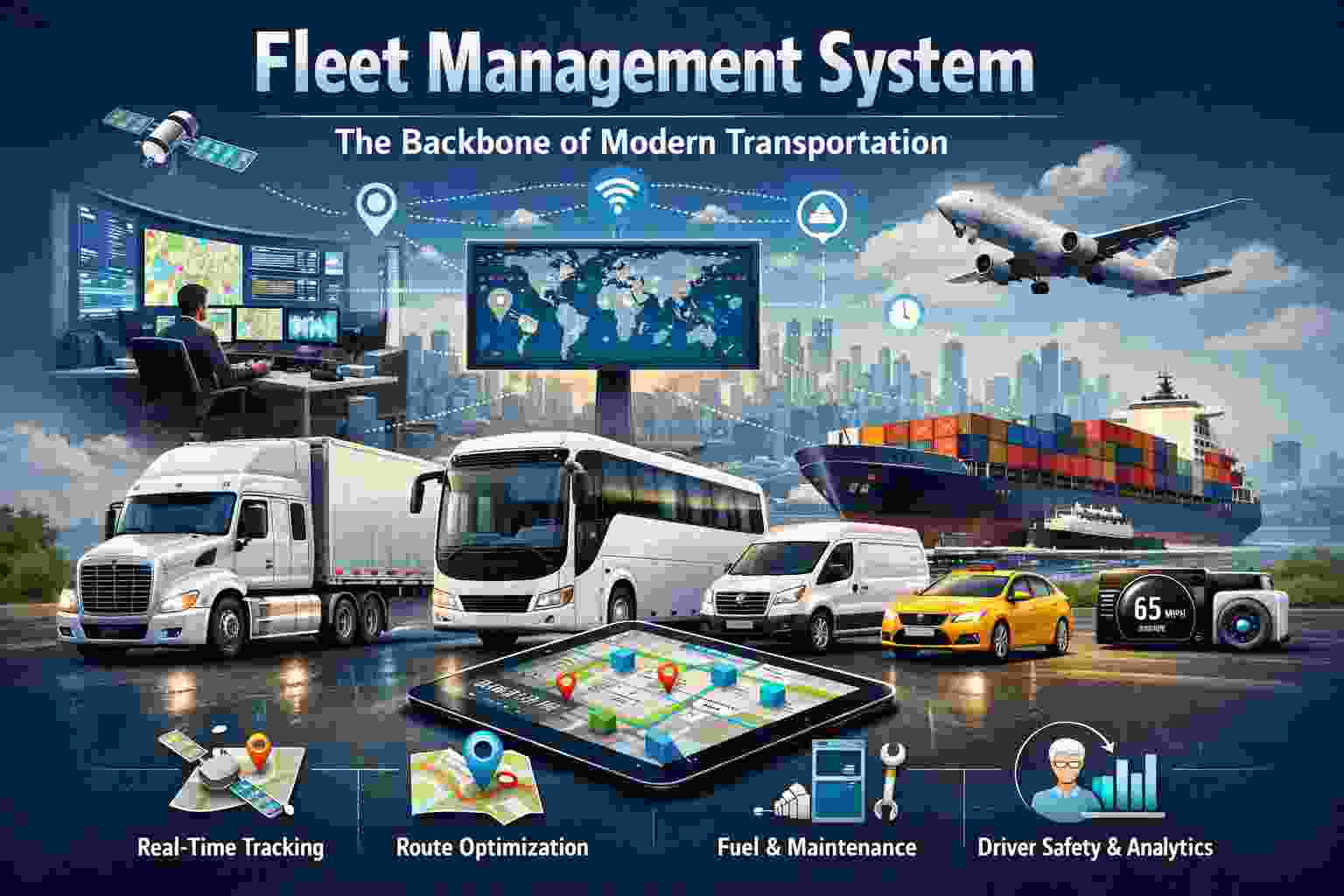
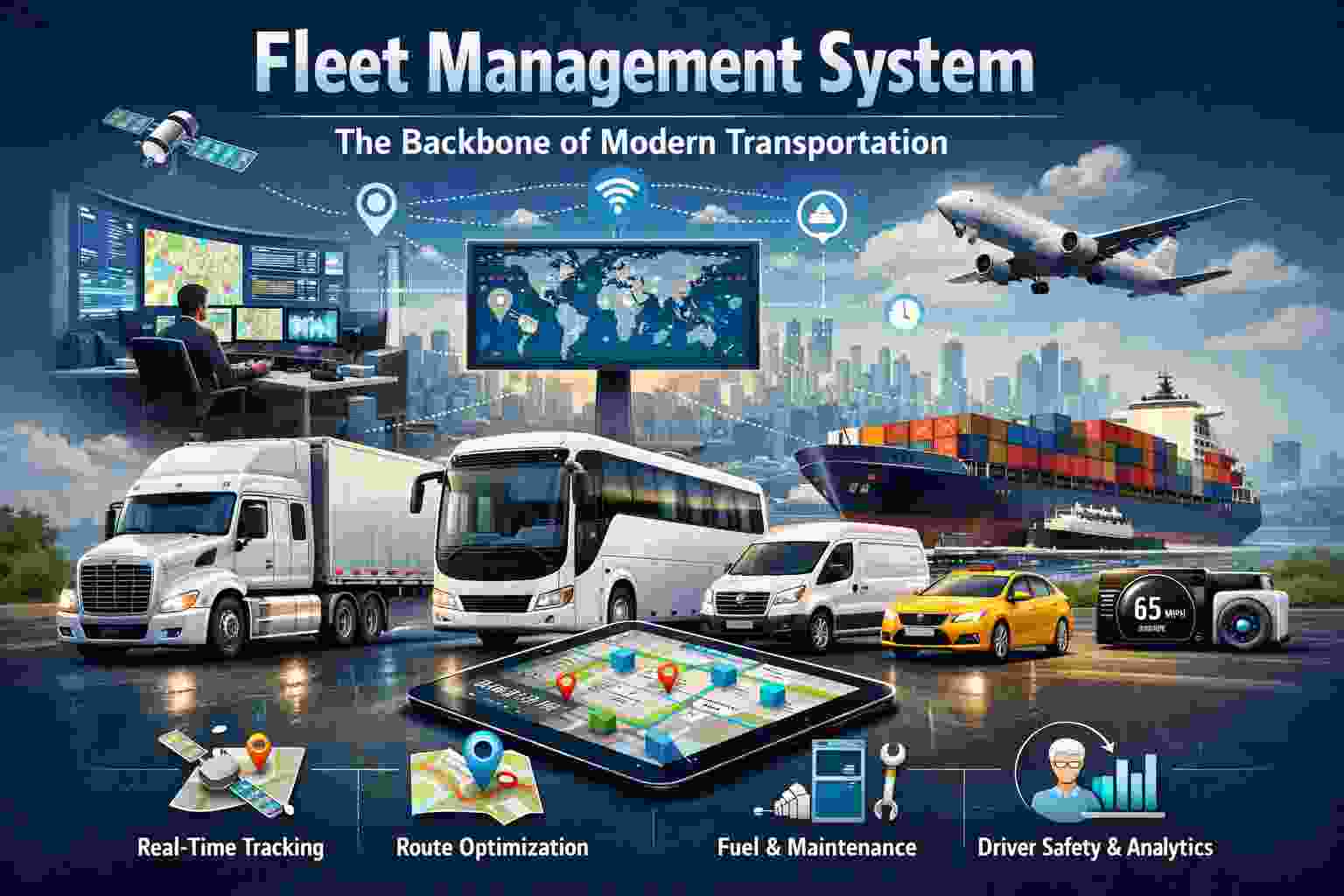
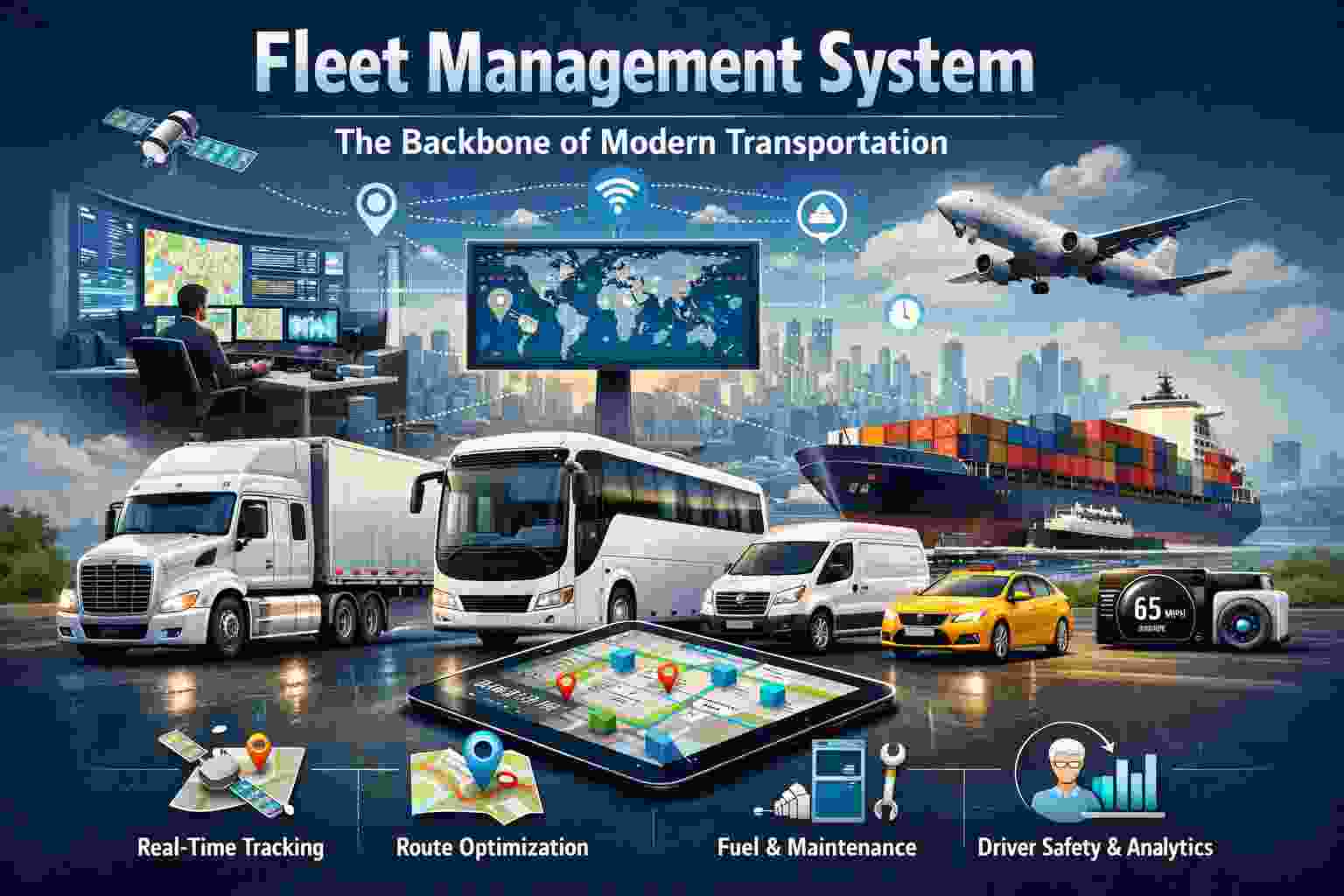
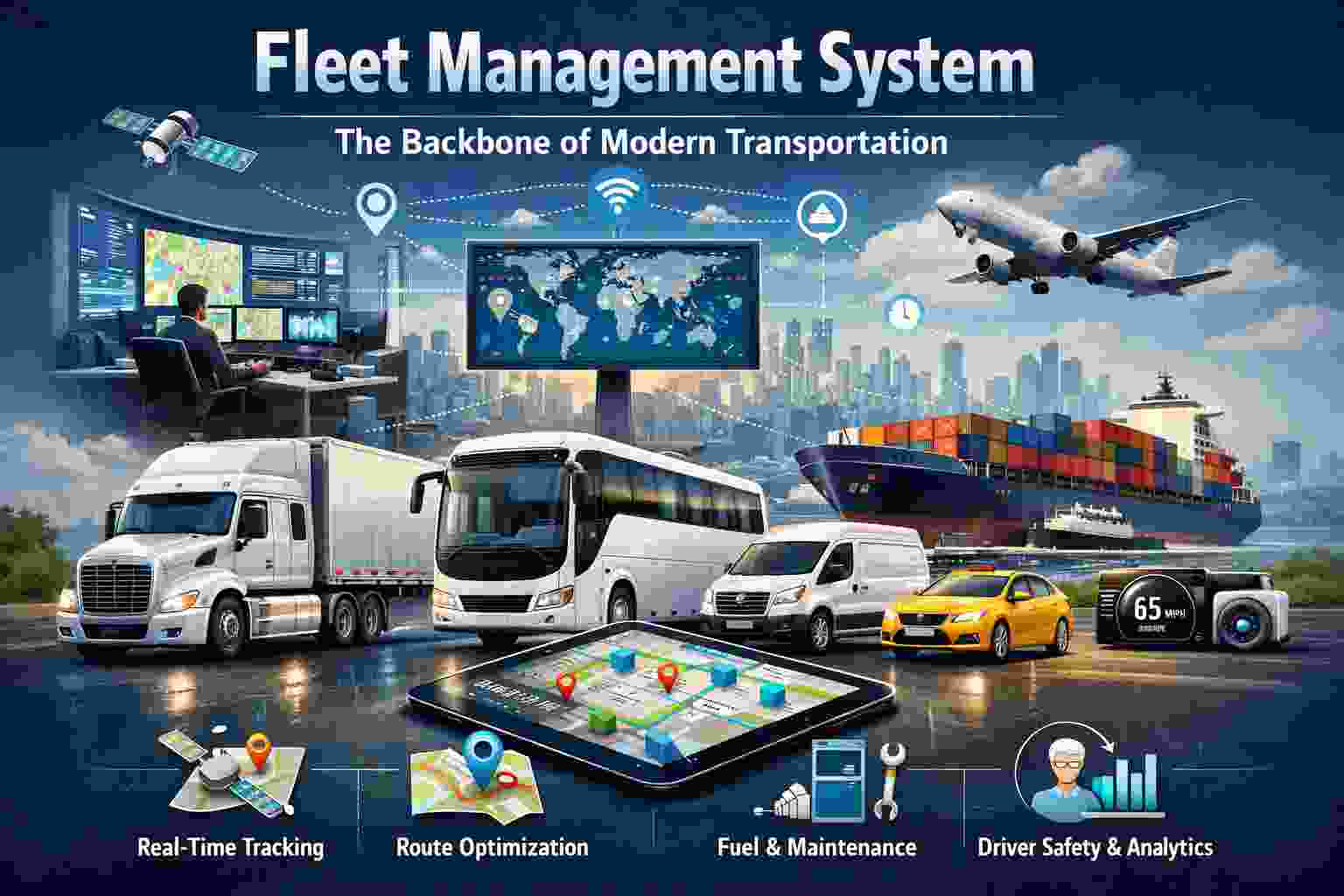
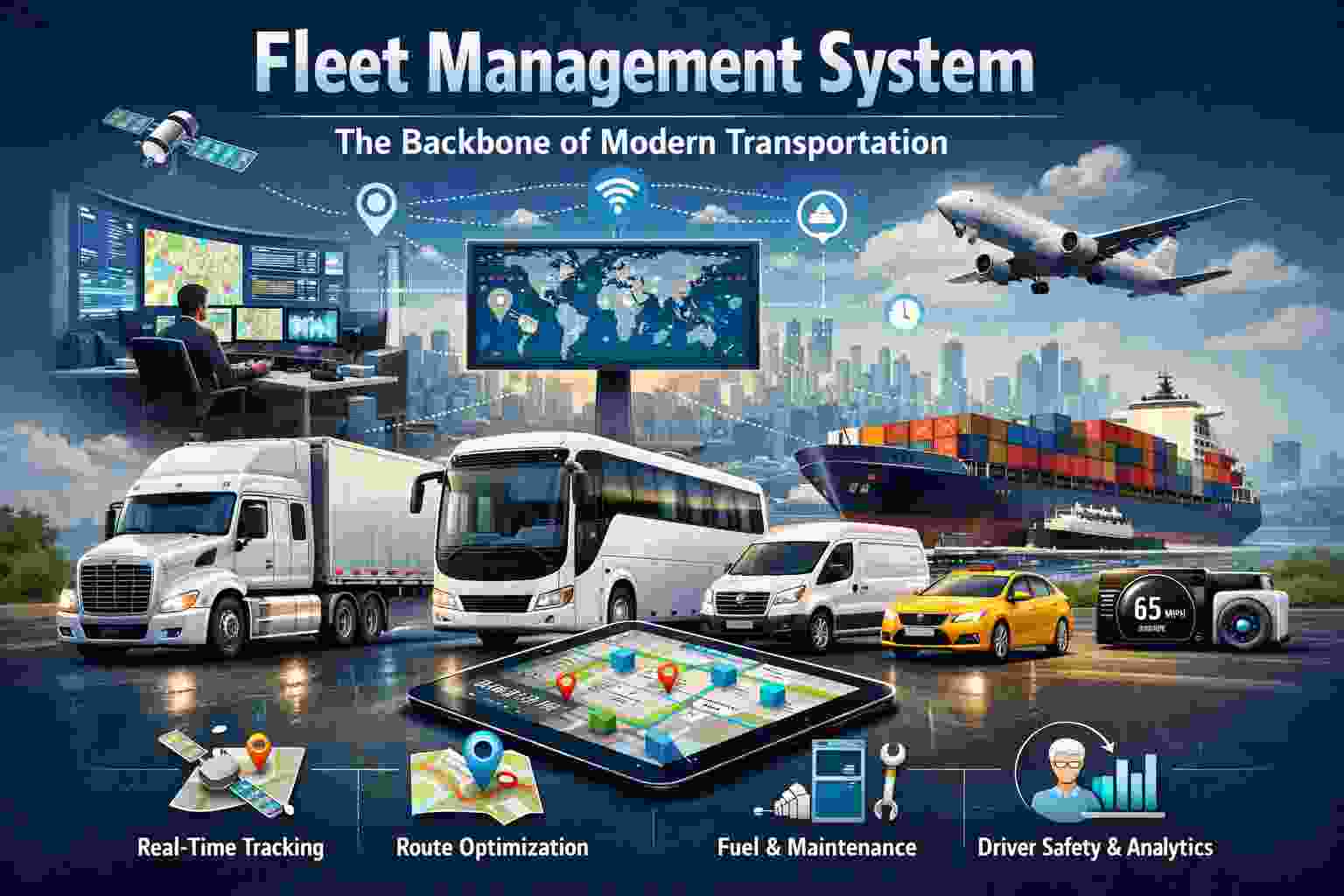
A complete Fleet Management System can combine:
- GPS tracking
- Driver behavior
- Fuel monitoring
- Maintenance
- Route management
- Vehicle utilization
- Reporting
This allows managers to understand how driving behavior affects broader fleet performance.
Driver Safety Features to Look For
When selecting a vehicle tracking platform, consider:
Speed Monitoring
Provides information about vehicle speeds and configurable thresholds.
Harsh Driving Detection
Helps identify sudden braking and acceleration events where supported.
Trip History
Allows managers to review previous journeys.
Alerts
Provides notifications for important events.
Driver Reports
Makes it easier to identify trends.
Geofencing
Provides location-based alerts.
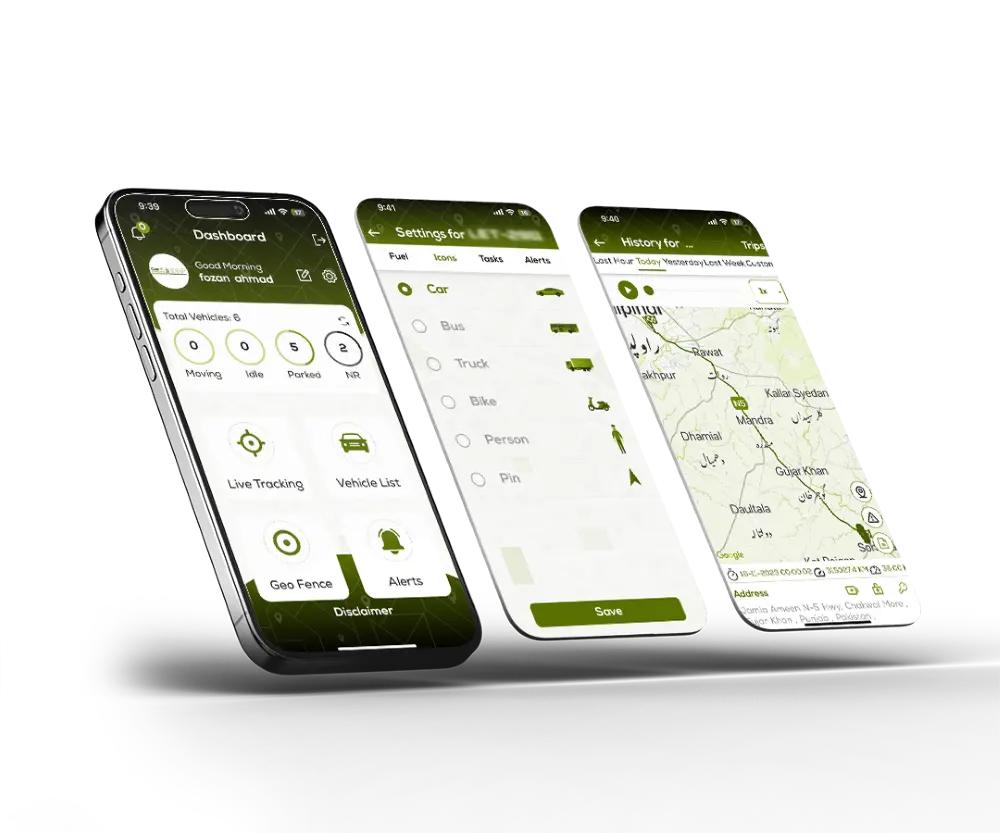
Mobile Access
Allows authorized managers to monitor vehicles remotely.
Analytics
Turns tracking information into useful performance insights.
GPS Tracker Installation Options
Wired GPS Tracker
A wired device connects to the vehicle’s electrical system.
Benefits include:
- Continuous power
- Permanent installation
- Suitable for commercial fleets
OBD GPS Tracker
An OBD tracker connects to a compatible diagnostic port.
Benefits include:
- Easy installation
- Quick deployment
- Simple removal
Battery-Powered GPS Device
A battery-powered tracker operates independently of the vehicle’s electrical system.
Benefits include:
- Portable operation
- Flexible installation
- Useful for temporary applications
Battery requirements depend on the specific device and tracking configuration.
How to Build a Driver Safety Program With GPS Data
GPS tracking becomes more effective when businesses create a structured safety program.
Step 1: Define Safety Standards
Establish clear expectations for drivers.
Step 2: Configure Relevant Alerts
Choose alerts that correspond to actual safety priorities.
Step 3: Review Reports
Look for patterns rather than isolated events.
Step 4: Coach Drivers
Discuss concerning trends and provide practical guidance.
Step 5: Measure Improvement
Compare driver performance over time.
Step 6: Recognize Good Performance
Positive feedback can encourage safer driving habits.
Privacy and Responsible Tracking
Vehicle tracking involves collecting information about vehicle activity and, in many cases, driver behavior.
Businesses should establish clear policies covering:
- What information is collected
- Why it is collected
- Who can access it
- How long it is retained
- How employees are informed
Tracking should be implemented responsibly and in accordance with applicable laws and workplace policies.
Common Driver Monitoring Mistakes
Businesses should avoid:
- Using GPS data without explaining the system
- Focusing only on punishment
- Ignoring repeated safety patterns
- Setting unrealistic alerts
- Failing to train managers
- Collecting data without acting on it
A successful driver safety program should encourage continuous improvement.
Frequently Asked Questions
Can GPS tracking improve driver safety?
It can provide information about speeding and other driving patterns that businesses can use to support driver training and safety programs.
Can a GPS tracker detect harsh braking?
Some GPS tracking devices and platforms can detect harsh braking using vehicle or motion data.
Can GPS tracking monitor acceleration?
Compatible systems can monitor acceleration events and provide driver behavior reports.
Can businesses track driver performance?
Yes. Many fleet platforms provide driver behavior reports, although businesses should implement such monitoring transparently and responsibly.
Does GPS tracking replace driver training?
No. GPS tracking is a supporting technology. Driver training, safety policies, vehicle maintenance, and responsible management remain essential.
The Future of Driver Safety Technology
Fleet safety technology is evolving with:
- Artificial Intelligence
- Advanced driver analytics
- Connected vehicle systems
- Collision-related technology
- Predictive safety analytics
- IoT sensors
These technologies may help businesses identify risks earlier and develop more proactive safety programs.
Conclusion
A Vehicle Tracking System can play an important role in supporting driver safety. By providing information about speed, routes, harsh driving events, idling, and other vehicle activity, GPS technology gives fleet managers useful data for identifying trends and improving driver performance.
The greatest value comes when tracking information is combined with effective training, clear safety policies, regular vehicle maintenance, and constructive driver coaching.
For businesses operating commercial fleets, GPS tracking can become an important part of a broader strategy for creating safer, more efficient, and better-managed transportation operations.






































No Comments