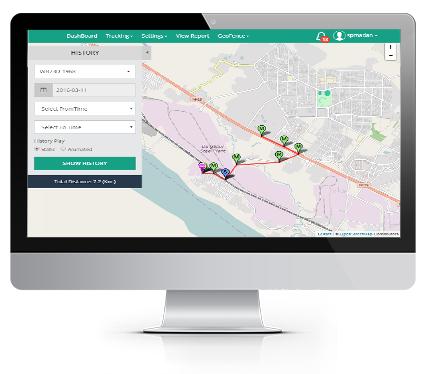


Student transportation requires careful planning, reliable communication, and strong operational control. Schools and transportation providers need to know where buses are, whether they are following scheduled routes, and whether transportation services are operating as planned.
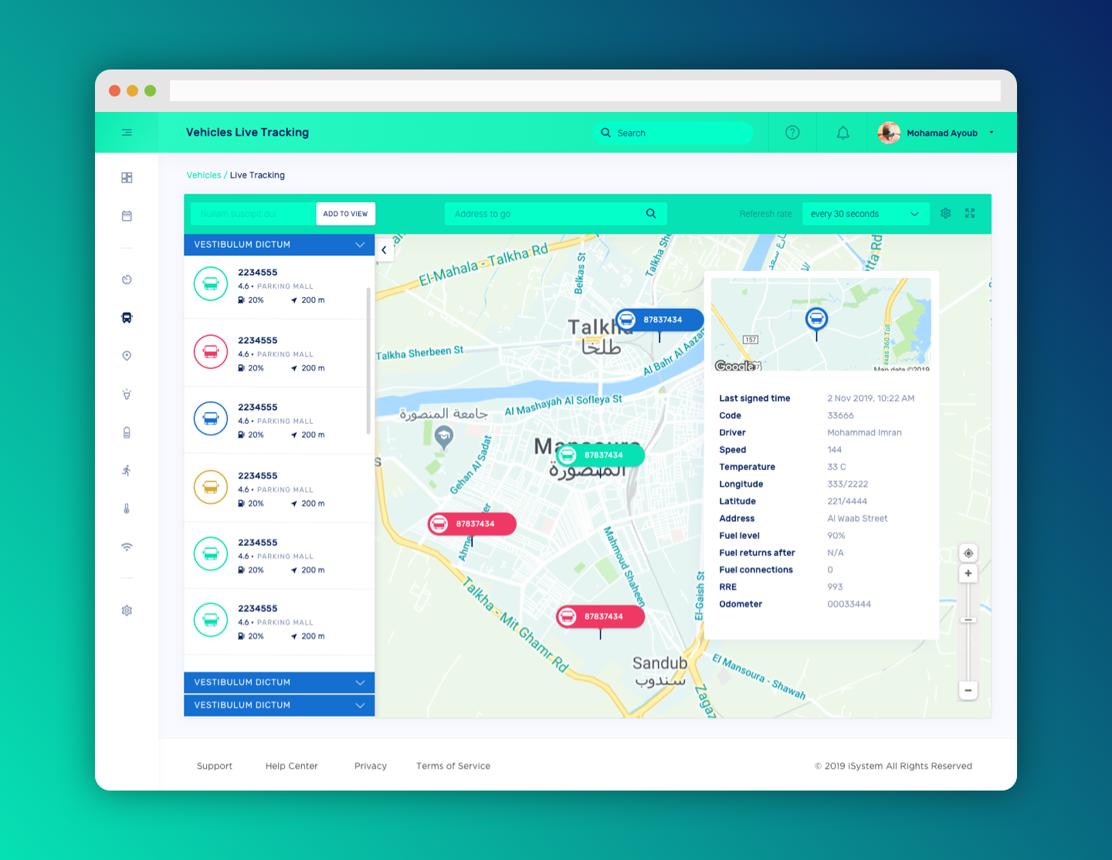
A School Bus Tracking System uses GPS technology to provide real-time visibility into school buses. Transportation managers can monitor bus locations, review routes, receive alerts, and improve communication with authorized staff and families.
GPS tracking does not replace responsible drivers, transportation policies, or established safety procedures. Instead, it provides technology that can support better transportation management.
What Is School Bus Tracking?
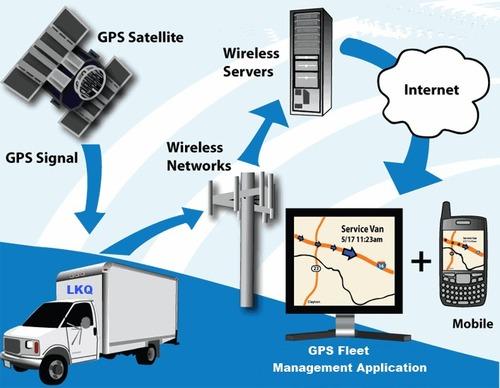
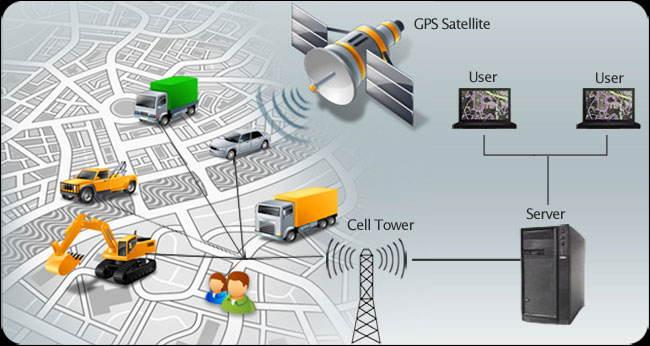
School bus tracking uses a GPS-enabled device installed in a school bus to determine and transmit its location.
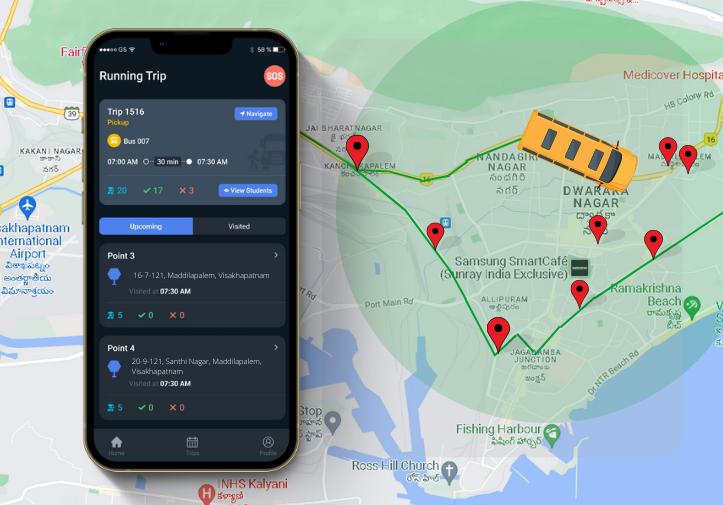
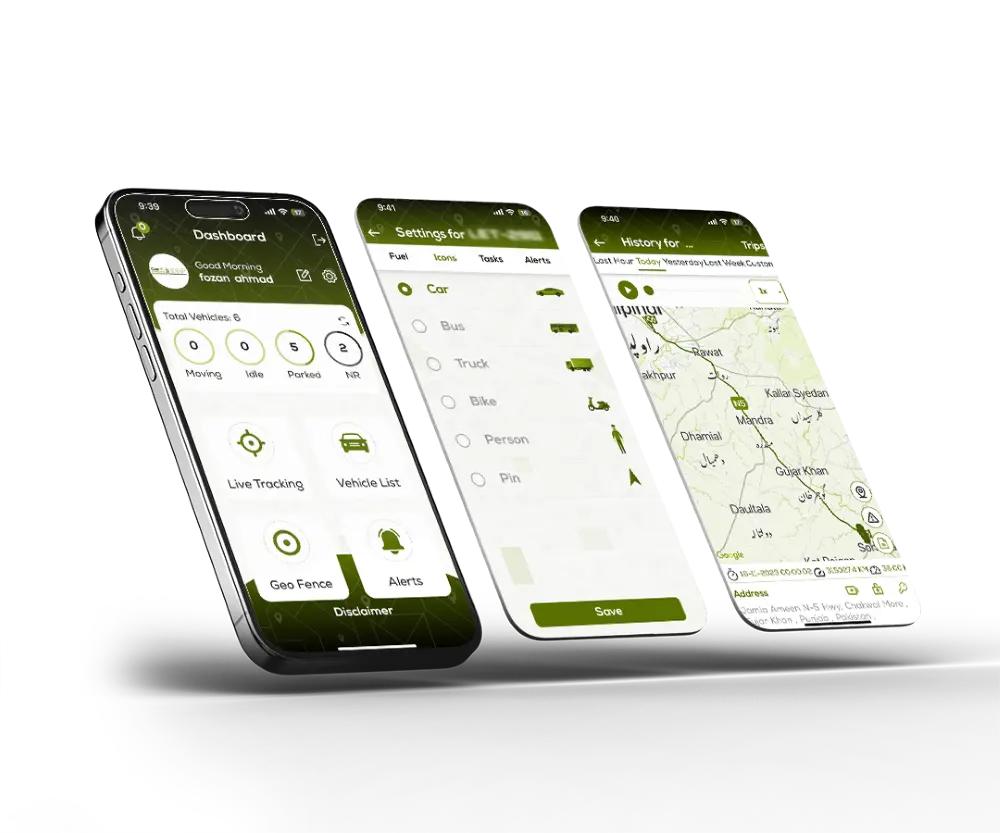
The information is displayed through a tracking platform that may be accessible through:
- Web dashboards
- Mobile applications
- Transportation management software
Depending on the system, users may be able to view:
- Current bus location
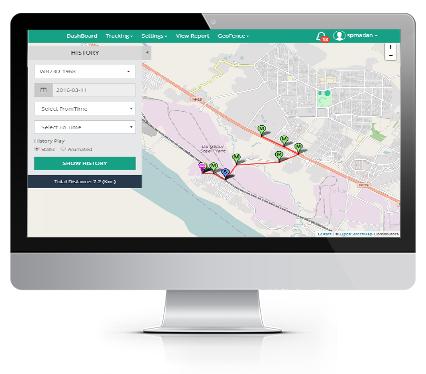
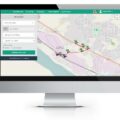
- Route history
- Speed
- Stops
- Arrival information
- Geofence events
- Schedule information
Why Schools Need GPS Bus Tracking
Managing school transportation without real-time information can make it difficult to respond to delays and route changes.
Common challenges include:
- Traffic delays
- Route deviations
- Unexpected stops
- Bus breakdowns
- Schedule changes
- Parent inquiries
- Difficulties coordinating multiple buses
A GPS Tracking System gives transportation teams greater visibility into daily bus operations.
1. Real-Time Bus Location
One of the most useful features of a school bus tracker is live location monitoring.
Transportation staff can see where buses are during their routes.
This can help answer questions such as:
- Has the bus left the school?
- Where is the bus currently located?
- Has it reached a scheduled area?
- Is the bus running behind schedule?
Real-time information can make transportation management more efficient.
2. Improve Route Management
Schools often operate several bus routes at the same time.
A Vehicle Tracking System provides historical route information that can help transportation managers identify inefficient routes.
Managers can review:
- Travel times
- Distance traveled
- Stops
- Route deviations
- Delays
This information can support better route planning and scheduling.
3. Improve Communication
Transportation delays can cause uncertainty for schools and families.
Depending on the platform, authorized users can use GPS information to provide updates about:
- Bus location
- Expected arrival
- Delays
- Route progress
Better communication can reduce unnecessary phone calls and help families plan accordingly.
4. Monitor Route Deviations
A school bus may occasionally need to take a different route because of road closures, traffic, or other operational circumstances.
GPS tracking provides a record of the actual route taken.
Transportation managers can compare actual journeys with planned routes and investigate unexpected deviations when necessary.
5. Geofencing for School Buses
Geofencing creates a virtual boundary around a physical location.
Schools can create geofences around:
- School campuses
- Bus depots
- Pickup zones
- Drop-off locations
- Restricted areas
The tracking system can generate notifications when buses enter or leave these areas.
6. Improve Driver Safety
Some school bus tracking systems can provide driver behavior information.
Depending on the available features, managers may monitor:
- Speed
- Harsh braking
- Rapid acceleration
- Sharp cornering
- Excessive idling
The information can support driver training and transportation safety programs.
7. Monitor Bus Utilization
Schools and transportation providers need to understand how effectively buses are being used.
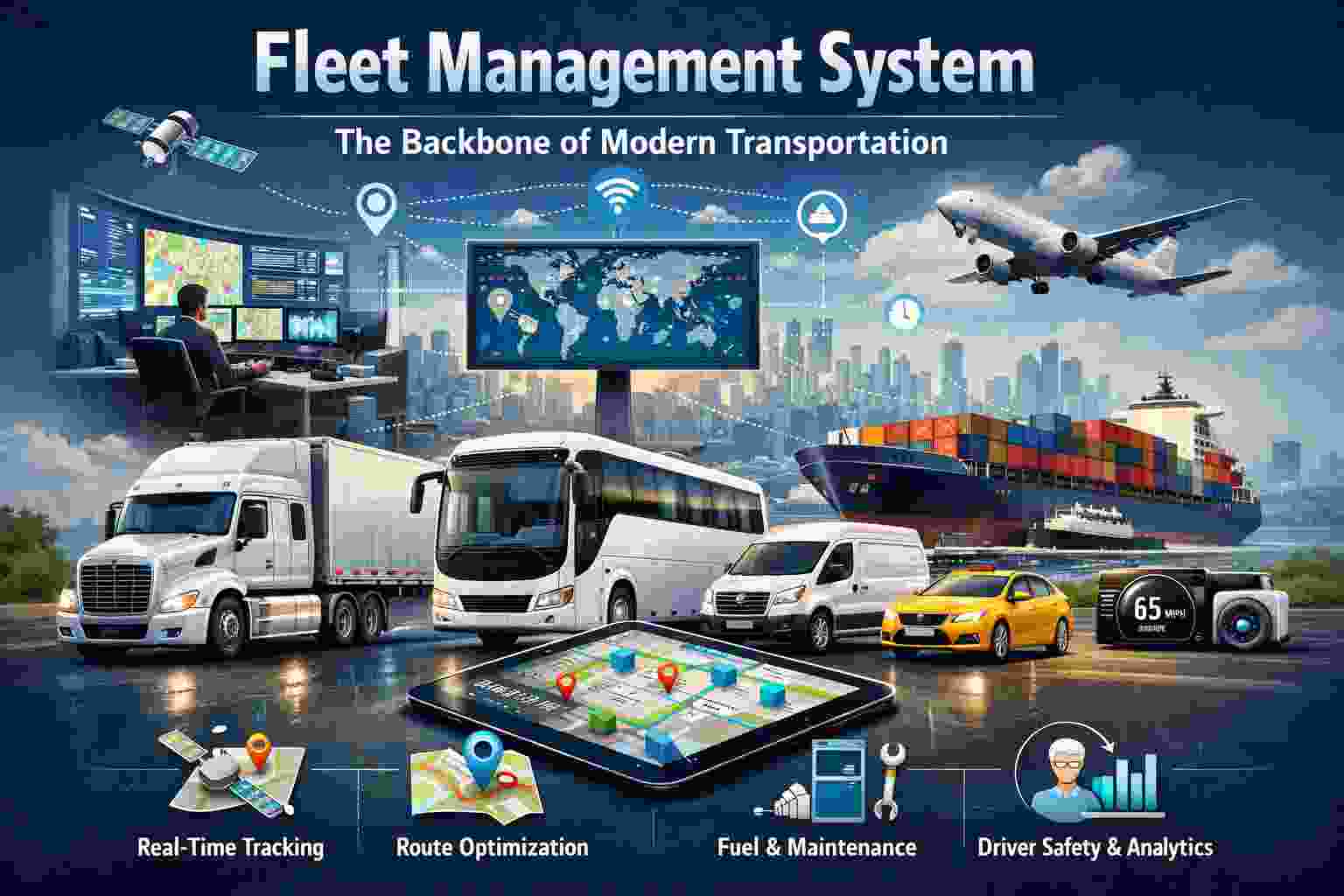
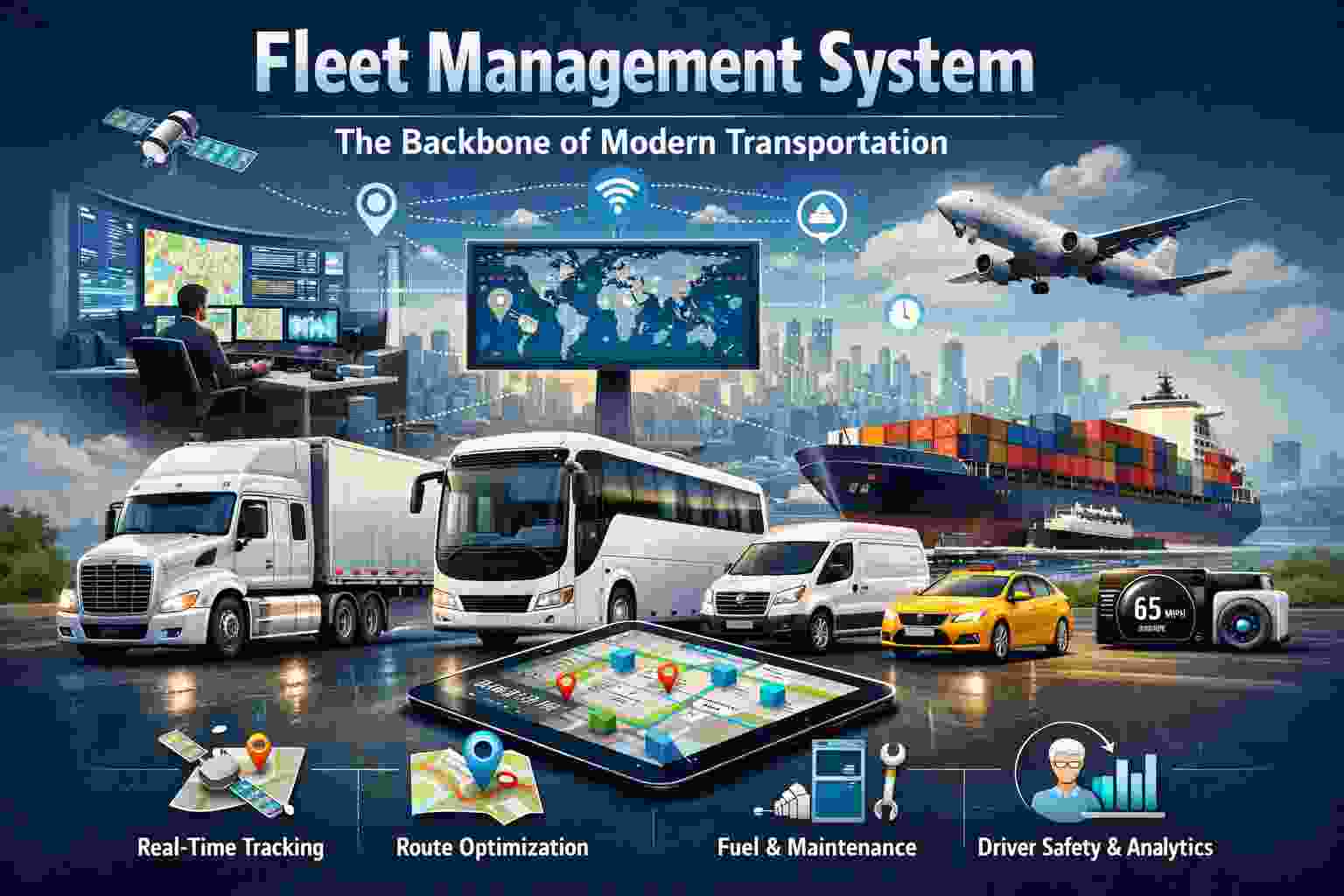
A Fleet Management System can provide information about:
- Bus mileage
- Operating hours
- Route frequency
- Idle time
- Vehicle availability
This can help transportation managers make better decisions about fleet scheduling.
8. Support Preventive Maintenance
School buses need regular maintenance to remain reliable.
A fleet management platform can help track:
- Mileage
- Engine hours
- Service schedules
- Maintenance history
Automated reminders can help transportation teams schedule maintenance and reduce unexpected vehicle downtime.
9. Improve Emergency Response
Unexpected situations can occur during transportation.
A GPS tracking system provides transportation staff with vehicle location information that can support coordination during incidents.
Knowing the bus’s recent or current location can help authorized personnel communicate more effectively with drivers and relevant response teams.
GPS tracking should be considered a support tool and should operate alongside established school transportation emergency procedures.
10. Improve Fleet Security
School buses are valuable vehicles and should be monitored appropriately.
GPS tracking can provide alerts for:
- Unexpected movement
- After-hours activity
- Geofence violations
- Unusual routes
These features can help transportation managers maintain better control over their vehicles.
School Bus Tracking Features to Consider
When choosing a school bus tracking solution, schools and transportation providers should evaluate:
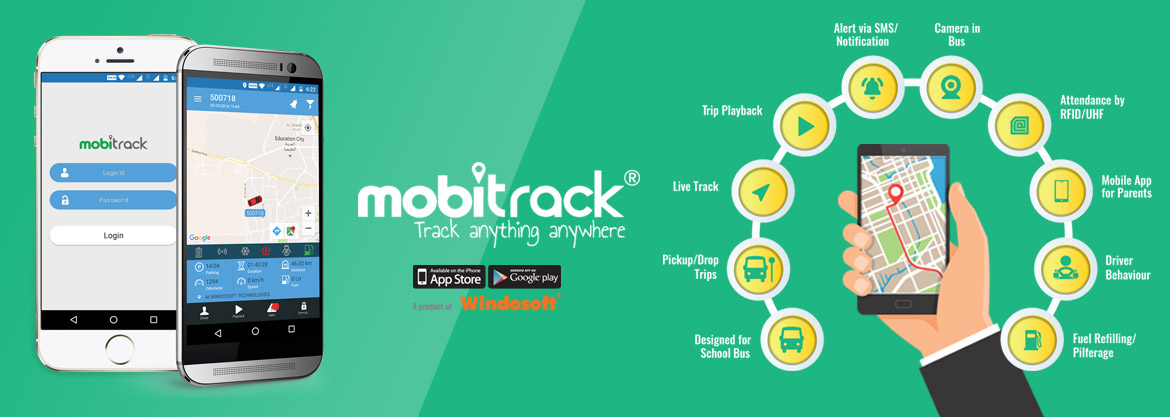
Real-Time GPS Tracking
Provides current bus location.
Route History
Allows managers to review completed routes.
Geofencing
Provides location-based alerts.
Driver Monitoring
Supports driver safety programs.
Mobile Access
Allows authorized users to monitor buses remotely.
Notifications
Provides alerts about important events.
Maintenance Management
Helps keep buses properly serviced.
Reporting
Provides useful information about routes, mileage, and vehicle utilization.
School Bus GPS Tracker Installation Options
Wired GPS Tracker
A wired tracker is connected to the bus’s electrical system.
Benefits
- Continuous power
- Suitable for permanent installation
- Appropriate for fleet vehicles
Battery-Powered Tracker
A battery-powered GPS device operates independently of the vehicle’s electrical system.
Benefits
- Flexible installation
- Portable
- Useful for temporary applications
Battery life depends on the device and tracking configuration.
Integrated Fleet GPS Device
Some transportation providers choose GPS hardware designed to work directly with their broader fleet management platform.
This can make it easier to combine:
- Location tracking
- Maintenance
- Driver information
- Reporting
- Alerts
How Parents May Benefit From Bus Tracking
Depending on the school’s chosen system, parents or guardians may receive access to selected transportation information.
For example, an authorized school application could potentially provide:
- Bus location
- Route status
- Estimated arrival
- Delay notifications
Schools should carefully control access to student transportation information and follow applicable privacy and safeguarding requirements.
School Bus Tracking and Student Privacy
Student transportation systems may involve sensitive operational information.
Schools should consider:
- Who can access tracking information
- What information is shared
- How long information is retained
- How accounts are protected
- Which users receive notifications
A strong access-control policy is essential when technology is used around student transportation.
How to Choose a School Bus Tracking System
Before selecting a provider, consider:
Fleet Size
Make sure the system can support the current number of buses and future expansion.
Coverage
Confirm that the GPS device and connectivity work reliably in the areas where buses operate.
Software
The dashboard should be easy for transportation staff to understand.
Mobile Application
Consider whether authorized staff or families require mobile access.
Alerts
Look for configurable notifications for important route and vehicle events.
Maintenance
A solution with maintenance features can help simplify fleet administration.
Support
Consider installation, training, and ongoing technical support.
Common School Bus Tracking Mistakes
Schools and transportation providers should avoid:
- Choosing a system based only on price
- Failing to train transportation staff
- Giving unnecessary users access to tracking information
- Ignoring maintenance data
- Not configuring important alerts
- Using tracking data without clear policies
Technology works best when it is combined with clear transportation procedures and responsible management.
Frequently Asked Questions
What is school bus tracking?
School bus tracking uses GPS technology to monitor the location and movement of school buses.
Can parents track school buses?
Some systems provide authorized parents or guardians with selected bus location and arrival information. Availability depends on the school’s software and policies.
Can school buses be tracked in real time?
Yes. Compatible GPS tracking systems can provide live or near-real-time bus location information.
Can GPS tracking improve school bus safety?
GPS tracking can support safety by providing location visibility and, where available, driver behavior information. It should complement—not replace—established safety procedures.
Can school bus tracking help reduce fuel costs?
It can help identify excessive idling, inefficient routes, and unnecessary mileage.
The Future of School Bus Tracking
School transportation technology is becoming increasingly connected.
Future systems may combine GPS tracking with:
- Artificial Intelligence
- Automated route optimization
- IoT sensors
- Predictive maintenance
- Advanced driver monitoring
- Digital transportation management
- Real-time communication platforms
These technologies can help schools build more efficient and transparent transportation operations.
Conclusion
A School Bus Tracking System provides schools and transportation providers with valuable visibility into bus operations. Real-time location tracking, route history, geofencing, driver monitoring, maintenance management, and notifications can improve transportation coordination and communication.
The goal of school bus tracking is not simply to know where a bus is. The real benefit comes from using reliable information to improve route planning, fleet efficiency, communication, and operational control while protecting student privacy.
With the right GPS Device, software platform, and transportation policies, schools can create a more connected and better-managed transportation system.


















No Comments