


As businesses expand, managing vehicles, drivers, assets, and daily operations becomes increasingly complex. Whether operating a logistics company, construction business, delivery service, maintenance organization, or transportation fleet, growth often brings new challenges related to efficiency, cost control, and operational visibility.
To address these challenges, businesses across Qatar are investing in Fleet Management Systems. These advanced solutions help organizations monitor, manage, and optimize fleet operations through real-time data, GPS tracking, analytics, and automation.
In 2026, a Fleet Management System is no longer just a tool for large enterprises. It has become an essential technology for businesses of all sizes that want to improve productivity, reduce costs, enhance safety, and support sustainable growth.
What Is a Fleet Management System?
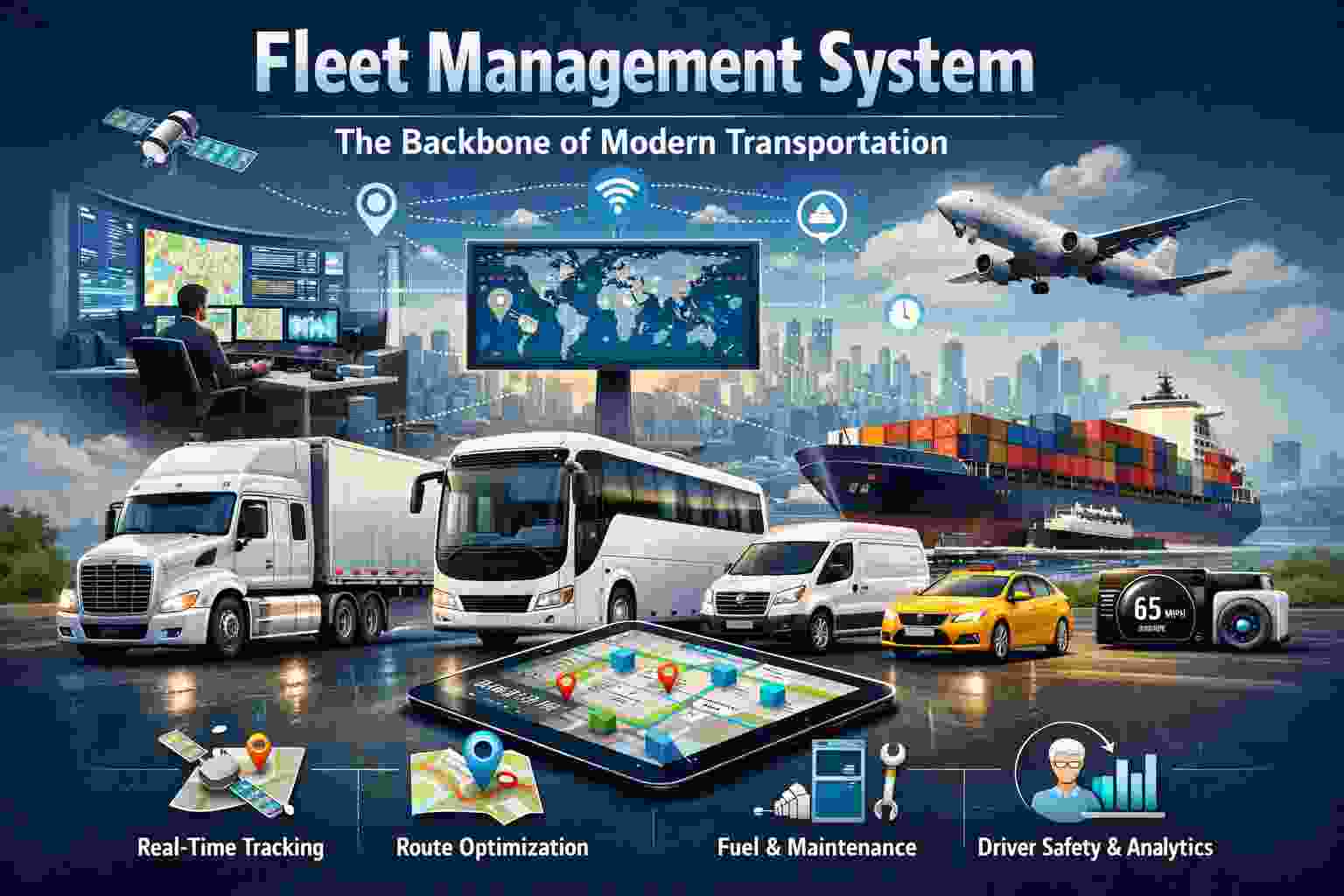
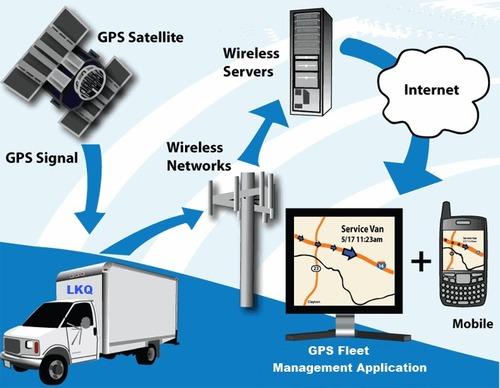
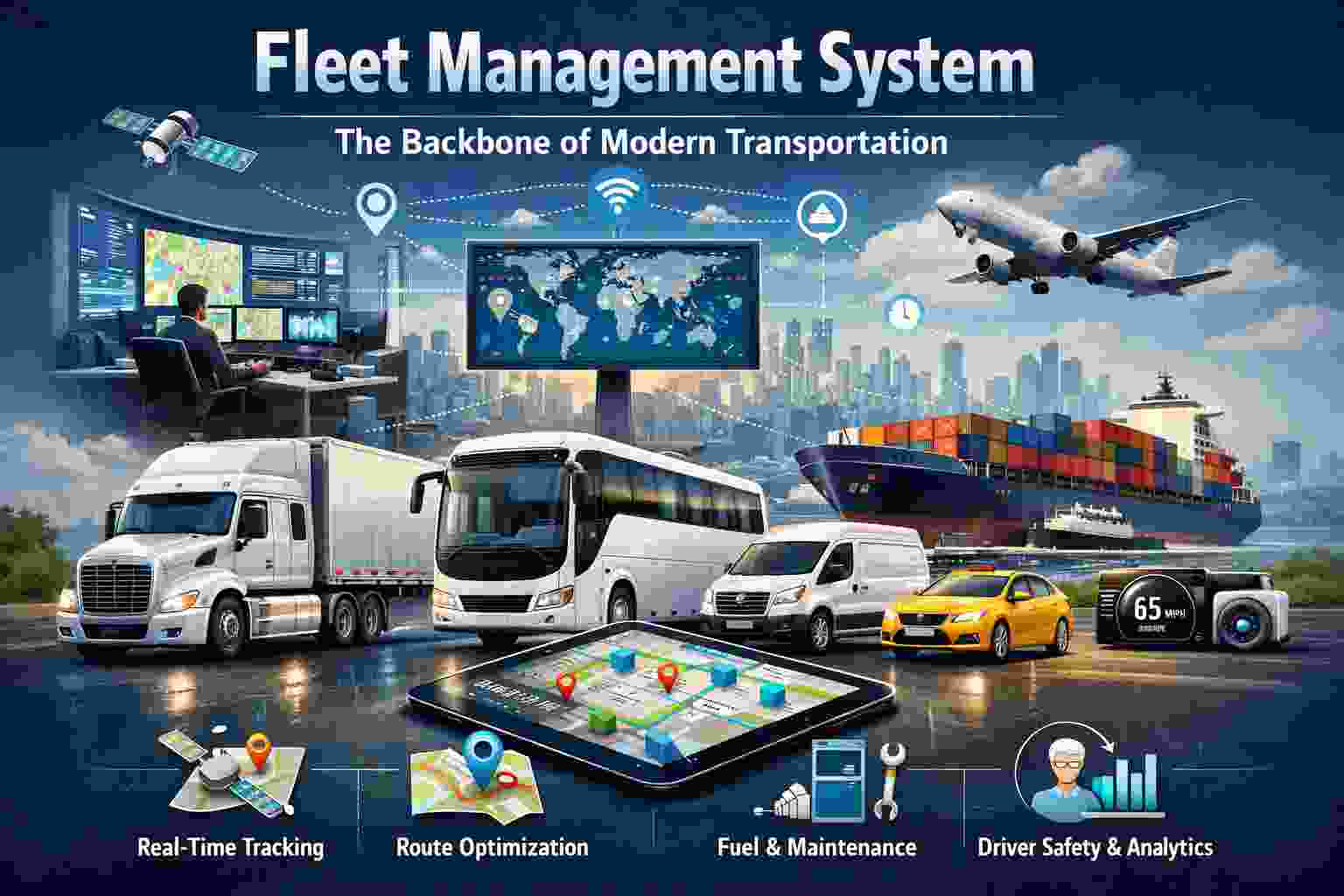
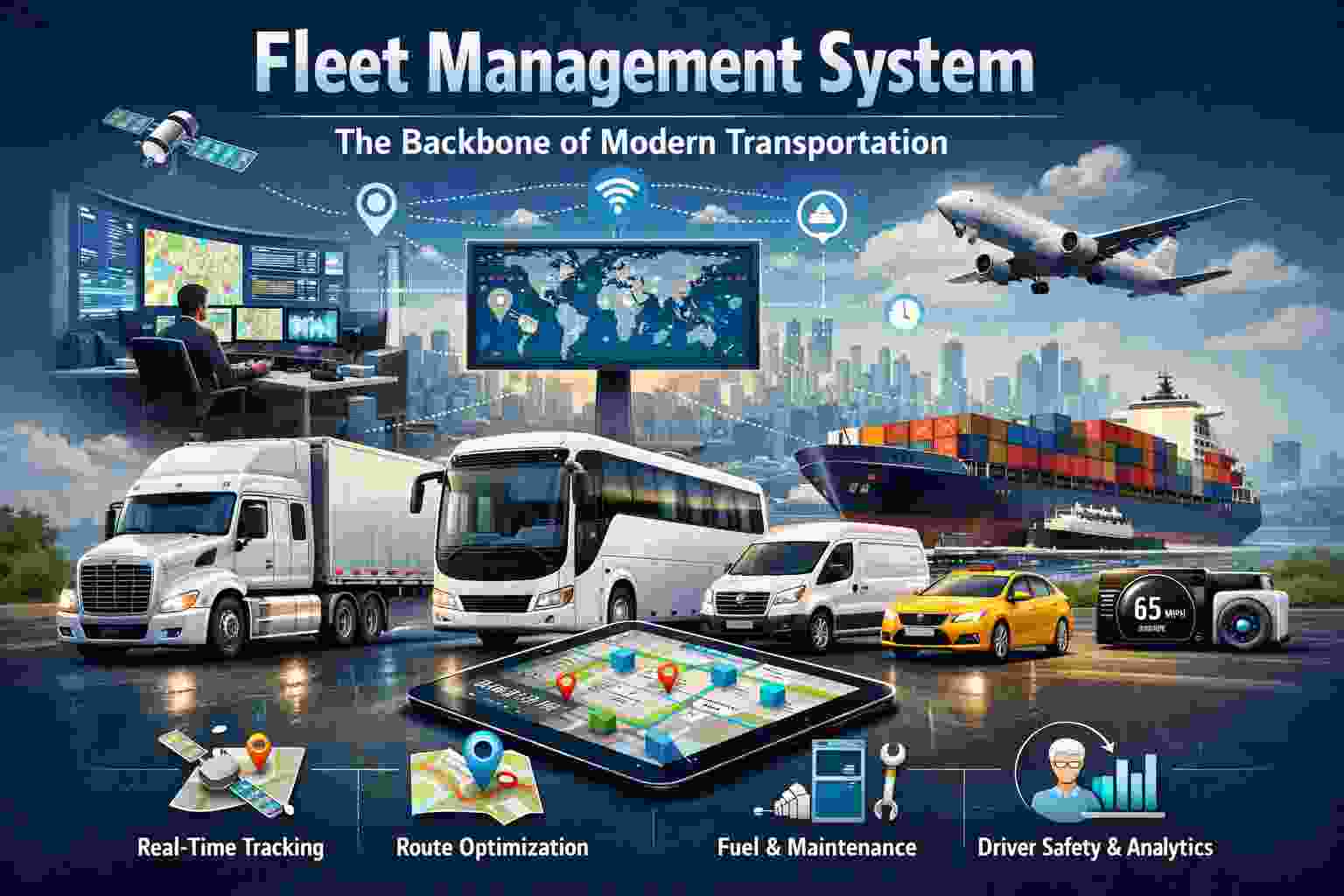
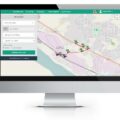
A Fleet Management System is a technology platform that allows businesses to monitor and manage their vehicles, drivers, and transportation operations from a centralized dashboard.
The system typically includes:
- GPS tracking
- Vehicle monitoring
- Driver behavior analysis
- Fuel management
- Maintenance scheduling
- Route optimization
- Asset tracking
- Reporting and analytics
Fleet managers can access real-time information through mobile apps and web-based platforms, enabling smarter decision-making and better operational control.
The Growing Business Landscape in Qatar
Qatar’s economy continues to diversify and grow, creating opportunities across industries such as:
- Logistics
- Construction
- Transportation
- Oil and gas
- Facility management
- Retail distribution
- E-commerce
As businesses scale their operations, fleet management becomes more challenging.
Common issues include:
- Rising fuel costs
- Vehicle maintenance expenses
- Driver accountability concerns
- Delivery delays
- Asset utilization problems
Fleet management systems help businesses overcome these challenges and support long-term growth.
Real-Time Fleet Visibility
One of the biggest advantages of a fleet management system is real-time visibility.
Managers can instantly monitor:
- Vehicle locations
- Driver activities
- Fleet status
- Delivery progress
- Route performance
This visibility enables businesses to respond quickly to operational changes and make informed decisions.
Without real-time monitoring, managing a growing fleet becomes significantly more difficult.
Improving Operational Efficiency
Efficiency is crucial for businesses looking to maximize profitability.
Fleet management systems improve efficiency by:
- Reducing unnecessary travel
- Optimizing vehicle usage
- Improving dispatch operations
- Minimizing idle time
- Streamlining communication
When operations become more efficient, businesses can complete more work with the same resources.
This leads to higher productivity and lower operating costs.
Reducing Fuel Costs
Fuel expenses often represent one of the largest costs for fleet operators.
Fleet management systems help businesses reduce fuel consumption by monitoring:
- Vehicle idling
- Route efficiency
- Driver behavior
- Fuel usage patterns
Managers can identify waste and implement corrective measures that improve fuel economy.
Benefits include:
- Lower fuel expenses
- Reduced operational costs
- Increased profitability
Fuel savings often provide one of the fastest returns on investment for businesses implementing fleet management solutions.
Better Driver Accountability
Drivers have a significant impact on fleet performance.
Fleet management systems monitor:
- Speeding incidents
- Harsh braking
- Rapid acceleration
- Route compliance
- Idle times
This information helps managers encourage safer and more efficient driving habits.
Improved driver accountability leads to:
- Reduced accidents
- Lower maintenance costs
- Better fuel efficiency
- Increased operational reliability
Drivers are more likely to follow company policies when performance is consistently monitored.
Route Optimization for Faster Operations
Inefficient routes can increase fuel consumption, travel time, and labor costs.
Fleet management systems use GPS data to optimize routes by identifying:
- Shorter distances
- Faster roads
- Traffic avoidance opportunities
- Better scheduling options
Benefits include:
- Faster deliveries
- Reduced fuel usage
- Improved customer service
- Higher daily productivity
Route optimization helps businesses maximize the performance of their fleets.
Enhanced Customer Satisfaction
Customer expectations continue to rise across all industries.
Fleet management systems improve customer experiences by enabling:
- Accurate arrival estimates
- Real-time delivery updates
- Faster response times
- Reliable scheduling
When businesses can provide consistent and transparent service, customer satisfaction improves significantly.
Satisfied customers are more likely to remain loyal and recommend services to others.
Improved Vehicle Maintenance Management
Unexpected vehicle breakdowns can disrupt operations and increase expenses.
Fleet management systems support preventive maintenance through:
- Automated service reminders
- Mileage tracking
- Engine hour monitoring
- Maintenance history records
Benefits include:
- Reduced downtime
- Lower repair costs
- Extended vehicle lifespan
- Improved reliability
Proactive maintenance management helps businesses avoid costly disruptions.
Better Asset Utilization
Many growing businesses struggle to maximize the use of their vehicles and assets.
Fleet management systems provide valuable insights into:
- Vehicle activity
- Utilization rates
- Idle assets
- Resource allocation
Managers can identify underutilized resources and make adjustments that improve productivity.
Better asset utilization often reduces the need for additional vehicle purchases.
Enhanced Fleet Security
Fleet security is a major concern for growing businesses.
Fleet management systems improve security through:
- Real-time tracking
- Theft alerts
- Geofencing notifications
- Unauthorized movement detection
Managers receive immediate alerts when unusual activity occurs.
This enhanced visibility helps protect valuable business assets and reduce losses.
Data-Driven Business Decisions
Modern fleet management systems generate detailed reports and analytics.
Managers can analyze:
- Fuel consumption
- Driver performance
- Route efficiency
- Vehicle utilization
- Maintenance trends
These insights help businesses identify opportunities for improvement and make smarter strategic decisions.
Data-driven management is essential for sustainable business growth.
Supporting Regulatory Compliance
Many industries require businesses to maintain accurate records related to vehicle operations and safety.
Fleet management systems help organizations:
- Maintain operational records
- Track driver activities
- Monitor vehicle performance
- Generate compliance reports
Automated record-keeping reduces administrative workloads and improves accountability.
Scalability for Growing Businesses
One of the key advantages of fleet management systems is scalability.
As businesses grow, the system can easily support:
- Additional vehicles
- More drivers
- Multiple locations
- Expanded operations
Organizations can continue using the same platform as their fleet expands.
This flexibility makes fleet management systems a valuable long-term investment.
Supporting Qatar’s Digital Transformation Goals
Qatar continues to invest in technology and digital innovation across multiple industries.
Fleet management systems support these initiatives by enabling:
- Smart transportation
- Real-time monitoring
- Digital operations
- Data-driven management
Businesses that adopt advanced technologies are better positioned to compete in a rapidly evolving marketplace.
Competitive Advantage Through Fleet Intelligence
Fleet management systems provide organizations with a significant competitive advantage by helping them:
- Reduce costs
- Improve efficiency
- Enhance customer service
- Increase productivity
- Strengthen operational control
Companies that leverage fleet intelligence can respond more quickly to market demands and outperform competitors.
Why Choose Mobitrack Fleet Management Solutions?
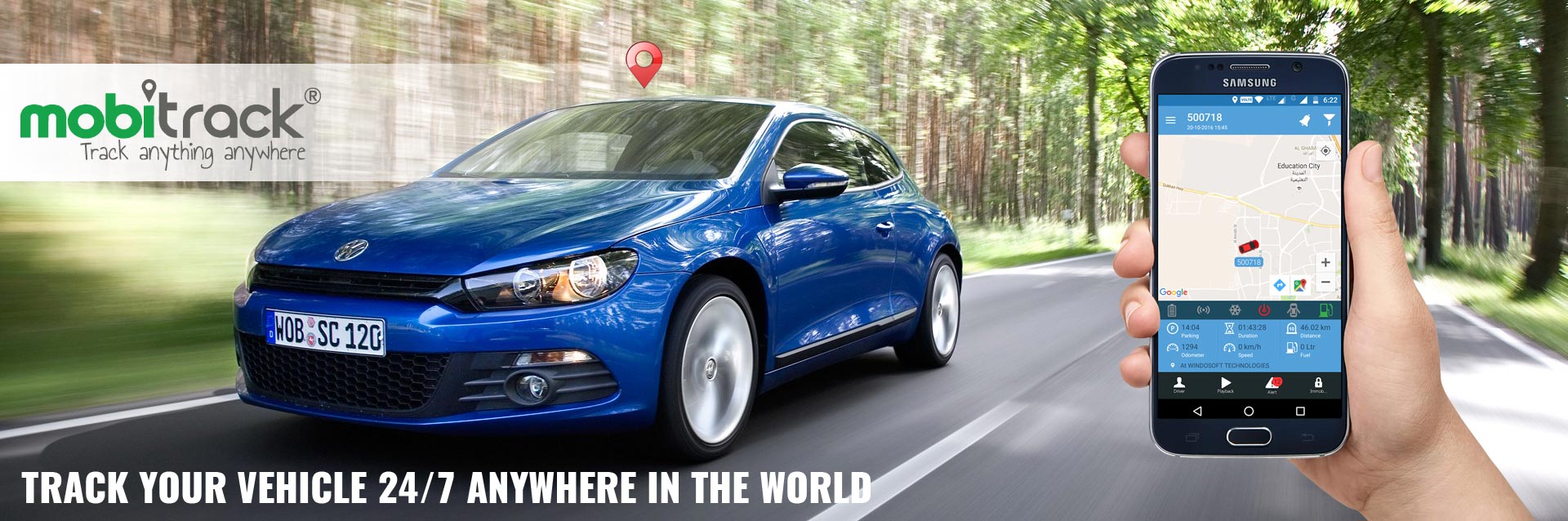
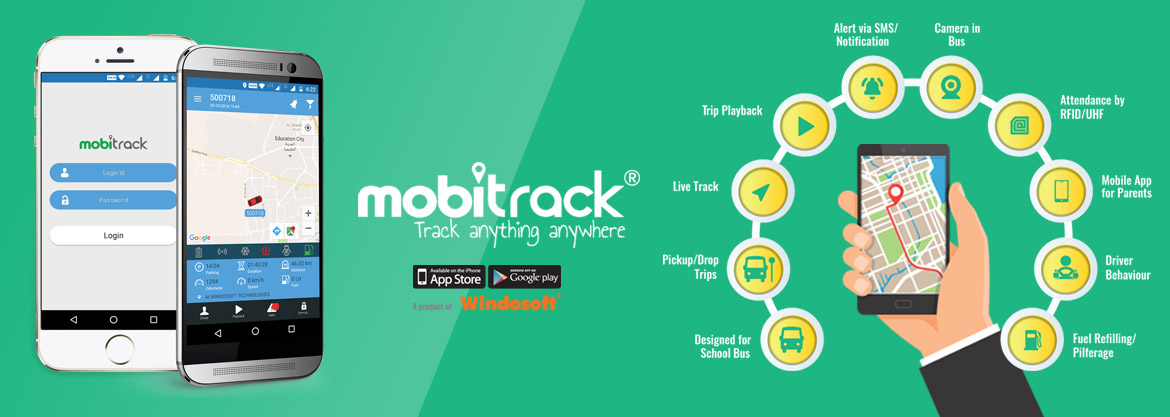
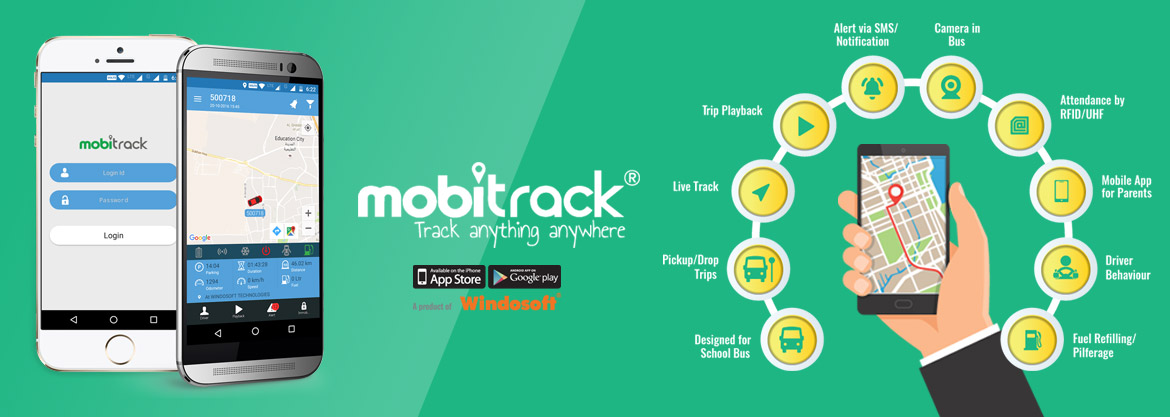
Mobitrack offers advanced Fleet Management Systems tailored to the needs of businesses operating in Qatar.
Key features include:
- Real-time GPS tracking
- Driver behavior monitoring
- Fuel management tools
- Route optimization
- Vehicle maintenance scheduling
- Geofencing alerts
- Advanced analytics and reporting
Mobitrack helps organizations improve fleet performance, reduce operational costs, and support long-term business growth.
Conclusion
Fleet Management System have become an essential technology for growing businesses in Qatar. By providing real-time visibility, improving efficiency, reducing costs, enhancing safety, and supporting better decision-making, these systems help organizations manage growth more effectively.
As businesses continue to expand in 2026, fleet management technology will play an increasingly important role in maintaining competitiveness and operational excellence.
Organizations that invest in fleet management systems today are building the foundation for sustainable growth, improved profitability, and long-term success.




































No Comments