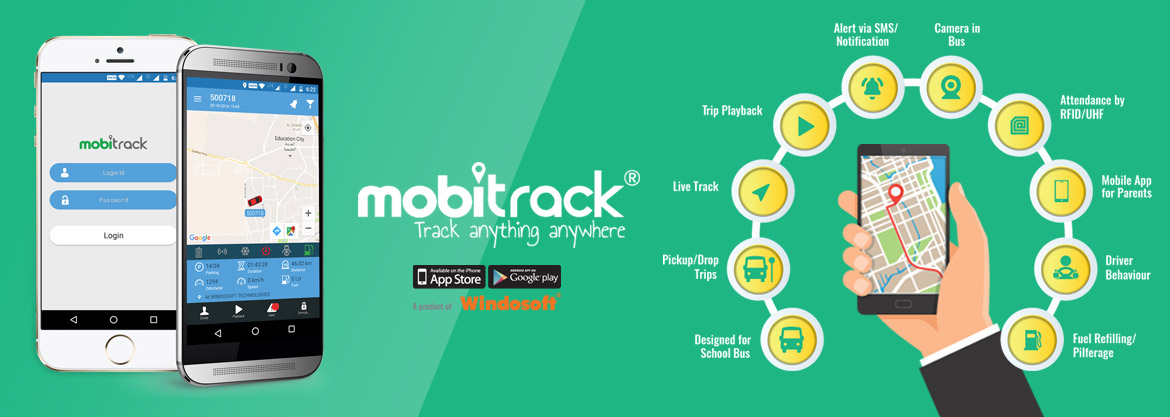


In Qatar’s fast-growing economy, businesses and individuals are constantly looking for ways to reduce operational costs while improving efficiency. One of the most effective technologies helping achieve this balance is GPS tracking systems. From logistics companies to personal vehicle owners, GPS tracking has proven to be a cost-saving investment rather than an added expense.
With the country’s advanced infrastructure and increasing reliance on transportation, GPS tracking systems are becoming essential tools for smart mobility and financial optimization.
Understanding GPS Tracking Systems
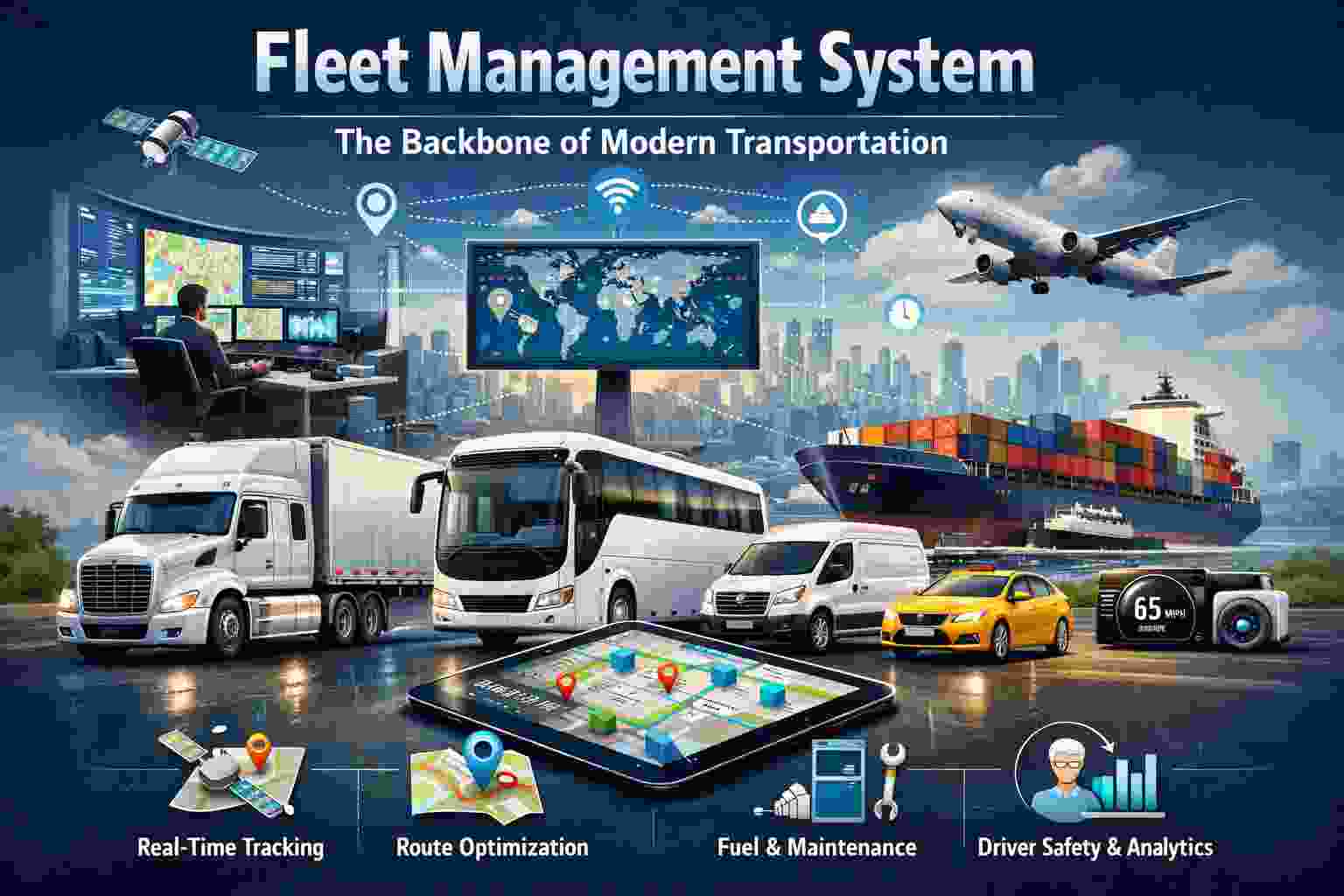
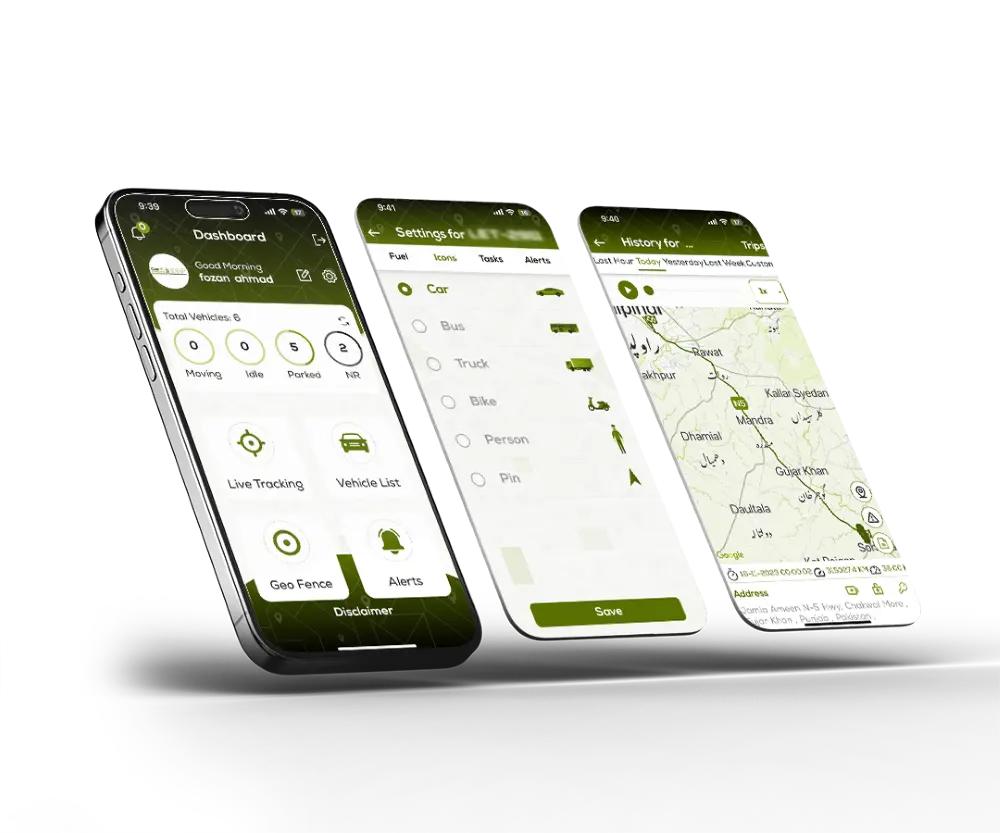
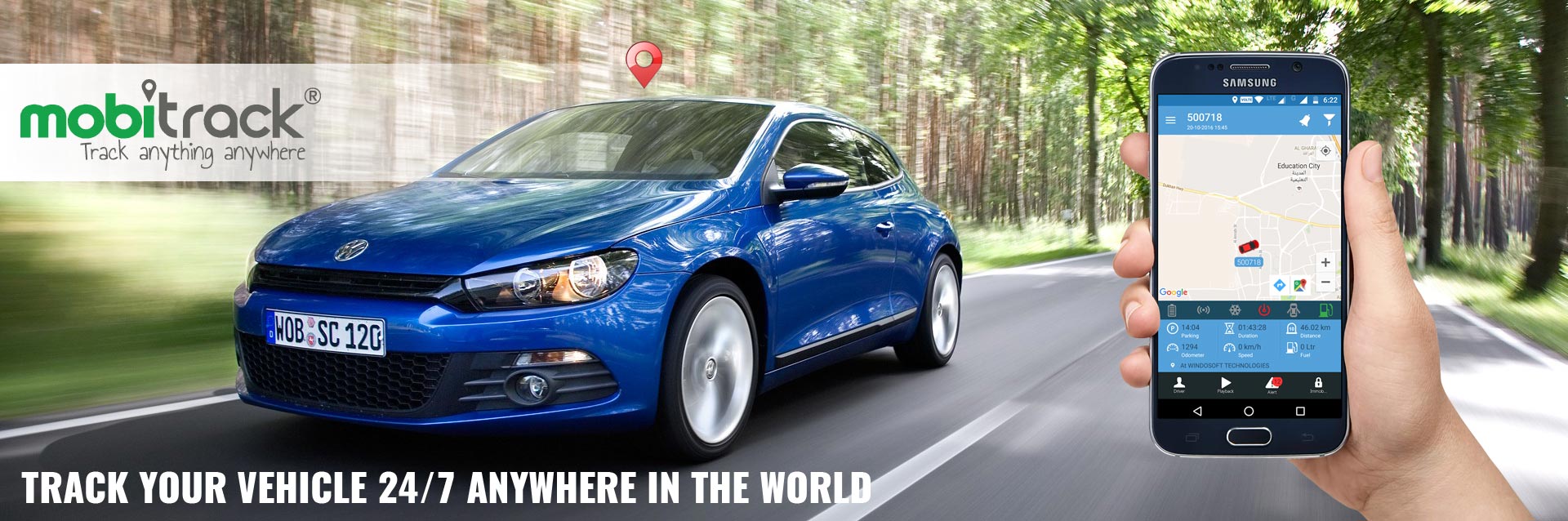
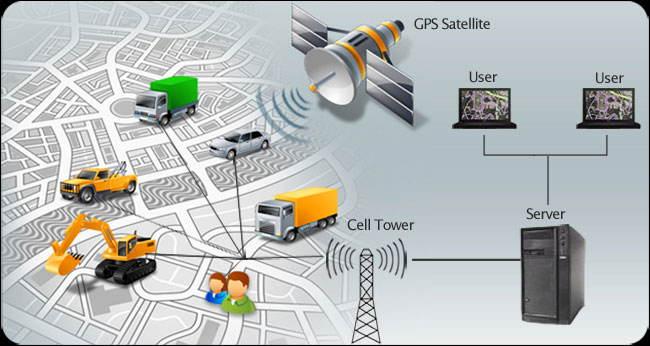
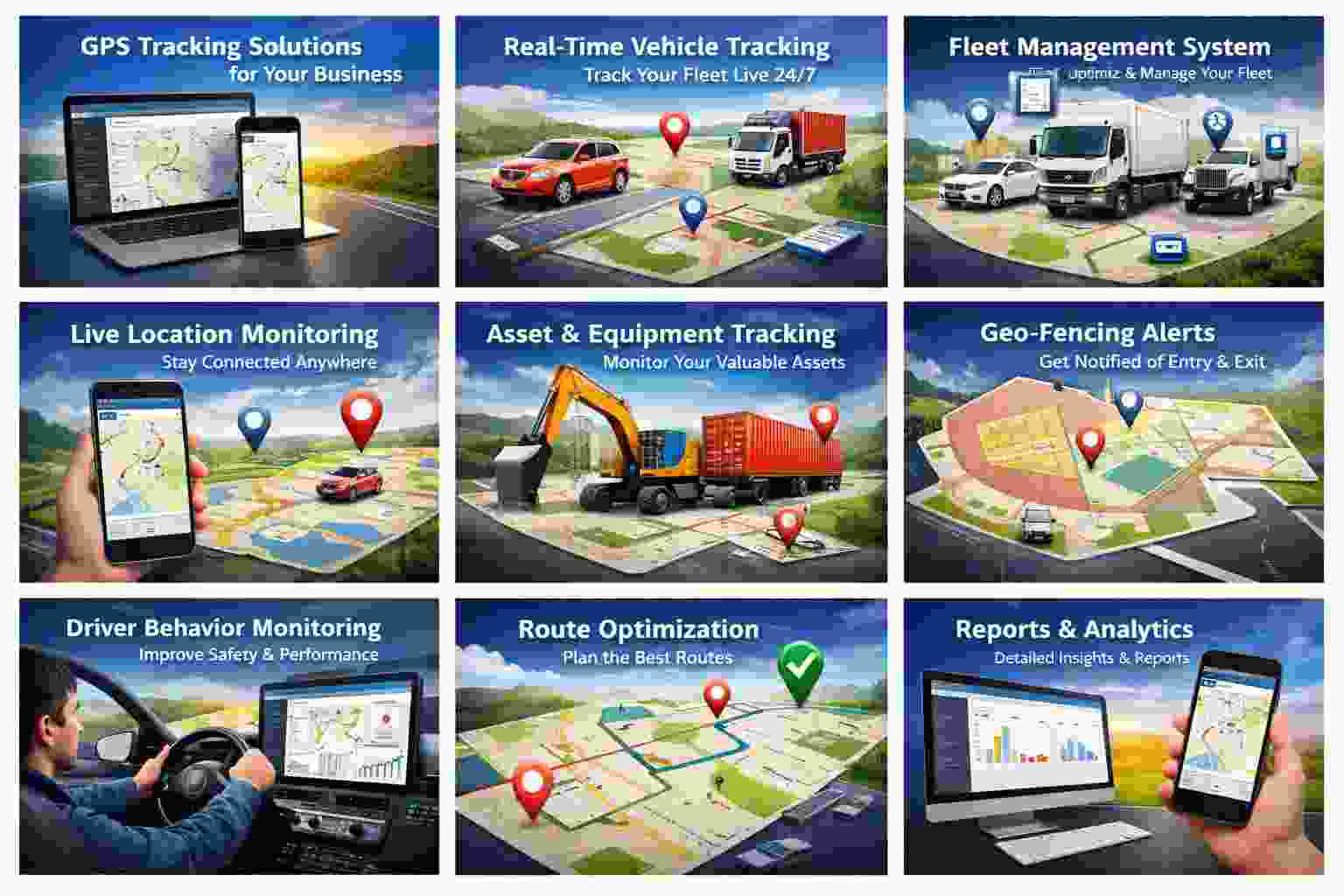
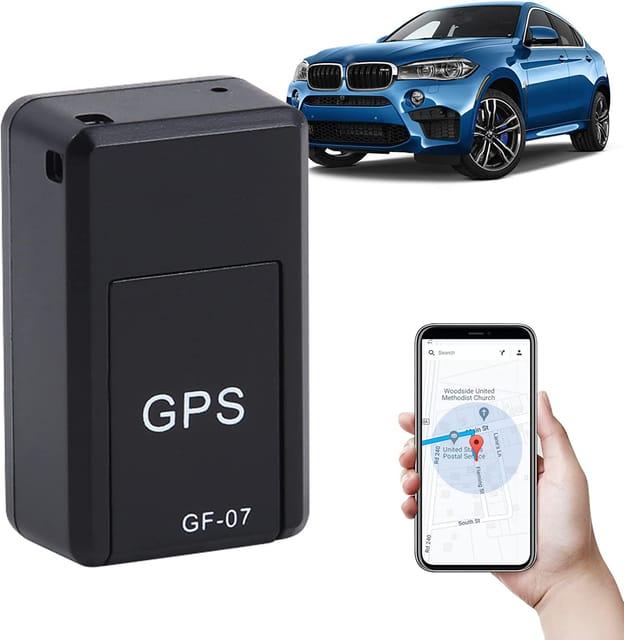
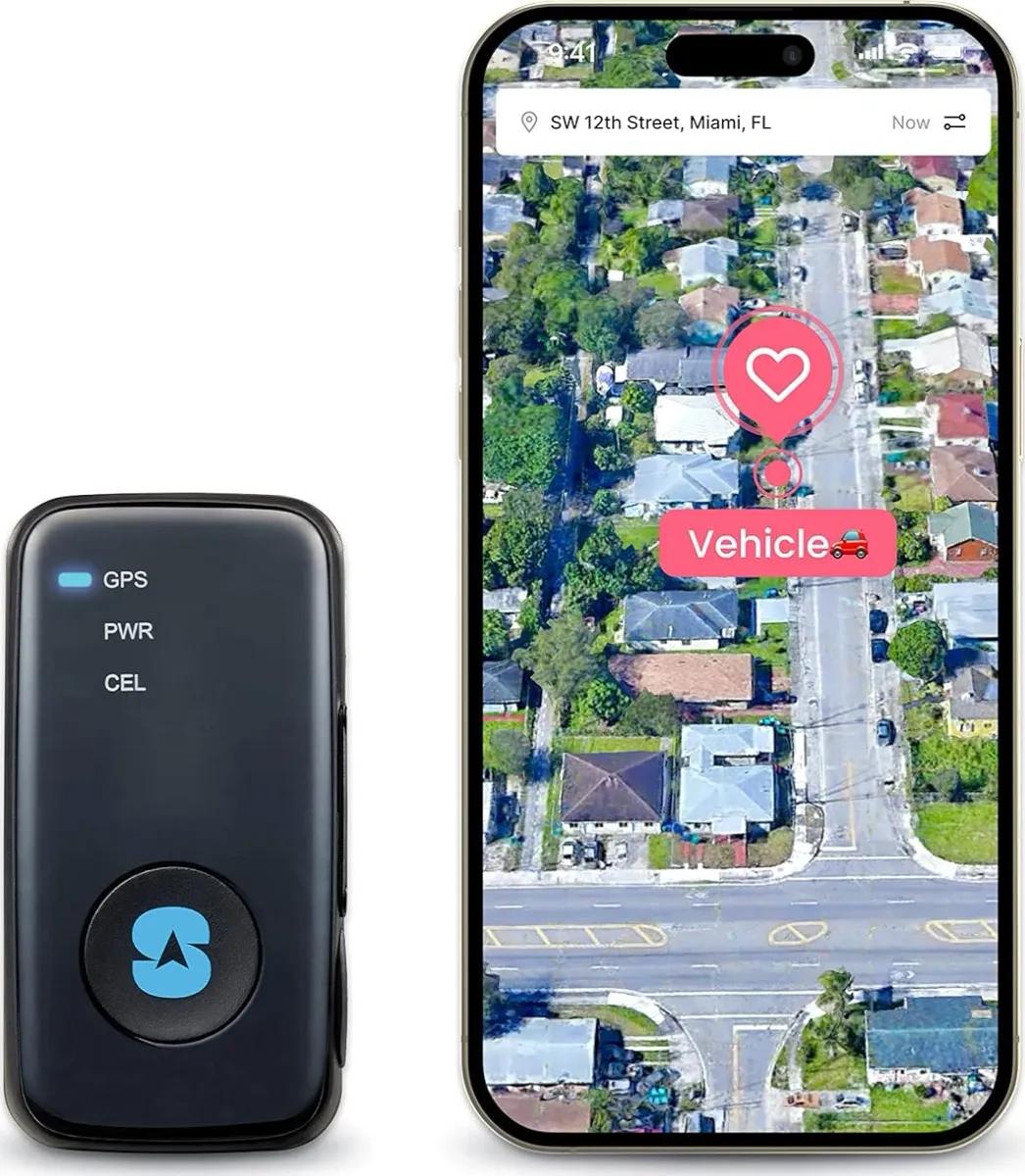
A GPS tracking system uses satellite signals to monitor the real-time location of vehicles. These systems are integrated with software platforms that provide insights such as route history, fuel consumption, driver behavior, and vehicle performance.
In Qatar, GPS tracking is widely used in industries like construction, transportation, delivery services, and even by individual car owners. The key reason behind this adoption is its ability to reduce costs while improving overall operations.
1. Fuel Cost Reduction
Fuel is one of the biggest expenses for vehicle owners and fleet operators in Qatar. GPS tracking systems help significantly reduce fuel consumption through:
- Route optimization to avoid traffic congestion
- Reduced idle time
- Monitoring of fuel usage patterns
- Detection of fuel theft or misuse
By analyzing real-time data, businesses can ensure that vehicles take the most efficient routes, saving both time and fuel. Over time, this leads to substantial cost savings.
2. Improved Fleet Efficiency
For companies managing multiple vehicles, efficiency directly impacts profitability. GPS tracking systems provide detailed insights into vehicle movement, enabling better planning and coordination.
Fleet managers can:
- Assign jobs to the nearest vehicle
- Monitor delivery schedules
- Reduce unnecessary trips
- Improve turnaround time
This level of efficiency reduces operational costs and increases productivity, making businesses more competitive in Qatar’s dynamic market.
3. Lower Maintenance Costs
Vehicle maintenance is another significant expense. GPS tracking systems help reduce maintenance costs by monitoring vehicle health and usage patterns.
Key benefits include:
- Timely maintenance alerts
- Reduced wear and tear through better driving habits
- Monitoring engine performance
- Preventing breakdowns
By addressing issues early, businesses can avoid costly repairs and extend the lifespan of their vehicles.
4. Enhanced Security and Theft Prevention
Vehicle theft or misuse can lead to major financial losses. GPS tracking systems provide real-time alerts and tracking, making it easier to recover stolen vehicles.
Cost-saving benefits include:
- Reduced insurance claims
- Faster vehicle recovery
- Prevention of unauthorized usage
In many cases, insurance companies may even offer lower premiums for vehicles equipped with GPS tracking systems, further reducing costs.
5. Better Driver Behavior
Driver behavior plays a crucial role in operational costs. Harsh braking, overspeeding, and unnecessary idling can increase fuel consumption and maintenance expenses.
GPS tracking systems monitor driving patterns and provide reports on:
- Speed violations
- Sudden acceleration or braking
- Idle time
By encouraging responsible driving, businesses can reduce fuel usage, minimize accidents, and lower repair costs.
6. Reduced Administrative Costs
Manual tracking and paperwork can be time-consuming and expensive. GPS tracking systems automate many processes, reducing administrative overhead.
Automation benefits include:
- Digital trip logs
- Automated reports
- Real-time tracking dashboards
- Reduced need for manual supervision
This not only saves money but also allows businesses to focus on core operations.
7. Optimized Resource Utilization
GPS tracking ensures that resources are used efficiently. Businesses can track vehicle usage and identify underutilized assets.
For example:
- Vehicles that are rarely used can be reassigned or sold
- Overused vehicles can be rotated to balance workload
This optimization helps reduce unnecessary expenses and improves overall cost efficiency.
8. Increased Customer Satisfaction
While not a direct cost-saving factor, improved customer satisfaction leads to higher revenue and long-term financial benefits.
GPS tracking systems enable:
- Accurate delivery time estimates
- Real-time updates for customers
- Faster response to delays
Satisfied customers are more likely to return and recommend services, contributing to business growth.
9. Compliance and Reduced Penalties
In Qatar, businesses must comply with transportation and safety regulations. GPS tracking systems help ensure compliance by:
- Monitoring driving hours
- Maintaining accurate records
- Ensuring adherence to routes and schedules
This reduces the risk of fines and penalties, saving money in the long run.
10. Long-Term Return on Investment (ROI)
Although GPS tracking systems require an initial investment, the long-term savings far outweigh the costs. Businesses often recover their investment within a short period through:
- Fuel savings
- Reduced maintenance expenses
- Improved efficiency
- Lower insurance costs
For individual car owners, the benefits of security and peace of mind also make GPS tracking a valuable investment.
Future of Cost Optimization with GPS in Qatar
As Qatar continues to embrace smart technologies, GPS tracking systems are becoming more advanced. Integration with artificial intelligence (AI) and Internet of Things (IoT) will further enhance cost-saving capabilities.
Future trends include:
- Predictive maintenance
- AI-driven route optimization
- Real-time analytics
- Smart city integration
These innovations will make GPS tracking even more effective in reducing costs and improving efficiency.
Conclusion
GPS tracking systems are no longer just tools for location tracking—they are powerful solutions for cost optimization. In Qatar’s competitive environment, businesses and individuals can benefit greatly from adopting this technology.
From reducing fuel consumption and maintenance costs to improving efficiency and security, GPS tracking system offer a wide range of financial advantages. Whether you manage a fleet or own a single vehicle, investing in GPS tracking is a smart decision that delivers long-term value.




























No Comments