


Many businesses transport products that require controlled temperature conditions throughout their journey. Food products, pharmaceuticals, medical supplies, chemicals, and other temperature-sensitive goods may be affected if storage or transportation conditions change unexpectedly.
A Temperature Sensor Qatar solution can help businesses monitor temperature conditions during transportation. When integrated with a GPS tracking system, temperature information can be connected with vehicle location and trip data, providing a more complete picture of transportation conditions.
What Is a Temperature Sensor?
A temperature sensor is a device that measures temperature within a selected environment. In transportation applications, sensors can be installed in refrigerated trucks, vans, containers, storage compartments, or other areas where temperature monitoring is required.
The sensor collects temperature information and, when connected to a suitable monitoring platform, can transmit that information for remote viewing.
Depending on the system, users may receive:
- Current temperature readings
- Historical temperature data
- High-temperature alerts
- Low-temperature alerts
- Temperature reports
- Vehicle location information
- Trip history
- Notifications for selected events
The exact capabilities depend on the sensor, installation, connectivity, and monitoring software.
Why Temperature Monitoring Matters
Temperature-sensitive products can require specific environmental conditions during transportation. If temperatures move outside the desired range, businesses may need to identify the cause and take appropriate action.
A Temperature Sensor Qatar solution provides visibility into temperature conditions rather than relying solely on manual checks.
For example, a logistics company transporting refrigerated products can monitor temperature information remotely during a journey.
This can help transportation teams identify potential issues sooner.
How Temperature Sensors Work With GPS Tracking
A temperature sensor can be integrated with a GPS tracker or vehicle tracking device when the hardware and software support sensor connectivity.
The temperature sensor measures the environmental condition, while the GPS device provides vehicle location and movement information.
The combined information can help answer questions such as:
- What was the temperature during a particular trip?
- Where was the vehicle when a temperature alert occurred?
- How long did the vehicle remain outside the desired temperature range?
- Was the vehicle moving or stationary?
- What were the temperature conditions during previous journeys?
This combination can provide useful historical records for transportation management.
Temperature Sensor Qatar for Refrigerated Vehicles
Refrigerated vehicles are commonly used to transport products requiring controlled temperatures. Monitoring the cargo area can help businesses maintain better visibility throughout a delivery journey.
A temperature monitoring system can record conditions while the vehicle is operating.
If the platform supports configurable alerts, authorized users may receive notifications when the temperature reaches a specified threshold.
The appropriate temperature range should always be determined according to the product, transportation requirements, and applicable procedures.
Food Transportation
Food and beverage businesses may transport products that require temperature-controlled conditions.
A Temperature Sensor Qatar solution can help monitor conditions during transportation and provide historical information about each trip.
For example, a distribution company may use temperature monitoring in vehicles carrying refrigerated or frozen products.
The recorded information can support internal quality-control processes and transportation reviews.
Pharmaceutical and Medical Transportation
Some pharmaceutical and medical products can require carefully controlled transportation environments.
A temperature monitoring system can provide continuous or periodic temperature information, depending on the equipment configuration.
When GPS tracking is also available, organizations may be able to associate temperature events with specific locations and journeys.
Businesses handling regulated or sensitive products should ensure that their monitoring system and procedures meet the requirements applicable to their products and operations.
Real-Time Temperature Alerts
One useful feature of modern monitoring platforms is the ability to configure alerts.
For example, a business may establish upper and lower temperature thresholds. If the sensor detects a value outside the configured range, the platform may generate a notification.
Possible alert methods can include:
- Mobile notifications
- Dashboard alerts
- Email notifications
- SMS notifications
The available alert methods depend on the monitoring platform.
Alerts can help transportation teams respond to potential temperature problems instead of discovering them only after delivery.
Historical Temperature Reports
Real-time monitoring is useful, but historical information can be equally important.
A tracking platform can store temperature readings so that authorized users can review previous journeys.
Historical reports may help businesses identify:
- Repeated temperature fluctuations
- Specific problem periods
- Vehicle-related patterns
- Route-related events
- Refrigeration performance issues
- Unusual temperature changes
This information can support operational analysis and maintenance planning.
Temperature Sensor and Fleet Management
A fleet management system Qatar solution can combine temperature information with other vehicle data.
Depending on the platform, managers may be able to monitor:
- GPS location
- Temperature
- Fuel levels
- Vehicle routes
- Trip history
- Driver activity
- Geofencing
- Maintenance information
Centralizing this information can simplify fleet monitoring for businesses with multiple temperature-controlled vehicles.
GPS Tracker Qatar Integration
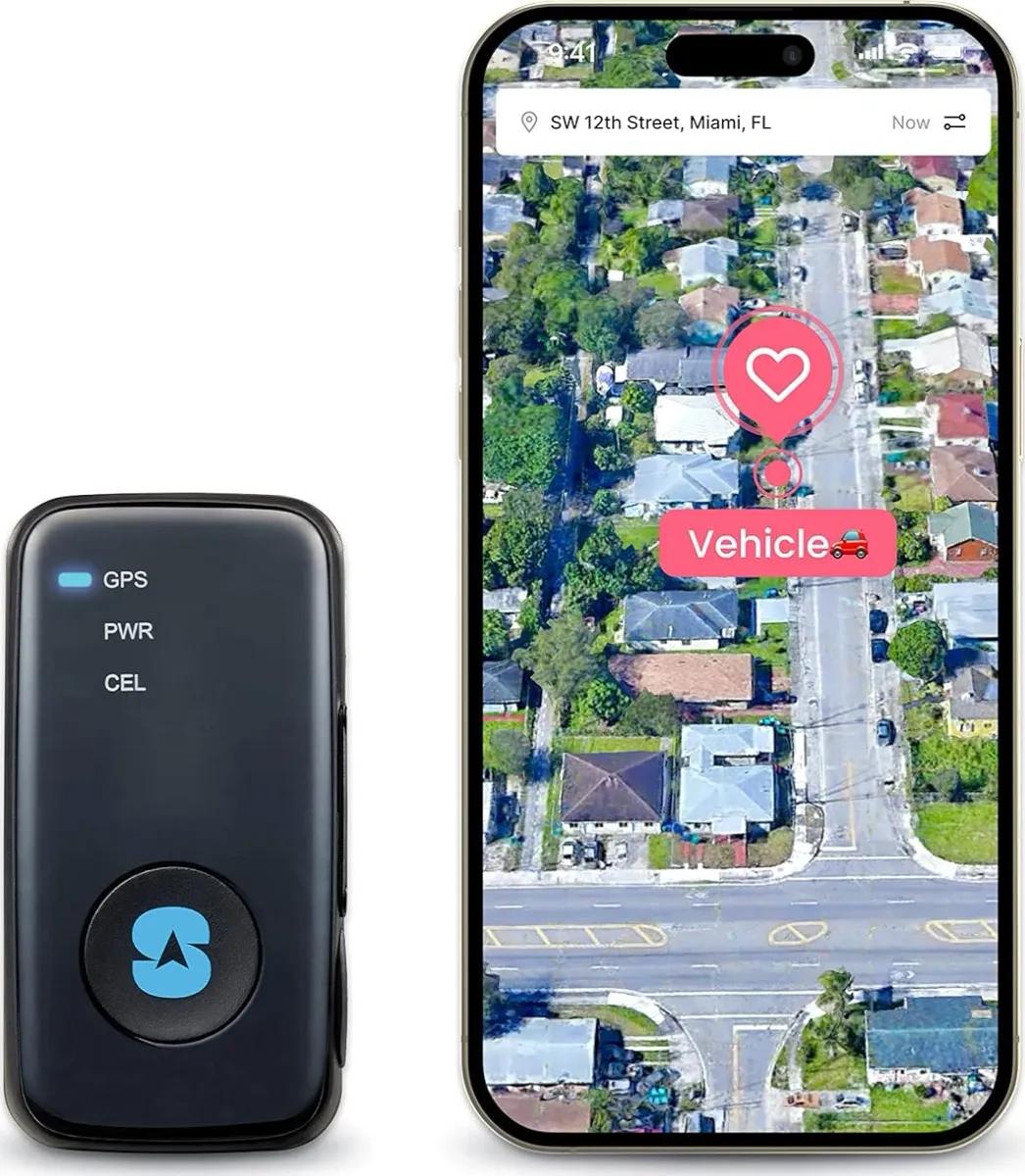
A GPS Tracker Qatar solution can provide location information alongside temperature data.
For example, if a temperature alert occurs during transportation, the fleet manager may be able to check the vehicle’s location and route history.
This can help identify where the event occurred and whether the vehicle was moving, stopped, or located at a particular facility.
The usefulness of this integration depends on the tracking platform and the way data from the sensor and GPS device are recorded.
Temperature Monitoring for Logistics Companies
Logistics providers may manage deliveries for multiple customers and product categories. Temperature monitoring can provide additional visibility when handling temperature-sensitive shipments.
A Vehicle Tracking System Qatar solution combined with temperature sensors can allow businesses to monitor both vehicle movement and cargo-area conditions.
This can help transportation managers maintain better records and identify potential issues during delivery operations.
Choosing a Temperature Sensor Qatar Solution
Businesses should evaluate several factors before selecting a temperature sensor.
Measurement Range
The sensor should support the temperature range required for the intended application.
Accuracy
Businesses should understand the sensor’s stated accuracy and measurement characteristics.
Data Logging
Historical data storage can be useful for reviewing previous transportation conditions.
GPS Integration
If location and temperature need to be viewed together, compatibility with the tracking platform is important.
Alerts
Configurable temperature thresholds can help users identify selected events.
Installation
The sensor should be installed in an appropriate location within the vehicle or cargo area to provide representative readings.
Connectivity
The sensor and tracking device need suitable connectivity to transmit information to the monitoring platform.
Fuel and Temperature Monitoring Together
Businesses may require monitoring of multiple vehicle parameters. A Fuel Sensor Qatar solution can be integrated with GPS and temperature monitoring when supported by the fleet platform.
This allows managers to view fuel, temperature, and location information through a centralized system.
For example, a refrigerated delivery vehicle could provide:
- Vehicle location through GPS
- Fuel information through a fuel sensor
- Cargo-area temperature through a temperature sensor
This creates a more complete view of vehicle operations.
Benefits of Temperature Sensor Qatar Technology
A suitable temperature monitoring solution can help businesses:
- Monitor cargo-area temperature
- Receive selected temperature alerts
- Maintain historical temperature records
- Review transportation conditions
- Combine temperature data with GPS location
- Support quality-control processes
- Identify recurring temperature issues
- Improve visibility across temperature-sensitive deliveries
The actual benefits depend on the sensor, installation, connectivity, monitoring platform, and business processes.
Conclusion
A Temperature Sensor Qatar solution can provide important visibility for businesses transporting temperature-sensitive products. By continuously or periodically measuring temperature and connecting the data to a tracking platform, businesses can better understand transportation conditions.
Combining a temperature sensor with a GPS tracking system, GPS device Qatar, and fleet management system Qatar can provide a centralized approach to monitoring vehicle location and environmental conditions.
For businesses involved in food distribution, pharmaceuticals, medical transportation, logistics, and other temperature-sensitive operations, selecting an appropriate sensor and monitoring platform can help create a more organized and data-driven transportation process.



















































No Comments