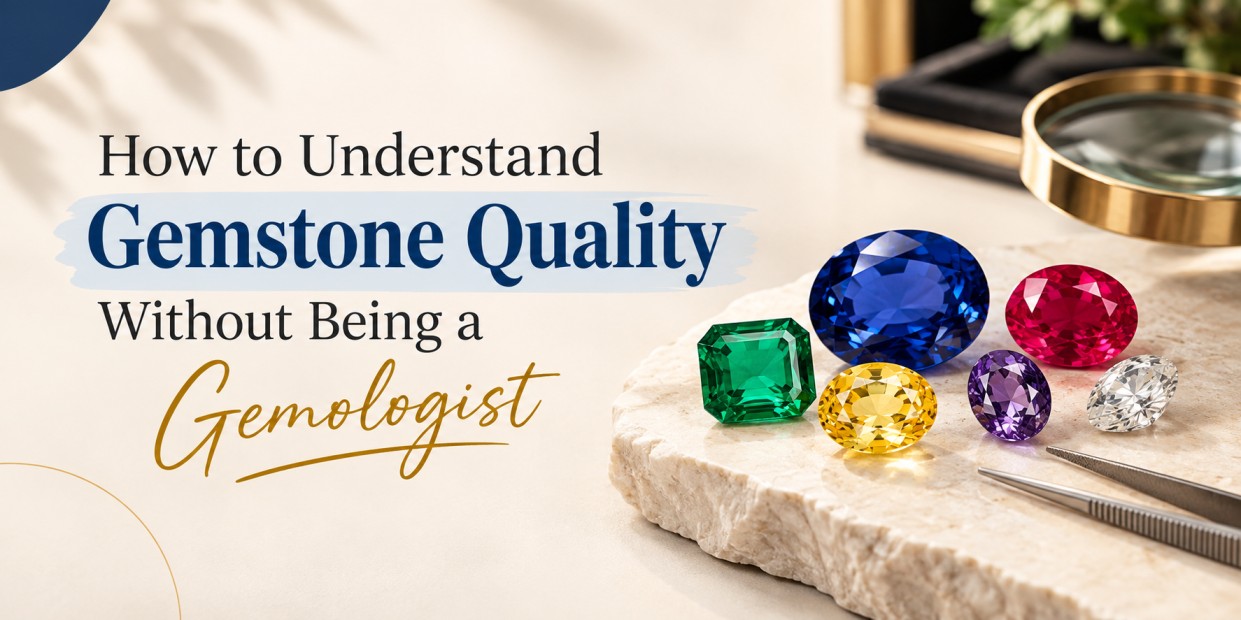


Buying a gemstone can be confusing, especially when faced with technical terms such as clarity, color, cut, carat weight, treatment and origin. The good news is that you don’t have to be a professional gemologist to understand the basics of gemstone quality. Armed with a few simple checks, you’ll be able to make a more informed buying decision and know what makes one stone more valuable than another.
If you want to know how to choose a Blue sapphire, yellow sapphire, Emerald stone or Ruby stone, the same basic principles can be applied to evaluate your choices.
1. Begin with Color
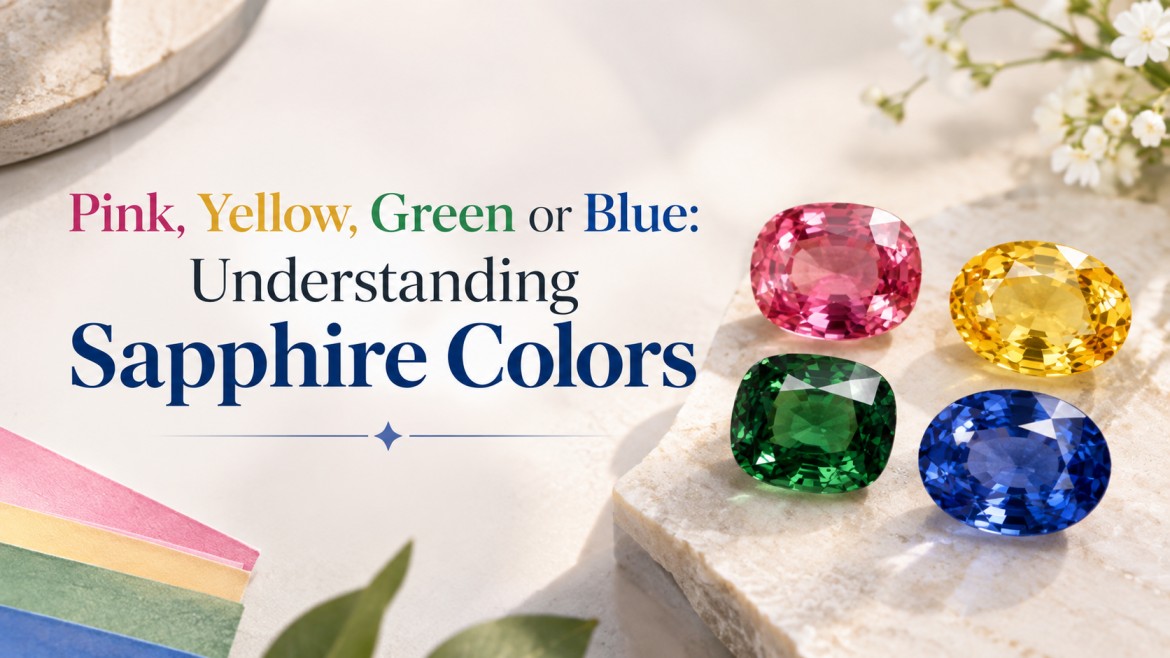
When you compare gems, one of the first things you look at is color. Look at the stone under neutral, natural light, not just the jewelry-store spotlights.
A good quality gemstone will normally have an attractive well distributed color. But the ideal color is dependent on the stone of the gem.
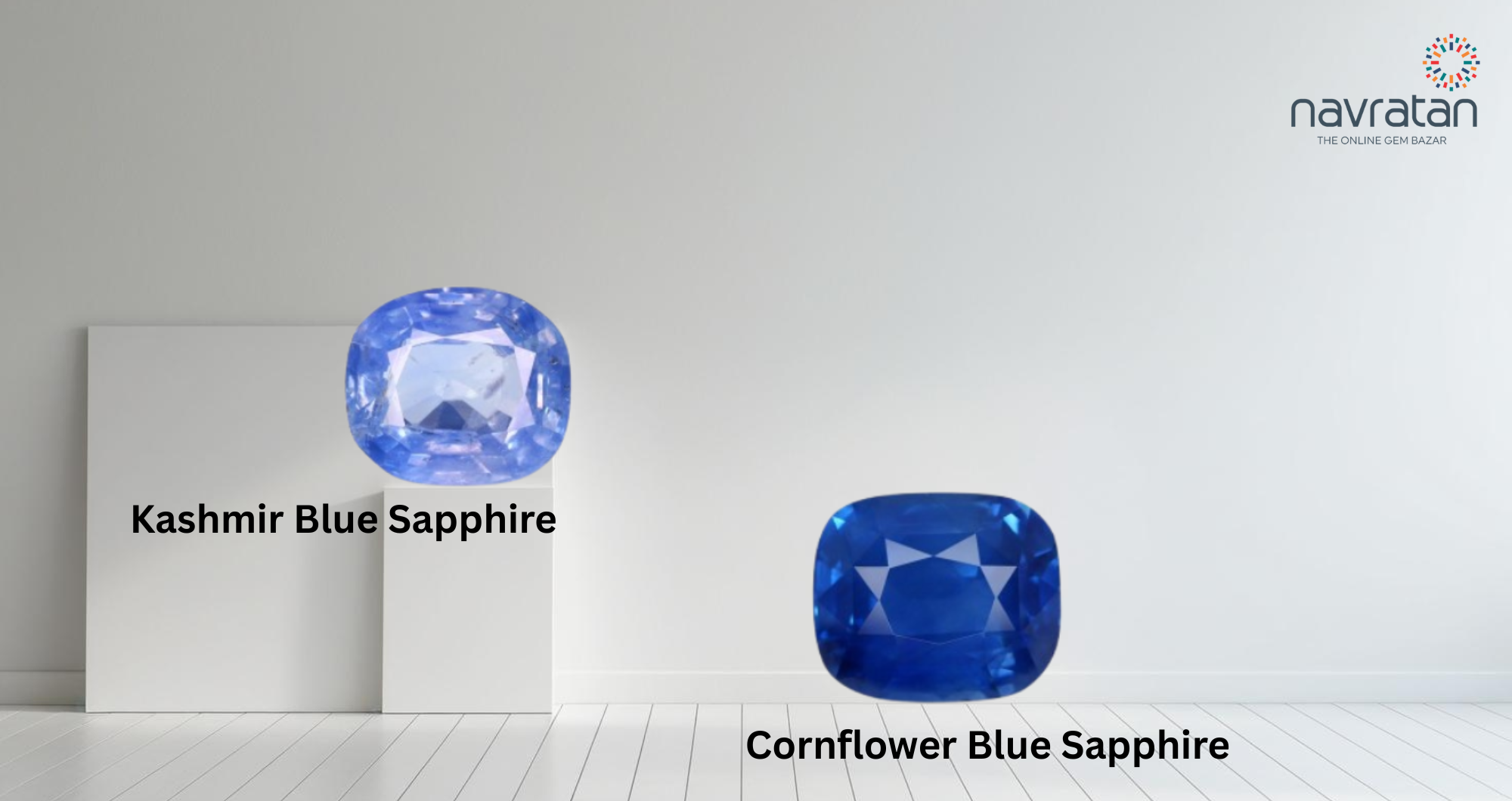
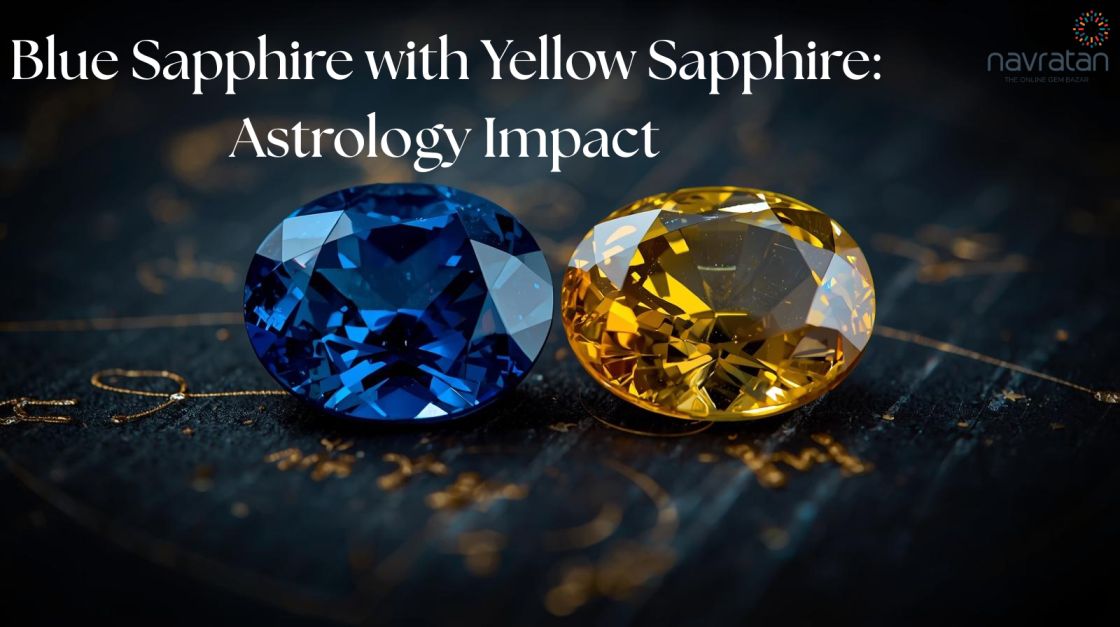
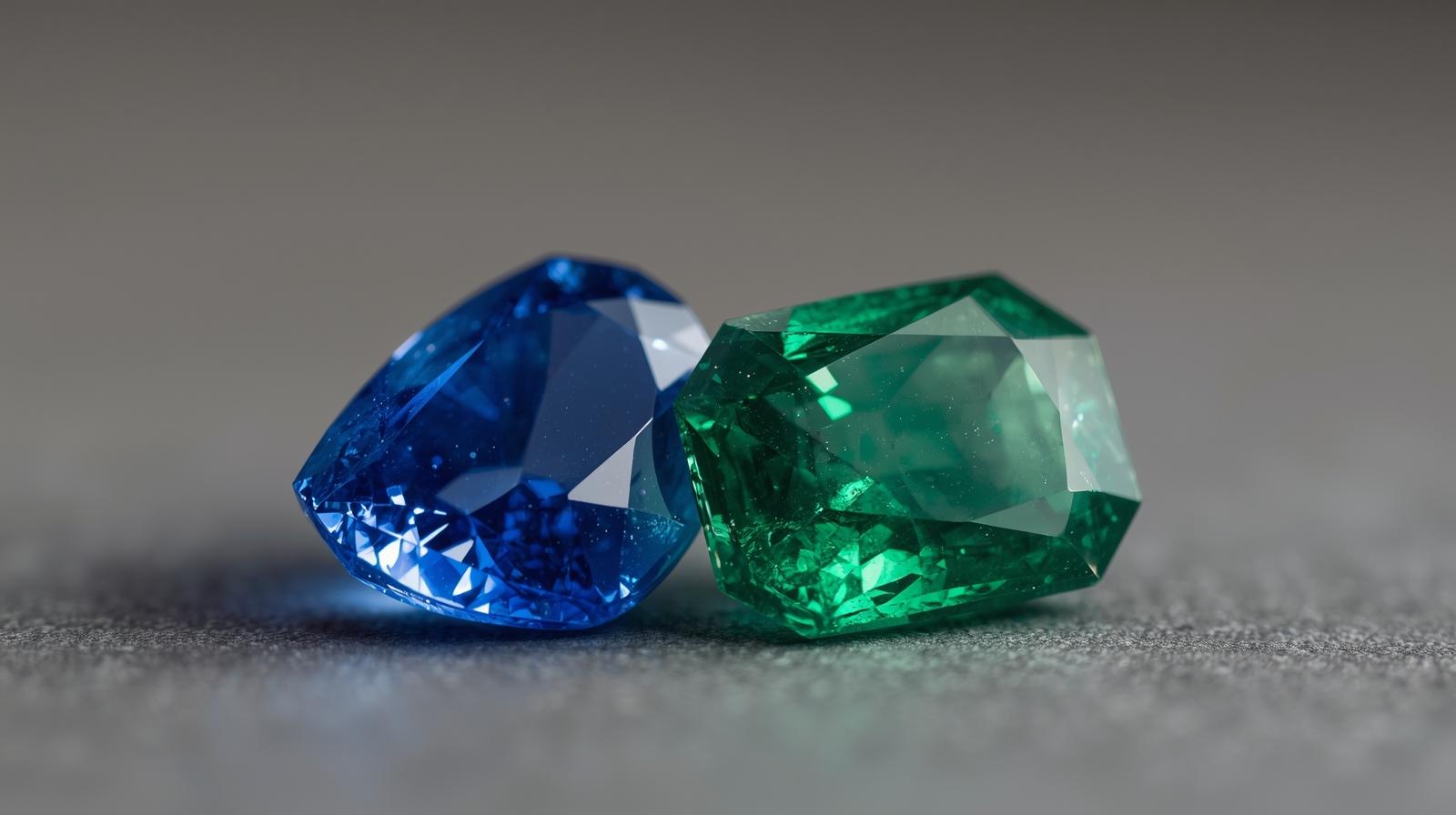
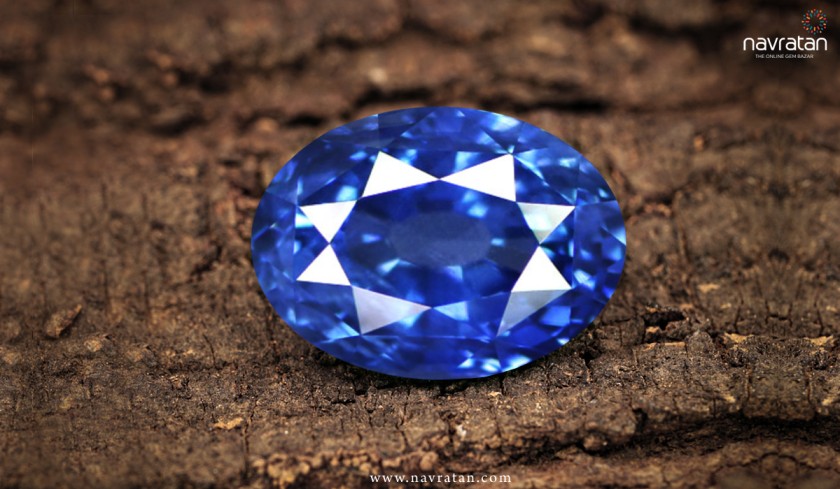
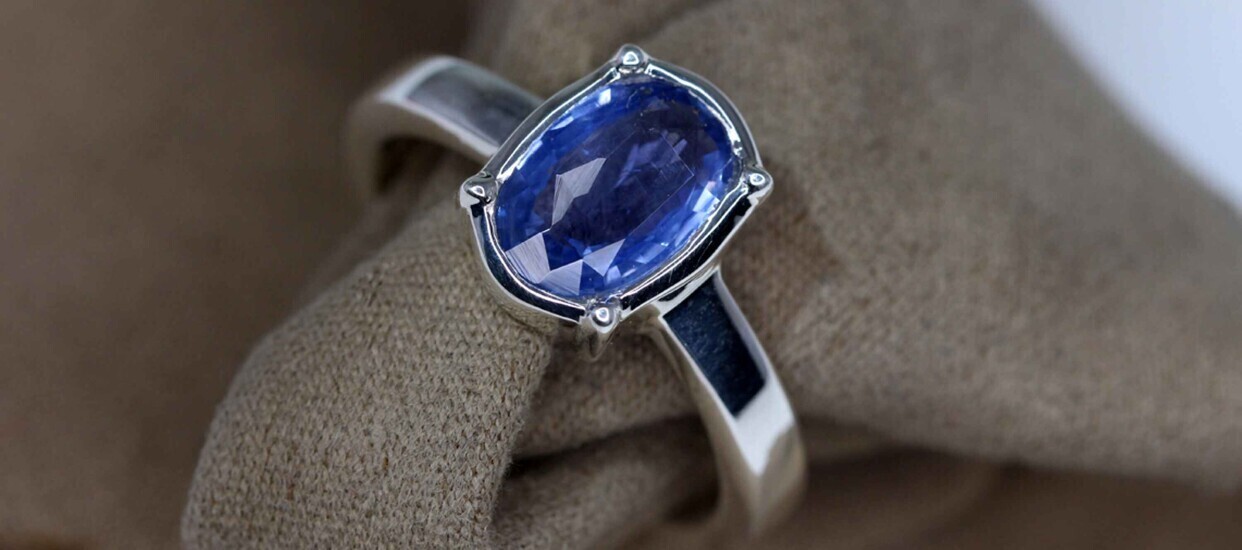
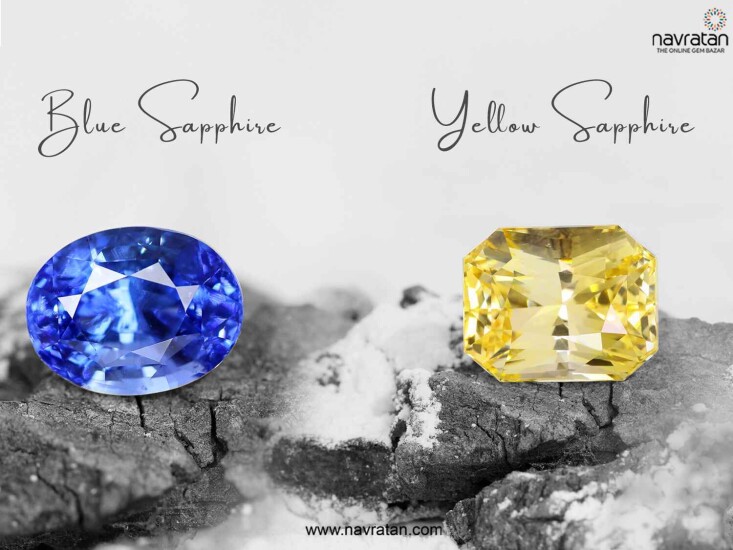
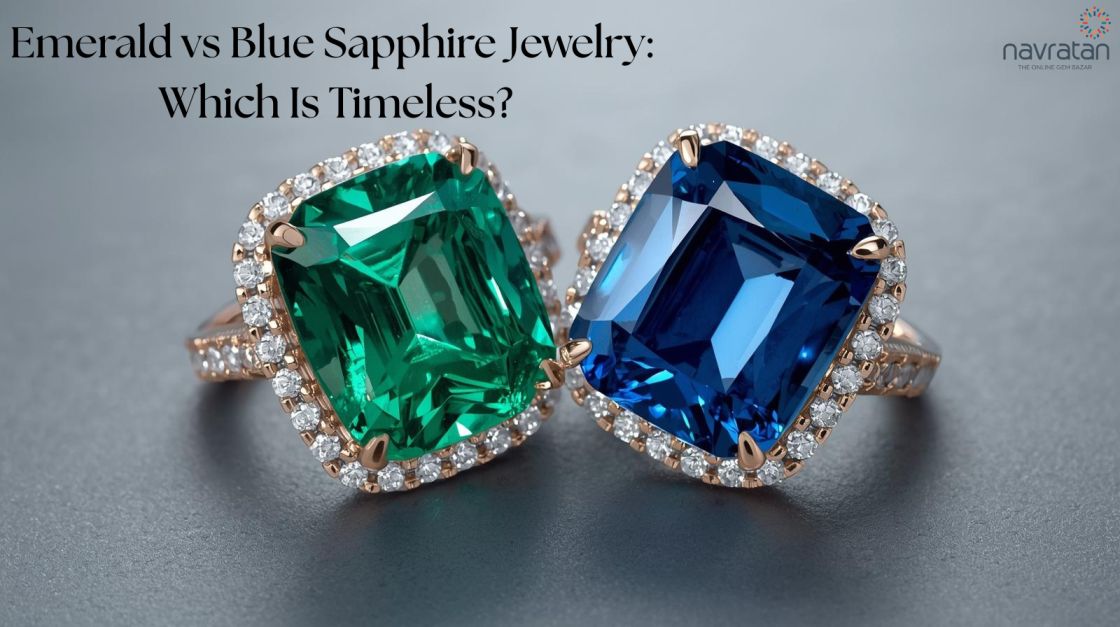
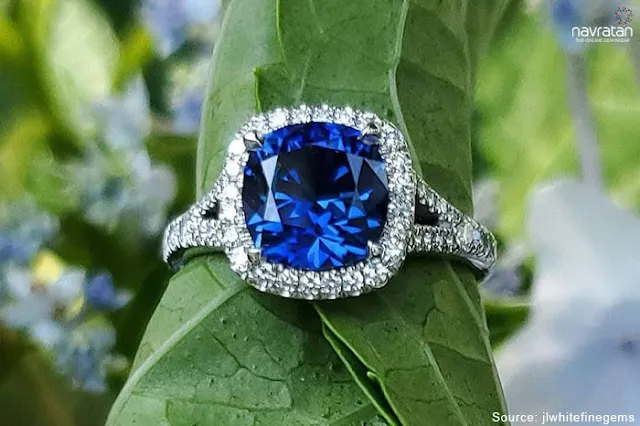
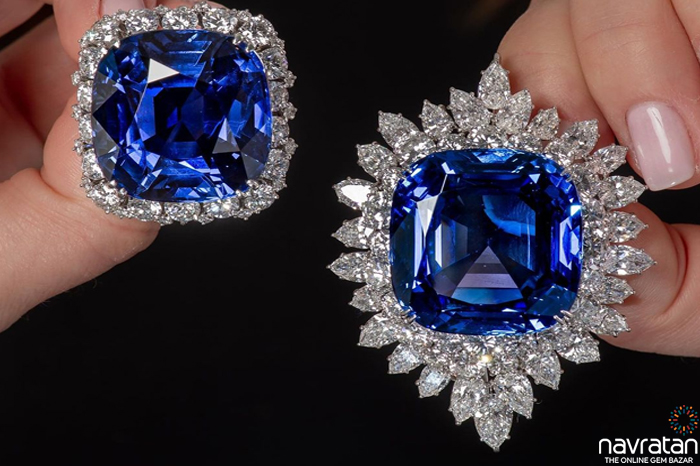
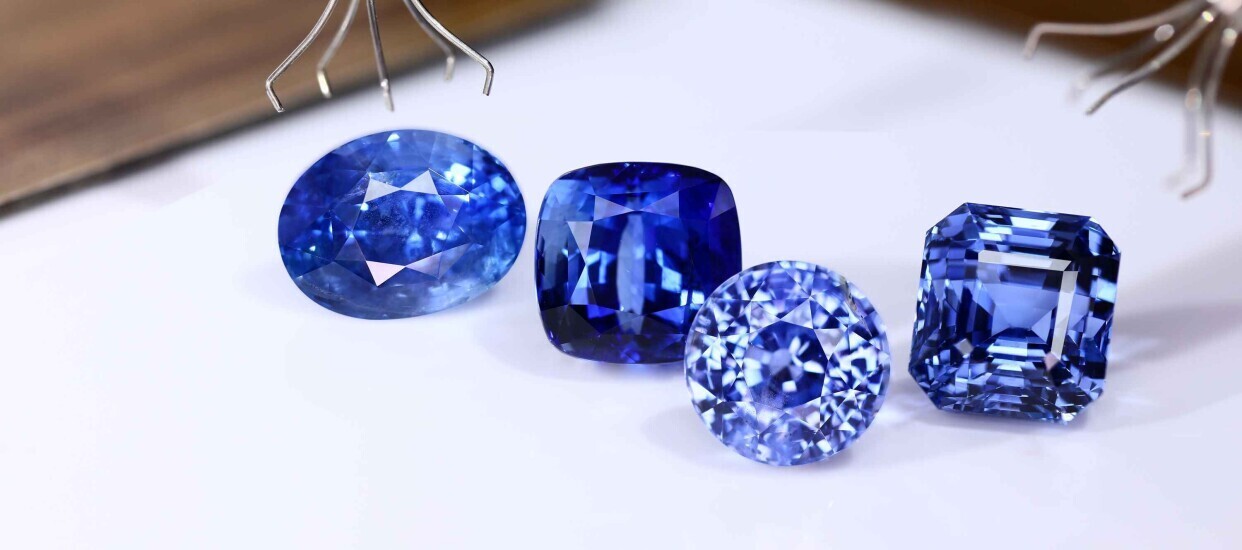
Blue Sapphire: Choose a nice blue hue with good saturation.
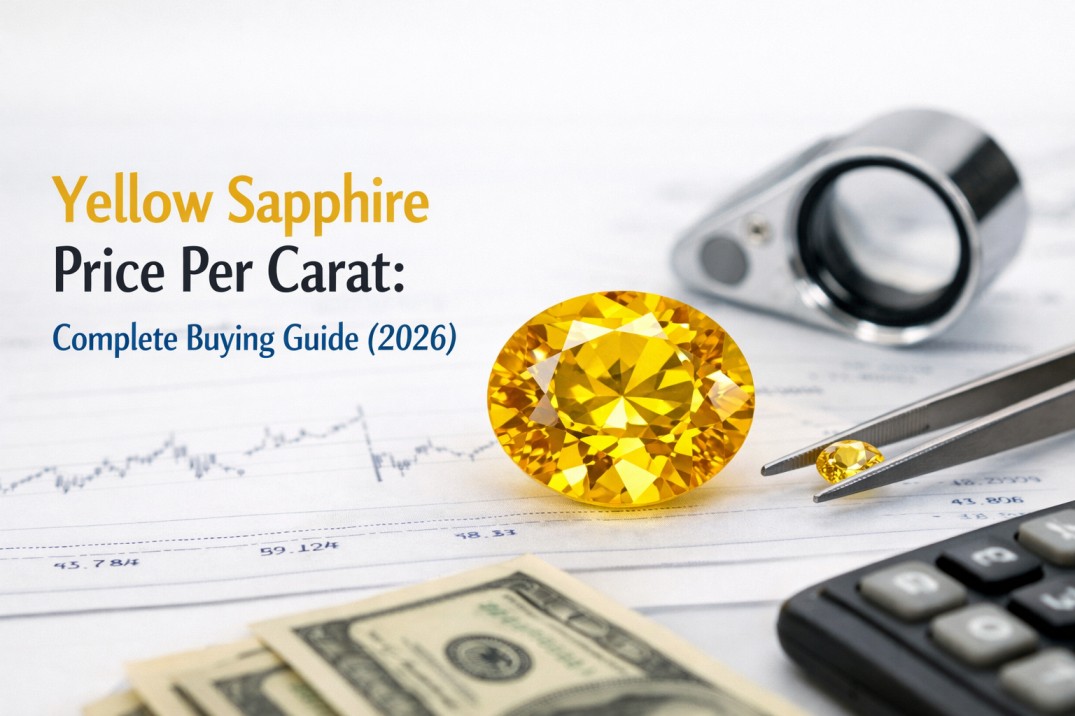
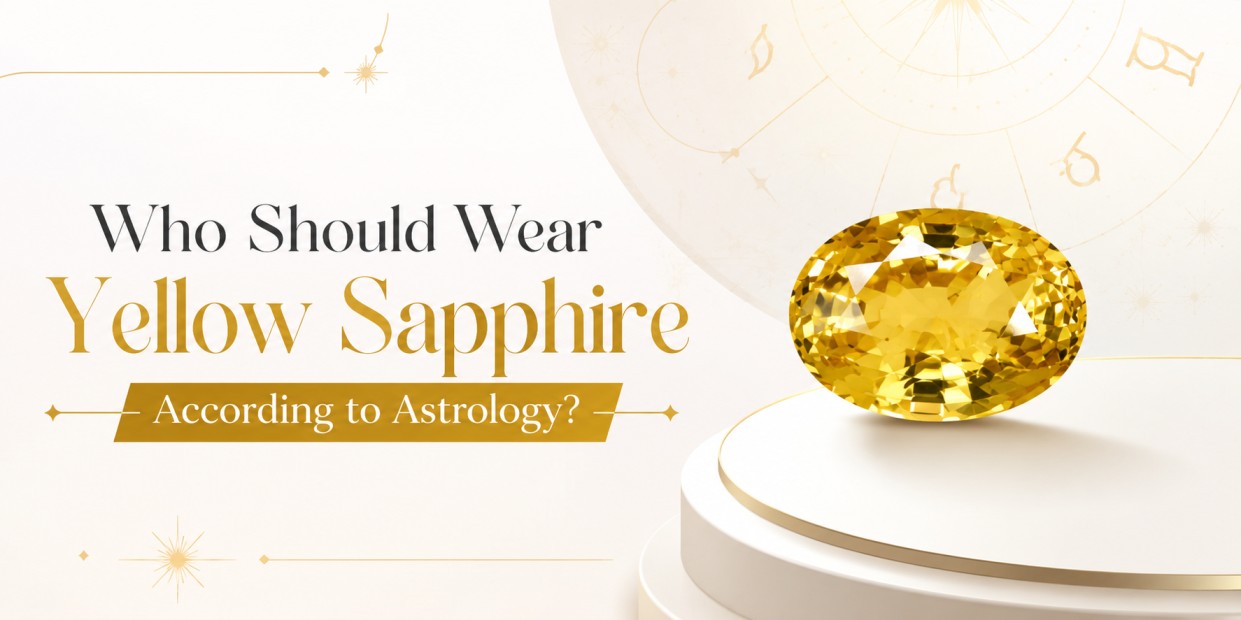
Yellow sapphire: A nice, even yellow or golden yellow color is desirable.
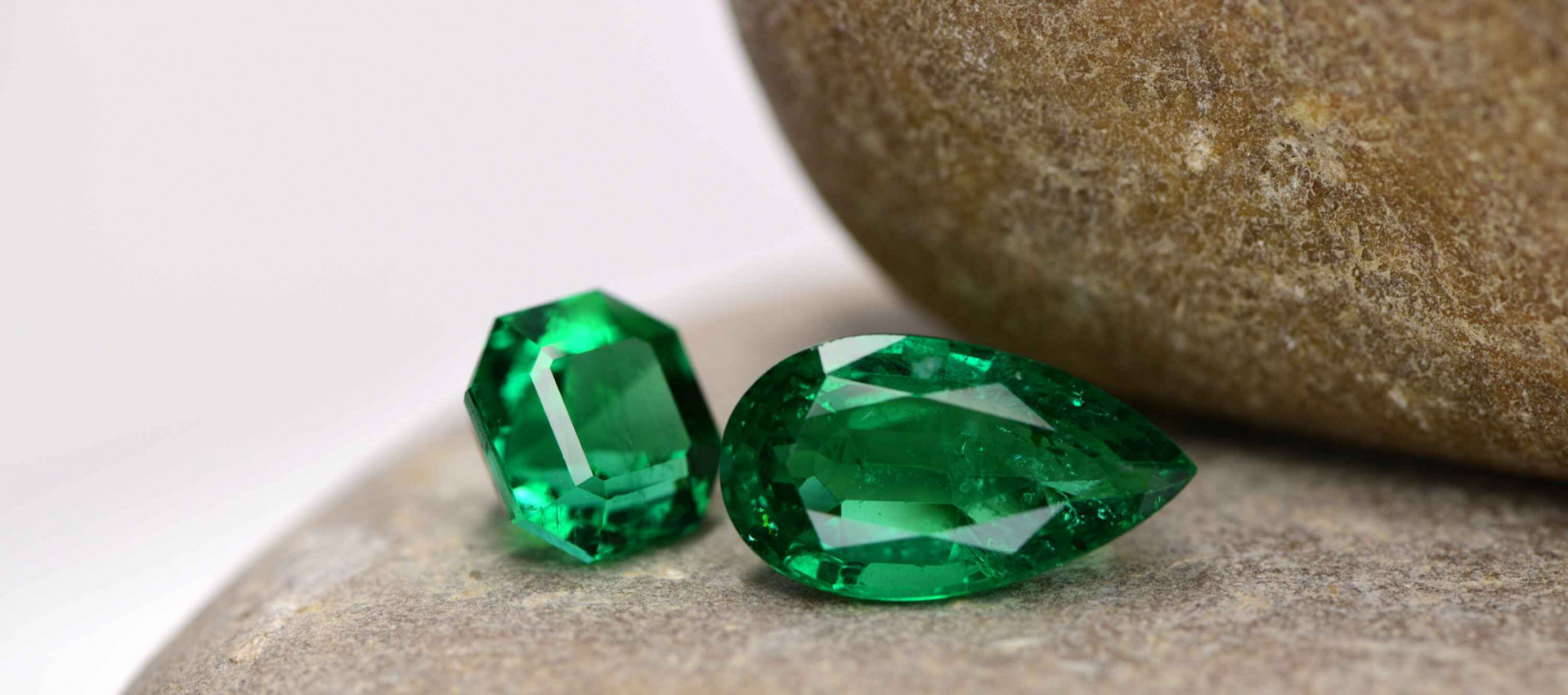
Emerald stone: The attractive green color is an important factor in its value.
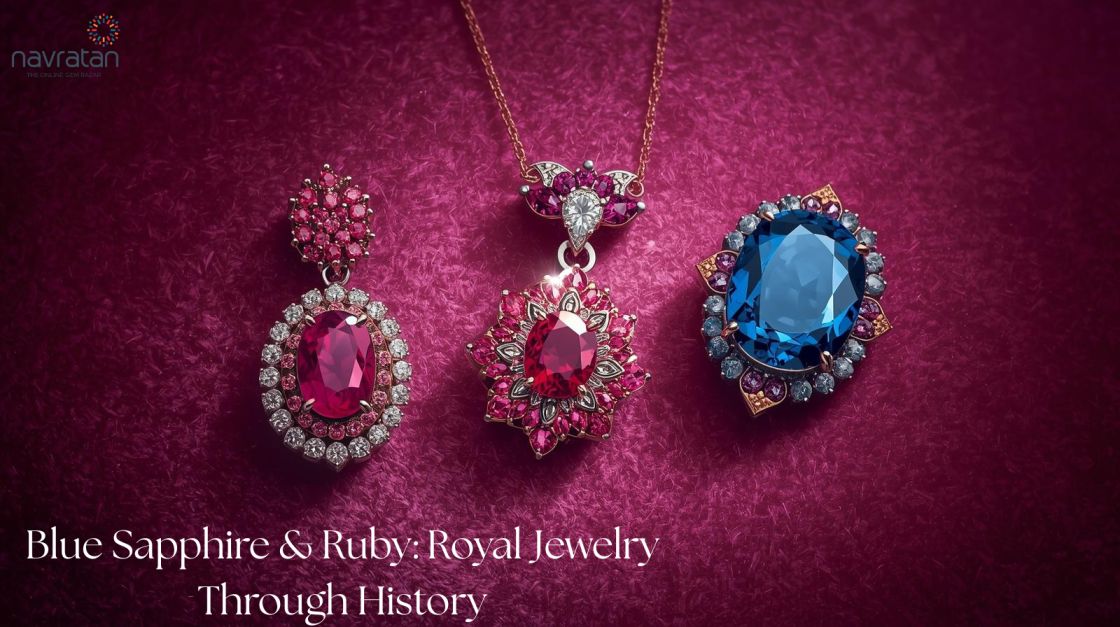
Ruby stone: The strong attractive red color is of particular importance.
Think the darkest stone is the best stone, not just a stone. Sometimes very dark color can reduce brilliance or make it more difficult to judge inclusions.
2. Search for Clarity and Inclusions
Almost all natural gemstones have some sort of internal feature, usually called inclusions. These are not necessarily signs of a bad quality stone.
In fact, some inclusions can be a sign of a natural gemstone. But large, distracting or surface-reaching inclusions can impact beauty and durability.
If you see a stone, ask yourself:
Any cracks you can see?
Are there big inclusions just under the surface?
is the stone cloudy?
Does it really lose its brilliance because of inclusions?
Inclusions are especially common in stones such as emeralds. Therefore, an Emerald stone cannot be judged by the same clarity standards of every other gemstone.
3. Watch the Cut
Cut refers to how well a gemstone interacts with light. A well cut stone will sparkle and glow while a poorly cut gem will look lifeless even if the color and clarity are good.
Place the gemstone in the light and slowly rotate it. Look for flashes of light, and for a pretty overall look.
Be cautious if one part is much darker than the rest or if the stone seems flat and dull. The quality of the cut can have a huge effect on the final look of jewelry.
4. Pay Attention to Carat Weight
Carat is a weight measurement of gemstones, not their size. Two stones of the same weight can be different sizes, depending on the shape and density of the stone.
More is not always better in the case of gemstones. A small stone, for example, with great color, clarity and cut may be more desirable than a much larger stone with poor characteristics.
“Don’t just look at carat weight, look at the whole quality profile.
5. Inquire About Treatments
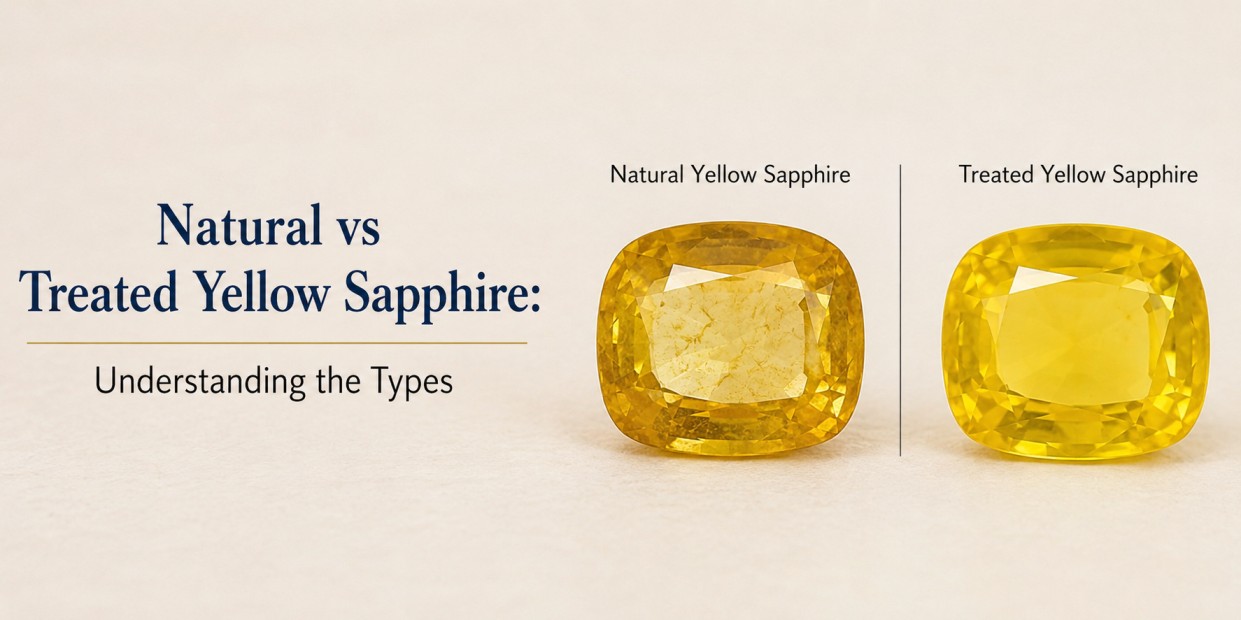
Treatments of gemstones are routine in the jewelry trade. Other treatments include heating, filling, irradiation and other treatments to improve the appearance or durability of a gemstone.
There’s nothing wrong with buying a treated gem, but you should know what you’re getting.
Before you pay, ask the seller:
“Is the stone natural, treated or man made?”
Where possible the answer should be clearly documented on the gemstone report.
6. Double check the source material
For example, the origin of a gemstone will affect the price of the stone, but origin alone is not a guaranty of higher quality.
For example, buyers may learn about famous sources associated with Blue sapphire, Ruby stone or other gemstones. But the real value of a gemstone is determined by its qualities, not just by its place of origin.
Be especially wary if the seller is using an origin claim as the primary reason for an unreasonably high price, without any reliable documentation to support the claim.
7. Always Verify Certification
If you are buying a major gem an independent lab report can be very helpful in terms of authenticity and treatments.
A reputable report can identify:
Types of gemstones
Natural or lab-grown status
Detectable therapies
Measurements and weight
Sometimes additional identification characteristics
The certification is very useful when purchasing costly Blue Sapphire, Yellow Sapphire, Emerald Stone or Ruby Stone.
8. Do Your Research Before You Buy
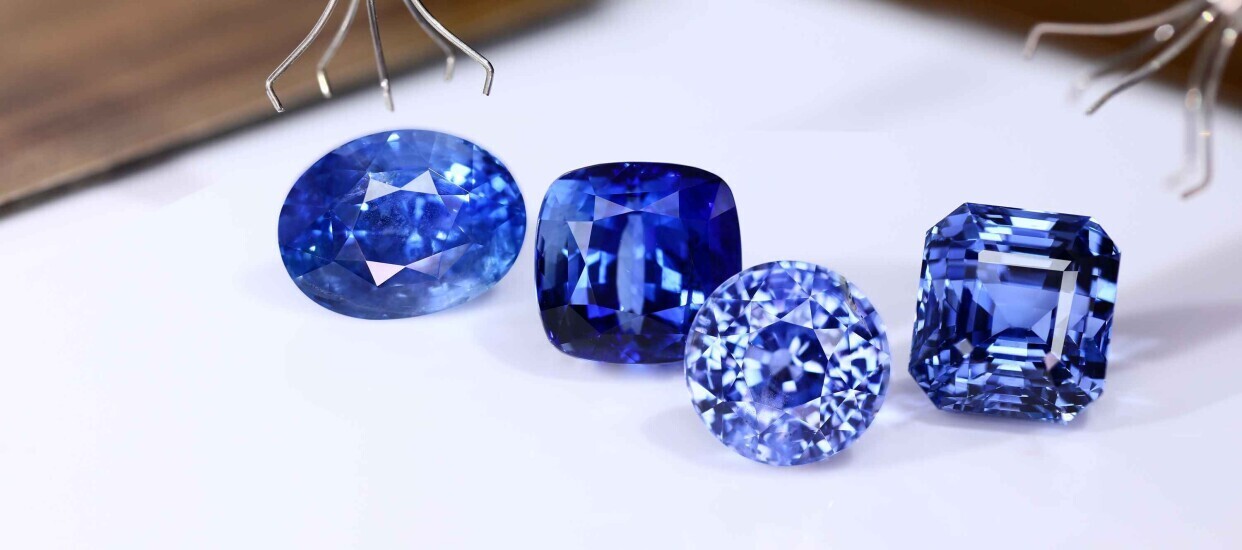
Do not buy the first gemstone you find. Look at multiple stones under similar lighting conditions.
Review their color, brilliance, inclusions, cut, treatment disclosure, certification and price. This simple comparison can help to make it easier to understand why one stone is so much more expensive than the other.
Ask for a proper invoice with description of the gemstone and its characteristics.
Ultimately
You don’t need years of professional training to learn how to tell the quality of gemstones. Learn to understand color, clarity, cut, carat weight, treatments, origin and certification and you can become a far more confident buyer.
Whatever you are shopping for, be it a Blue sapphire, yellow sapphire, Emerald stone or Ruby stone, keep in mind one simple rule. Do not judge a gemstone by size or appearance alone. See the whole picture, ask questions and verify key statements. Buy a stone whose documented quality is worth the price.













No Comments