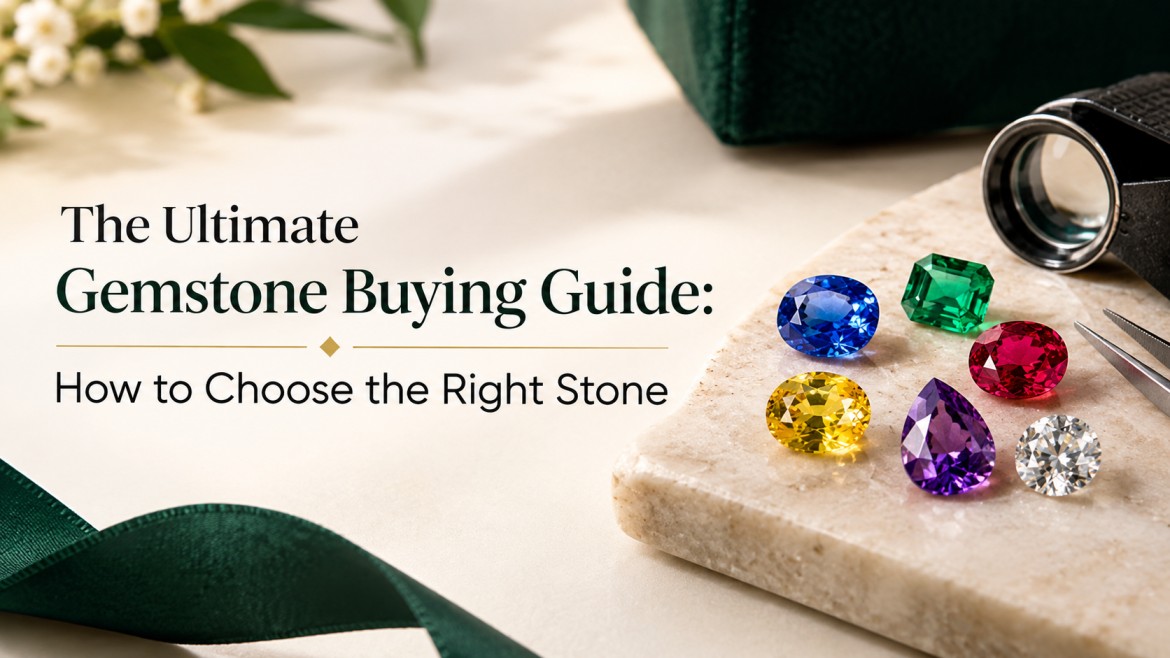


Choosing to buy a natural gemstone can be an exciting investment but it is easy to pay more than what the stone is really worth. If you are shopping for a Blue sapphire, yellow sapphire, Emerald stone or Ruby stone, knowing about quality, treatments, certification and pricing can help you make a smarter purchase.
1. Learn What Makes a Gemstone Valuable
The price of a gemstone is more than just its size. Value is influenced by several factors, including:
Color and color uniformity
Inclusions and transparency
Cut and general appearance
Carat Weight Origin
Status of treatment
Certification
Market scarcity and demand
For example, a small gem with high color and clarity can sometimes be worth more than a much larger gem that is of poor quality.
2. Always Question If Stone is Natural
When buying a gemstone the word natural is important. Natural gemstones are the products of natural geological processes, while synthetic ones are made in a laboratory.
Other things to consider are treatments. Some natural gems are routinely treated to improve their appearance. Treating a gemstone does not automatically make it worthless, but it must be clearly disclosed, because it can affect price and value.
Directly ask the seller:
Is this stone natural, synthetic or treated?
Whenever you can, get it in writing.
3. Look for Similar Stones Before Buying
Don’t buy the first gemstone you see. Compare multiple stones with similar features.
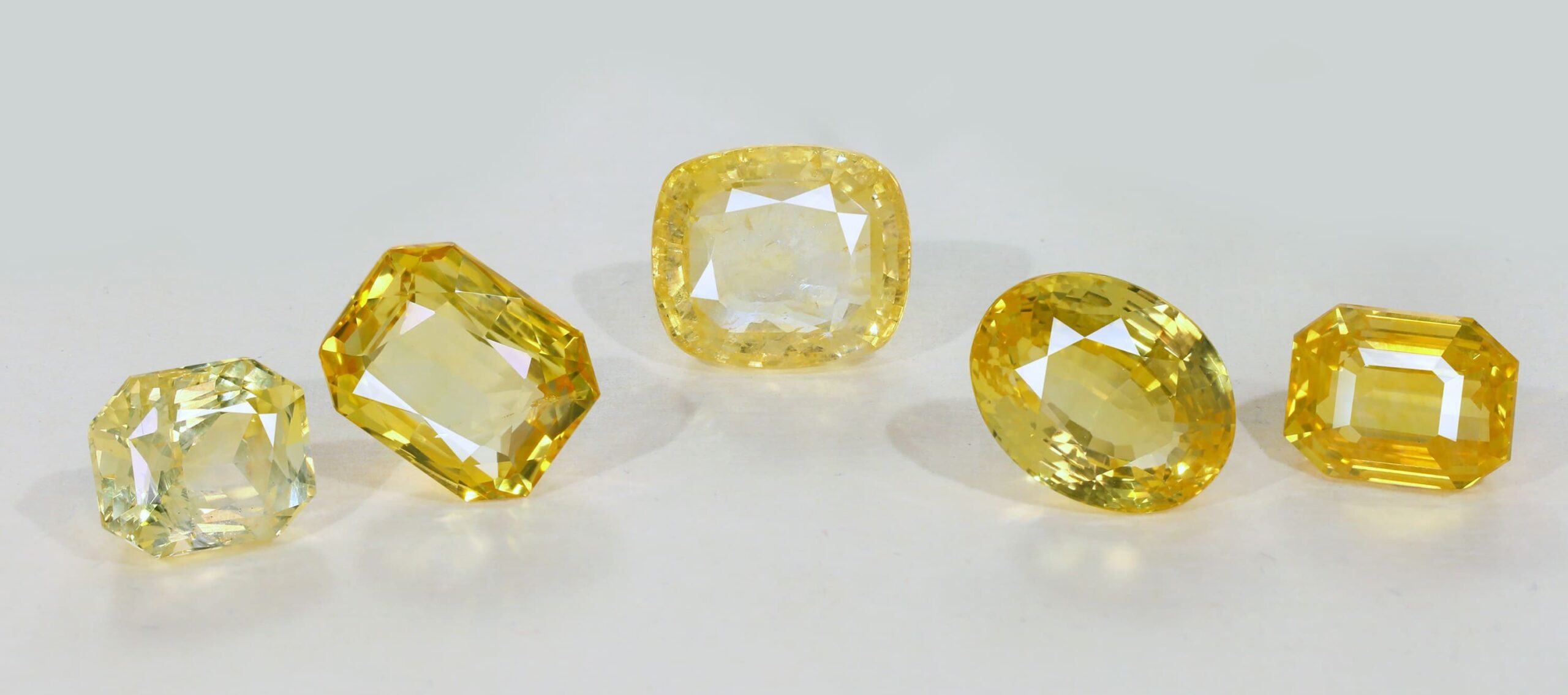
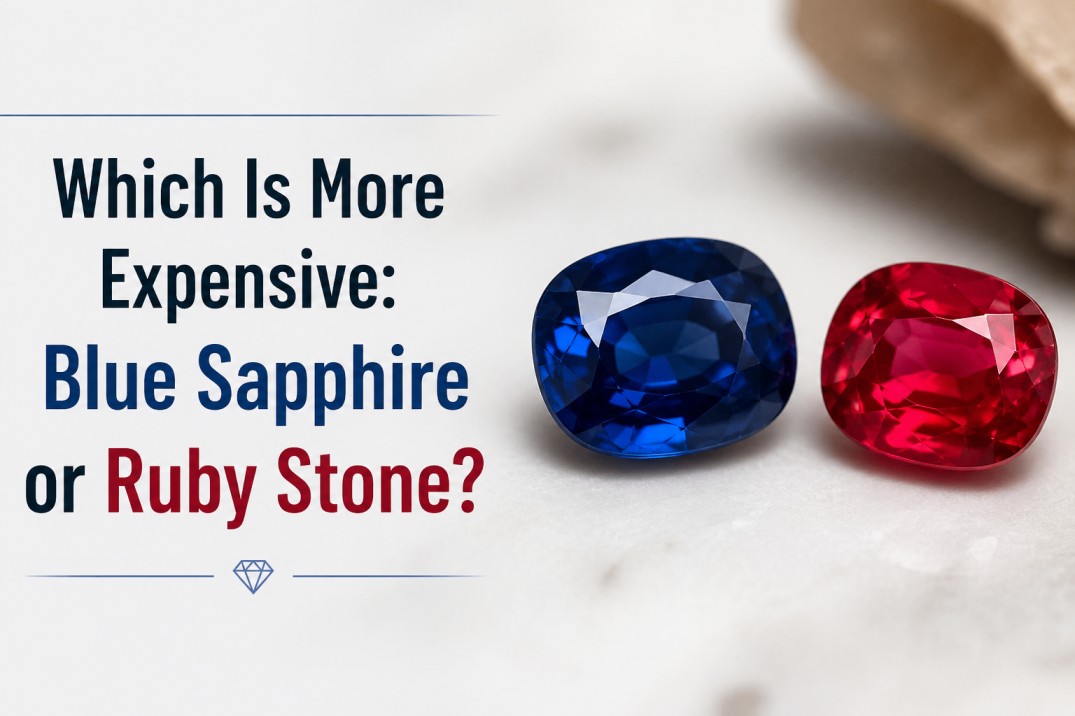
For example, if you are shopping for a Blue sapphire, make sure to compare stones with similar carat weights, color quality, clarity, treatment status and certification. The same approach will work for a yellow Sapphire, an Emerald stone and a Ruby stone.
If you compare like-for-like stones, you’ll get a much better idea of the actual market range.
4. No Additional Charge for an Origin Claim
Gemstone origin can affect the price, but just because a gemstone has an origin label doesn’t mean it deserves a huge premium.
Some origins are well respected in the gemstone market. But the actual quality of the stone still counts. A stone from a famous locality need not be superior to all other stones of the same species from other localities.
If a vendor makes a premium origin claim, request an independent lab report to validate the claim.
5. Obtain an Independent Gemstone Certificate
A good laboratory report can provide useful information about the identity and treatment status of a gemstone. Depending on the lab and stone, a report will identify characteristics such as species, variety, measurements, weight and detectable treatments.
Don’t believe a seller’s description at face value.
Independent certification is particularly helpful if you are buying an expensive gemstone. It can give you additional information before you make a major purchase.
6. Watch Out for “Perfect” Gemstones
While the natural stone that looks perfect may appear to be the best option, very high clarity can be uncommon for certain kinds.
Inclusions are common in natural gemstones. In some cases, inclusions can even enhance the natural origin of a stone.
But inclusions should be considered with caution. Some can greatly affect durability or appearance; others may have little visual impact.
It’s not only about finding the “perfect” stone. It is to find the stone that matches the price quality.
7. Be Aware of Disclosure of Treatment
One of the biggest factors that can impact gemstone pricing is treatment.
For instance, some sapphires and rubies are commonly heat-treated. Other gemstones may be treated by other enhancement processes.
Treatments may or may not have an effect on the value of a natural gemstone. Transparency is the key.
Ask before you purchase:
Has the gemstone been heat treated?
Is it filled or diffused?
Are there any other treatments documented?
Does the certificate say treatment?
Does the treatment affect the durability of the gemstone?
The seller that clearly states these facts helps an apples to apples comparison of price.
8. Focus on Color, Not Carat Weight
Most buyers instinctively want to get the biggest gemstone they can for their money. But size isn’t everything.
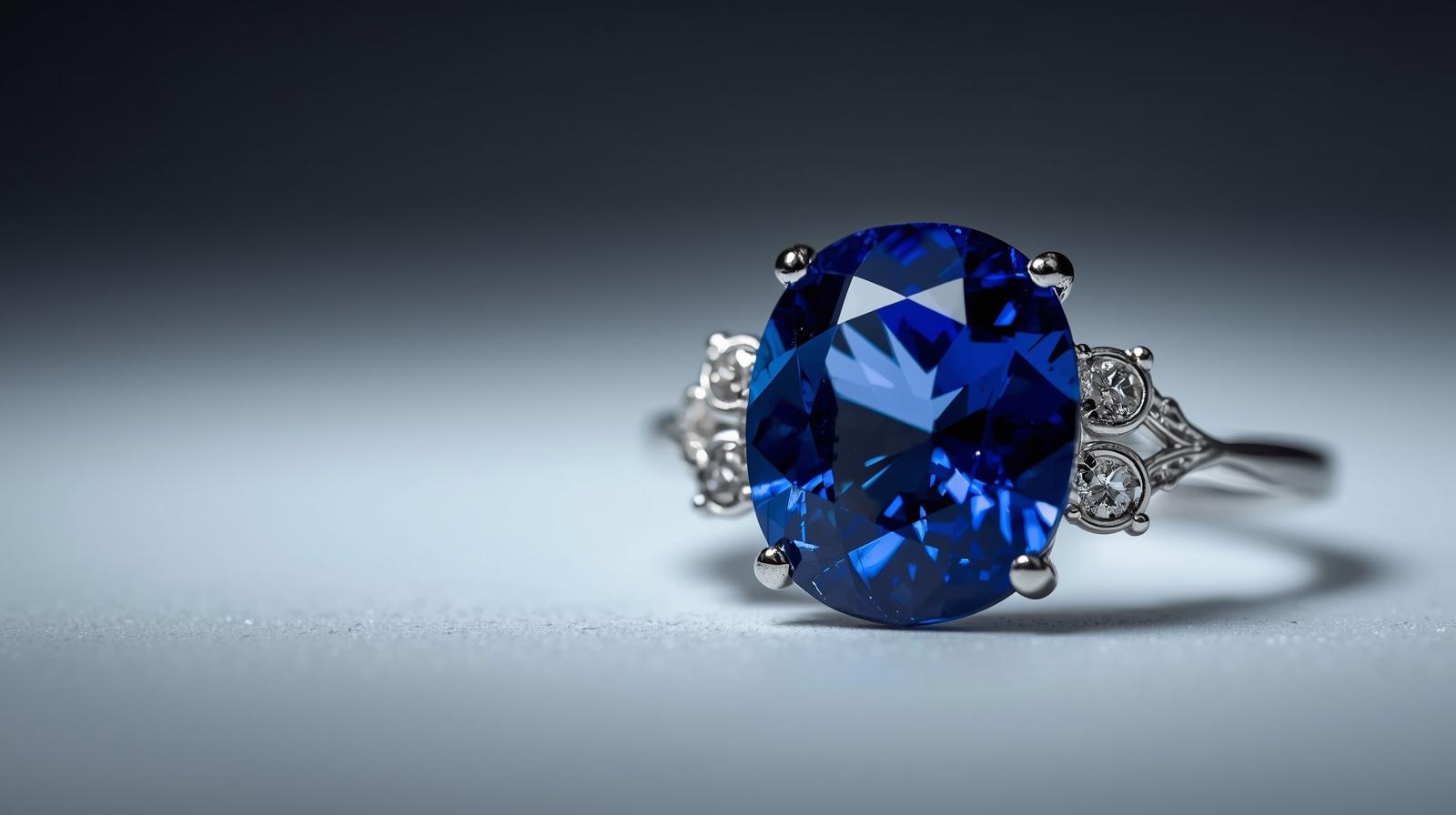
For example, in the case of a blue sapphire, a balanced, attractive color may be more important than simply choosing the largest available stone.
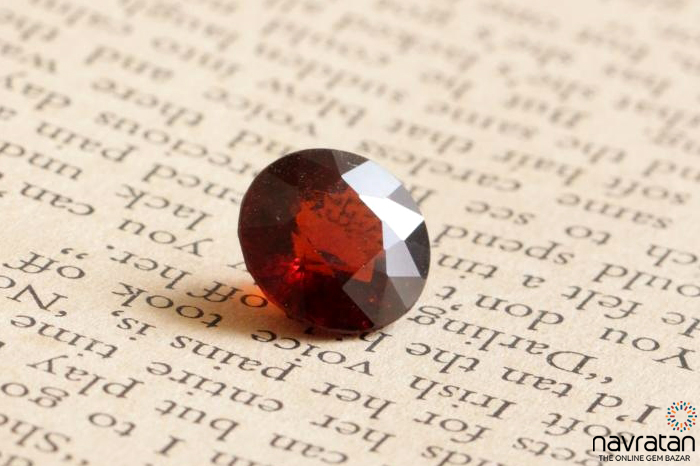
Similarly, when buying a yellow sapphire, Emerald stone or Ruby stone, check the color carefully under neutral lighting.
Before you buy, ask to see the gem in different kinds of light.
9. Know the Difference Between Retail and Wholesale Pricing
Gemstones go through various stages before reaching the end customer. Costs in mining, cutting, certification, import, manufacturing and retail operations can all add to the final price.
That means there isn’t a universal “wholesale price” for all gems.
Instead of asking, “Is this cheap?” ask yourself:
“Is this price fair for this quality and treatment of this gemstone?”.
That’s a better question.
10. Don’t Exchange Astrology for Gemstone Quality
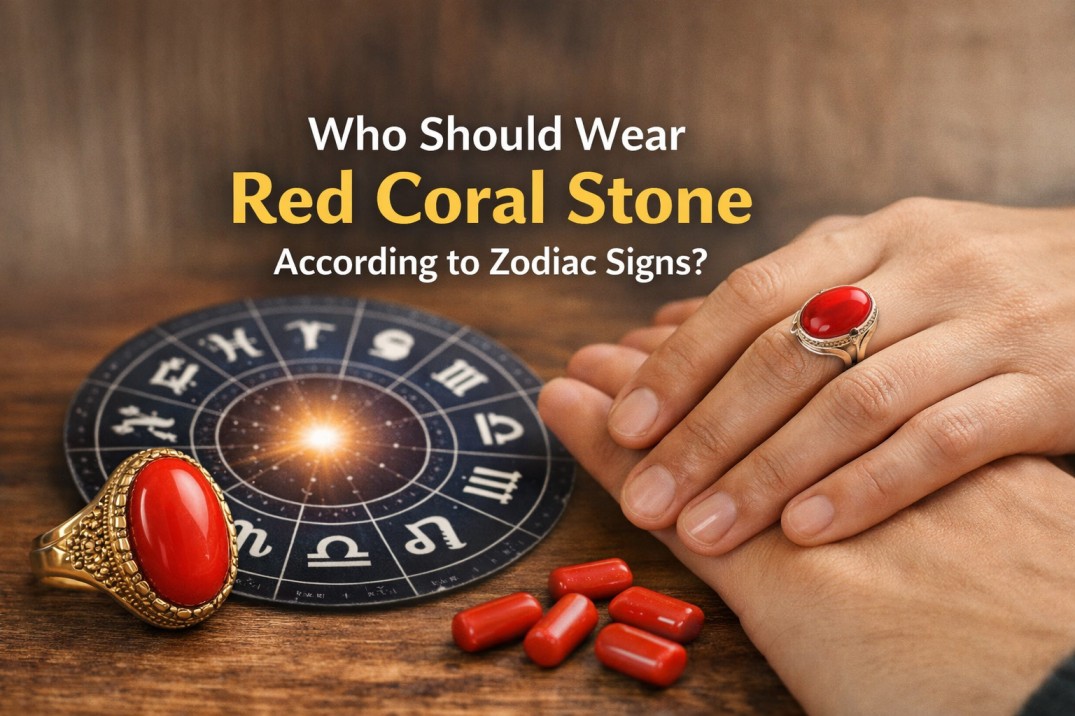
A lot of buyers buy gemstones for astrological reasons. Blue Sapphire, Yellow Sapphire, Emerald stone and Ruby stone are very popular in Vedic Astrology.
If you are buying for astrological reasons, you may have other preferences regarding gemstone type, weight, metal or suitability. But still you need to check the physical attributes and genuineness of the gemstone.
Don’t overlook certification or overpay on astrological significance.
11. Choose the Seller Wisely
A reputable seller should be able to tell you the gemstone’s:
Origin, when established on sure grounds
If natural or synthetic
Treatment
Size and weight
Certification
Return/exchange policies
Expenses
Be cautious of a seller who pressures you to buy right away or tells you that an expensive gem will give you wealth, health or success.
Final Purchase Checklist
Check these points before paying for a Natural Gemstone:
✓ Natural or synthetic?
✓ Treatment disclosed?
✓ Independent certificate available?
✓ Color attractive and uniform?
✓ Clarity suitable for the gemstone?
✓ Price compared with similar stones?
✓ Origin claim substantiated?
What is the return policy of the seller?
Summary
In the case of buying a natural gemstone, not overpaying is not about finding the cheapest stone. It’s about knowing what you’re actually buying, and paying a fair price for the documented quality.
If you are planning to buy a Blue sapphire or yellow sapphire or Emerald stone or Ruby stone, do not rush, compare similar gemstones, check the treatment information and ask for reliable certification for expensive purchases. A little research before you buy can make a big difference in helping you to choose a gemstone with confidence.






















No Comments