


Two quotes for the same logo. One includes unlimited revisions, the other includes one. The unlimited one looks like the obvious choice, and it might be the worse deal.
Revision policy is one of the least examined parts of an embroidery digitizing services quote, and one of the easiest places to get caught out. Here’s what the different policies actually mean and which questions matter more than the headline number.
There’s No Industry Standard
Worth saying plainly, because plenty of sites imply otherwise. Nobody sets a rule here.
In practice, budget providers tend to include very little and charge per edit. Mid-range services usually include one or two rounds of minor changes. Premium and contract-focused providers more often say unlimited until you’re happy. All three are legitimate business models, and the price reflects which one you’re buying.
So the answer to how many you should get is: whatever the provider states in writing, agreed before you pay. What you’re really trying to avoid is finding out after the first sew-out.
The Number Matters Less Than the Edit Ratio
Here’s the reframe worth carrying into any quote comparison.
A digitizer offering unlimited revisions who needs three rounds on every job is costing you far more than one who includes a single round and rarely uses it. Each cycle is a day of your schedule, another sew-out, another test garment, and another conversation. The revisions themselves may be free. Your time isn’t.
Good studios talk about low edit ratios for exactly this reason. They’d rather build it right than offer generous terms on fixing it. When you ask about revisions, ask a second question: how often do your files need one?
What Should Never Be Chargeable
The clearest way to think about it is who made the decision.
If the digitizer chose something and it didn’t work on the fabric you told them about, correcting it is part of the job, not an extra. That covers density that’s too heavy for your knit, underlay that let the design sink, pull compensation that opened a gap, sloppy pathing with unnecessary trims, a color sequence that buried a detail, and small text that filled in at the size you specified.
Format conversions belong in the same category. If you asked for DST and later need PES, that’s an export, not a redesign, and reputable embroidery digitizing services treat it as a two-minute favor.
What’s Fair to Charge For
The flip side is just as clear, and it’s reasonable.
If you change the brief, that’s new work. Adding a tagline that wasn’t in the original artwork, switching from a polo to a cap, changing the finished size substantially, moving to a completely different fabric, or supplying revised artwork after digitizing has started are all genuine additional jobs.
Nobody should feel awkward about being billed for those. What matters is that the line was drawn before you ordered rather than negotiated afterwards.
Resizing Sits in the Middle
This one causes more disputes than anything else, and there’s a rough industry position on it.
Most providers will resize a design by ten to twenty percent at no charge, because a stitch file tolerates that much without the density going wrong. Beyond that range the file genuinely needs rebuilding, and charging for it is fair rather than opportunistic.
Flat-to-cap conversion works similarly. Some providers include it within a size range; most treat a proper cap rebuild as a separate job, because cap files are sequenced differently from the ground up.
What Revisions Cost When They’re Not Included
If your provider charges per edit, it’s worth knowing the going rates so you can judge whether a quote is reasonable.
Minor changes typically run somewhere around five to fifteen dollars. Major changes, meaning something closer to a partial rebuild, run higher, often fifteen to fifty. Rush revisions frequently double whatever the standard rate is.
Set against a digitizing fee that might only be fifteen or twenty dollars in the first place, two paid revisions can quietly double the cost of the file. It’s the main reason cheap embroidery digitizing services often aren’t. That’s the arithmetic that makes a cheap headline price stop looking cheap.
Ask About Turnaround, not Just Quantity
Unlimited revisions are worth very little if each one takes three days.
A provider who returns a corrected file in a few hours has effectively given you more value than one offering endless rounds on a weekly cycle, particularly when garments are already hooped and waiting. Ask how quickly revisions come back, and treat a slow or vague answer as information.
The same goes for the window. Some providers only hold your file for a limited period after delivery, which quietly caps how long you can request changes at all. Worth confirming if you run seasonal programs.
How to Need Fewer of Them
Most revision cycles trace back to a thin brief rather than a careless digitizer.
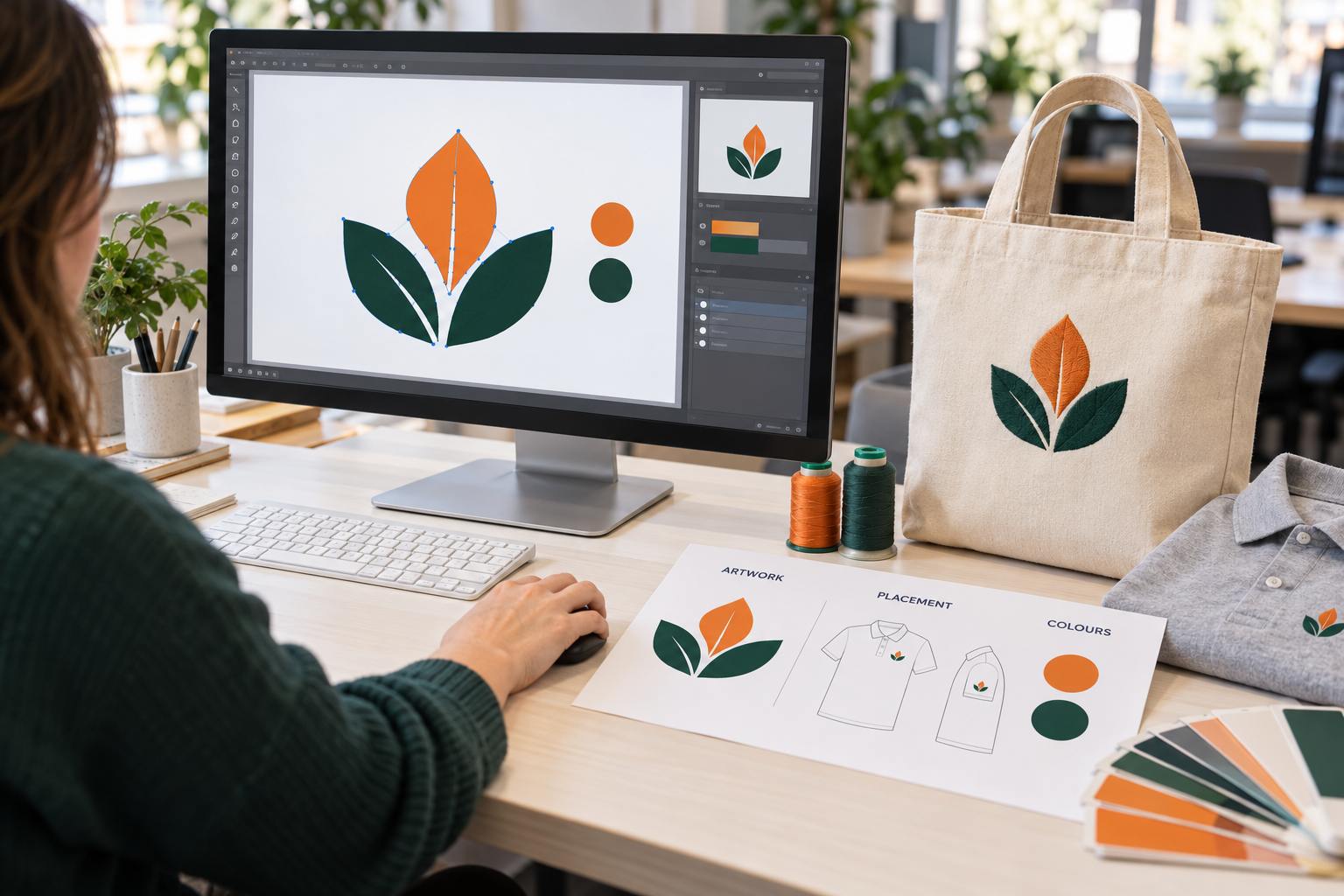
Send vector artwork, state the finished size in inches, name the exact garment and fabric, give the placement, list your machine format, and say which details in the logo must survive. That single email removes the majority of avoidable rounds, because the digitizer stops guessing at the things that drive their decisions.
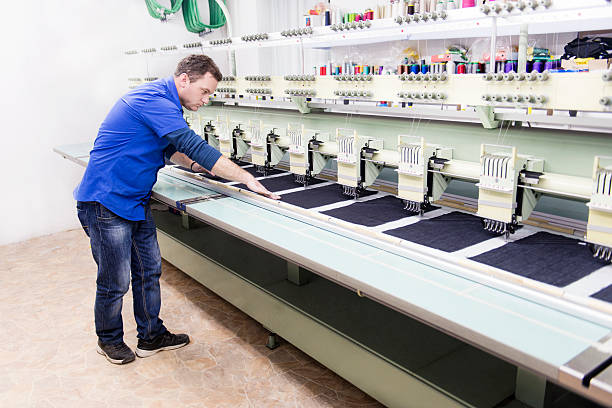
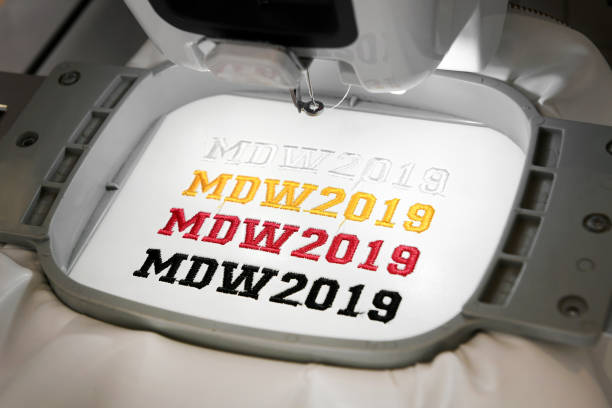
Then approve from a physical sew-out rather than a screen preview, since a simulation can’t show puckering or how a wide satin behaves. Providers offering clean stitch file digitizing support will sew one before delivery and tell you what they’d change.
The honest summary is that one or two included rounds is normal and reasonable, unlimited is a nice-to-have rather than a guarantee of quality, and the provider you want is the one whose files rarely need either. Ask BitsNPixs or any digitizer what’s included, what counts as major, and how fast corrections come back, and get the answer in writing before you order. A team like BitsNPixs that gets it right first time is worth more than a generous policy on getting it wrong.


















































No Comments