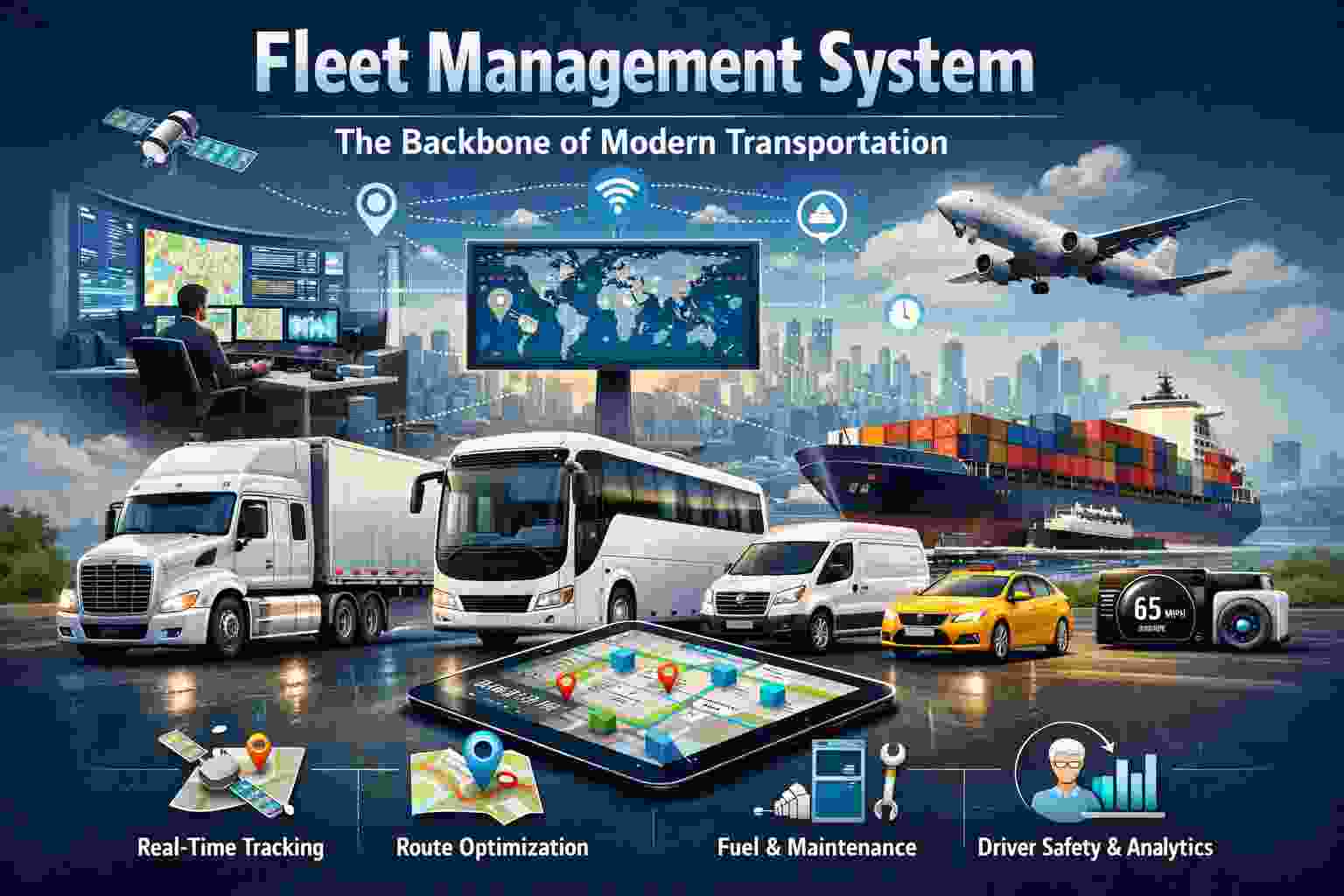


In critical situations, every second matters. Whether it’s a medical emergency, a fire outbreak, or a road accident, the ability to respond quickly can save lives. In Qatar, GPS tracking system have become a vital part of emergency services, helping authorities respond faster, coordinate better, and operate more efficiently.
Organizations such as Hamad Medical Corporation and the Ministry of Interior Qatar rely on advanced technologies to manage emergency response systems. GPS tracking plays a central role in ensuring these services function with precision and speed.
What is GPS Tracking in Emergency Services?
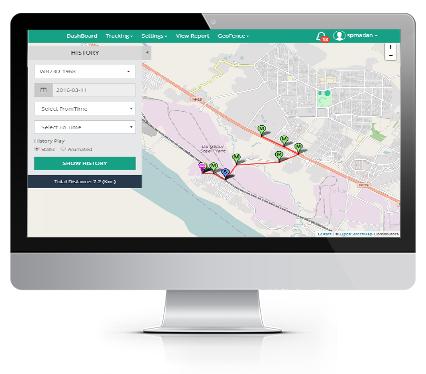
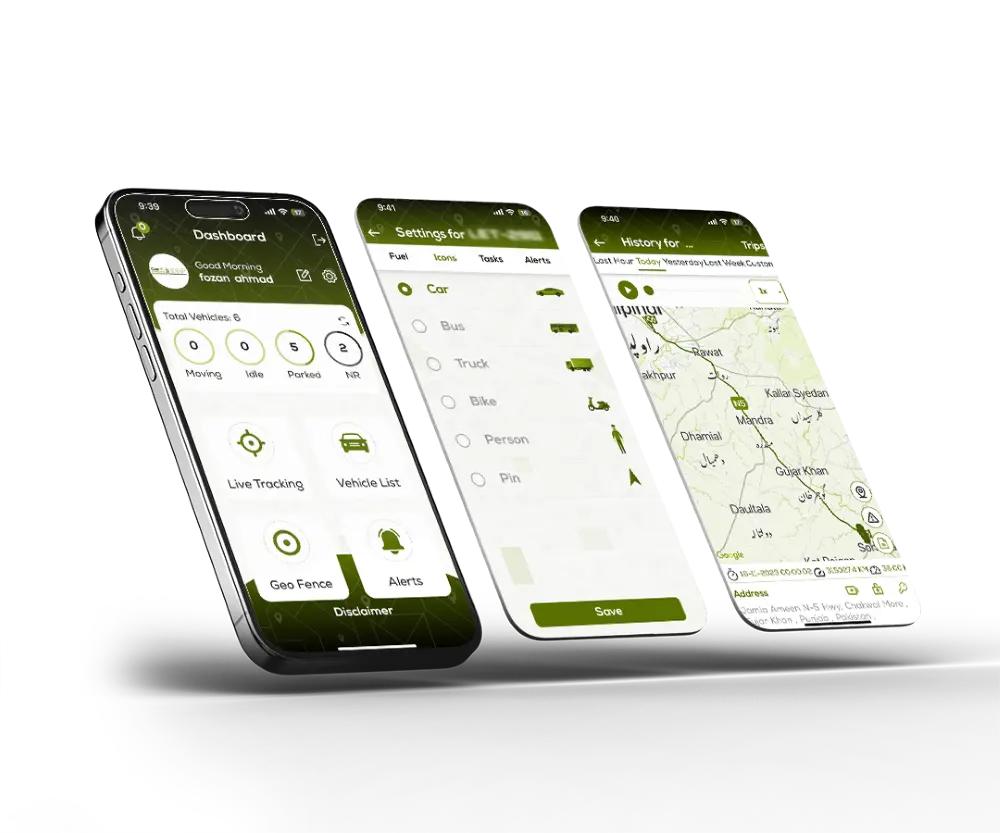
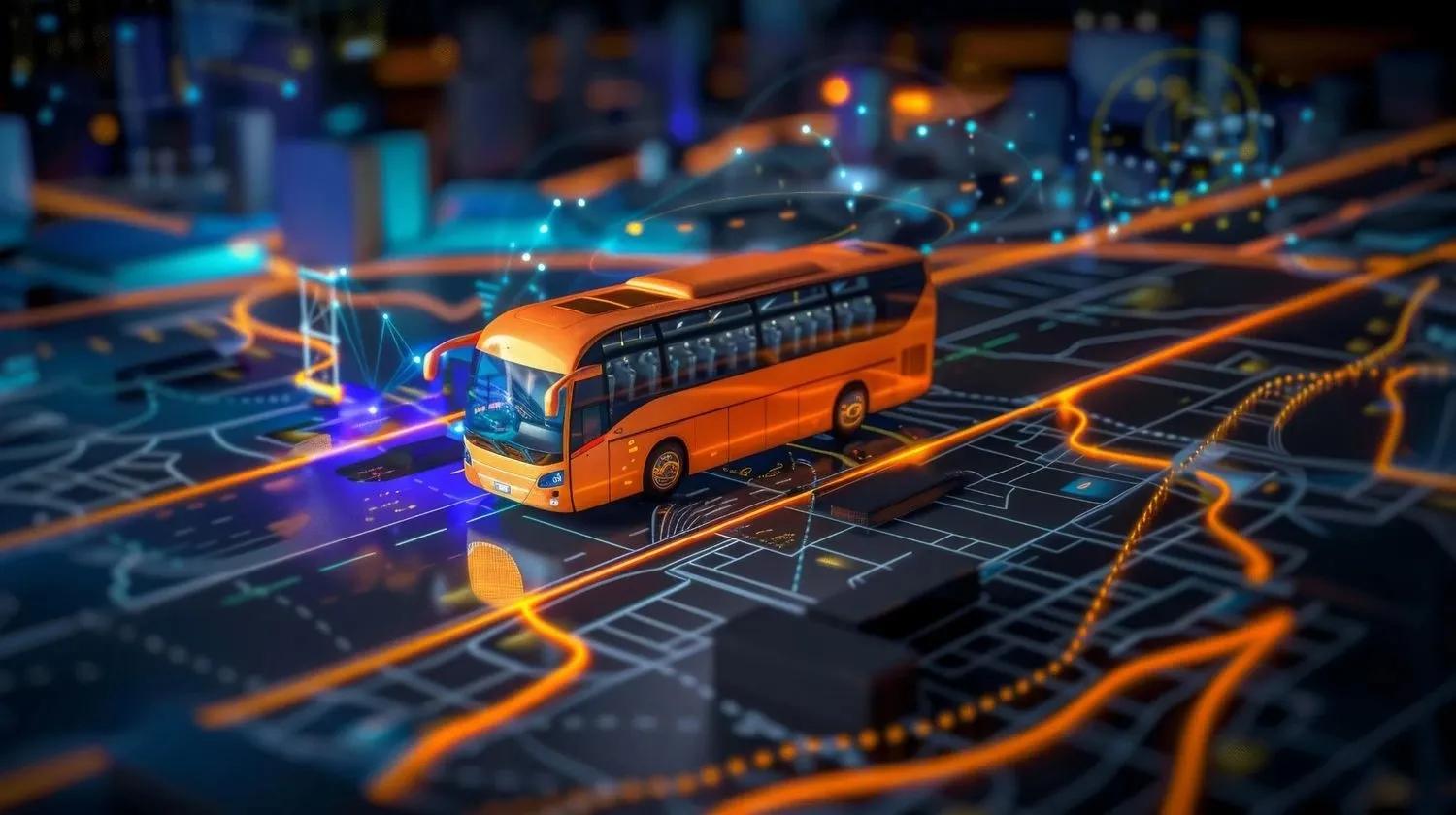
GPS (Global Positioning System) tracking allows real-time monitoring of vehicles and personnel using satellite-based technology. In emergency services, GPS systems are installed in ambulances, police vehicles, fire trucks, and rescue units.
These systems are connected to control centers, where operators can track the exact location of each unit, assign tasks, and monitor progress in real time.
Importance of GPS Tracking in Qatar
Qatar has invested heavily in modern infrastructure and public safety systems. With rapid urban development and increasing population density, the need for efficient emergency response has become more important than ever.
GPS tracking helps:
- Reduce response times
- Improve coordination between agencies
- Enhance situational awareness
- Ensure better resource allocation
In a country where quick and effective emergency response is a priority, GPS tracking is an essential technology.
Key Applications of GPS Tracking
1. Ambulance Services
Ambulances equipped with GPS tracking can reach patients faster by using optimized routes. Control rooms can:
- Locate the nearest available ambulance
- Avoid traffic congestion
- Provide accurate arrival times
For institutions like Hamad Medical Corporation, this technology ensures timely medical assistance, which can be life-saving in critical situations.
2. Police and Law Enforcement
GPS tracking enables police units to respond quickly to incidents. Control centers can monitor patrol vehicles and dispatch the closest unit to an emergency.
Benefits include:
- Faster response to crimes
- Real-time tracking of suspects (in some cases)
- Improved coordination during large events
The Ministry of Interior Qatar uses such technologies to maintain public safety and law enforcement efficiency.
3. Fire and Rescue Services
Fire emergencies require immediate action. GPS tracking helps fire departments:
- Identify the fastest route to the incident
- Track multiple fire units simultaneously
- Coordinate rescue operations effectively
This ensures that fire and rescue teams arrive quickly and work together efficiently.
4. Disaster Management
In large-scale emergencies such as natural disasters or industrial accidents, GPS tracking provides a clear overview of all response units.
Authorities can:
- Monitor resource deployment
- Track rescue teams in real time
- Coordinate efforts across multiple locations
This level of visibility is crucial for managing complex emergency situations.
Benefits of GPS Tracking for Emergency Services
Faster Response Times
GPS tracking significantly reduces the time it takes for emergency services to reach the scene. By identifying the nearest available unit and providing the best route, response times are minimized.
Improved Coordination
Control centers can monitor all units simultaneously, ensuring better communication and coordination between teams.
Enhanced Safety for Personnel
Emergency responders often work in dangerous environments. GPS tracking allows authorities to monitor their location and ensure their safety.
Better Resource Management
GPS systems help allocate resources efficiently, ensuring that no unit is overused or underutilized.
Real-Time Decision Making
With access to live data, authorities can make quick and informed decisions during emergencies.
Integration with Advanced Technologies
GPS tracking in Qatar is increasingly integrated with other advanced technologies, including:
- Geographic Information Systems (GIS): For mapping and spatial analysis
- Artificial Intelligence (AI): For predictive response and route optimization
- IoT Sensors: For monitoring vehicle and environmental conditions
These integrations enhance the effectiveness of emergency response systems.
Challenges in Implementation
Despite its advantages, GPS tracking in emergency services faces some challenges:
- Signal issues in underground or dense urban areas
- Dependence on reliable internet connectivity
- High implementation and maintenance costs
- Data privacy and security concerns
However, continuous technological advancements are helping overcome these challenges.
Future of GPS in Emergency Services
The future of GPS tracking in Qatar’s emergency services is highly promising. With ongoing investments in smart city initiatives, the role of GPS will continue to expand.
Future developments may include:
- AI-powered emergency response systems
- Autonomous emergency vehicles
- Real-time traffic integration for faster routing
- Drone-based emergency support with GPS tracking
These innovations will further enhance the speed and efficiency of emergency services.
Role in Smart City Vision
Qatar’s vision for smart cities includes advanced public safety systems. GPS tracking will be a key component of this vision, enabling:
- Connected emergency networks
- Real-time data sharing between agencies
- Intelligent traffic management during emergencies
This will create a safer and more responsive urban environment.
Conclusion
GPS tracking has become an indispensable tool for emergency services in Qatar. By enabling real-time tracking, faster response times, and better coordination, it plays a crucial role in saving lives and protecting communities.
Organizations like Hamad Medical Corporation and the Ministry of Interior Qatar demonstrate how technology can transform public safety systems.
As Qatar continues to invest in advanced infrastructure and smart technologies, GPS tracking will remain at the forefront of emergency response innovation. Its impact will only grow stronger, ensuring that help reaches those in need—quickly, efficiently, and reliably.




























No Comments