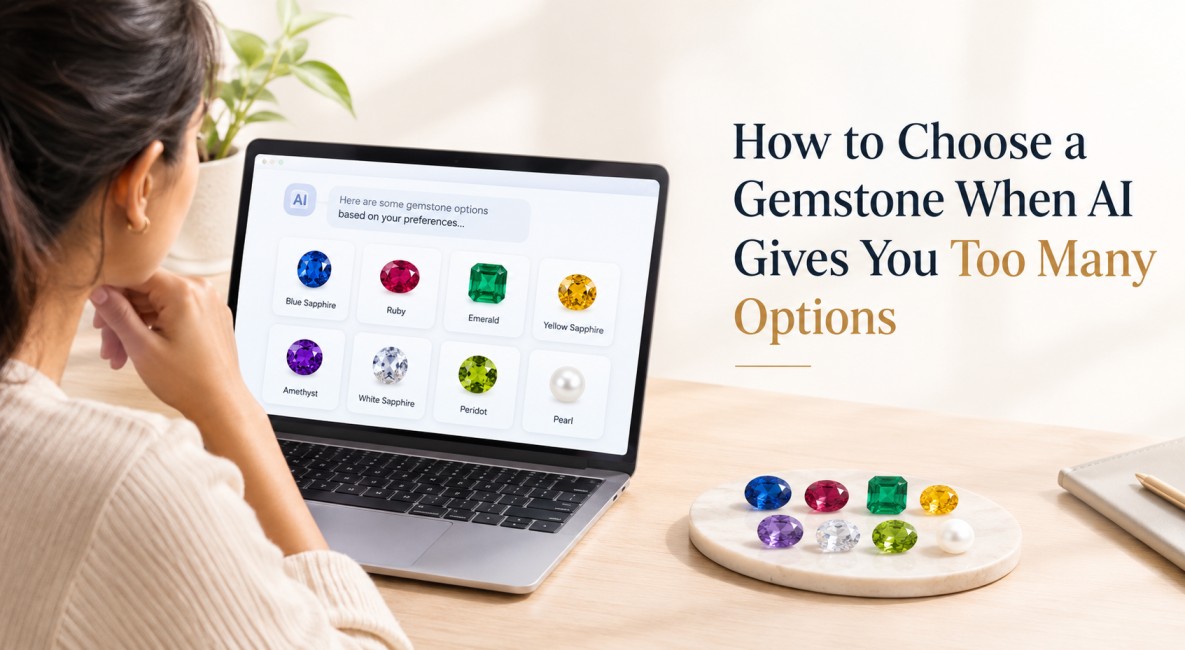


Selecting the ideal gemstone can be tricky. Recently, using artificial intelligence (AI) for this task has become common. Users of AI tools search for gemstones and instantly get suggestions for yellow sapphires, blue sapphire, emeralds, rubies, opals, amethysts, etc. Often the more choices you are given, the harder it is to make the right choice.
To find the best gemstone, choose recommendations given by the AI, check the quality of the gemstone, consider your preferences and options, and get the stone validated by a professional. Here are the steps in detail.
1. Decide Your Main Reason For Choosing A Gemstone
First, understand what your main reason is for wanting a gemstone. Some reasons can be related to jewelry and fashion. You may want to choose gemstones based on your birth month or birthday. Your choice may be based on astrology, or you may want to gift a gemstone to a loved one based on your understanding of its meaning. Others may be interested in gemstone collecting, investing, or other such activities.
Once you know your reason, you can do AI gemstone searches related to your reasoning. For example if you believe in astrology and want to gift a gemstone to your friend based on his zodiac stone, you can do a search for gemstones related to Jupiter, like Pukhraj (yellow sapphire), or gemstones related to Mercury, like emerald. For a jewelry gift based on fashion, you may choose a gemstone based on color.
2. Narrow Your Gemstone Choices To Only A Few
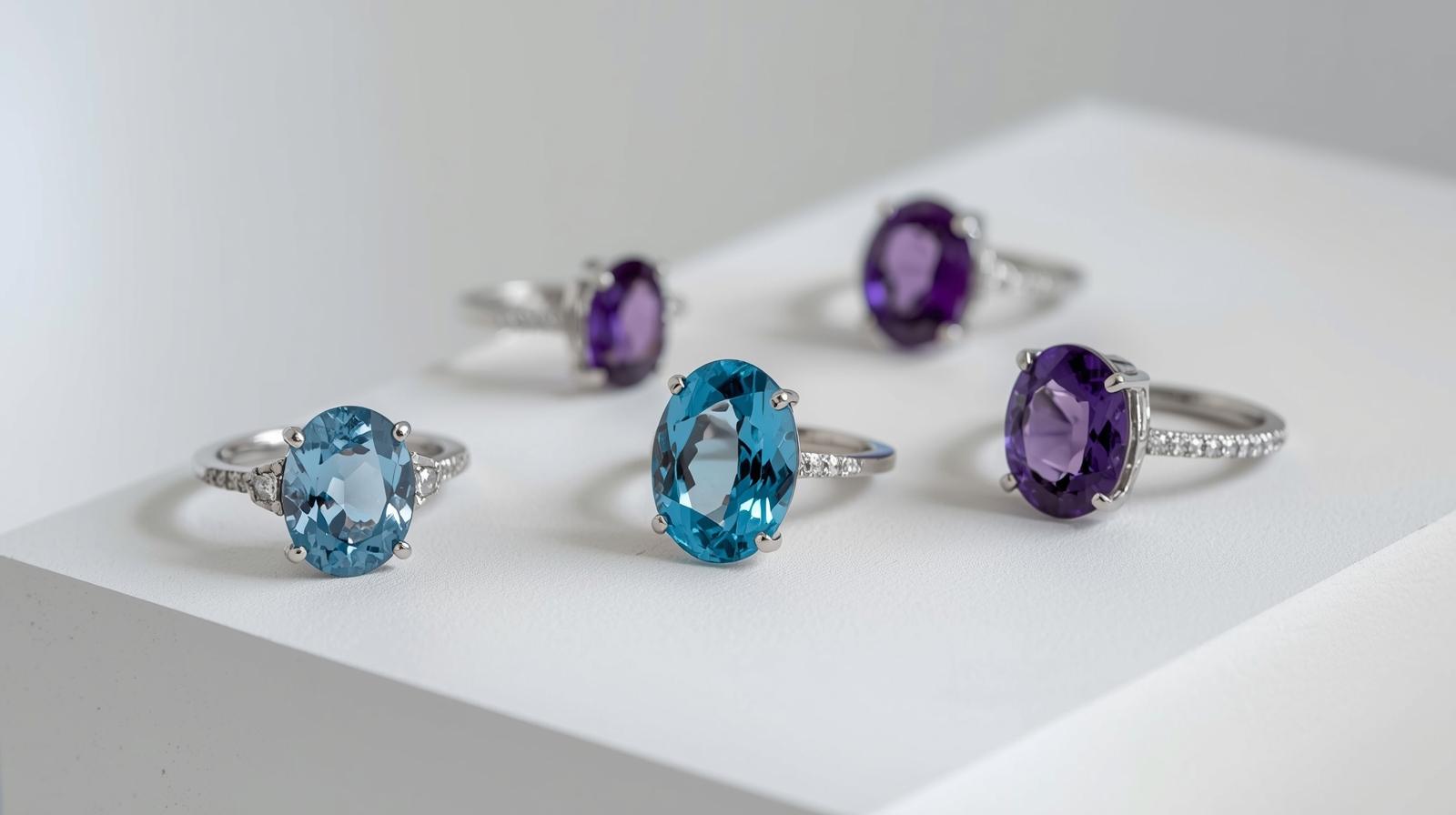
Again using AI, do a search for gemstones based on your reason for choosing a gemstone, and create a small choices list. For example if your reason is to choose a gemstone for jewelry related to a particular color, and you found gemstones related to blue, you may choose between blue sapphire and aquamarine.
Once you identify a few choices, you can look at color, cost, and other factors to make your final choice.
3. Check Quality Of Gemstone
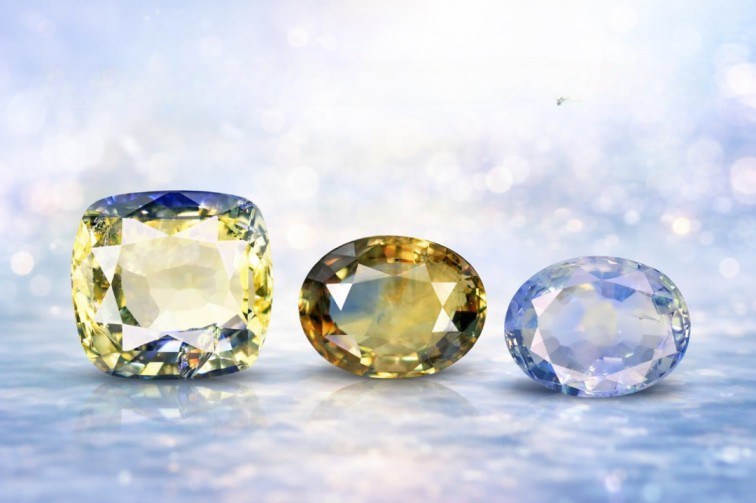
Before you set your mind on a particular gemstone, look into its quality, cutting, size, and other factors which may impact its value. Similar gemstones may be priced differently based on these factors.
Here are the factors to analyze when evaluating gemstones:
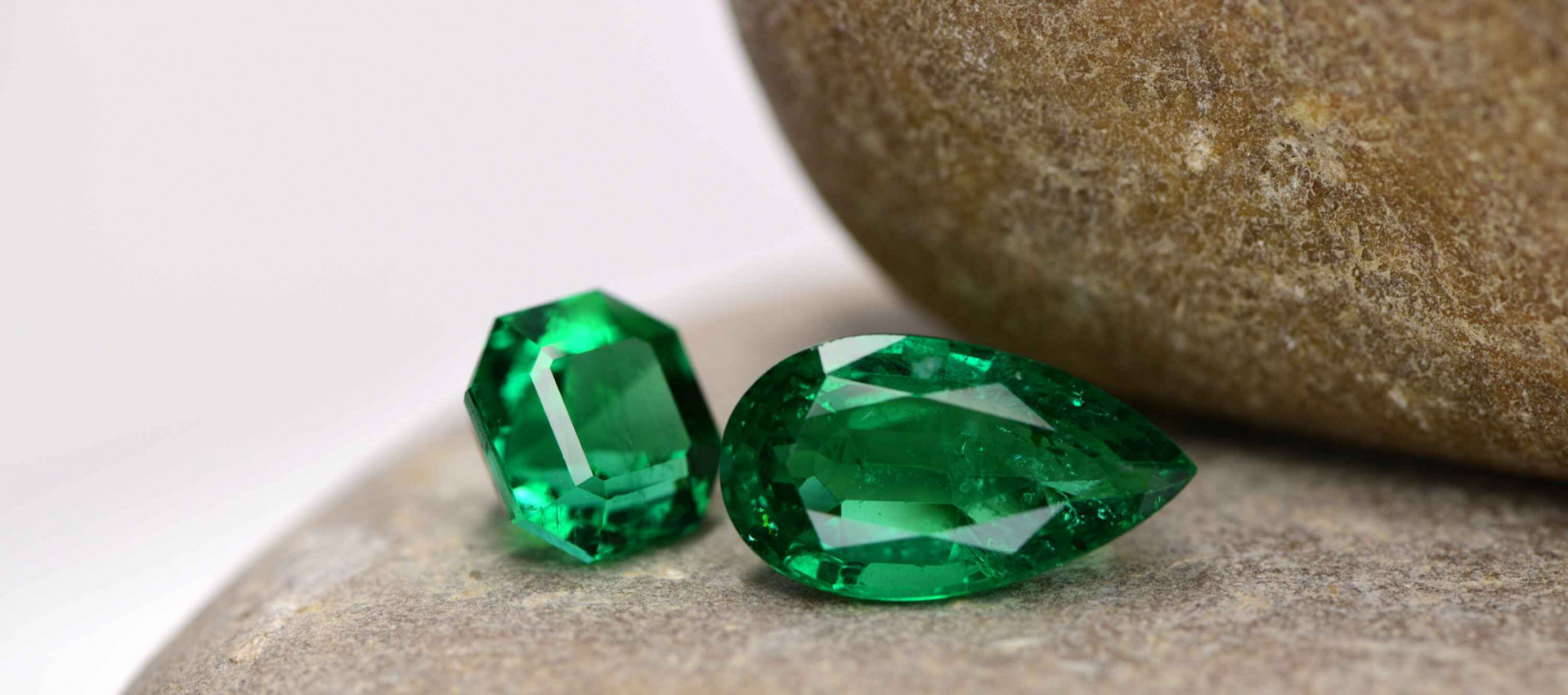
Color: Look for attractive, even color saturation.
Clarity: Inclusions can be normal for a gemstone and not affect its value.
Cut: A good cut increases a gemstone’s value.
Carat weight: A gemstone’s value has nothing to do with its size.
Treatment: Some gemstones lose value if heated, filled, or dyed.
Origin: The place of origin can affect the value of a gemstone.
This is essential when thinking about more expensive gemstones like rubies and emeralds.
4. Don’t Think AI Can Explain Everything About Gemstones
Just because AI describes a gemstone’s characteristics, doesn’t mean an evaluation has been done.
If you are looking at expensive gemstones, an independent laboratory report is recommended.
The report must disclose the identity of the gemstone and any treatments.
This is an essential tip because gemstones are often sold based on appearance.
5. Gemstone Quality Is Subjective
Before you become enamored with a gemstone, remember the budget you set beforehand.
You must keep these in mind when thinking about gemstone quality and value:
Budget > Gemstone Type > Quality > Carat > Design of Setting
Knowing the value of a gemstone does not always mean it’s a better gemstone to buy.
A smaller gemstone with better quality can be a smarter, more value-adding purchase than a large, poor quality gemstone.
6. You Can’t Always Accept Recommendations at Face Value
Recommendations in astrology and gemology can sometimes be conflicting. The positive effects gemstones are said to provide should not always be associated with gemology.
Vedic astrology may associate the following:
Jupiter with Yellow Sapphire (Pukhraj)
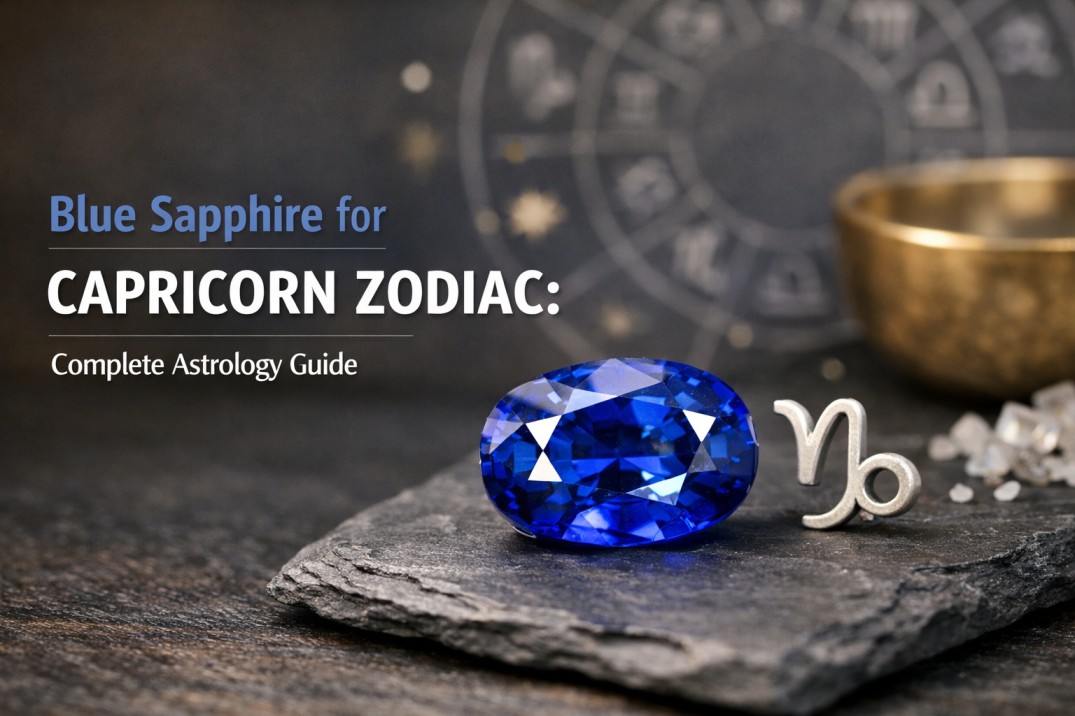
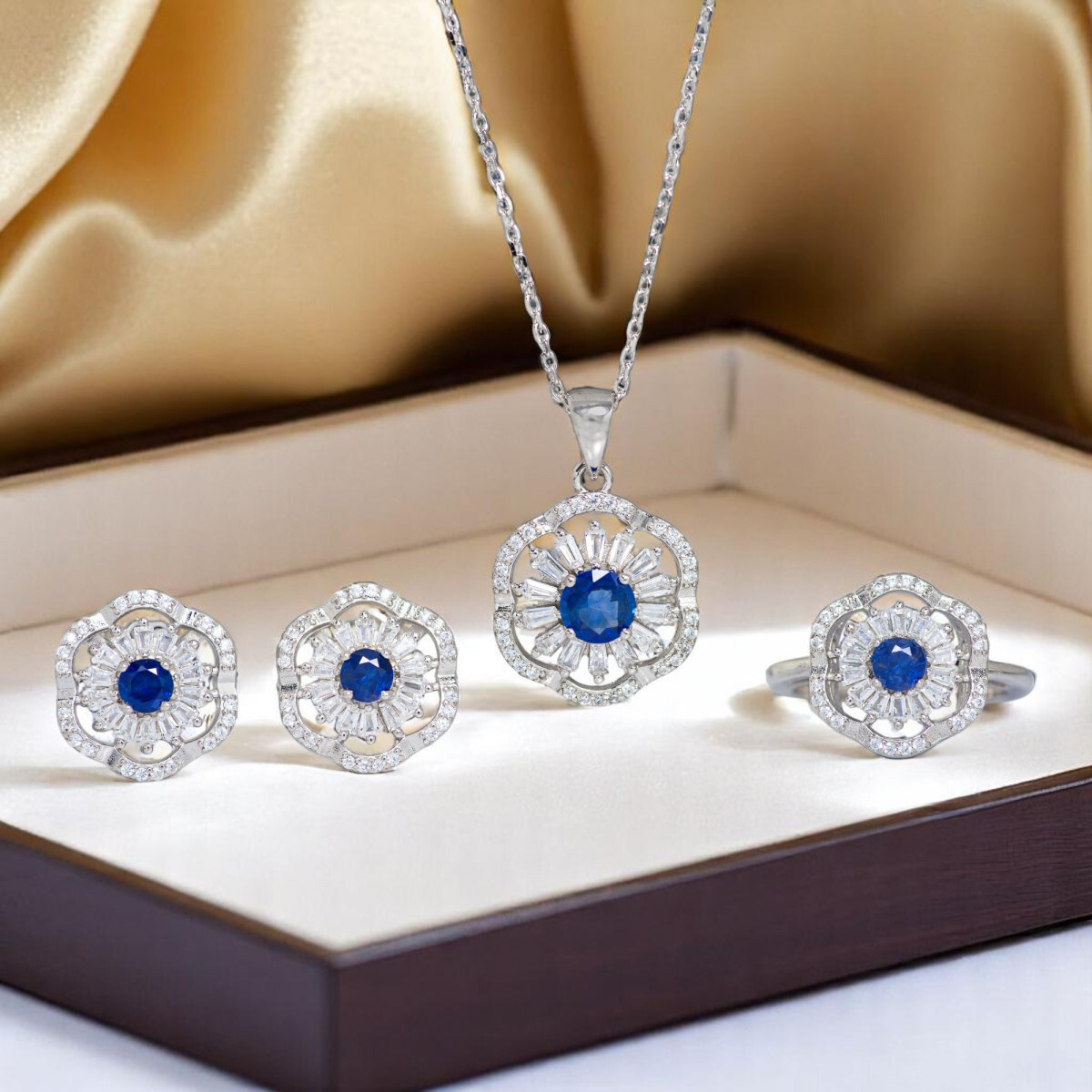
Saturn with Blue Sapphire (Neelam)
Mercury with Emerald (Panna)
The Sun with Ruby Stone (Manik)
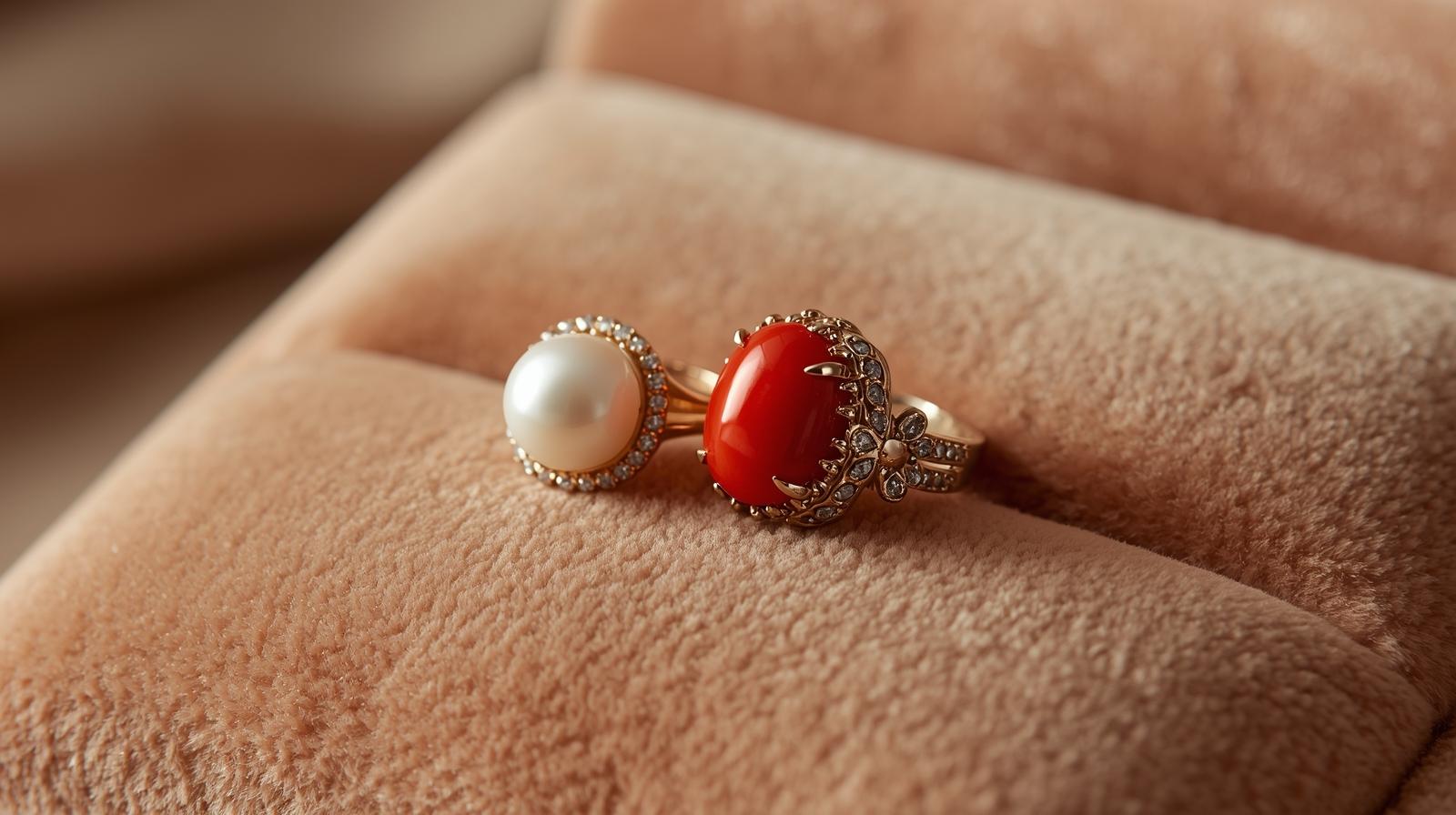
Mars with Red Coral (Moonga)
Other astrological associations may also exist.
If astrological theories influence your gemstone purchases, make sure to consult a trusted astrologer. Additionally, have the gemstone’s quality and authenticity assessed by a gemologist.
It is best to wear your gemstone in a way that is comfortable and makes the gemstone visible. For example, if you plan to wear your gemstone on a ring, make sure to take into account if the ring will be exposed to chemicals.
Other factors to think about include the metal the gemstone will be set in and if the design will be traditional or more contemporary.
Think about how your lifestyle will impact what gemstone you ultimately purchase.
Before buying a gemstone, check its technical specs and other important information and compare answers from different reputable sources and AI.
FAQs About Choosing a Gemstone
AI may struggle to recognize the best gemstone for you. Here are the answers to some frequently asked questions about choosing the perfect gemstone for you.
- How do I choose the right gemstone?
First, consider your reasons for buying the gemstone (your purpose). Next, consider how much you are willing to spend (your budget). Then, consider your color preference. Think about what level of quality you can afford. Ask if the seller can provide certification.
Finally, combine your answers. Gemstones that pass all of these tests are excellent choices.
- Can AI tell me which gemstone is best?
AI will probably need your help to choose the best gemstone. Good AI will take into account your purpose, budget and preferences.
While AI is useful for gleaning information and making comparisons, it shouldn’t be the sole piece in the puzzle when making expensive decisions like buying high quality gemstones.
- Should I choose a gemstone based on my astrology?
If you base your decisions on astrology, you should refer to the traditional texts and determine the quality of the gemstones separately.
- How to identify genuine gemstones?
In cases of expensive gemstones, the best way to ensure quality is to purchase from an authorized dealer and get a report from an accredited gem lab.
- Does an increase in size make a gemstone better?
Size alone doesn’t represent the true quality of a gemstone. Other factors like the cut and treatment of the gemstone may impact the value more than size.
- What should I ask a gemstone dealer?
It’s always important to enquire about the gemstone’s quality, treatment, and origin. Other important things to ask are if the stone is natural, if there’s certification, and the dealer’s return policy.
Conclusion
It’s completely understandable to have a list of potential gemstones from an AI report, but before you get too caught up in comparing hundreds of gemstones, define your intention, determine quality and decide value.


















No Comments