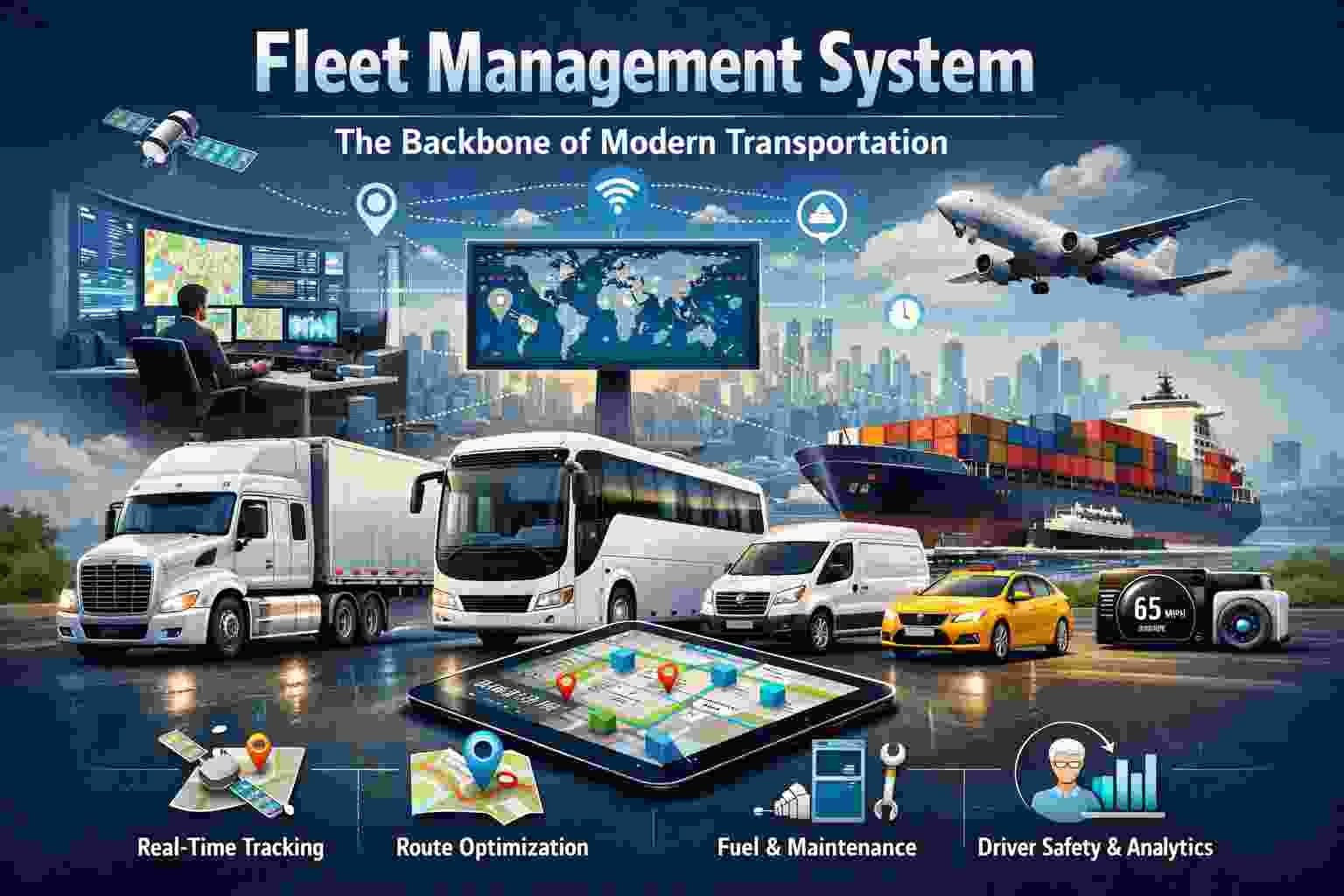


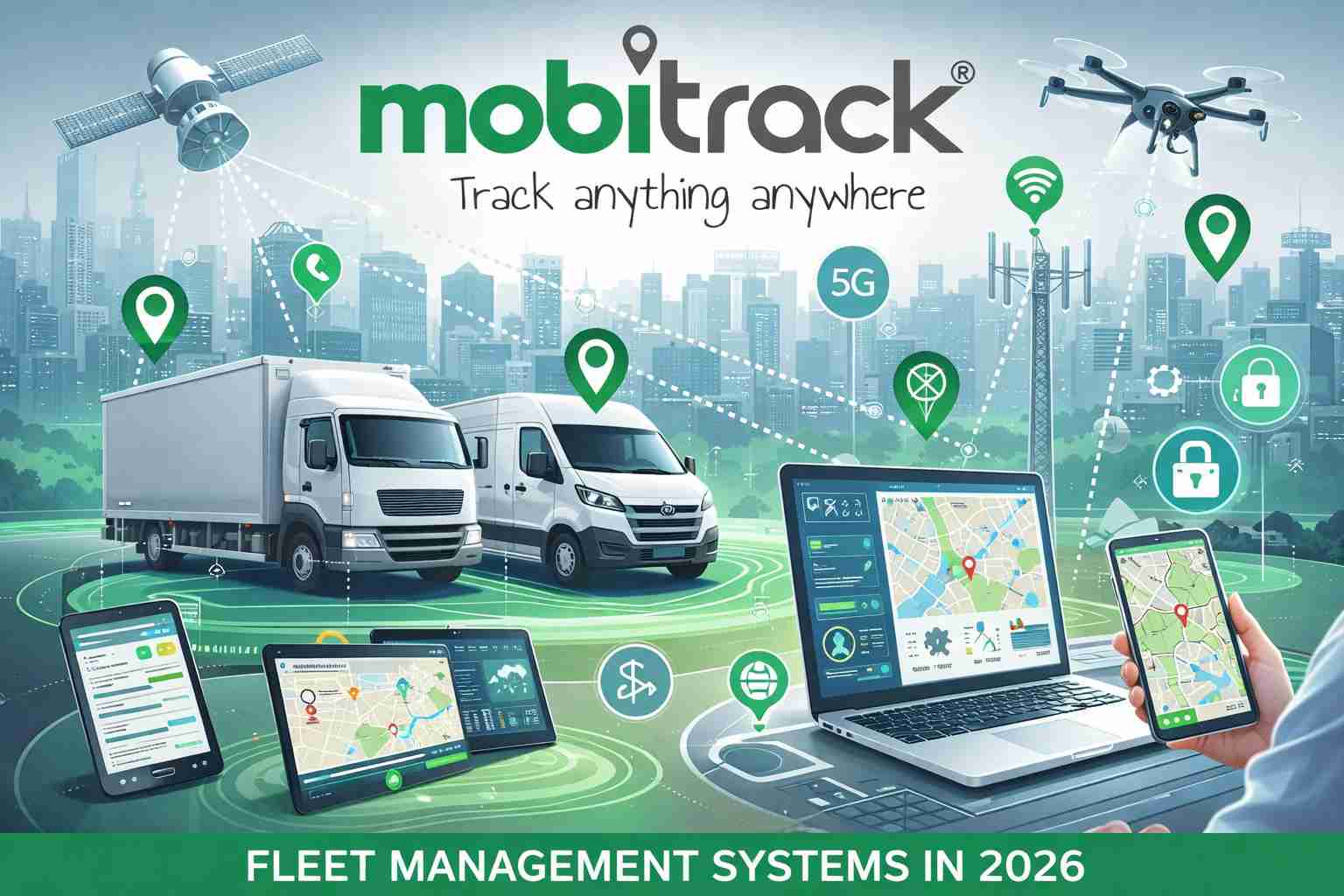
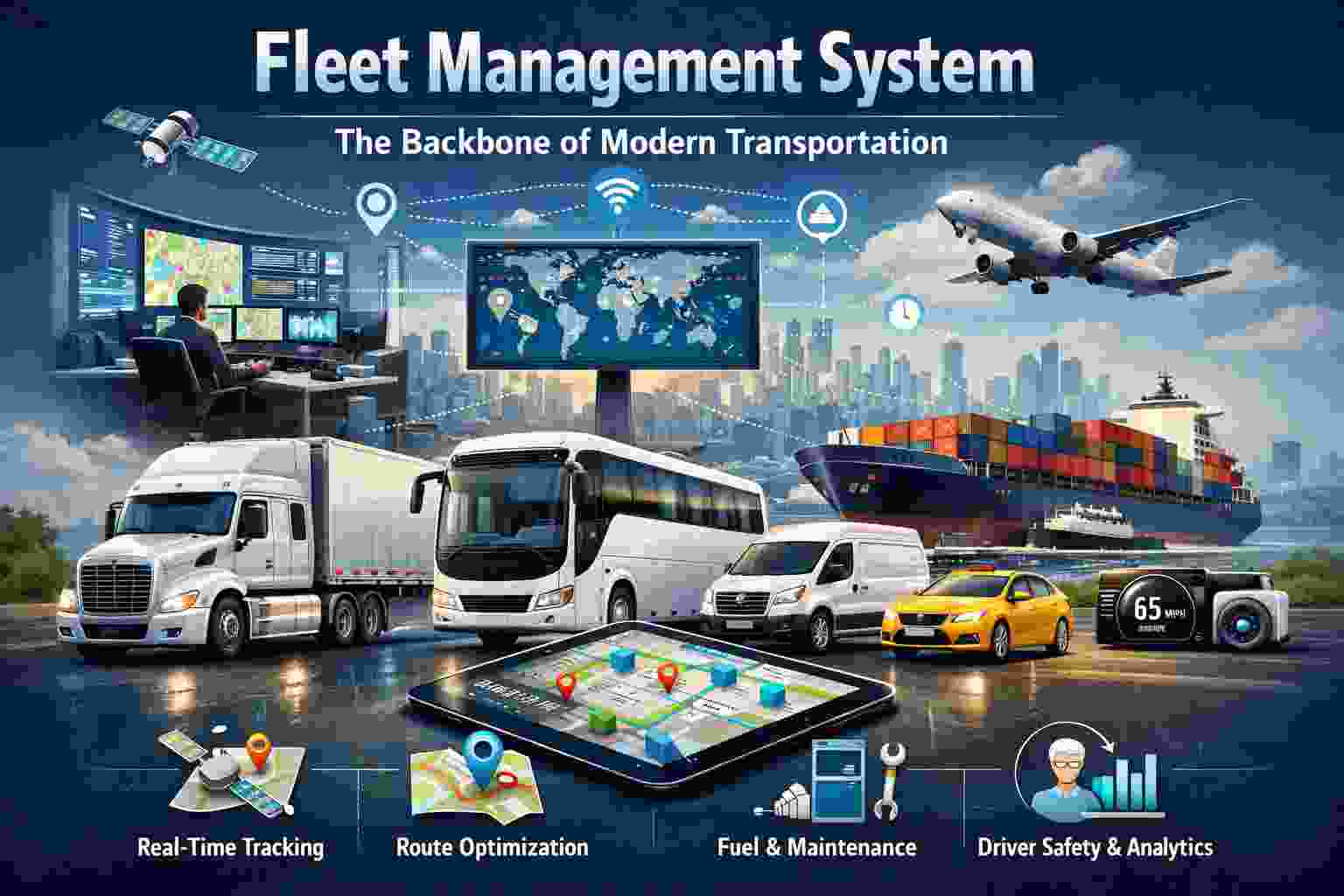
In 2026, fleet management has undergone a major transformation, driven by advancements in GPS technology and digital connectivity. Businesses that rely on transportation—whether logistics companies, delivery services, construction firms, or public transport operators—are increasingly adopting GPS-based fleet management systems to improve efficiency, reduce costs, and enhance overall operations. GPS is no longer just a tracking tool; it has become the backbone of intelligent fleet management.
Real-Time Fleet Visibility
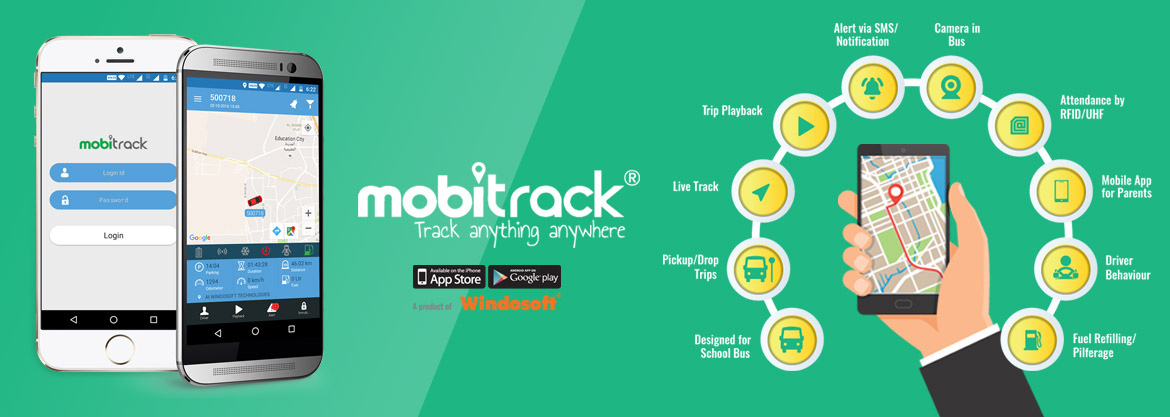
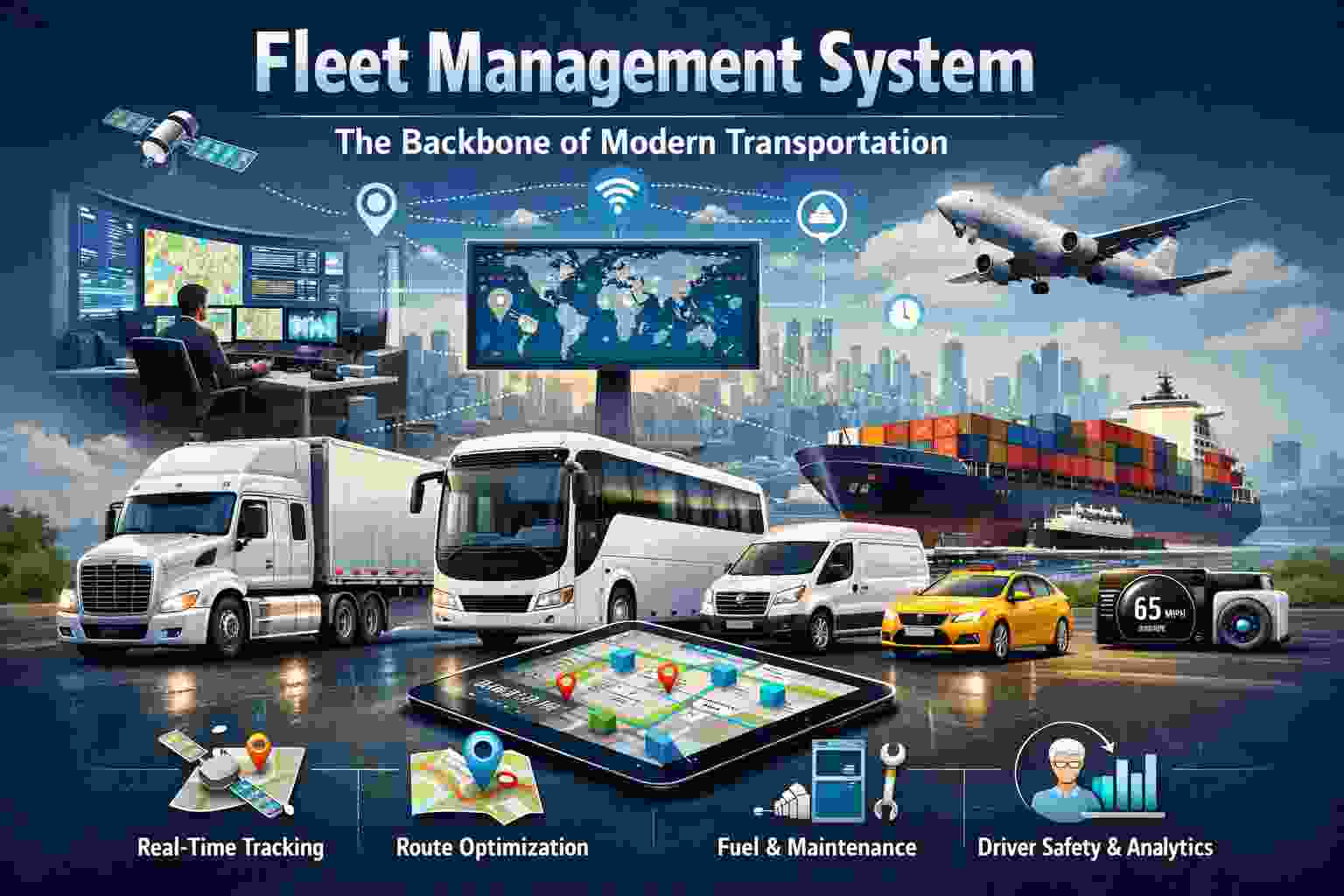
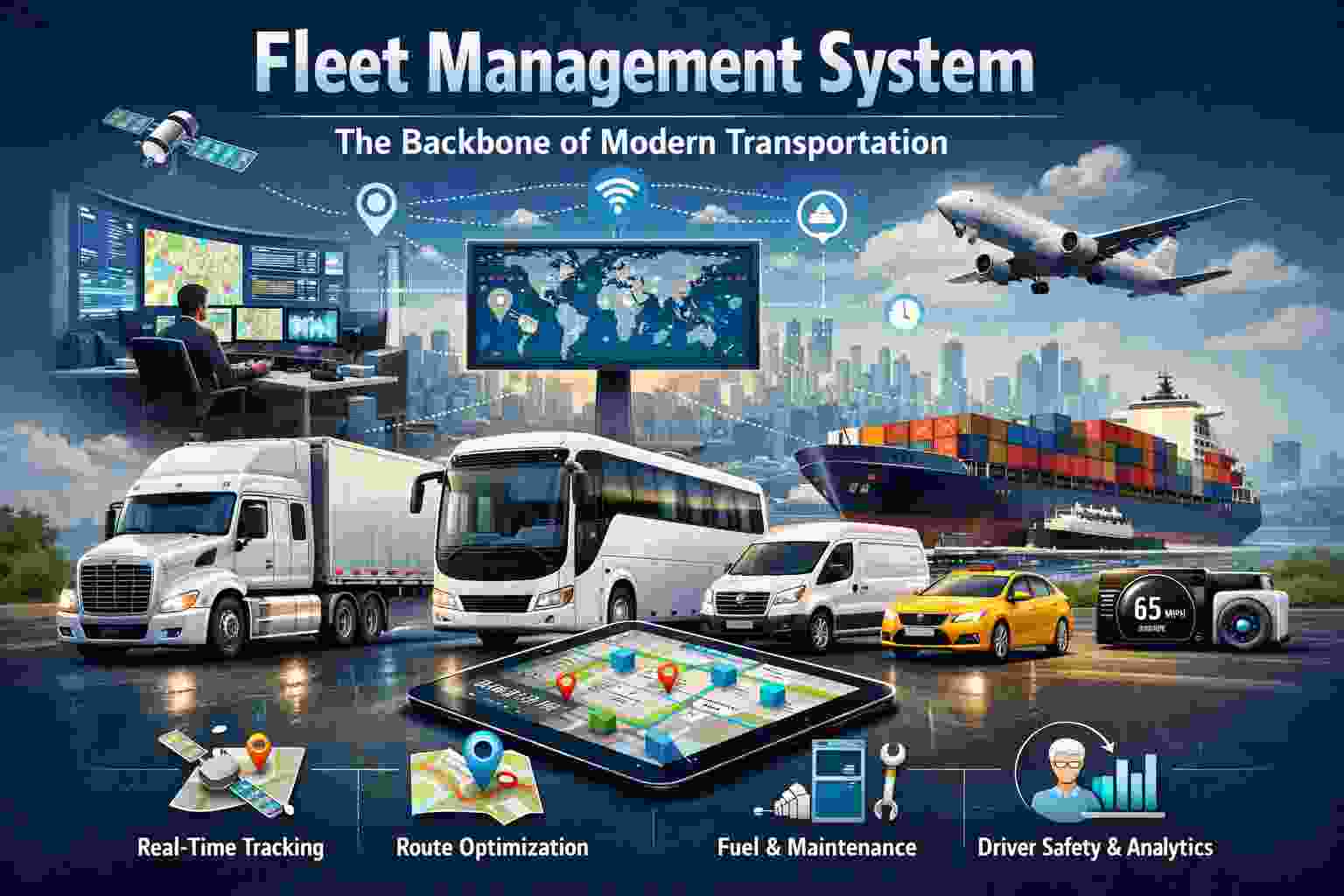
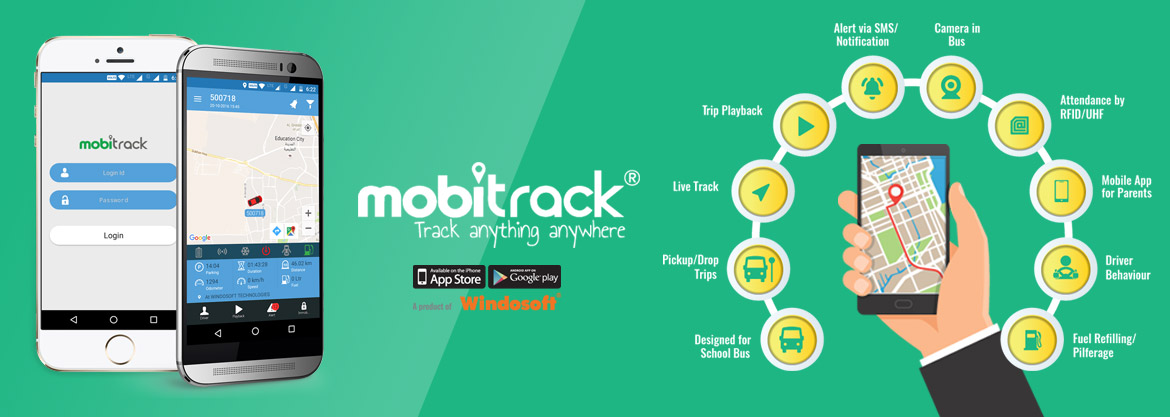
One of the most important roles of GPS in fleet management is providing real-time visibility of all vehicles. Fleet managers can monitor the exact location of each vehicle at any given moment through centralized dashboards or mobile apps. This visibility helps in making quick decisions, such as rerouting vehicles to avoid traffic or assigning the nearest vehicle to a new job.
In 2026, GPS systems offer highly accurate and instant updates, allowing businesses to maintain complete control over their fleet operations. This level of transparency ensures that vehicles are used efficiently and reduces the chances of misuse.
Route Optimization and Efficiency
GPS technology plays a critical role in optimizing routes. Advanced systems analyze traffic conditions, road closures, weather updates, and historical data to suggest the best possible routes. This helps drivers avoid delays and reach their destinations faster.
Efficient route planning leads to reduced fuel consumption and lower operational costs. For businesses handling large fleets, even small improvements in route efficiency can result in significant savings over time.
Fuel Management and Cost Reduction
Fuel is one of the biggest expenses in fleet operations. GPS systems help monitor fuel usage by tracking distance traveled, idle time, and driving behavior. Managers can identify inefficient practices such as unnecessary idling or long detours.
By addressing these issues, businesses can significantly reduce fuel costs. Some advanced GPS systems in 2026 also integrate with fuel sensors, providing real-time fuel level data and alerts for potential fuel theft.
Driver Behavior Monitoring
Driver performance has a direct impact on fleet efficiency and safety. GPS tracking systems now include advanced analytics to monitor driver behavior, such as speeding, harsh braking, rapid acceleration, and adherence to routes.
By analyzing this data, fleet managers can identify risky driving habits and provide training to improve performance. Encouraging safe driving not only reduces accidents but also minimizes vehicle wear and tear, leading to lower maintenance costs.
Enhanced Security and Theft Prevention
Security is a major concern for fleet owners, especially when managing multiple vehicles across different locations. GPS tracking enhances security by allowing continuous monitoring of vehicles. If a vehicle is stolen or used without authorization, its location can be tracked in real time.
Features like geofencing enable managers to set virtual boundaries. If a vehicle enters or exits a specific area, the system sends instant alerts. In 2026, some GPS systems also include remote immobilization, allowing managers to disable a vehicle in case of theft.
Maintenance Scheduling and Vehicle Health
GPS-based fleet management systems help businesses maintain their vehicles more effectively. By tracking mileage, engine hours, and usage patterns, the system can provide timely reminders for maintenance and servicing.
Regular maintenance reduces the risk of breakdowns and extends the lifespan of vehicles. In 2026, many GPS systems are integrated with vehicle diagnostics, providing real-time insights into engine health and performance.
Improved Customer Service
Customer expectations have increased significantly, and businesses must ensure timely and reliable service. GPS tracking helps improve customer satisfaction by providing accurate delivery times and real-time updates.
Customers can receive notifications about their shipments, including estimated arrival times. This transparency builds trust and enhances the overall customer experience. For service-based businesses, GPS ensures that technicians or delivery personnel arrive on time.
Data-Driven Decision Making
Modern GPS systems generate a large amount of data related to vehicle usage, routes, fuel consumption, and driver performance. This data can be analyzed to identify trends and make informed decisions.
For example, businesses can determine which routes are most efficient, which vehicles require replacement, or which drivers need additional training. Data-driven insights help optimize operations and improve long-term planning.
Integration with Advanced Technologies
In 2026, GPS systems are integrated with other advanced technologies such as artificial intelligence (AI), Internet of Things (IoT), and cloud computing. These integrations enhance the capabilities of fleet management systems.
AI-powered analytics can predict delays, suggest optimal routes, and even forecast maintenance needs. IoT devices provide real-time data from various sensors, while cloud platforms ensure easy access to information from anywhere.
Compliance and Reporting
Fleet operators must comply with various regulations related to safety, working hours, and emissions. GPS systems help maintain compliance by automatically recording data such as driving hours, routes, and vehicle conditions.
This information can be used to generate reports for regulatory authorities. Automated reporting reduces administrative work and ensures that businesses meet legal requirements without hassle.
Scalability and Flexibility
As businesses grow, their fleet management needs become more complex. GPS systems in 2026 are highly scalable, allowing companies to add more vehicles and features as needed. Whether managing a small fleet or a large network of vehicles, GPS solutions can adapt to different requirements.
Conclusion
The role of GPS in fleet management System in 2026 is more significant than ever. It provides real-time visibility, improves efficiency, enhances security, and supports data-driven decision-making. By integrating GPS technology into their operations, businesses can achieve better control, reduce costs, and deliver superior services.





























No Comments