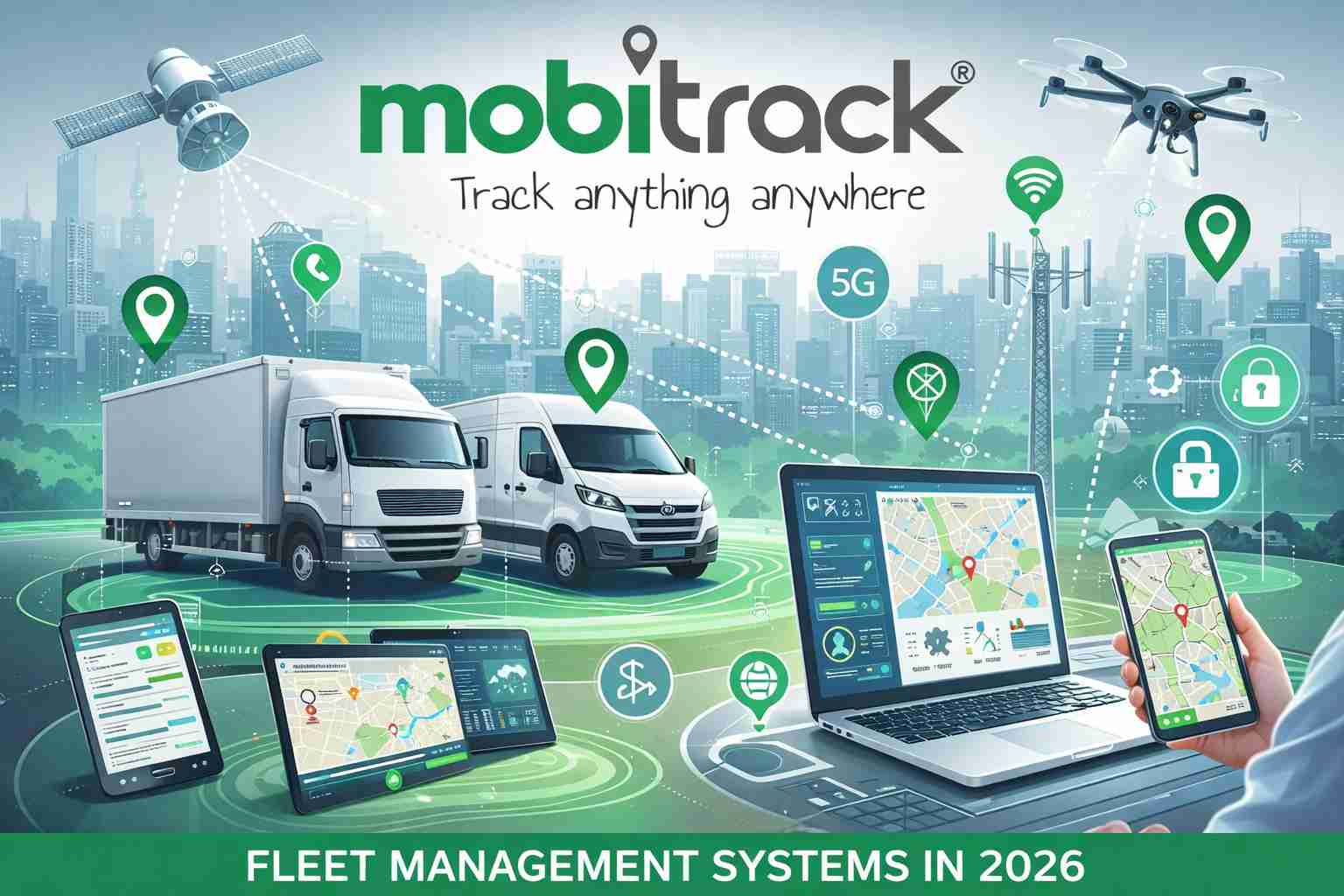


Transportation is one of the most significant operational expenses for businesses that rely on vehicles for deliveries, logistics, or service operations. Companies that operate multiple vehicles often face rising costs related to fuel, maintenance, driver management, and route planning. To address these challenges, many businesses are adopting fleet management systems to monitor and optimize their transportation operations.
A Fleet Management System uses technologies such as GPS tracking, telematics, sensors, and data analytics to manage vehicles, drivers, and logistics operations efficiently. By providing real-time insights into fleet performance, these systems help businesses reduce operational expenses while improving productivity and safety.
In today’s competitive business environment, reducing transportation costs without compromising service quality is essential. Fleet management systems play a crucial role in achieving this goal.
Understanding Fleet Management Systems
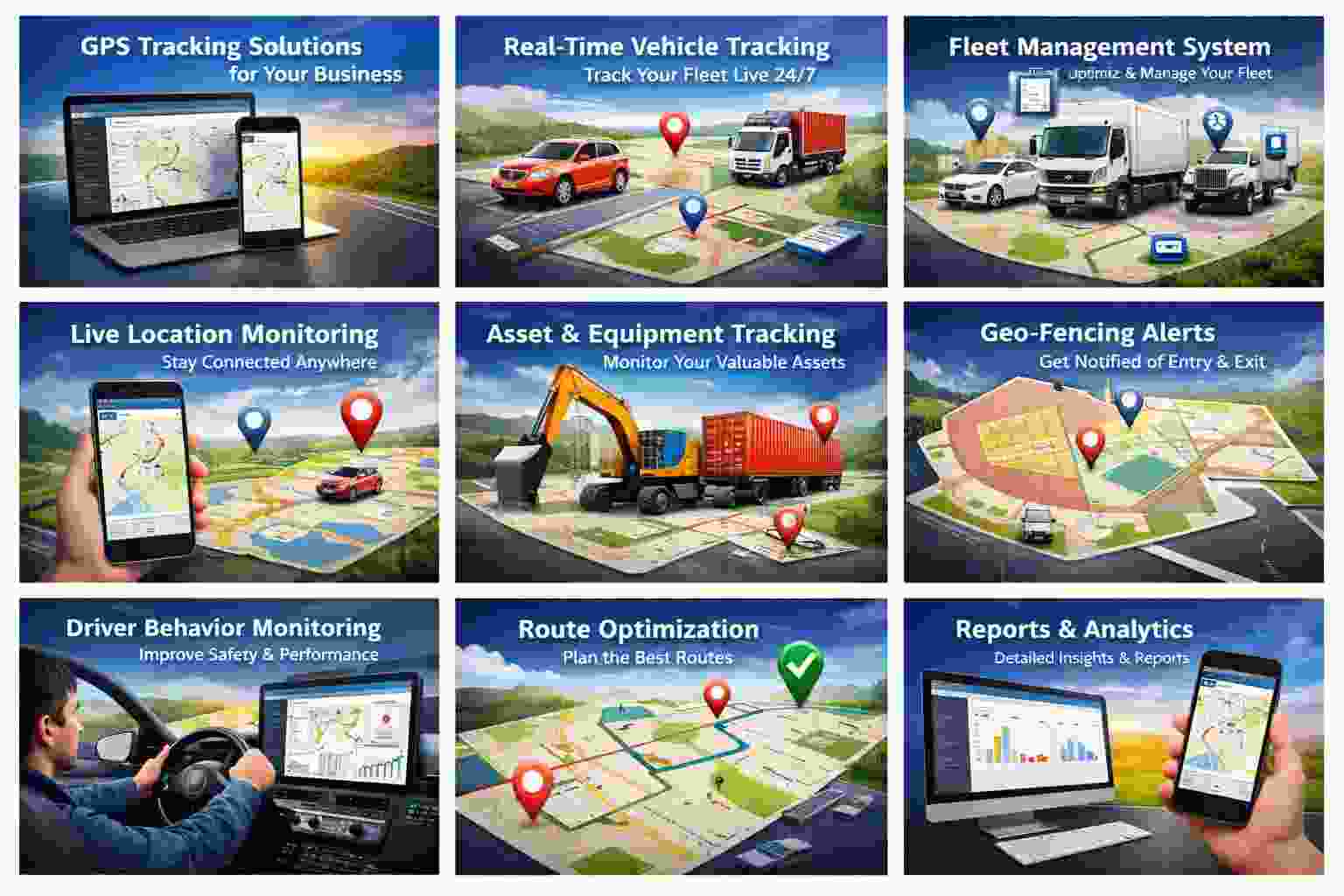
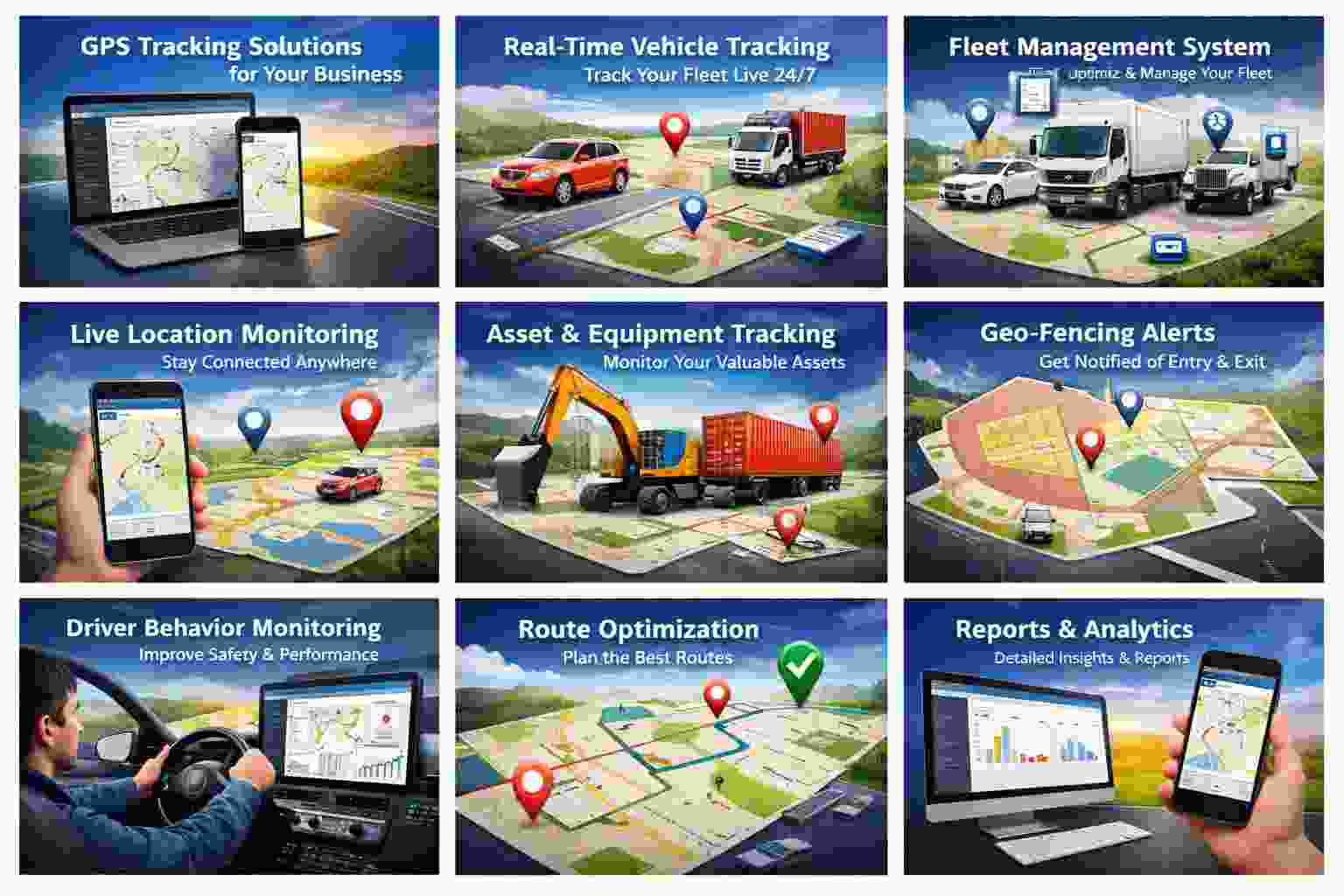
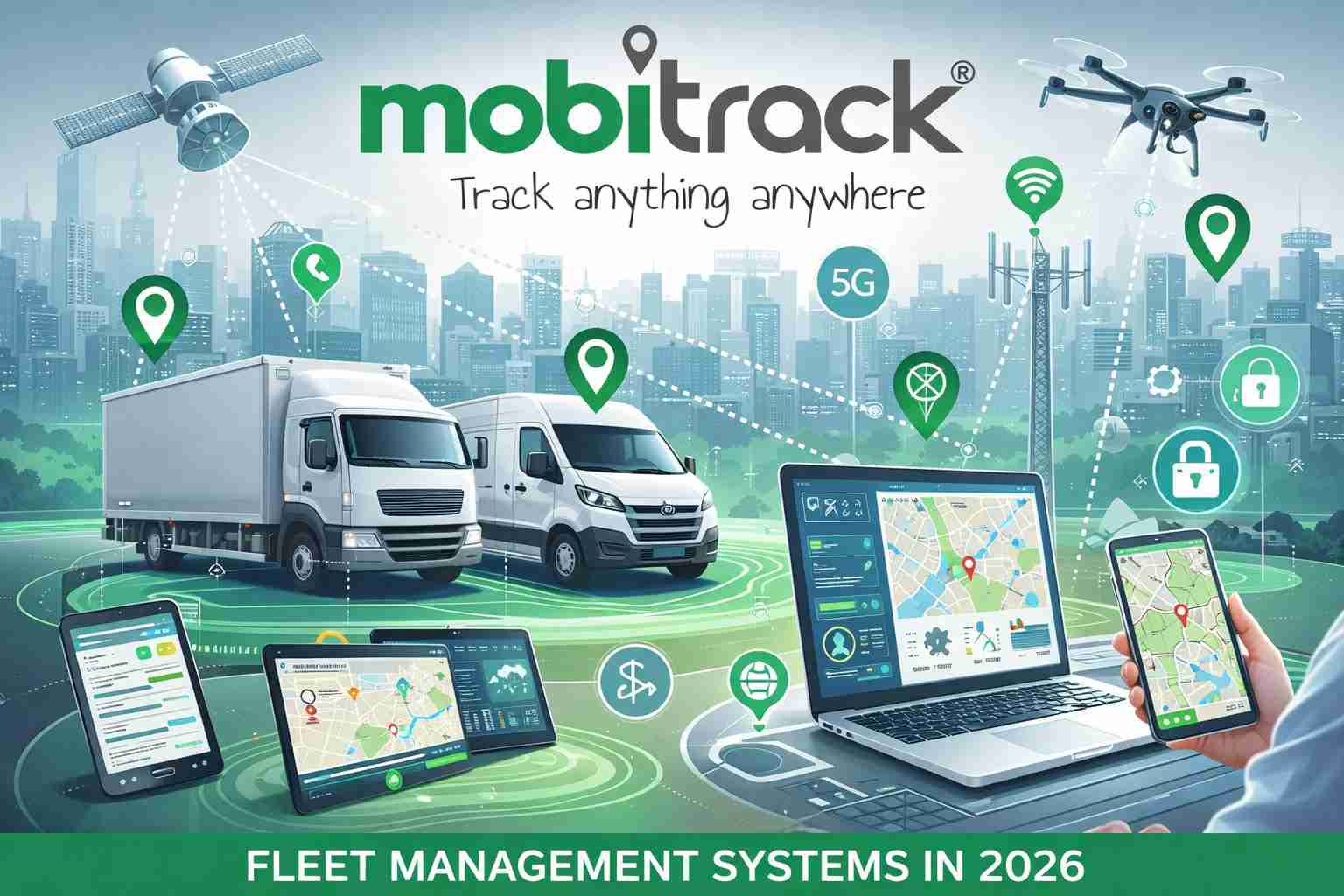
A fleet management system is a digital platform that allows companies to monitor and control their vehicles from a centralized dashboard. These systems collect real-time data from GPS devices and vehicle sensors to provide detailed insights into fleet operations.
Fleet managers can monitor:
-
Vehicle locations
-
Driver behavior
-
Fuel consumption
-
Route efficiency
-
Vehicle maintenance schedules
-
Delivery performance
With this information, businesses can make better decisions that lead to cost savings and improved operational efficiency.
Major Transportation Costs for Businesses
Before understanding how fleet management systems reduce expenses, it is important to identify the major cost factors in transportation operations.
Fuel Expenses
Fuel is usually the largest operating expense for fleet-based businesses. Inefficient routes, idling vehicles, and aggressive driving can significantly increase fuel consumption.
Vehicle Maintenance
Regular maintenance is necessary to keep vehicles operating safely and efficiently. However, unexpected breakdowns can lead to expensive repairs and operational disruptions.
Driver Management
Driver behavior directly affects fuel consumption, vehicle wear, and safety. Poor driving habits such as speeding or harsh braking can increase operational costs.
Route Inefficiencies
Poor route planning can lead to longer travel distances, increased fuel usage, and delayed deliveries.
Fleet management systems help address these challenges by providing accurate data and automation tools.
How Fleet Management Systems Reduce Transportation Costs
1. Optimized Route Planning
One of the most effective ways to reduce transportation costs is through route optimization. Fleet management systems analyze traffic conditions, road networks, and delivery schedules to determine the most efficient routes.
Optimized routing helps businesses:
-
Reduce travel distance
-
Avoid traffic congestion
-
Minimize delivery delays
-
Lower fuel consumption
By selecting the shortest and fastest routes, companies can significantly reduce operational expenses.
2. Fuel Consumption Monitoring
Fuel management is a key feature of modern fleet management systems. GPS tracking and telematics technology allow businesses to monitor fuel usage for each vehicle.
Fleet managers can identify:
-
Excessive fuel consumption
-
Unnecessary engine idling
-
Inefficient routes
-
Unauthorized vehicle usage
By addressing these issues, companies can reduce fuel waste and control fuel expenses effectively.
3. Improved Driver Behavior
Driver behavior plays a major role in transportation costs. Aggressive driving habits such as speeding, rapid acceleration, and harsh braking increase fuel consumption and cause additional wear on vehicles.
Fleet management systems monitor driver performance and generate detailed reports on driving behavior. Managers can use this data to train drivers and encourage safe driving practices.
Improved driver behavior leads to:
-
Lower fuel consumption
-
Reduced vehicle maintenance costs
-
Fewer accidents
-
Longer vehicle lifespan
4. Preventive Vehicle Maintenance
Unexpected vehicle breakdowns can cause delays and expensive repairs. Fleet management systems help prevent these issues through predictive maintenance.
The system tracks vehicle performance data and alerts managers when maintenance is required. This ensures that vehicles receive timely servicing before major problems occur.
Preventive maintenance helps businesses:
-
Avoid costly breakdowns
-
Extend vehicle lifespan
-
Reduce repair expenses
-
Improve fleet reliability
5. Reduced Unauthorized Vehicle Usage
Without proper monitoring, vehicles may sometimes be used for unauthorized purposes. This can lead to unnecessary fuel consumption, increased maintenance costs, and reduced productivity.
Fleet management systems provide real-time vehicle tracking and route history. This transparency discourages unauthorized vehicle use and ensures that vehicles are used only for business purposes.
6. Increased Operational Efficiency
Fleet management systems streamline many manual processes by automating tasks such as reporting, route planning, and vehicle monitoring.
Automation reduces administrative workload and allows managers to focus on strategic decision-making.
With improved efficiency, businesses can handle more deliveries and operations without increasing fleet size or operational costs.
Additional Benefits of Fleet Management Systems
Better Customer Service
Real-time tracking allows businesses to provide accurate delivery updates to customers. This improves transparency and customer satisfaction.
Data-Driven Decision Making
Fleet management systems generate valuable data about vehicle performance, driver efficiency, and operational trends. Businesses can use this data to optimize logistics strategies.
Improved Safety
By monitoring driver behavior and vehicle conditions, fleet management systems help reduce accidents and improve overall safety standards.
Environmental Benefits
Optimized routes and improved fuel efficiency reduce carbon emissions, helping businesses support environmental sustainability initiatives.
Industries That Benefit from Fleet Management Systems
Fleet management solutions are widely used across many industries, including:
-
Logistics and transportation companies
-
Delivery and courier services
-
Construction and heavy equipment operators
-
Public transportation providers
-
Utility and service companies
These industries rely heavily on efficient transportation operations to maintain profitability and service quality.
The Future of Fleet Management Technology
Fleet management systems continue to evolve with the integration of advanced technologies such as:
-
Artificial Intelligence (AI)
-
Internet of Things (IoT) sensors
-
Advanced telematics systems
-
Predictive analytics
These innovations will provide even deeper insights into fleet performance and enable businesses to further reduce transportation costs.
Conclusion
Transportation costs can significantly impact the profitability of businesses that rely on vehicles for daily operations. Fleet management systems offer a powerful solution by providing real-time monitoring, route optimization, fuel management, and driver performance analysis.
By implementing a modern fleet management system, businesses can reduce fuel expenses, improve vehicle maintenance, enhance driver safety, and increase overall operational efficiency.
As technology continues to advance, fleet management systems will play an even greater role in helping companies control transportation costs while delivering reliable and efficient services.








































No Comments