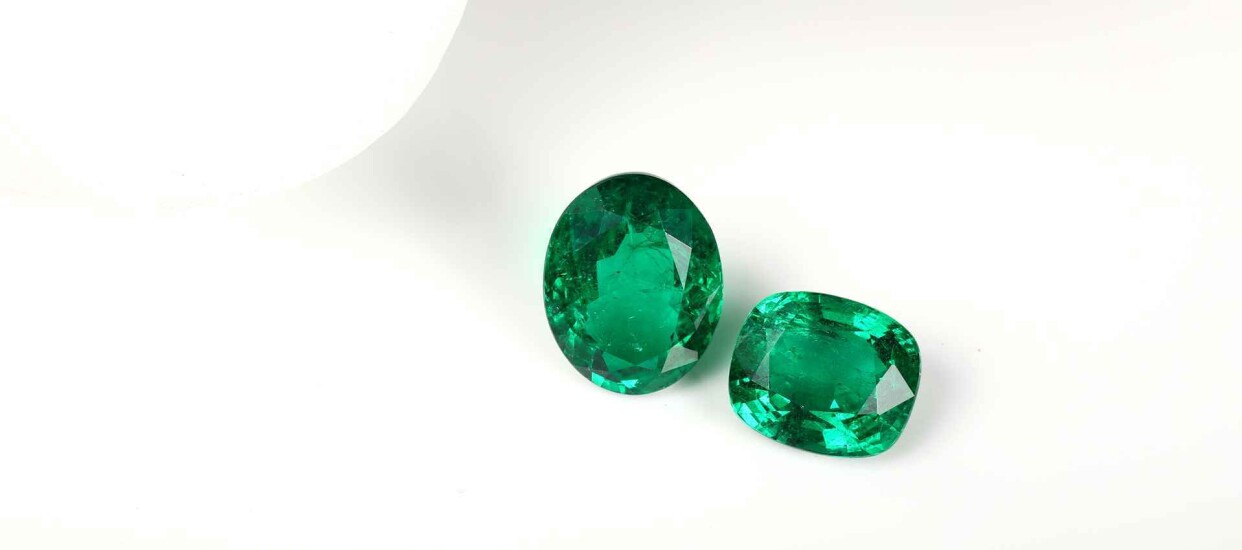


Panjshir exhibits one of the rarest in-demand gemstones in the world with equally beautiful crystals and colors. Whether you’re looking for an emerald ring as a gift or proposal, or are seeking loose emerald stone for investment/collection purposes, you’ll want to be educated in dealing with quality, price and authenticity. In this guide, we cover everything you need to know about Panjshir emeralds — their qualities that set them apart, how much they usually cost and what to watch out for when buying one.
What Is a Panjshir Emerald?
Panjshir emeralds are sourced from the Panjshir Valley, a remote mountainous area in northeastern Afghanistan. This part of the country is now known among gem experts and collectors to produce emeralds that rival those from Colombia — long considered the gold standard for emerald quality. What distinguishes Panjshi emeralds are the intensity of green coloring, high transparency of each stone surface with comparably little inclusions than most other sources.
Color and Quality
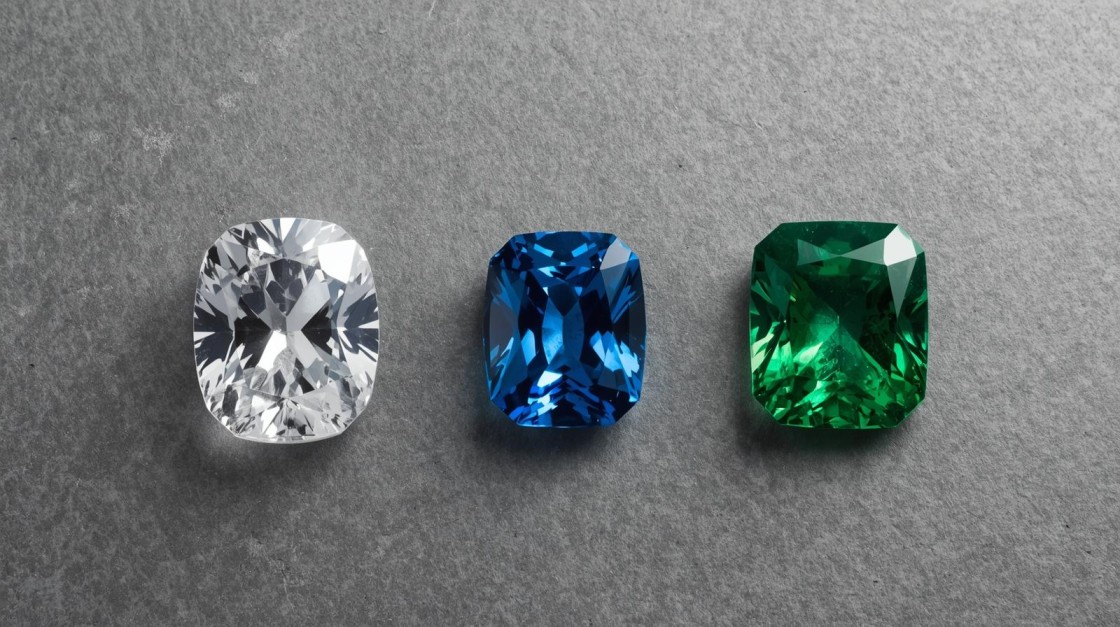
Color is the primary quality factor when assessing a Panjshir emerald or any emerald stone. The perfect emerald color is dark and rich green, with very faint blue undertones. Uniform color saturation without a brownish or yellowish tint indicates a better quality and tends to be more expensive.
Emerald stone can vary quite a bit in clarity. Most natural emeralds have some internal inclusions — often referred to as the gemstone’s “jardin.” But Panjshir emeralds are known to be comparatively clean in clarity. Yet clarity is only one piece of the overall quality puzzle. While the true value is based on a well-balanced ratio of color, clarity, cut, and carat weight.
Emerald Pricing: What to Expect
Panjshir emerald price is primarily based on size and quality. Quality untreated emeralds in good color and clarity can be expensive, costing thousands of dollars per carat. Prices are based on market demand, origin, certification and whether or not the stone is treated (eg. oiling to improve clarity).
Smaller stones below one carat are more affordable but rare and high-quality Panjshir emeralds even in smaller sizes can still come with a premium. More conspicuous specimens with deep verdant hues and fewer inclusions can run into the very high price brackets, purchased for investment and collection enjoyment.
Emerald Rings — How to Pick the Best One?
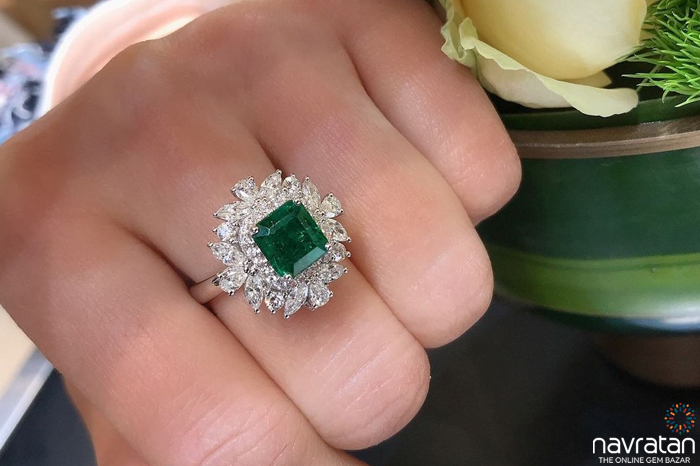
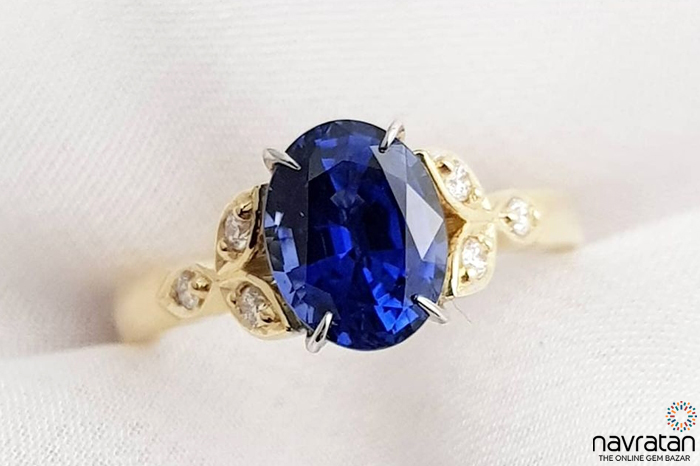
Emeralds are most commonly found in emerald ring. Here’s what to pay attention to when choosing a ring:
Setting: Emeralds are somewhat softer than diamonds, so protective settings, like halos, bezels or prong guards, are advised to protect against damage.
Metal: Yellow gold (yellow or white) and platinum are complementary options that work well with green overtones.
Design: Classic simple designs showcase the gemstone, while more elaborate styles add fashion interest.
Certification: Always request a reputable gemological certificate (e.g. from GIA or similar) to verify origin, treatment and quality.
This item has been treated and enhanced, including through oiling. Full disclosure, so you know exactly what you’re buying.
Trusted Seller: Purchase from established jewelers who have transparent return policies.
Shopping Tips: Set your budget first, and then look at similar stones from other retailers.
FAQs
- What makes Panjshir emeralds special?
Ans. Panjshir emeralds exhibit bright green color and good transparency, comparable to Colombian emeralds.
- Are Panjshir emeralds more expensive than other emeralds?
Ans. All the time, yes — particularly if they are intensely colored and have few inclusions. Origin can influence price significantly.
- Are emeralds daily wear?
Ans. Emeralds are tough but softer than diamonds. When given good care and protective settings, they can be worn consistently.
- Do all emeralds undergo treatment?
Ans. Most emeralds are treated (e.g. oiled) to enhance clarity. Raw (untreated) stones often have relatively high prices.
- Do I need to have a certificate for my emerald?
Ans. Yes. And a gemological certificate from a well-known lab covers the authenticity, origin and treatment of the material.


















No Comments