


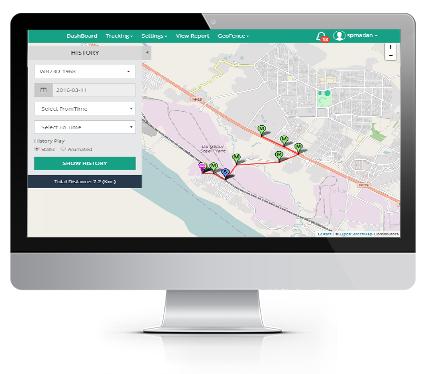
The transportation industry is undergoing a major transformation driven by digital innovation, automation, and data-driven decision-making. In Qatar, where transportation plays a vital role in economic growth, infrastructure development, logistics, and public services, businesses are increasingly adopting advanced technologies to improve efficiency and competitiveness.
Among these innovations, Vehicle Tracking Technology has emerged as one of the most impactful solutions. What was once a simple tool for locating vehicles has evolved into a comprehensive system that helps organizations manage fleets, monitor drivers, optimize operations, improve safety, and reduce costs.
In 2026, vehicle tracking technology is transforming transportation across Qatar by providing real-time visibility, intelligent analytics, and greater operational control. Companies that embrace this technology are gaining significant advantages in productivity, customer service, and profitability.
Understanding Vehicle Tracking Technology
Vehicle tracking technology combines GPS tracking, telematics, wireless communication, and cloud-based software to monitor vehicle activity in real time.
The system provides information such as:
- Vehicle location
- Route history
- Speed monitoring
- Driver behavior
- Fuel consumption
- Vehicle utilization
- Maintenance schedules
- Delivery status
Managers can access this data through mobile applications and web-based dashboards, allowing them to monitor operations from anywhere.
This level of visibility has fundamentally changed how transportation businesses operate.
The Evolution of Transportation in Qatar
Qatar has experienced rapid economic growth and infrastructure development over the past decade.
The country’s transportation sector supports:
- Logistics operations
- Construction projects
- Public transportation
- Delivery services
- Oil and gas activities
- Commercial businesses
As transportation demands continue to increase, organizations need smarter solutions to manage vehicles efficiently.
Vehicle tracking technology provides the tools necessary to meet these modern operational challenges.
Real-Time Visibility Improves Control
One of the most significant benefits of vehicle tracking technology is real-time visibility.
Transportation managers can instantly see:
- Vehicle locations
- Current routes
- Driver status
- Delivery progress
- Operational activities
This visibility enables faster decision-making and better operational control.
Managers no longer have to rely on phone calls or manual updates to determine vehicle status.
Real-time information improves coordination across the entire transportation network.
Enhanced Fleet Efficiency
Efficiency is essential for transportation companies seeking to maximize profitability.
Vehicle tracking technology helps improve efficiency by:
- Reducing unnecessary travel
- Optimizing routes
- Improving dispatch operations
- Minimizing idle time
- Increasing vehicle utilization
When vehicles operate more efficiently, businesses can complete more work while using fewer resources.
Higher efficiency translates directly into lower costs and increased productivity.
Route Optimization and Smarter Transportation
Traffic congestion and inefficient routing can significantly impact transportation performance.
Vehicle tracking systems analyze route data and help businesses identify:
- Faster routes
- Shorter travel distances
- Traffic avoidance opportunities
- Efficient delivery schedules
Benefits include:
- Reduced fuel consumption
- Faster deliveries
- Improved service reliability
- Better customer experiences
Smarter routing has become one of the key factors driving transportation transformation in Qatar.
Improved Driver Safety
Road safety remains a major priority for transportation companies.
Vehicle tracking technology helps improve safety by monitoring:
- Speeding incidents
- Harsh braking
- Rapid acceleration
- Driver fatigue indicators
- Route compliance
Managers can use this information to provide targeted driver training and promote safer driving habits.
Benefits include:
- Reduced accidents
- Lower insurance costs
- Improved driver performance
- Enhanced public safety
Safety improvements protect both employees and business assets.
Better Fuel Management
Fuel costs represent a significant expense for transportation operators.
Vehicle tracking technology helps businesses monitor:
- Fuel consumption
- Vehicle idle times
- Driving efficiency
- Route performance
Managers can identify waste and implement strategies to improve fuel efficiency.
Lower fuel consumption contributes to:
- Reduced operating costs
- Higher profitability
- Improved sustainability
Fuel management remains one of the most valuable benefits of vehicle tracking systems.
Supporting Logistics and Delivery Services
The growth of e-commerce and customer expectations for fast delivery have increased pressure on logistics providers.
Vehicle tracking technology enables companies to:
- Monitor deliveries in real time
- Provide accurate arrival estimates
- Track shipment progress
- Improve dispatch efficiency
Customers benefit from greater transparency and reliability.
Logistics providers can improve service quality while reducing operational complexity.
Enhanced Customer Satisfaction
Customer expectations continue to evolve in today’s digital economy.
Vehicle tracking technology helps businesses deliver better customer experiences through:
- Real-time updates
- Accurate ETAs
- Faster response times
- Reliable service delivery
Customers appreciate visibility and transparency throughout the transportation process.
Higher customer satisfaction often leads to stronger customer retention and business growth.
Improved Asset Security
Vehicles and transportation assets represent major investments for businesses.
Vehicle tracking systems enhance security through:
- Real-time location monitoring
- Theft alerts
- Geofencing notifications
- Unauthorized movement detection
If a vehicle is stolen or moved without authorization, managers can respond immediately.
Enhanced security helps reduce losses and protect valuable business resources.
Supporting Data-Driven Operations
Modern transportation companies rely on accurate data to improve performance.
Vehicle tracking systems generate reports on:
- Fleet productivity
- Driver performance
- Fuel efficiency
- Route effectiveness
- Maintenance needs
These insights help managers identify opportunities for improvement and make informed strategic decisions.
Data-driven management is becoming a key factor in transportation success.
Predictive Maintenance and Reliability
Vehicle downtime can significantly impact transportation operations.
Tracking technology supports preventive maintenance by monitoring:
- Mileage
- Engine hours
- Vehicle usage patterns
Automated maintenance reminders help businesses perform service before major problems occur.
Benefits include:
- Reduced downtime
- Lower repair costs
- Improved reliability
- Extended vehicle lifespan
Reliable fleets contribute directly to operational success.
Sustainability and Environmental Benefits
Qatar continues to focus on sustainability and environmental responsibility.
Vehicle tracking technology supports these goals by reducing:
- Fuel waste
- Carbon emissions
- Excessive idling
- Unnecessary travel
More efficient transportation operations contribute to both environmental protection and cost savings.
Sustainability has become an increasingly important consideration for modern businesses.
Smart Transportation and Future Mobility
Vehicle tracking technology is a key component of smart transportation systems.
It supports:
- Intelligent fleet management
- Connected vehicle operations
- Real-time monitoring
- Digital transformation initiatives
As Qatar continues investing in smart infrastructure, vehicle tracking technology will play an even greater role in shaping the future of transportation.
Organizations that adopt these technologies today will be better prepared for tomorrow’s opportunities.
Competitive Advantage Through Innovation
Transportation companies that embrace technology gain significant advantages over competitors.
Vehicle tracking systems help businesses:
- Improve efficiency
- Reduce costs
- Enhance customer service
- Increase safety
- Optimize resources
Technology-driven operations are often more agile, productive, and profitable.
Innovation has become essential for long-term success in the transportation sector.
Why Choose Mobitrack Vehicle Tracking Solutions?
Mobitrack provides advanced Vehicle Tracking Technology designed to support transportation businesses across Qatar.
Key features include:
- Real-time GPS tracking
- Fleet management tools
- Driver behavior monitoring
- Route optimization
- Fuel management integration
- Geofencing alerts
- Advanced reporting and analytics
Mobitrack helps organizations improve operational performance, increase visibility, and reduce costs through intelligent transportation technology.
Conclusion
Vehicle Tracking Technology is transforming transportation in Qatar by providing businesses with unprecedented visibility, control, and operational intelligence. From improving efficiency and safety to reducing fuel costs and enhancing customer service, the benefits are reshaping the way transportation companies operate.
As Qatar continues its digital transformation journey in 2026, vehicle tracking technology will remain a critical tool for organizations seeking to improve performance and remain competitive in a rapidly evolving marketplace.
Businesses that invest in modern tracking solutions today are building the foundation for a smarter, more efficient, and more profitable future.
About the Author
This article is brought to you by Mobitrack, a trusted provider of Vehicle Tracking Systems, GPS Tracking Solutions, Fleet Management Technologies, Fuel Monitoring Systems, Temperature Monitoring Solutions, and IoT-based transportation technologies in Qatar. Mobitrack helps businesses transform transportation operations through innovative tracking and fleet management solutions.

