


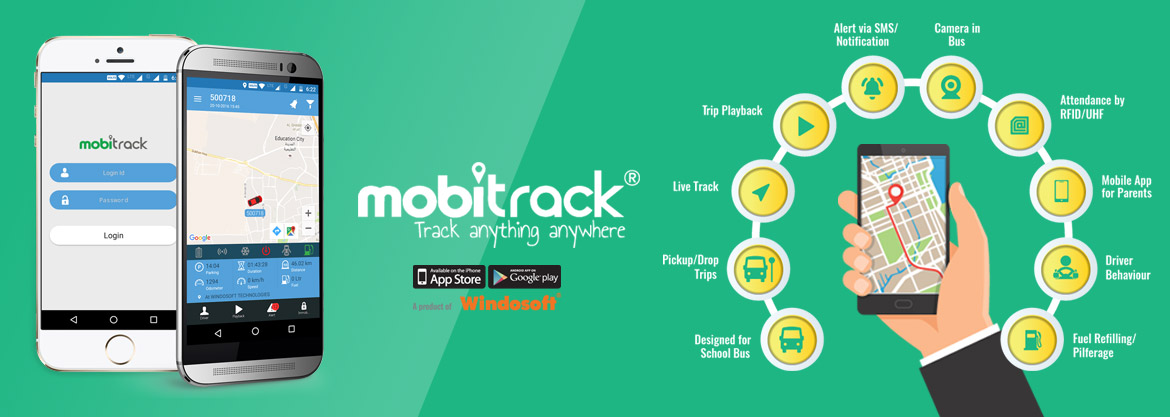
Transportation plays a vital role in supporting economic growth, trade, and daily life in Qatar. With rapid urban development, expanding road networks, and increasing vehicle usage, the transportation sector is becoming more complex. Businesses involved in logistics, public transport, delivery services, construction, and fleet operations must manage vehicles efficiently while ensuring safety and reliability.
To meet these challenges, many companies are adopting GPS tracking technology. GPS (Global Positioning System) tracking systems allow businesses to monitor the real-time location of vehicles, manage fleets more effectively, and optimize transportation operations. In modern transportation systems, GPS tracking has become a crucial tool for improving efficiency, safety, and customer satisfaction.
This article explains why GPS tracking is essential for modern transportation in Qatar and how it benefits businesses and transportation providers.
Real-Time Vehicle Tracking
One of the most important advantages of GPS tracking is real-time vehicle monitoring. Transportation companies can track the exact location of their vehicles at any moment using satellite-based GPS technology.
This real-time visibility allows fleet managers to monitor routes, track deliveries, and ensure vehicles are operating according to schedule. If a vehicle experiences delays, traffic issues, or route deviations, managers can quickly identify the problem and take corrective action.
In busy urban areas such as Doha and other growing cities in Qatar, real-time tracking helps businesses maintain better control over transportation operations.
Improved Fleet Management
Modern transportation companies often manage multiple vehicles across different routes and locations. Managing these fleets without advanced tools can be inefficient and time-consuming.
GPS tracking systems provide fleet managers with detailed insights into vehicle activity, including:
-
Vehicle locations
-
Travel routes
-
Distance covered
-
Idle time
-
Trip history
This data allows businesses to manage their fleets more effectively and ensure vehicles are being used efficiently.
Improved fleet management helps companies increase productivity and reduce operational challenges.
Better Route Optimization
Traffic congestion and inefficient routes can slow down transportation operations and increase costs. GPS tracking systems help transportation companies optimize routes using real-time traffic data.
With route optimization, businesses can:
-
Avoid traffic congestion
-
Choose the fastest routes
-
Reduce travel time
-
Improve delivery schedules
Optimized routes help drivers reach their destinations faster while reducing fuel consumption.
This is especially important in Qatar’s rapidly expanding urban areas where traffic management is essential for smooth transportation.
Reduced Fuel Consumption
Fuel expenses represent a significant portion of transportation costs. Inefficient driving habits and poor route planning can increase fuel usage and reduce profitability.
GPS tracking systems help businesses monitor fuel usage by analyzing vehicle movement and driver behavior. Fleet managers can identify issues such as:
-
Excessive idling
-
Speeding
-
Long or inefficient routes
-
Unauthorized vehicle usage
By addressing these issues, companies can significantly reduce fuel consumption and improve operational efficiency.
Lower fuel costs directly contribute to higher profitability for transportation businesses.
Improved Driver Safety
Driver behavior has a major impact on transportation safety. Unsafe driving habits such as speeding, harsh braking, and aggressive acceleration increase the risk of accidents.
GPS tracking systems help companies monitor driver behavior and promote safer driving practices. Managers can track speed limits, driving patterns, and driving hours to ensure drivers operate vehicles responsibly.
Encouraging safe driving not only reduces accidents but also protects drivers, vehicles, and cargo.
For companies managing large fleets, improved driver safety also reduces insurance costs and vehicle maintenance expenses.
Enhanced Vehicle Security
Transportation companies often operate valuable vehicles and transport important goods. Vehicle theft or unauthorized use can lead to serious financial losses.
GPS tracking systems improve security by allowing companies to monitor vehicle movement at all times. Many systems include advanced features such as:
-
Geofencing alerts
-
Unauthorized movement notifications
-
Real-time theft tracking
Geofencing allows businesses to set virtual boundaries for vehicles. If a vehicle leaves the designated area, the system sends an alert to fleet managers.
These security features help companies protect their assets and prevent misuse.
Faster Response to Emergencies
Unexpected situations such as accidents, vehicle breakdowns, or route disruptions can occur during transportation operations. In such cases, knowing the exact location of a vehicle is extremely valuable.
GPS tracking systems allow managers to locate vehicles quickly and provide immediate assistance. They can dispatch roadside support, send replacement vehicles, or coordinate emergency response services.
Faster response times help protect drivers and reduce delays in transportation operations.
Improved Customer Service
Customers today expect fast and reliable transportation services. Whether it is delivery services, logistics operations, or passenger transportation, providing accurate updates is important for customer satisfaction.
GPS tracking systems allow businesses to provide real-time updates about vehicle locations and estimated arrival times. Customers can track their deliveries or transportation services with greater transparency.
This improved communication helps build trust and enhances the overall customer experience.
Data-Driven Transportation Management
GPS tracking systems generate valuable operational data that transportation companies can use to improve decision-making.
Businesses can analyze data related to:
-
Vehicle performance
-
Driver behavior
-
Route efficiency
-
Fuel consumption
By analyzing these insights, companies can identify inefficiencies and implement strategies to improve transportation operations.
Data-driven management helps businesses become more efficient and competitive.
Supporting Qatar’s Smart Transportation Vision
Qatar is investing heavily in smart city technologies and modern infrastructure as part of its long-term development goals. Advanced transportation systems play a key role in this vision.
GPS tracking technology supports these initiatives by improving transportation efficiency, reducing congestion, and enhancing safety.
As the country continues to develop modern transportation networks, GPS tracking systems will play an even more important role in managing vehicles and logistics operations.
Conclusion
GPS tracking has become an essential technology for modern transportation in Qatar. By providing real-time vehicle tracking, improving fleet management, optimizing routes, and enhancing safety, GPS systems help transportation companies operate more efficiently.
In addition to improving operational performance, GPS tracking also reduces fuel costs, increases vehicle security, and enhances customer service.
As Qatar continues to expand its transportation infrastructure and logistics capabilities, businesses must adopt advanced technologies to stay competitive. Investing in GPS tracking system is a smart step toward building safer, more efficient, and more reliable transportation operations.

