


As Qatar continues to strengthen its position as a global business and logistics hub, companies are under increasing pressure to improve efficiency, reduce costs, and deliver exceptional customer service. Businesses that rely on transportation, delivery services, field operations, construction equipment, or commercial vehicles face numerous operational challenges every day.
To remain competitive in 2026, many organizations are turning to Fleet Management Systems as a powerful solution for optimizing vehicle operations and improving overall business performance. A Fleet Management System provides businesses with the tools needed to monitor vehicles, manage drivers, reduce expenses, and make data-driven decisions.
Whether you operate a small fleet of service vehicles or manage hundreds of trucks across Qatar, implementing a fleet management system can play a significant role in driving business growth.
What Is a Fleet Management System?
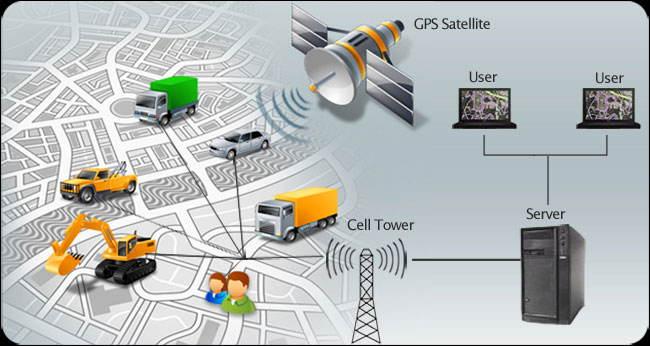
A Fleet Management System is a technology platform that combines GPS tracking, telematics, reporting tools, and operational analytics to help businesses manage their vehicles more efficiently.
The system collects real-time data from vehicles and provides valuable insights through a centralized dashboard.
Key features often include:
- Real-time vehicle tracking
- Driver behavior monitoring
- Fuel management
- Route optimization
- Vehicle maintenance scheduling
- Geofencing alerts
- Fleet performance reporting
- Asset management
These tools allow businesses to gain complete visibility into their transportation operations.
The Growing Importance of Fleet Management in Qatar
Qatar’s economy depends heavily on industries that utilize transportation and vehicle fleets, including:
- Logistics and freight services
- Construction
- Oil and gas
- Facility management
- Retail distribution
- Public transportation
- Delivery services
As these industries continue to expand, efficient fleet management has become essential for maintaining profitability and customer satisfaction.
Traditional fleet management methods often lack the visibility needed to address modern operational challenges. Fleet management systems bridge this gap by providing accurate, real-time information.
Improved Operational Efficiency
One of the primary reasons businesses invest in fleet management systems is to improve operational efficiency.
Fleet managers can monitor:
- Vehicle locations
- Driver activities
- Route performance
- Idle times
- Job completion rates
With this information readily available, managers can make quicker and more informed decisions.
Improved efficiency leads to:
- Better resource utilization
- Faster service delivery
- Reduced operational waste
- Increased productivity
Businesses that operate efficiently are better positioned to grow and compete in Qatar’s evolving marketplace.
Real-Time Fleet Visibility
Managing multiple vehicles without real-time visibility can be challenging.
A fleet management system allows managers to view every vehicle on a live map and monitor ongoing operations instantly.
Real-time visibility helps businesses:
- Track deliveries
- Monitor field staff
- Improve dispatch decisions
- Respond quickly to customer requests
- Address unexpected issues immediately
Having complete control over fleet operations significantly improves management effectiveness.
Reduced Fuel Costs
Fuel expenses often represent one of the largest costs associated with fleet operations.
Fleet management systems help reduce fuel consumption by identifying:
- Excessive idling
- Speeding
- Unauthorized vehicle use
- Inefficient routes
- Aggressive driving behaviors
Managers can use detailed fuel reports to implement corrective actions and improve efficiency.
Even small reductions in fuel consumption can result in substantial annual savings for businesses operating large fleets.
Better Driver Performance
Drivers have a direct impact on fleet safety, fuel efficiency, and operational costs.
Modern fleet management systems monitor:
- Speeding events
- Harsh braking
- Rapid acceleration
- Route deviations
- Driving hours
Driver scorecards and performance reports help managers identify areas for improvement.
Benefits of better driver management include:
- Fewer accidents
- Improved fuel economy
- Lower maintenance costs
- Enhanced road safety
Businesses that prioritize driver performance often experience significant operational improvements.
Route Optimization and Faster Service
Efficient route planning is critical for businesses involved in transportation and delivery services.
Fleet management systems analyze traffic patterns, distances, and vehicle locations to recommend optimal routes.
Benefits include:
- Reduced travel time
- Lower fuel consumption
- Increased delivery capacity
- Improved customer satisfaction
In a competitive market, faster and more reliable service can become a major business advantage.
Enhanced Vehicle Security
Vehicles and equipment are valuable business assets that require protection.
Fleet management systems improve security through:
- Real-time tracking
- Geofencing alerts
- Unauthorized movement notifications
- Theft recovery support
- Asset monitoring
If a vehicle moves outside authorized areas or operates during restricted hours, managers receive instant alerts.
This added security helps reduce risks and protect company investments.
Lower Maintenance Expenses
Unexpected vehicle breakdowns can disrupt operations and generate costly repairs.
Fleet management systems support preventive maintenance by monitoring:
- Mileage
- Engine hours
- Service schedules
- Vehicle health indicators
Automated maintenance reminders help businesses keep vehicles in optimal condition.
Benefits include:
- Reduced downtime
- Extended vehicle lifespan
- Lower repair costs
- Improved fleet reliability
Regular maintenance contributes directly to long-term business growth.
Data-Driven Decision Making
Successful businesses rely on accurate information when making strategic decisions.
Fleet management systems generate detailed reports on:
- Vehicle utilization
- Fuel efficiency
- Driver performance
- Route effectiveness
- Maintenance costs
These insights help managers identify trends, improve operations, and allocate resources more effectively.
Data-driven management reduces guesswork and supports sustainable growth strategies.
Improved Customer Satisfaction
Customer expectations continue to rise across all industries.
Fleet management systems help businesses provide:
- Accurate delivery estimates
- Faster response times
- Reliable service schedules
- Real-time status updates
Satisfied customers are more likely to remain loyal and recommend services to others.
Improved customer experiences often translate into increased revenue and stronger market positioning.
Supporting Sustainability Goals
Environmental responsibility is becoming increasingly important for businesses worldwide.
Fleet management systems contribute to sustainability by reducing:
- Fuel consumption
- Carbon emissions
- Unnecessary travel
- Vehicle idling
These improvements support corporate sustainability initiatives while simultaneously reducing operational costs.
Businesses that prioritize efficiency often achieve both environmental and financial benefits.
Competitive Advantage in Qatar’s Market
Companies that invest in fleet management technology gain a competitive edge by:
- Operating more efficiently
- Reducing expenses
- Improving service quality
- Enhancing safety standards
- Increasing productivity
As digital transformation accelerates across Qatar, businesses using advanced fleet technologies are better positioned to adapt to changing market demands.
Why Choose Mobitrack Fleet Management Solutions?
Mobitrack provides comprehensive fleet management solutions designed specifically for businesses in Qatar.
Key features include:
- Real-time GPS tracking
- Driver behavior monitoring
- Fuel management tools
- Geofencing capabilities
- Advanced reporting
- Maintenance scheduling
- Mobile and web-based access
Mobitrack helps organizations gain complete control over their fleet operations while maximizing efficiency and profitability.
Conclusion
A Fleet Management System is no longer optional for businesses that depend on transportation and vehicle operations. In 2026, it has become a critical tool for improving efficiency, reducing costs, enhancing security, and supporting business growth.
From fuel management and route optimization to driver monitoring and maintenance scheduling, fleet management systems provide the visibility and control needed to succeed in a competitive marketplace.
Businesses in Qatar that embrace fleet management technology today will be better prepared for future challenges and positioned for long-term success.
About the Author
This article is brought to you by Mobitrack, a leading provider of Fleet Management Systems, GPS Tracking Solutions, Vehicle Tracking Technologies, Fuel Monitoring Systems, and IoT-based fleet management solutions in Qatar. Mobitrack helps businesses improve operational efficiency, reduce costs, and achieve sustainable growth through advanced fleet technology.

