


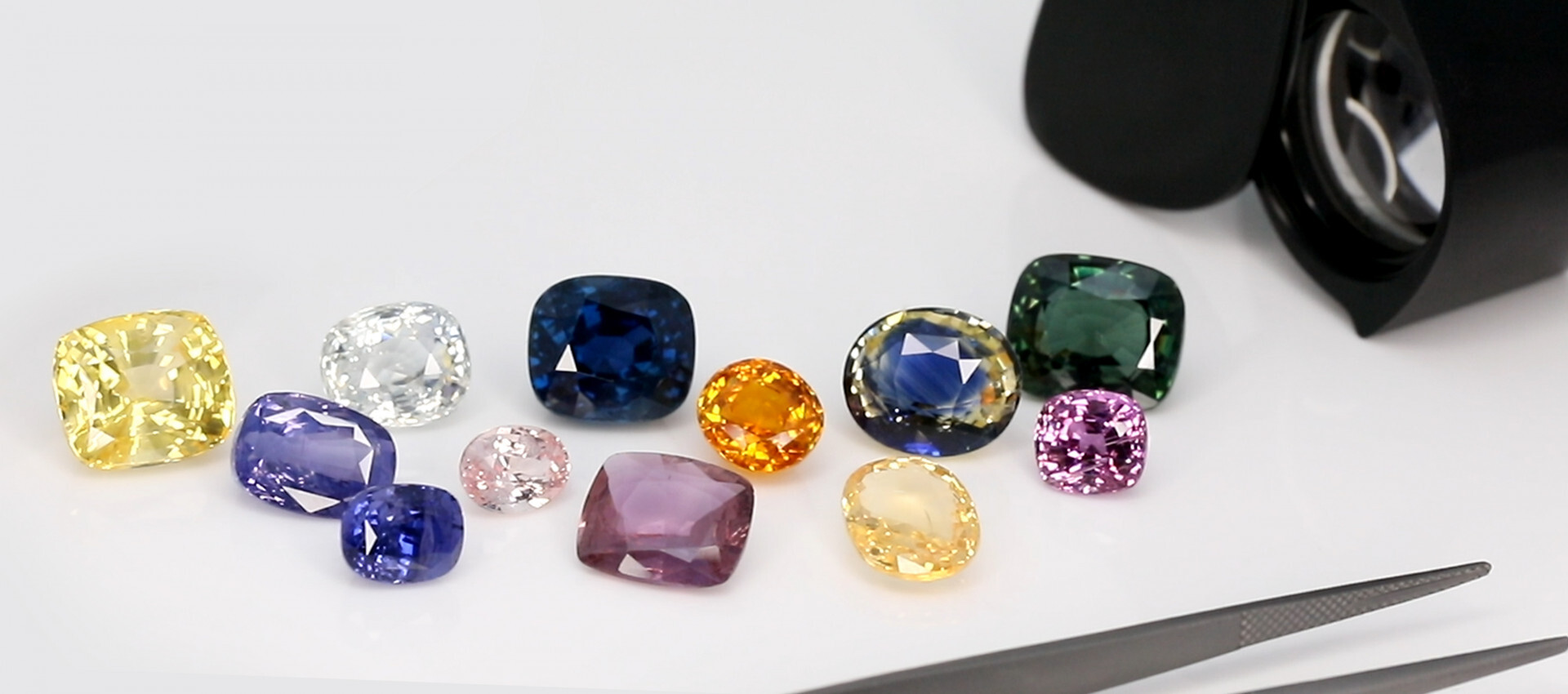
Sapphires have been a popular with gemstone enthusiasts for centuries. Most people tend to imagine deep blue stones, but true collectors recognize that sapphires can come in an incredible variety of colors and rare types. From the traditional blue sapphire, to the rare Padparadscha Sapphire, each have their own allure and history. If you’re a collector, then get in line to fall in love with the rare sapphire types!
Blue Sapphire – An Eternal Classic
Blue sapphire (K) The highly-respected and well-known variety of sapphire is the blue one. The deep royal blue of sapphire represents wisdom, loyalty and power. This gemstone has been long-worn to reflect royalty and divine authority and is still prevalent in upper-tier jewellery pieces.
The quality of a blue sapphire is determined by evaluating its color, clarity, origin and cut. Some of the most valuable stones come from Sri Lanka, Kashmir and Myanmar. A rich, velvety blue hue with no or few inclusions can sell for particularly high prices at auction. For those who are passionate about stones, an unheated blue sapphire with strong saturation is an optimal prize.
Yellow Sapphire – The Sign of Prosperity
The most attractive form here is the yellow sapphire, which possesses bright golden colour. Known as a stone of abundance, this gorgeous yellow green crystal is prized among collectors and astrology enthusiasts alike.
High-quality yellow sapphire exhibits a pure, bright yellow color without any brown or gray cast. The brilliance and the transparency Srilankan stones are most appreciated. Those who collect usually look for natural, untreated stones as these hold better value in the long run. Yellow sapphires can also be more budget friendly than the blue counterparts and make an enticing supplement to your growing collection.
Padparadscha Sapphire – The Rare Sunset Gem
Of all the different types of sapphires, none are more rare and difficult to find than the Padparadscha Sapphire. It is called that after the Sinhalese word meaning “lotus flower,” because it’s such a pretty pink-orange. It is quite rare to find a perfect combination of pink and orange in this gem.
Collectors adore Padparadscha sapphire for their distinctiveness. Each stone is unique from one to another. The best quality natural color, untreated fancy color sapphires are very rare and command high prices. Due to its rarity, you should seek certified pieces from a trusted laboratory when buying this variety.
Bicolor Sapphire – Nature’s Painted Jewel
Bicolor Sapphire is an interesting gemstone that exhibits two different colors in the same stone. It’s these nature zone colors that make for a dazzling display, frequently mixing blue and yellow or pink and purple.
Bicolor Sapphire is popular among collectors because every stone is unique. Each is a piece of art unto itself. Precise cutting makes the color contrast stronger, it can not only bring us the captivating beauty, but will raise its value. Bicolor sapphire are quite a bit less famous than the traditional blue sapphire or Padparadscha Sapphire, but interest is growing among antique connoisseurs who want something unique and different.
Why Rare Sapphires Attract Collectors
In addition to their rarity, sapphires are valued for their toughness: at 9 on the Mohs scale of hardness (with diamonds being a 10), they are second only to diamonds. They are long term investments as they are so brilliant, come in all colors, and have a lot of historical clout. Whether it is a bold blue sapphire, eye catching yellow sapphire, rare padparadscha sapphire or a beautiful bicolor sapphire – there is something for every one and have the rarity as its beauty counterpart.
Enthusiasts look for unenhanced stones with intense color and good certification. Rare sapphires generally gain value over time, especially as higher quality sources are depleted.
FAQs
- What is the rarest type of sapphire?
Ans. This is why Padparadscha Sapphire is one of the rarest.
- Is blue sapphire and yellow sapphire real gemstone?
Ans. Yes, they are both naturally occurring forms of the mineral corundum and occur in different colors.
- What Determines the Value of a Bicolor Sapphire?
Ans. It is also desirable because of its natural duel-color look and quality contrast in color.
- Does a blue sapphire worth anything increase in value like other precious stones?
Ans. Untreated sapphires of good quality increase in value, particularly rare material.
- How can collectors verify authenticity?
Ans. Buy stones that come with a certificate from a well-known gemological laboratory.
Rare sapphires offer rarity, beauty and everlasting fashion appeal. For those who collect them, these extraordinary gemstones are a way of conserving nature’s most fascinating artistry.

