


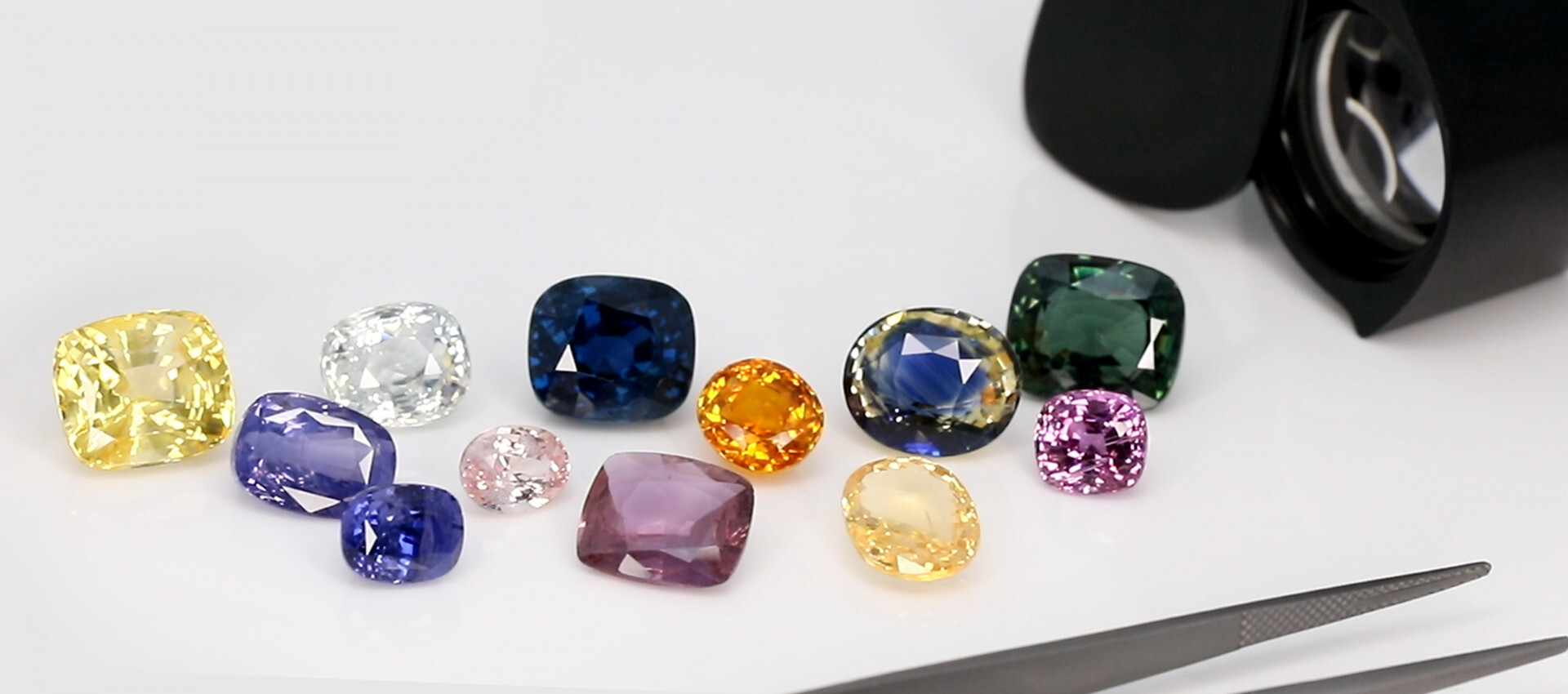
Sapphires have been the fascination of gemstone enthusiasts for thousands of years. Although the classic blue variety probably crossed your mind, collectors understand that there is much more to the sapphire family than one shade of blue. With its blazing pink-orange, jewel-like clearness or sapphire crystal-blue, rare types of sapphire are worth a fortune both for their beauty and for possible future investment. We’re going to take a look at some of the most desirable sapphire types, namely: blue sapphire, yellow sapphire, Padparadscha Sapphire and White Sapphire as well as why collectors love them.
Blue Sapphire - The Absolute Classic
The most popular and well-known sapphire is the blue sapphire. Wearing a deep, velvety blue color that represents wisdom, royalty and protection. For centuries, kings and queens of Europe and Asia prized blue sapphires as a display of their power and divine favor.
Blue Sapphire collectors particularly desire material from Kashmir and Sri Lanka as they tend to possess the most intense color saturation combined with superior clarity. The best stones will exhibit a bright royal blue without being too dark or too light. Blue sapphires with no treatment occur, but are scarce and demand a premium over heat-treated stones.
Yellow Sapphire – The Gem of Prosperity
The yellow sapphire is loved for its hot golden color, accompanied by significant astrological value. It’s known as Pukhraj in Vedic traditions, and is linked with prosperity, knowledge and good luck.
Many collectors prefer eye clean yellow sapphire with a bright, generally consistent color. The finest gems are a bright canary-yellow without any brown or green modifier. Sri Lanka continues to be one of the premier suppliers of good-quality yellow sapphire crystals. Due to scarcity of fine natural stones, these are still being extracted making them more and more expensive.
Padparadscha Sapphire – The Exotic Treasure
Of all of the many colors a sapphire can be, the Padparadscha Sapphire is one of the rarest and most appealing. It is named after the Sinhalese word for “lotus blossom” due to its distinctive pink-orange shade. This beautiful cross of sunset pink and soft orange is very unique.
Padparadscha sapphires are highly prized among collectors for their rarity and incredible beauty. “Untreated stones of that size and color with good balance don’t come around very often,” he said. With limited natural supplies, particularly in Sri Lanka and Madagascar, a Pink Sapphire gem stone of this caliber often commands as much per carat or more than fine rubies or diamonds.
White Sapphire: The Classy Substitute
While the White Sapphire is not as vibrant as some of the other types, it commands a unique place among those who enjoy more subdued hues. It is colorless in clarity and shares a similarity to the diamond, (especially in fine jewelry).
Top-graded white sapphire have beautiful transparency and brilliance with no visible inclusions. Largely less costly than diamonds, unenhanced and particularly clear specimens of this high-quality gem are still highly sought after by serious collectors. White Sapphire is also popular for custom engagement rings since they are sturdy and have timeless look.
Why Collectors Love Rare Sapphires
Rare sapphires appeal to collectors for three main reasons:
Rarity: Scarcity increases long-term value.
Hardness: sapphires are a 9 on Mohs’ scale of mineral hardness.
Share Investment Potential: Top quality natural sapphires generally have been increasing in value overtime, with the assumption it would continue to do so, less treated stone.
Each type of sapphire presents something special — whether it’s brilliant flashes for blue sapphire, the golden-flecked shade of yellow sapphire, or a completely unconventional and breathtaking padparadscha sapphire or another with white brilliance.
FAQs
- Which is the rarest sapphire ?
Ans. Padparadscha Sapphire is ranked as one of the most rare sapphires because of their distinctive pink-orange color and few natural occurrences.
- Which is more expensive blue sapphire or other sapphires?
Ans. Fine Blue sapphire can be quite expensive ranging from a few hundred dollars to thousands of dollars per carat, depending on quality. But value is always a matter of rarity and quality.
- Are Yellow Sapphires A Good Investment?
Ans. Extremely clear and clean natural yellow sapphires, if they have “excellent” color and life and are certified, CAN increase in value over time.
- Is White Sapphire a good substitute for Diamond to wear?
Ans. Yes, the White Sapphire has durability and sparkles that are as good as diamonds but at a lower cost and that is why it is generally accepted as an alternative to diamond.
- How can I tell if a sapphire is real?
Ans. Always ask for a certificate from a reputable gemological laboratory to verify origin, treatment status and quality.
Scarcity still captivates collectors when it comes to sapphires. Whether you’re a speculator in precious stones or just love the gander of fine jewellery, here are some remarkable rocks that don’t just have beauty but investment value.

