


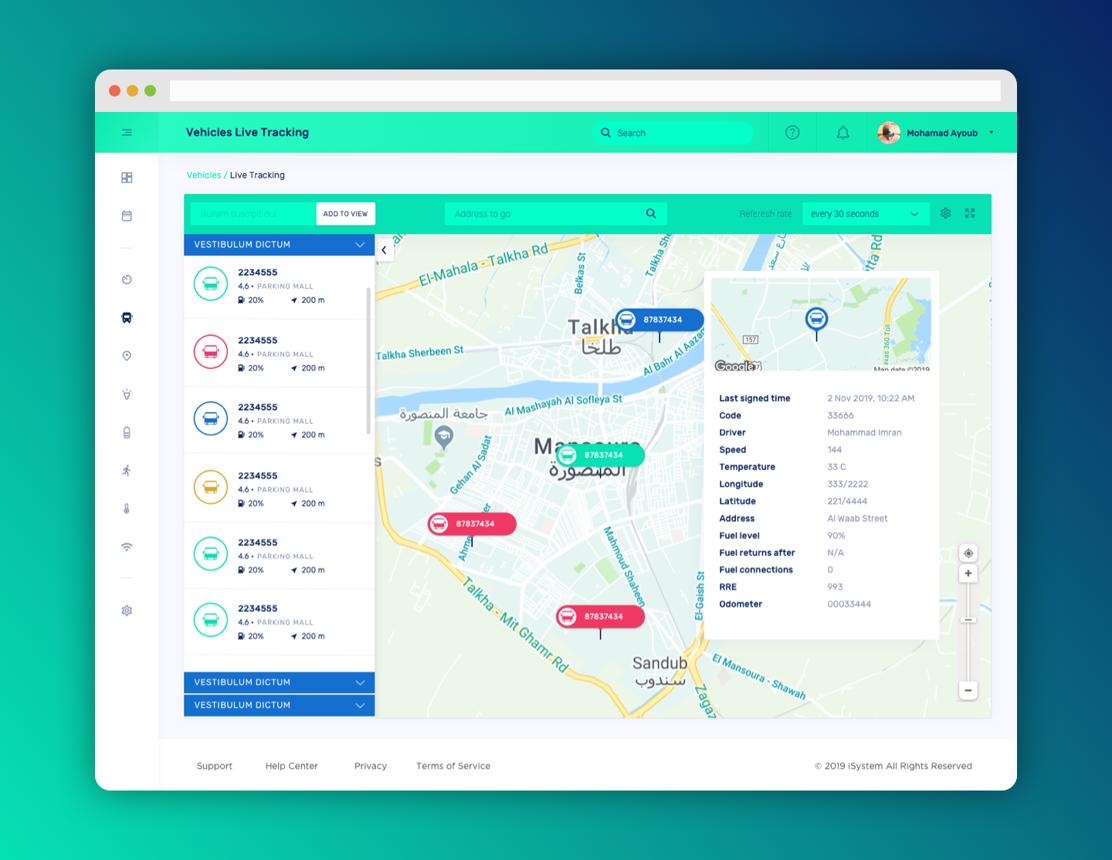
The logistics industry depends on speed, reliability, and efficient transportation. Companies need to move goods safely while controlling fuel expenses, managing drivers, maintaining vehicles, and meeting delivery schedules.
Managing these activities becomes increasingly difficult as the number of vehicles and deliveries grows. A GPS Tracking System gives logistics companies real-time visibility into their vehicles and helps managers make faster, data-driven decisions.
From monitoring trucks on long-distance routes to managing last-mile delivery vans, GPS tracking can improve fleet efficiency and provide better control over daily transportation operations.
What Is a GPS Tracking System for Logistics?
A GPS tracking system combines GPS-enabled hardware with software that allows businesses to monitor vehicles remotely.
A typical logistics tracking solution can provide information about:
- Vehicle location
- Speed
- Route history
- Distance traveled
- Stops
- Driving behavior
- Geofence activity
- Vehicle utilization
- Maintenance schedules
Advanced systems can also integrate with fuel and temperature sensors.
Why Logistics Companies Need GPS Tracking
Logistics businesses often deal with challenges such as:
- Traffic delays
- Rising fuel expenses
- Inefficient routes
- Unauthorized vehicle usage
- Missed delivery schedules
- Driver safety concerns
- Vehicle breakdowns
- Limited shipment visibility
A GPS tracking solution helps companies identify these issues and respond more effectively.
1. Real-Time Fleet Visibility
A Vehicle Tracking System allows logistics managers to see the location of vehicles in real time.
Instead of calling drivers to determine their location, dispatchers can use a centralized dashboard.
This helps managers understand:
- Which vehicles are currently moving
- Which vehicles have stopped
- Which deliveries are in progress
- Which vehicles may be delayed
Real-time visibility makes fleet coordination easier.
2. Optimize Delivery Routes
Route efficiency is extremely important in logistics.
Unnecessary mileage can increase:
- Fuel consumption
- Driver working hours
- Vehicle wear
- Delivery times
GPS tracking provides historical route information that managers can analyze to identify inefficient journeys.
Businesses can use this data to improve route planning and scheduling.
3. Reduce Fuel Expenses
Fuel is a major operating cost for many logistics companies.
GPS tracking can help identify fuel-wasting behaviors such as:
- Excessive idling
- Unnecessary detours
- Long stops
- Aggressive driving
- Unauthorized trips
A compatible Fuel Sensor can provide additional information about fuel levels and consumption.
Combining GPS and fuel data gives managers a better understanding of fleet operating costs.
4. Improve Driver Safety
Safe driving is essential for logistics businesses.
Depending on the tracking system, managers can monitor:
- Speeding
- Harsh braking
- Rapid acceleration
- Sharp cornering
- Excessive idling
These reports can be used to identify areas where drivers may benefit from additional training.
A strong driver safety program can also help reduce vehicle wear and fuel consumption.
5. Improve Delivery Visibility
Customers increasingly expect accurate information about their shipments.
GPS tracking can help logistics companies provide better updates regarding:
- Vehicle location
- Delivery progress
- Estimated arrival
- Delays
- Route status
Better visibility improves communication between logistics companies, drivers, and customers.
6. Reduce Unauthorized Vehicle Usage
Company vehicles should be used according to business policies.
GPS tracking provides historical information that can help managers identify:
- Unscheduled trips
- After-hours movement
- Unexpected destinations
- Significant route deviations
This improves accountability and gives businesses greater control over their fleet.
7. Improve Vehicle Utilization
A logistics company may have vehicles that are heavily utilized while others remain idle.
A Fleet Management System can provide reports about:
- Vehicle mileage
- Number of trips
- Operating hours
- Idle periods
- Vehicle availability
Managers can use these insights to distribute work more efficiently.
Better utilization can also help businesses determine whether they actually need to purchase additional vehicles.
8. Prevent Unexpected Breakdowns
Vehicle downtime can disrupt delivery schedules and increase operating costs.
GPS and fleet management platforms can support preventive maintenance by tracking:
- Mileage
- Engine hours
- Service intervals
- Vehicle usage
Maintenance reminders help businesses schedule servicing before minor issues become major problems.
9. Monitor Temperature-Sensitive Shipments
Some logistics companies transport products that require controlled temperatures.
Examples include:
- Fresh food
- Frozen products
- Dairy
- Pharmaceuticals
- Medical supplies
A Temperature Sensor can be integrated with a GPS tracking platform to monitor cargo conditions during transportation.
If the temperature moves outside a configured range, the system can generate an alert.
This provides logistics managers with greater control over sensitive shipments.
10. Use Geofencing for Logistics Operations
Geofencing allows companies to create virtual boundaries around important locations.
For example, a logistics company can create geofences around:
- Warehouses
- Distribution centers
- Customer locations
- Ports
- Depots
- Delivery zones
Alerts can notify managers when vehicles enter or leave these areas.
Geofencing can help improve arrival monitoring and operational coordination.
GPS Tracking for Different Logistics Operations
Long-Haul Transportation
Track trucks traveling between cities or regions and review route history.
Last-Mile Delivery
Monitor delivery vans and improve delivery scheduling.
Cold Chain Logistics
Combine GPS tracking with temperature sensors to monitor sensitive cargo.
Courier Services
Manage multiple delivery vehicles and improve route efficiency.
Warehouse Distribution
Track vehicles moving between warehouses and customer locations.
Key Features Logistics Companies Should Look For
When selecting a GPS tracking system, consider:
Real-Time Tracking
Provides current vehicle locations.
Route History
Allows managers to review completed journeys.
Geofencing
Provides location-based notifications.
Driver Behavior Monitoring
Helps improve safety and efficiency.
Fuel Monitoring
Supports better control over fuel expenses.
Temperature Monitoring
Useful for cold chain transportation.
Maintenance Management
Helps reduce vehicle downtime.
Mobile Application
Allows managers to monitor vehicles remotely.
Fleet Reports
Provides data about mileage, trips, idle time, and vehicle activity.
How to Choose the Right GPS Tracker
Before selecting a GPS Tracker, logistics companies should evaluate:
Fleet Size
Choose a platform that supports the current fleet and future growth.
Vehicle Types
Confirm compatibility with trucks, vans, buses, or specialized vehicles.
Connectivity
Make sure the device supports the communication technology required in the areas where vehicles operate.
Installation
Choose an appropriate wired, wireless, or plug-in GPS device.
Software
The dashboard should be easy for dispatchers and fleet managers to understand.
Integrations
Check whether the platform supports fuel sensors, temperature sensors, APIs, or other business systems when required.
Support
Reliable installation and technical support can make fleet deployment easier.
Common GPS Tracking Mistakes
Logistics businesses should avoid:
- Choosing hardware without evaluating the software
- Focusing only on the initial price
- Ignoring network compatibility
- Failing to train dispatchers
- Not reviewing fleet reports
- Ignoring maintenance information
- Collecting data without using it
The value of GPS tracking comes from turning vehicle data into practical operational improvements.
Frequently Asked Questions
Can GPS tracking improve logistics efficiency?
Yes. It can help businesses optimize routes, monitor vehicle utilization, reduce unnecessary travel, and improve fleet visibility.
Can logistics companies track trucks in real time?
Yes. Compatible GPS trackers can provide real-time or near-real-time location information.
Can GPS tracking reduce fuel consumption?
It can help identify excessive idling, inefficient routes, unnecessary mileage, and driving behaviors that contribute to higher fuel consumption.
Can GPS tracking monitor refrigerated vehicles?
Yes. GPS tracking can be combined with temperature sensors to monitor refrigerated cargo.
Can small logistics companies use GPS tracking?
Absolutely. GPS tracking can benefit both small fleets and large transportation companies.
Future of GPS Tracking in Logistics
Logistics technology is evolving rapidly.
Future fleet solutions will increasingly combine GPS tracking with:
- Artificial Intelligence
- Internet of Things technology
- Predictive maintenance
- Automated route optimization
- Smart sensors
- Advanced fleet analytics
- Electric vehicle monitoring
These technologies can help logistics companies move from reactive management toward predictive and data-driven operations.
Conclusion
A GPS Tracking System can provide logistics companies with greater visibility and control over their transportation operations. Real-time vehicle tracking, route optimization, driver monitoring, fuel management, maintenance scheduling, and temperature monitoring can all contribute to a more efficient fleet.
For logistics businesses, the goal isn’t simply to know where vehicles are. The real value comes from using tracking data to improve routes, reduce unnecessary costs, protect vehicles and cargo, and provide better service to customers.
As logistics operations become increasingly connected, GPS tracking will continue to play an important role in building smarter and more efficient transportation networks.

