


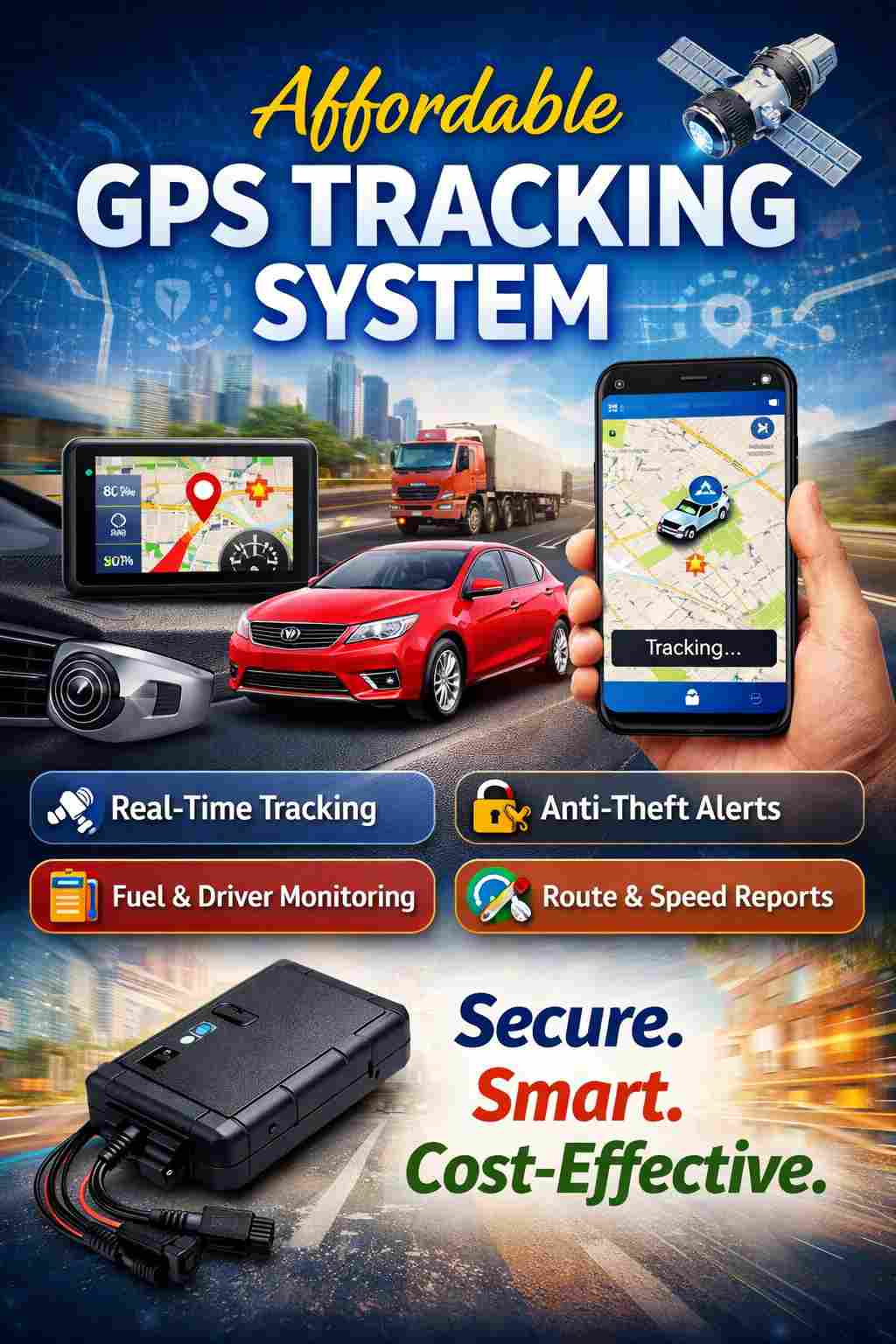
Vehicle safety has become a major concern for car owners and businesses alike. With rising cases of theft, unauthorized usage, and road accidents, installing a car tracker is no longer a luxury—it is a necessity. A car tracker is a GPS-based device designed specifically to monitor and protect cars by providing real-time location tracking, movement alerts, and detailed driving insights.
A car tracker works using Global Positioning System (GPS) satellites to determine the exact location of a vehicle. The device sends this information via a mobile network to a cloud-based platform or smartphone application. Users can access live location data, route history, speed details, and other critical information anytime, from anywhere.
One of the biggest advantages of installing a car tracker is theft protection. In the unfortunate event of vehicle theft, real-time tracking enables quick recovery. Many advanced car trackers send instant notifications if the ignition is turned on unexpectedly or if the vehicle starts moving without authorization. This immediate alert system gives car owners the opportunity to act quickly and inform authorities.
Apart from security, car trackers provide valuable insights into driving behavior. The system can monitor overspeeding, harsh braking, rapid acceleration, and sharp turns. These driving patterns increase accident risk and cause excessive wear and tear on the vehicle. By analyzing driver behavior reports, car owners and businesses can promote safer driving habits and reduce maintenance costs.
For parents, a car tracker is a powerful safety tool. Monitoring teenage drivers helps ensure responsible driving. Real-time speed alerts and trip history allow parents to guide young drivers and prevent risky behavior. This not only improves safety but also builds accountability.
Businesses that provide company cars to employees benefit significantly from car tracking technology. It ensures that vehicles are used only for official purposes. Managers can review route history, travel time, and fuel usage to eliminate misuse. This improves efficiency and reduces unnecessary operational costs.
Fuel efficiency is another key benefit of a car tracker. The system helps identify excessive idling and inefficient routes. By optimizing travel paths and encouraging smoother driving habits, fuel consumption can be reduced considerably. Over time, these savings contribute to better cost management.
Geofencing is an advanced feature available in many modern car trackers. Users can set virtual boundaries around specific locations such as home, office, or restricted zones. When the vehicle enters or exits these predefined areas, instant notifications are sent. This feature adds another layer of control and security.
Modern car trackers are designed to be compact and discreet. They can be hardwired into the vehicle’s electrical system for enhanced security or connected through the OBD port for easy installation. Battery-powered options are also available for flexible usage. Installation is typically quick and does not interfere with vehicle performance.
Cloud-based dashboards and mobile applications make car tracking simple and user-friendly. Users can view trip playback, analyze mileage reports, and download detailed performance summaries. These insights help in making informed decisions regarding vehicle usage and maintenance.
Maintenance management is another overlooked but important feature. Some car tracking systems send reminders based on mileage or engine hours, ensuring timely servicing. Preventive maintenance reduces breakdown risks and extends vehicle lifespan.
In addition to individual car owners, car rental companies also rely heavily on car trackers. Tracking rented vehicles ensures compliance with rental agreements and prevents unauthorized cross-border movement. It also improves asset management and customer service efficiency.
Technology is continuously evolving, and modern car trackers now integrate with additional sensors and monitoring tools. For example, combining a car tracker with a fuel sensor provides precise fuel consumption data. Integration with temperature sensors is useful for vehicles transporting sensitive goods.
Another significant benefit is emergency assistance. Some car trackers include an SOS button that allows drivers to send emergency alerts in case of accidents or breakdowns. This feature enhances driver safety and ensures quick response during critical situations.
From a financial perspective, installing a car tracker is a smart investment. The cost of the device and subscription is minimal compared to the potential losses from theft, fuel wastage, or inefficient vehicle usage. Many service providers offer flexible monthly plans, making the technology affordable for everyone.
In conclusion, a car tracker provides comprehensive security, operational control, and peace of mind. It enhances theft protection, improves driving behavior, reduces fuel expenses, and ensures better vehicle management. Whether you are an individual car owner, a parent, or a business manager, investing in a reliable car tracker is a practical and forward-thinking decision. In today’s connected world, having real-time control over your vehicle is not just convenient—it is essential.

