


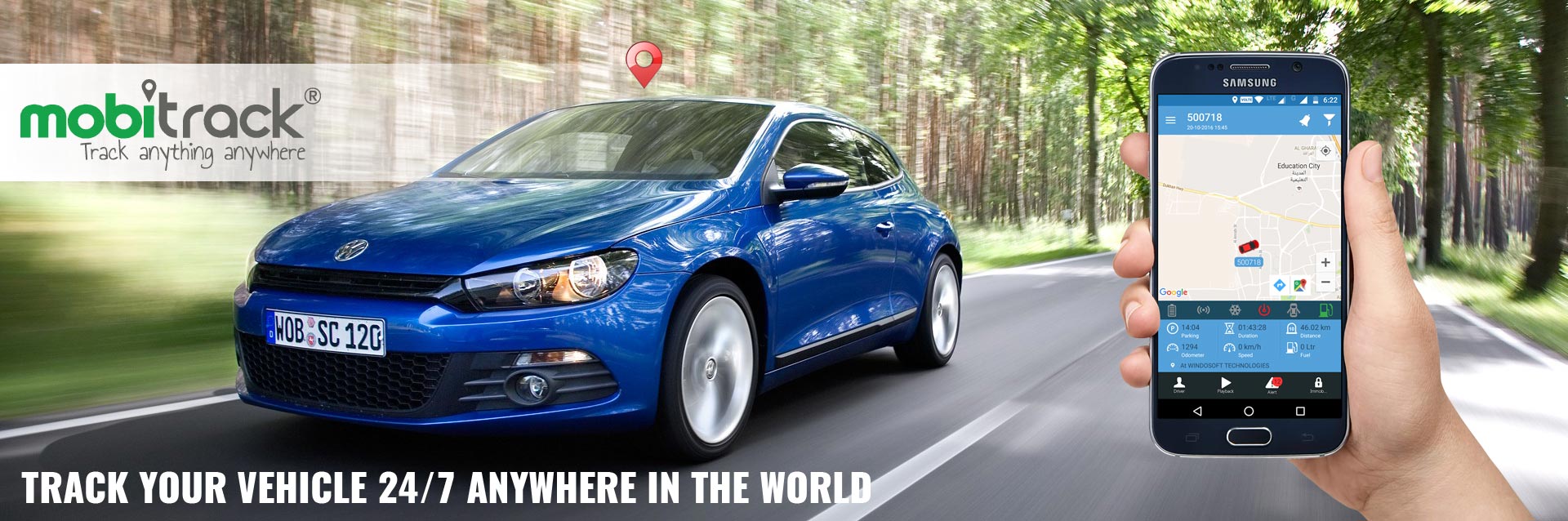
In Qatar, vehicle owners and businesses often face a common question when choosing a tracking solution: should they use a dedicated car GPS tracker or rely on mobile app-based tracking? While both options provide location visibility, they differ greatly in accuracy, reliability, and functionality.
A car GPS tracker is a physical device installed inside the vehicle. It uses satellite signals and mobile networks to provide real-time location data. In contrast, mobile app tracking relies on a smartphone’s GPS and internet connection. While apps may seem convenient, they come with several limitations.
One major advantage of a car GPS tracker in Qatar is accuracy. Dedicated trackers are designed specifically for vehicle monitoring and provide consistent location updates, even in remote areas. Mobile apps, on the other hand, may lose accuracy due to poor signal strength or battery-saving restrictions.
Reliability is another key factor. A GPS tracker operates independently of the driver’s phone. Even if the phone is switched off, damaged, or left behind, the vehicle remains trackable. Mobile app tracking stops functioning when the phone battery dies or the app is closed.
Car GPS trackers also offer advanced features not available in most mobile apps. These include engine immobilization, geofencing, ignition alerts, route playback, and detailed driving behavior analysis. Such features are essential for fleet management in Qatar.
From a security perspective, GPS trackers provide stronger protection against theft. If a vehicle is stolen, the tracker continues to transmit its location, helping authorities recover it quickly. Mobile apps cannot offer this level of security.
While mobile app tracking may be suitable for short-term or personal use, businesses in Qatar benefit far more from dedicated car GPS trackers. For long-term reliability, accuracy, and security, GPS tracker remain the better choice.

