


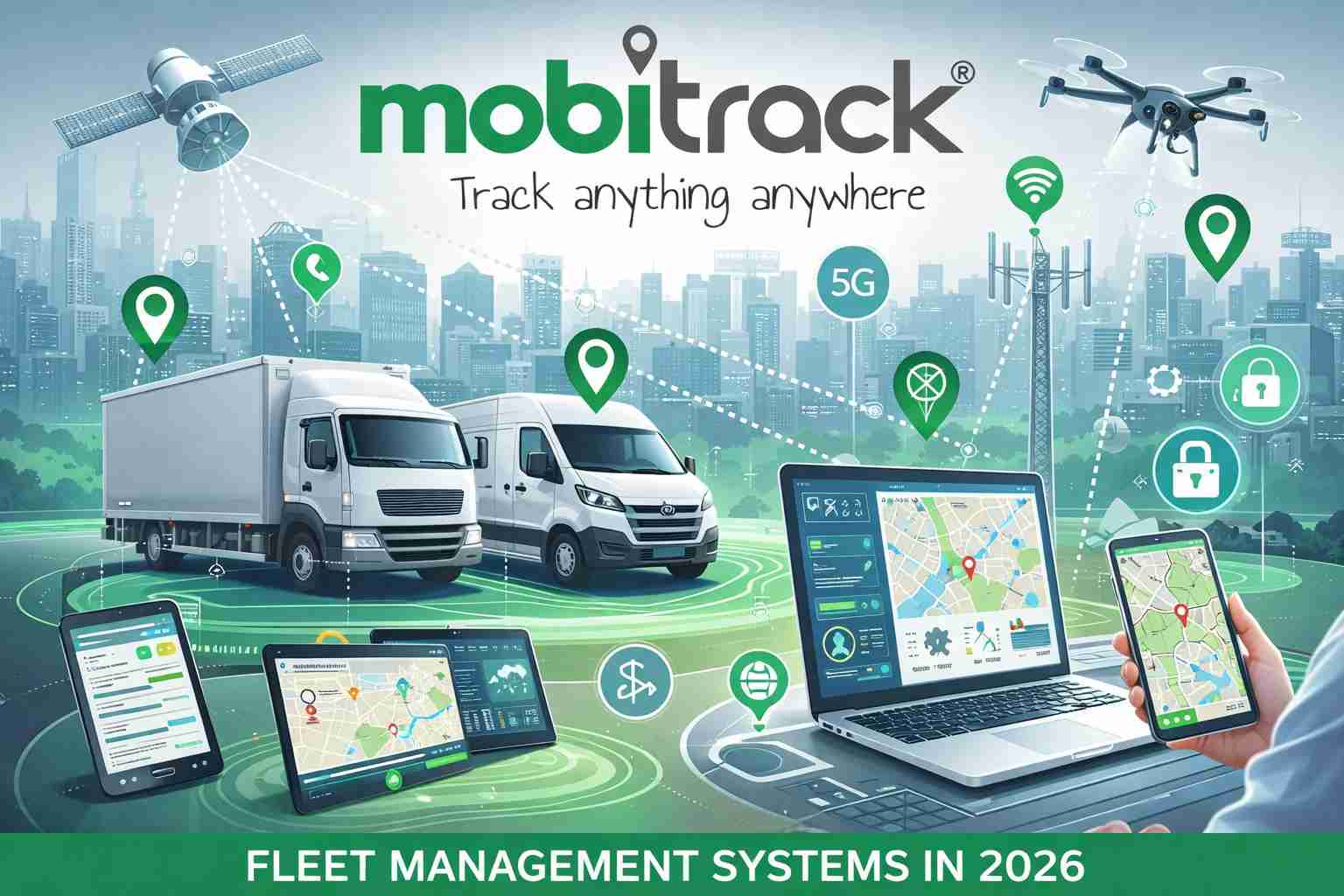
As Qatar accelerates toward a fully digital and smart infrastructure, the integration of Artificial Intelligence (AI) with GPS tracking systems is redefining transportation and fleet management. In 2026, AI-powered GPS tracking is no longer just about knowing where a vehicle is—it’s about understanding how it operates, predicting what will happen next, and making intelligent decisions in real time. This evolution is playing a key role in building an efficient, safe, and intelligent transportation ecosystem across the country.
The Evolution of GPS Tracking with AI
Traditional GPS tracking systems provided basic location data, helping businesses monitor vehicles and routes. However, with the addition of AI, these systems have transformed into smart platforms capable of analyzing vast amounts of data and delivering actionable insights.
AI in GPS tracking uses machine learning algorithms, real-time data processing, and predictive analytics to improve fleet performance. These systems can evaluate driver behavior, forecast maintenance needs, detect anomalies, and optimize routes automatically. In a fast-growing economy like Qatar, such intelligent systems are essential for managing increasing transportation demands.
Why AI Matters in Qatar’s Transportation Sector
Qatar is known for its rapid urban development, world-class infrastructure, and commitment to smart city initiatives. The country’s vision for 2030 emphasizes sustainability, efficiency, and technological advancement. AI-powered GPS tracking aligns perfectly with these goals by enhancing transportation systems across industries.
With heavy traffic in urban areas like Doha and increasing demand for logistics and delivery services, businesses need smarter solutions to stay competitive. AI enables real-time decision-making, helping companies reduce delays, minimize costs, and improve service quality.
Additionally, government regulations around safety and efficiency are becoming stricter. AI helps businesses comply with these regulations by providing accurate data, automated reporting, and continuous monitoring.
Key Features of AI-Powered GPS Tracking
AI has introduced a new level of intelligence to GPS tracking systems. Some of the most impactful features include:
1. Predictive Route Optimization
AI analyzes traffic patterns, weather conditions, and historical data to suggest the most efficient routes. This reduces travel time and fuel consumption while improving delivery timelines.
2. Advanced Driver Behavior Analysis
AI systems monitor driving habits such as speeding, harsh braking, and sudden acceleration. They provide real-time feedback and performance reports, encouraging safer driving practices.
3. Predictive Maintenance
By analyzing vehicle data, AI can predict potential mechanical failures before they occur. This helps prevent breakdowns, reduce repair costs, and extend vehicle lifespan.
4. Intelligent Fuel Management
AI detects fuel wastage, idling, and unauthorized usage, enabling businesses to control fuel expenses more effectively.
5. Automated Alerts and Anomaly Detection
AI can instantly identify unusual activities, such as route deviations or unauthorized stops, and send alerts to fleet managers.
6. Smart Geofencing
AI enhances geofencing by learning patterns and triggering alerts based on behavior rather than just location, adding another layer of security and control.
Benefits for Businesses in Qatar
AI-powered GPS tracking systems offer significant advantages for organizations across Qatar:
Enhanced Operational Efficiency
Automation and intelligent insights allow businesses to streamline operations, reduce manual intervention, and improve overall productivity.
Cost Optimization
By optimizing routes, reducing fuel consumption, and preventing maintenance issues, AI helps businesses significantly cut operational costs.
Improved Safety Standards
Driver monitoring and predictive analytics reduce accidents and improve road safety, which is a top priority in Qatar’s transportation sector.
Real-Time Decision Making
AI processes data instantly, enabling businesses to make quick and informed decisions in dynamic environments.
Better Customer Experience
Accurate delivery times, real-time tracking, and improved reliability enhance customer satisfaction and trust.
Applications Across Key Industries
AI-driven GPS tracking is transforming multiple industries in Qatar:
- Logistics and Delivery Services: Ensures faster deliveries and efficient fleet utilization.
- Public Transportation: Improves scheduling, reduces delays, and enhances passenger safety.
- Construction and Heavy Equipment: Tracks machinery usage and ensures efficient project execution.
- Oil and Gas Sector: Enhances safety and monitoring in remote and high-risk environments.
- School Transportation: Provides real-time tracking and safety alerts for students and parents.
AI and Smart Cities in Qatar
Qatar’s smart city initiatives, including projects like Lusail City, are heavily reliant on advanced technologies such as AI and IoT. AI-powered GPS tracking systems are a crucial component of these smart ecosystems.
These systems integrate with traffic management platforms, enabling better control of traffic flow and reducing congestion. AI can analyze data from multiple sources, including traffic cameras and sensors, to optimize city-wide transportation.
In 2026, this integration is helping Qatar move closer to fully autonomous and connected transportation systems, where vehicles communicate with each other and with infrastructure in real time.
Challenges and Considerations
Despite its many benefits, implementing AI in GPS tracking systems comes with certain challenges:
- High Initial Costs: Advanced AI systems require investment in hardware, software, and training.
- Data Privacy and Security: Protecting sensitive information is critical in a connected ecosystem.
- Integration Complexity: Integrating AI systems with existing infrastructure can be challenging.
However, as technology becomes more accessible and Qatar continues to invest in digital infrastructure, these challenges are gradually diminishing.
The Future of AI in GPS Tracking
The future of AI in GPS tracking systems in Qatar is incredibly promising. With the expansion of 5G networks, AI systems will become faster and more responsive. Real-time analytics will improve, and the accuracy of predictions will increase significantly.
Autonomous vehicles, drone deliveries, and fully connected transportation networks are no longer distant concepts—they are becoming a reality. AI-powered GPS tracking will be at the core of these innovations, enabling seamless communication and intelligent decision-making.
Conclusion
In 2026, AI is transforming GPS tracking system in Qatar into powerful tools for intelligent transportation. By combining real-time data with advanced analytics, these systems provide unmatched visibility, efficiency, and control.
For businesses operating in Qatar, adopting AI-powered GPS tracking is a strategic move toward future readiness. It not only enhances operational performance but also aligns with the country’s vision for smart, sustainable development.
As AI continues to evolve, the transportation landscape in Qatar will become smarter, safer, and more connected—ushering in a new era of intelligent mobility.

